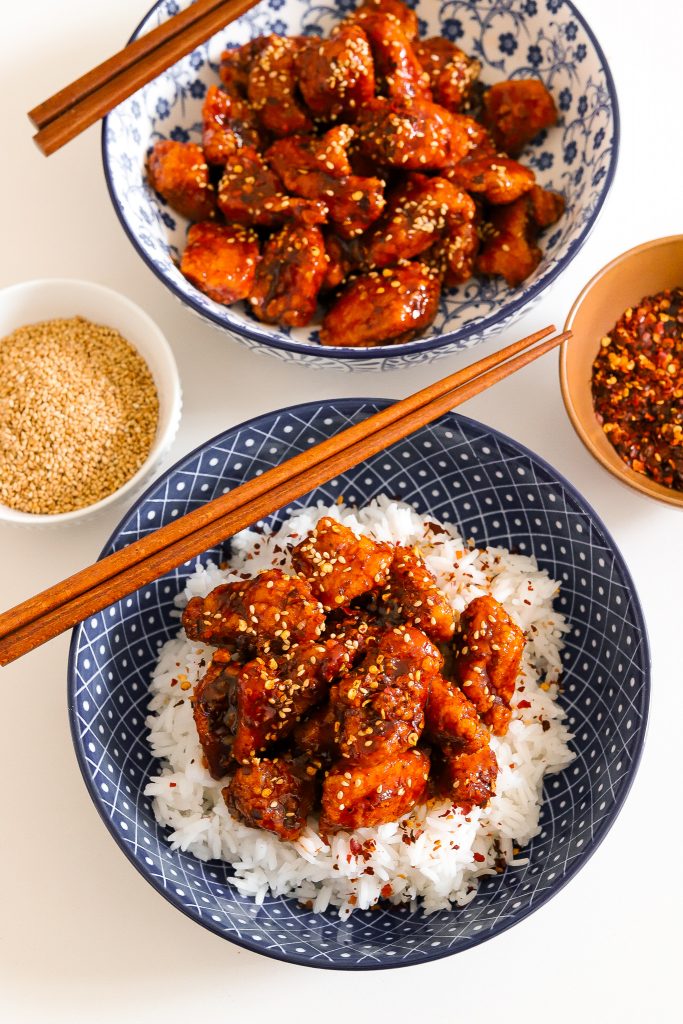
Looking for a simple way to turn ordinary pork into a mouthwatering Koreanstyle feast? The answer is right in your pantry: a gochujangbased pork marinade. In just a few minutes you can create a korean pork marinade gochujang that delivers sweet heat, tender texture, and a depth of umami thatll make everyone ask for seconds. Lets dive in, skip the fluff, and get straight to the good stuff.
Why This Marinade Works
What makes gochujang the star?
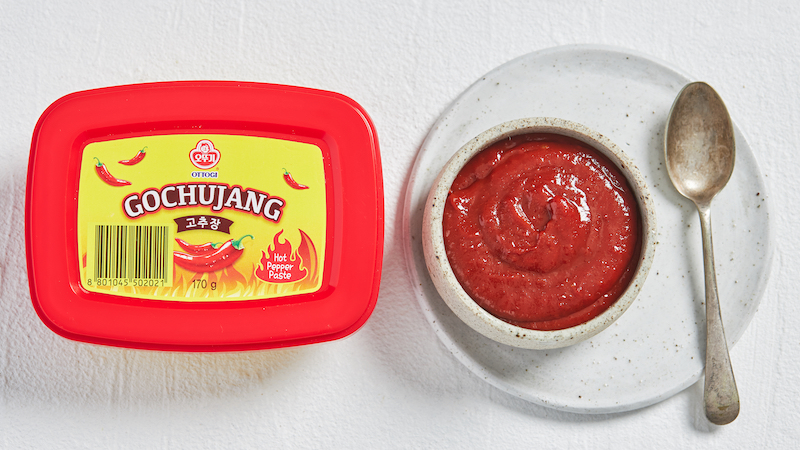
Gochujang isnt just a spicy sauce; its a fermented paste that brings together heat, sweetness, and a subtle tang. The fermentation process creates natural probiotics, which are great for gut health, while the redpepper flakes add that signature kick. Pair that with soy sauces salty depth and a drizzle of sesame oil, and youve got a flavor profile thats simultaneously bold and balanced.
How does it improve texture?
Beyond flavor, the marinade works as a tenderizer. The acidity from ricewine vinegar, the enzymes in garlic and ginger, and the slight sweetness all help break down muscle fibers. The result? Pork that stays juicy whether youre cooking a fattier belly or a lean tenderloin.
Benefits vs. risks a balanced view
While gochujang brings many perks, its also relatively high in sodium. The good news? You can cut the salt by using lowsodium soy sauce or rinsing the pork briefly after marinating. And if youre not a fan of extreme heat, simply tone down the chili flakes or add a splash of honey to mellow the spice.
Ingredient Essentials
Pantry staples youll need
Heres a quick checklist. All of these are easy to find at most supermarkets or Asian grocery stores:
- Gochujang (look for a brand without added MSG)
- Soy sauce (lowsodium preferred)
- Sesame oil
- Ricewine vinegar or apple cider vinegar
- Garlic, minced
- Fresh ginger, grated
- Brown sugar or honey
- Optional: Gochugaru (Korean redpepper flakes) for extra heat
Choosing the right pork cut
Both gochujang marinades for pork belly and gochujang marinades for pork tenderloin work beautifully, but they each bring something different to the table.
| Cut | Marbling | Ideal Marinate Time | Best Cooking Method |
|---|---|---|---|
| Pork Belly | High (fatty) | 24hours | Grill or pansear |
| Pork Tenderloin | Low (lean) | 30min1hour | Stirfry or quick roast |
| Shoulder (Boston) | Medium | 412hours | Slowcook or ovenroast |
For a quick weeknight, I usually reach for pork tenderloin because it cooks fast and soaks up the sauce in just half an hour.
StepbyStep Marinade
Building the base
Grab a medium bowl and whisk together the following:
- 3Tbsp gochujang
- 2Tbsp lowsodium soy sauce
- 1Tbsp sesame oil
- 1Tbsp ricewine vinegar
- 1Tbsp brown sugar (or honey)
- 2cloves garlic, minced
- 1tsp grated ginger
- tsp gochugaru (optional)
Whisk until the mixture is smooth and the sugar has dissolved. The aroma should already make your mouth water.
Marinating the pork
Slice your pork into bitesize pieces (or keep a whole tenderloin if you prefer). Toss the meat in the bowl, ensuring each piece is coated. Transfer everything to a ziptop bag or a shallow glass dish, seal, and refrigerate:
- Pork belly: 24hours (up to overnight for deeper flavor)
- Pork tenderloin: 30min1hour (dont go much longer or it can get salty)
Keep the marinating pork at 4C; if youre short on time, a quick 30minute roomtemperature dip works fine, but always finish cooking promptly.
Cooking methods
Stirfry (Jeyuk Bokkeum)
Heat a wok or large skillet over mediumhigh heat, add a splash of oil, and toss in the marinated pork. Stirfry for 57minutes until caramelized and cooked through. Serve over steamed rice and sprinkle sesame seeds.
Grilling
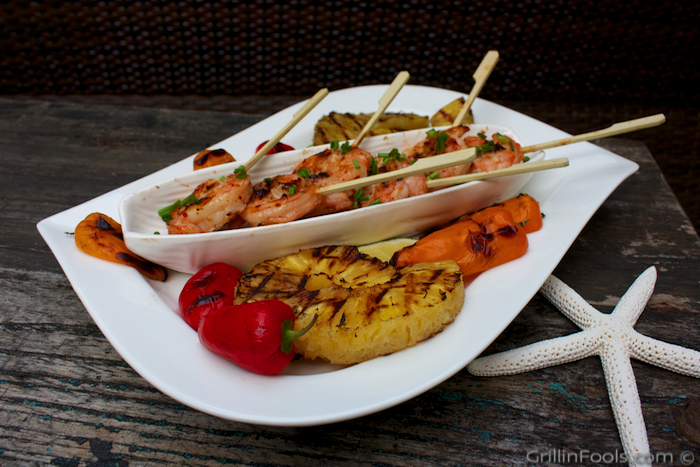
Preheat the grill to mediumhigh. Skewer the pork belly chunks and grill for 34minutes per side, basting with any leftover sauce. The char adds a smoky depth that pairs perfectly with the sweetheat.
Ovenroast
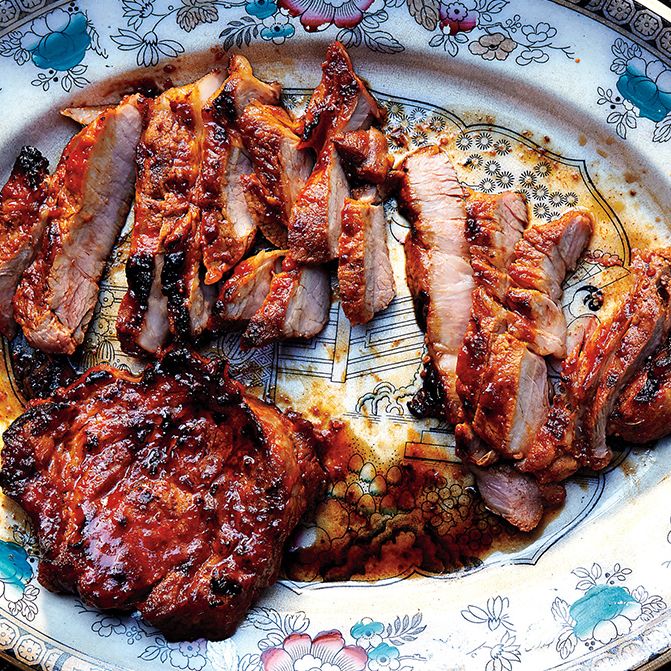
Lay pork tenderloin on a baking sheet, brush with extra sauce, and roast at 400F (200C) for 1520minutes, turning halfway. Let it rest 5minutes before slicing to lock in juices.
Flavor Tweaks & Regional Twists
Sweetheat balance
If you love a kiss of sweetness, drizzle a little more honey or add grated Korean pear juice. The fruits enzymes further tenderize the meat while adding a gentle fruity note.
Extra kick
For firebreathers, increase gochugaru or toss in sliced fresh chilies. A splash of ricewine vinegar at the end of cooking can also brighten the heat.
Herb & citrus upgrades
Finish the dish with a squeeze of lime, a handful of chopped cilantro, or sliced perilla leaves. These fresh accents cut through the richness and keep the palate lively.
Safety & Health Tips
Handling pork safely
Always keep raw pork separate from readytoeat foods. After marinating, discard any leftover sauce that has touched the raw meat unless you bring it to a rolling boil first. The USDA recommends cooking pork to an internal temperature of 145F (63C) with a threeminute rest (USDA guidelines).
Managing sodium
If youre watching your salt intake, opt for lowsodium soy sauce and reduce the amount of gochujang slightly. Rinsing the pork briefly under cold water after marinating can also pull out excess salt, but remember to pat it dry before cooking.
Nutrition spotlight
Gochujang provides antioxidants from red peppers and some probiotic benefit from fermentation. Coupled with lean pork, the dish offers a solid source of protein, Bvitamins, and iron. For a deeper dive on the health aspects of fermented foods, the National Institutes of Health has a concise overview (NIH).
Common Mistakes & Fixes
Marinade turns watery
If the sauce looks too thin after cooking, finish the dish with a quick cornstarch slurry (1tsp cornstarch mixed with 2tsp water) and simmer for a minute.
Pork ends up tough
Overmarinating acidic mixtures can actually toughen lean cuts. Stick to the recommended times and slice the meat against the grain for maximum tenderness.
Burnt spice notes
Gochujang can scorch if cooked on very high heat. Keep the flame at medium and add a splash of water or broth if the pan gets too dry.
Storing & Repurposing Leftovers
Refrigeration
Place cooled, cooked pork in an airtight container and label with the date. It stays fresh for up to three days.
Freezing raw marinated pork
Seal the pork and its marinade in a vacuumbag or a freezersafe ziptop bag. It will keep for about two months. Thaw overnight in the fridge before cooking.
Creative leftovers
Turn leftover gochujang pork into tacos, toss it with fried rice, or pile it over a bowl of bibimbap for a quick, satisfying meal.
Tools That Make Life Easier
Best whisk
A stainlesssteel balloon whisk emulsifies the gochujang paste without clumping.
Marinating containers
Glass jars are ideal because they dont retain odors, but BPAfree plastic works fine for shortterm marinating.
Cookware choice
A wellseasoned castiron skillet distributes heat evenly for a perfect crust, while a wok offers that classic Korean searandtoss feel.
Final Thoughts & Next Steps
There you have ita complete guide to mastering the korean pork marinade gochujang thats quick, flavorful, and adaptable to any cut of pork you have on hand. Whether you choose to stirfry, grill, or roast, the key is honoring the sauces sweetheat balance and respecting safe foodhandling practices.
Now its your turn: grab the ingredients, give the marinade a whirl, and let your kitchen fill with the irresistible aroma of Korean comfort food. Have you tried a different cut or added a secret ingredient? Share your experience with friends, or try one of the flavor twists we mentioned. And if you have any questions, dont hesitate to askIm here to help you make every bite unforgettable.
FAQs
What is the best cut of pork for a gochujang marinade?
Pork tenderloin is ideal for quick meals, while pork belly gives richer flavor for longer marinating.
How long should I marinate pork in gochujang?
For tenderloin, 30 minutes to 1 hour; for belly, up to 24 hours for deeper taste.
Can I reduce the sodium in this recipe?
Use low‑sodium soy sauce and rinse the pork briefly after marinating to lower the salt content.
Is it safe to reuse the leftover marinade?
Only if you bring it to a rolling boil for at least 3 minutes; otherwise discard to avoid contamination.
What cooking methods work best with this marinade?
Stir‑fry, grill, or roast – each method highlights the sweet‑heat balance of the gochujang sauce.