Looking for a fast, tasty way to bring Korean heat to everything from chicken wings to veggie noodles? The answer is a quickmix gochujang sauce that you can whip up with just five pantry staples. In under five minutes youll have a balanced, tangysweet sauce thats ready to drizzle, dip, or glaze.
In this post Ill walk you through the essential gochujang sauce ingredients, a stepbystep easy method, several flavor twists (including a chickenspecific version), storage tips, and a balanced look at the health perks and cautions. Think of it as a friendly kitchen chat where I share what works, what to avoid, and a few personal stories that made me fall in love with this sauce.
Core Ingredients List
What you really need
The beauty of a gochujang sauce is that it starts with gochujang paste. From there, a few modifiers turn it into a versatile condiment.
- Gochujang paste 1 to 2tablespoons (the star of the show)
- Rice vinegar (or apple cider vinegar) 1tablespoon for bright acidity
- Sesame oil 1tablespoon for nutty depth
- Maple syrup, honey, or agave 1tablespoon for a touch of sweetness
- Optional boosters a dash of soy sauce, minced garlic, grated ginger, sliced green onions, toasted sesame seeds
Why these ratios work
Traditional Korean cookbooks often cite a 2:1:1 ratio of gochujang, vinegar, and sesame oil. The sweetener balances the heat and acidity, creating a sauce thats neither too sharp nor overly sweet. If you like it spicier, simply add another halftablespoon of gochujang; if you prefer a milder kick, reduce the paste and add a splash more vinegar.
Ingredient Comparison
| Sweetener | Flavor Profile | Vegan? | Glycemic Index |
|---|---|---|---|
| Maple syrup | Rich, caramellike | Yes | Medium |
| Honey | Floral, smooth | No | High |
| Agave | Neutral, light | Yes | Low |
Personally, I reach for maple syrup because it adds depth without overwhelming the sauce, and it keeps the blend veganfriendly for friends who skip honey.
Simple Mixing Method
The 5Ingredient, NoHeat Trick
1. Grab a small bowl and add the gochujang paste.
2. Pour in the rice vinegar and sesame oil.
3. Add your chosen sweetener.
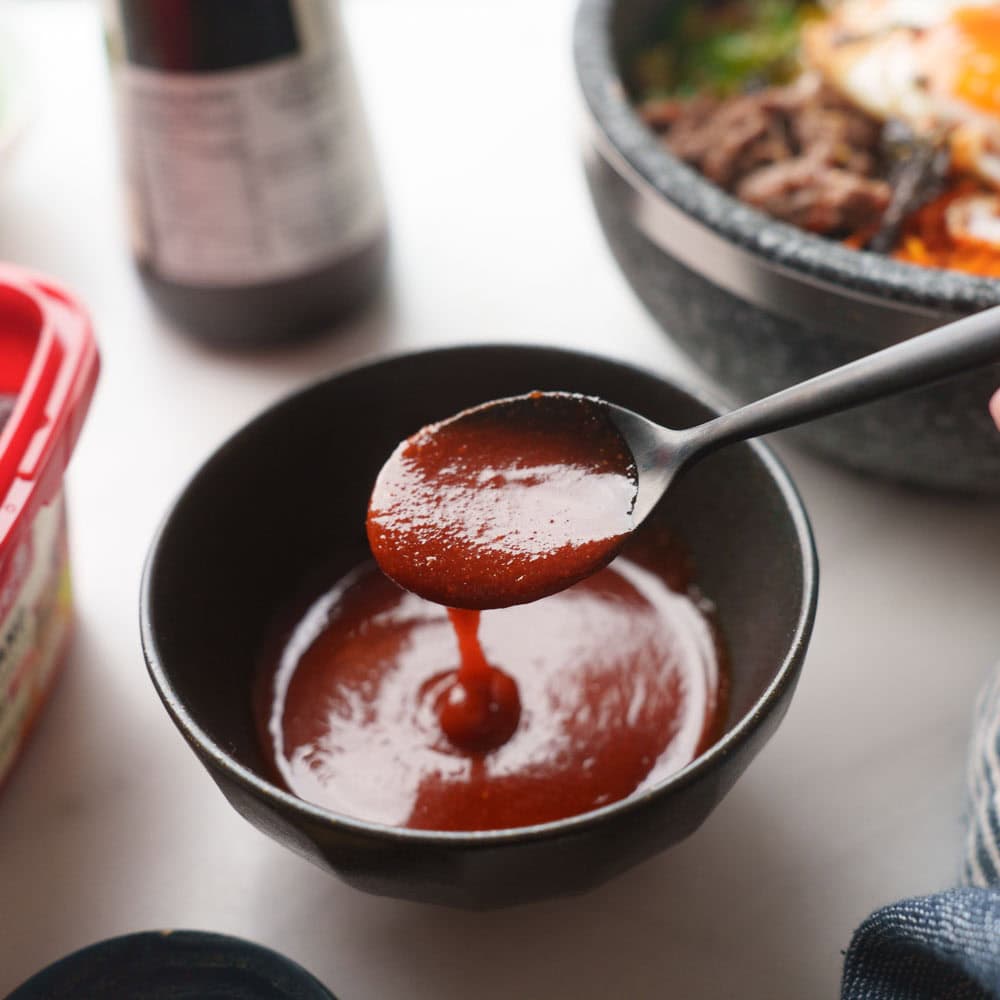
4. Whisk until the mixture is smooth and glossy. If you see little streaks of gochujang, keep whiskingthink of it like smoothing out a stubborn knot in a friendship.
5. Taste. Need more heat? A halftablespoon extra paste. Too salty? A splash more vinegar or a drizzle of water.
Adjusting thickness
If you plan to use the sauce as a glaze for chicken, keep it a bit thicker; add a teaspoon of cornstarch slurry (cornstarch mixed with cold water) and whisk in. For a dipping sauce, thin it with a tablespoon of warm broth or water until it coats the back of a spoon without clumping.
Quick Visual Guide
| Step | What It Looks Like |
|---|---|
| Combine ingredients | Chunky, uneven mixture |
| Whisk | Smooth, glossy redorange sauce |
| Adjust | Desired consistency (thin or thick) |
Flavor Variations Guide
Gochujang Sauce for Chicken
This version works as both a marinade and a finishing glaze. Mix cup gochujang, 2tablespoons soy sauce, 1tablespoon honey, and 1teaspoon minced garlic. Marinate chicken thighs for at least 30minutes, then grill or bake, brushing on extra sauce during the last 5minutes for that caramelized shine.
When I first tried this on a backyard BBQ, the sauce formed a beautiful amber crust that kept the meat juicy inside and smoky outsideexactly the kind of wow factor friends ask for.
Gochujang Dipping Sauce
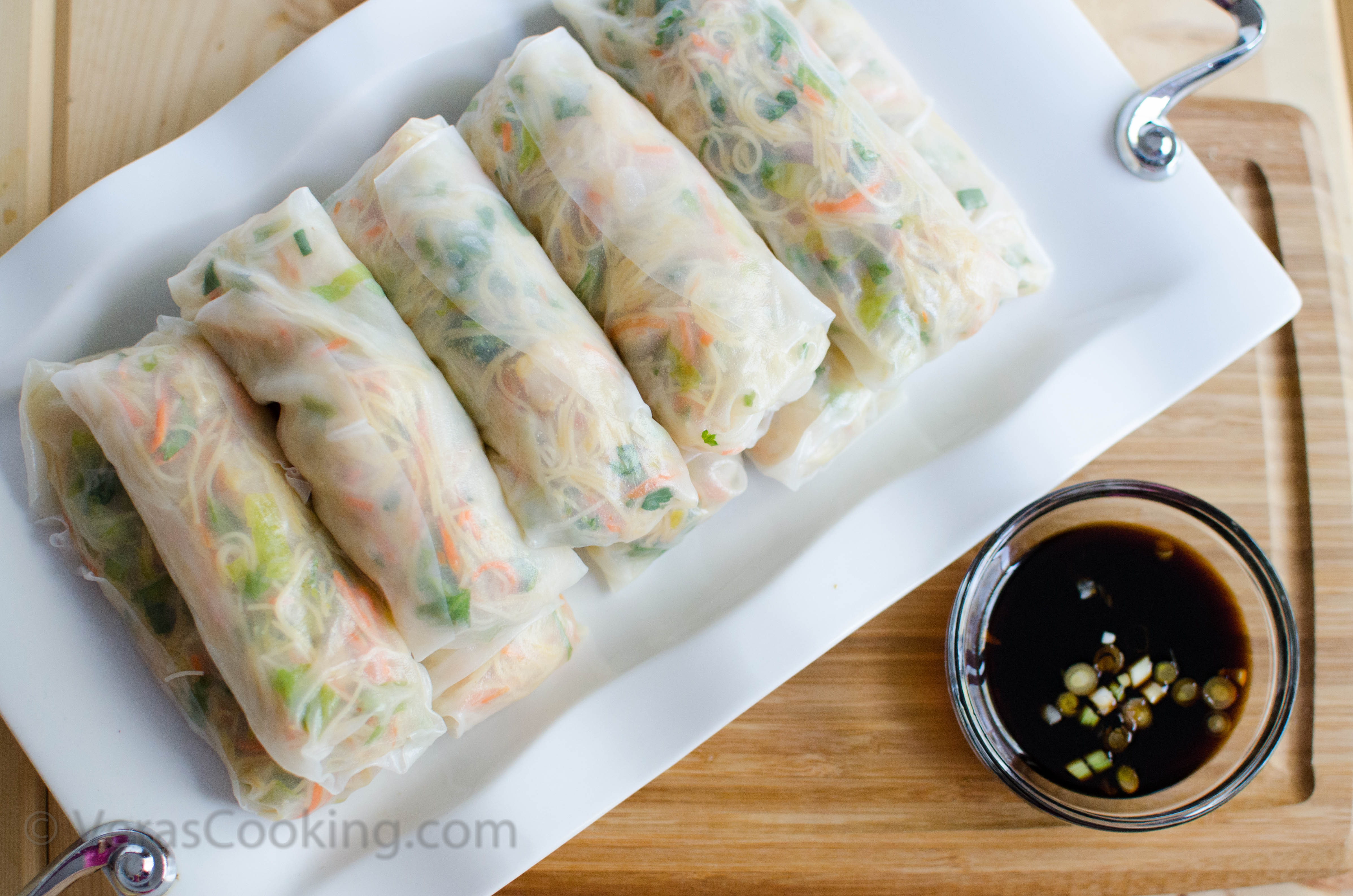
Perfect for dumplings, spring rolls, or raw veggie sticks. Add a splash of lime juice and a handful of finely chopped cilantro to the basic sauce. The citrus lifts the umami, while the cilantro adds freshness that cuts through the heat.
Gochujang StirFry Sauce
Blend 2tablespoons gochujang, 1tablespoon soy sauce, 1tablespoon rice vinegar, 1teaspoon sesame oil, and cup lowsodium chicken or vegetable broth. Toss this with sliced beef, tofu, or a medley of bell peppers and onions. The sauce thickens just enough to cling to each bite, delivering that signature Korean sweetheat without drowning the vegetables.
Variation Comparison
| Use | Flavor Intensity | Prep Time | Best Pairings |
|---|---|---|---|
| Chicken glaze | Mediumhigh | 10min + marinate | Grilled thigh, drumsticks |
| Dipping sauce | Medium | 5min | Dumplings, raw veggies |
| Stirfry sauce | Medium | 7min | Beef, tofu, mixed veg |
For added authenticity, I watched Maangchis video on her gochujang sauce (shes a Koreanfood legend). She adds a pinch of toasted rice powder for extra texturesomething you can try if you want a slightly grainy mouthfeel.
Storage & Shelf Life
Refrigeration basics
Transfer the finished sauce to a clean, airtight jar. Itll keep in the fridge for up to two weeks. Keep an eye out for any mold spots or offsmellsthose are the telltale signs its time to toss.
Freezing for the long haul
If you make a big batch, the sauce freezes well for up to three months. Portion it into icecube trays, pop out the frozen cubes, and store them in a ziptop bag. Thaw slowly in the refrigerator before using; a quick microwave can cause the oil to separate.
Safety checklist
- pH level above 4.6 (acidic enough to inhibit most bacteria)
- Smell test sour or rancid aromas indicate spoilage
- Visual check any pink or fuzzy growth means discard
According to the USDA food safety guidelines, homemade condiments should be kept under 40F (4C) and not stored longer than the recommended times to avoid foodborne illness.
Benefits and Risks
Why gochujang can be good for you
Gochujang is a fermented chili paste, which means it contains probiotics that support gut health. The capsaicin in the chilies may boost metabolism and release endorphinsyes, that spicy rush you feel is partially a natural high.
Potential downsides to watch
The main culprits are sodium and sugar. A typical serving can contain up to 400mg of sodium and 3grams of sugar. For anyone monitoring blood pressure or blood sugar, its wise to adjust the recipeswap regular soy sauce for lowsodium tamari and use agave instead of honey.
Smart swaps
- Lowsodium soy sauce or tamari for reduced salt
- Stevia or monk fruit sweetener for a sugarfree version
- Glutenfree gochujang (some brands use rice flour instead of wheat)
When I first tried a lowsodium version for a friend with hypertension, the flavor stayed punchy thanks to the extra garlic and a dash of toasted sesame oil. It proved that you dont have to sacrifice taste for health.
Common Mistakes Fixed
Too thick, not spreading
Add a teaspoon of warm broth or water, then whisk gently. The sauce should coat the back of a spoon without clumping.
Overly salty
Balance the salt by diluting with a splash of vinegar or a squeeze of orange juice. The citrus brightens the palate and masks excess sodium.
Lacks depth, flat taste
Finish the sauce with a drizzle of toasted sesame oil or a pinch of powdered sugar. Both add a subtle aroma that elevates the entire profile.
Troubleshooting Flowchart (text version)
| Problem | Solution |
|---|---|
| Thick | Add water/broth, whisk |
| Salty | Dilute with vinegar or citrus |
| Flat | Finish with sesame oil or sugar |
Everyday Meal Ideas
Now that youve mastered the base, lets get creative. Here are a few ways I love to incorporate the sauce into weekly meals:
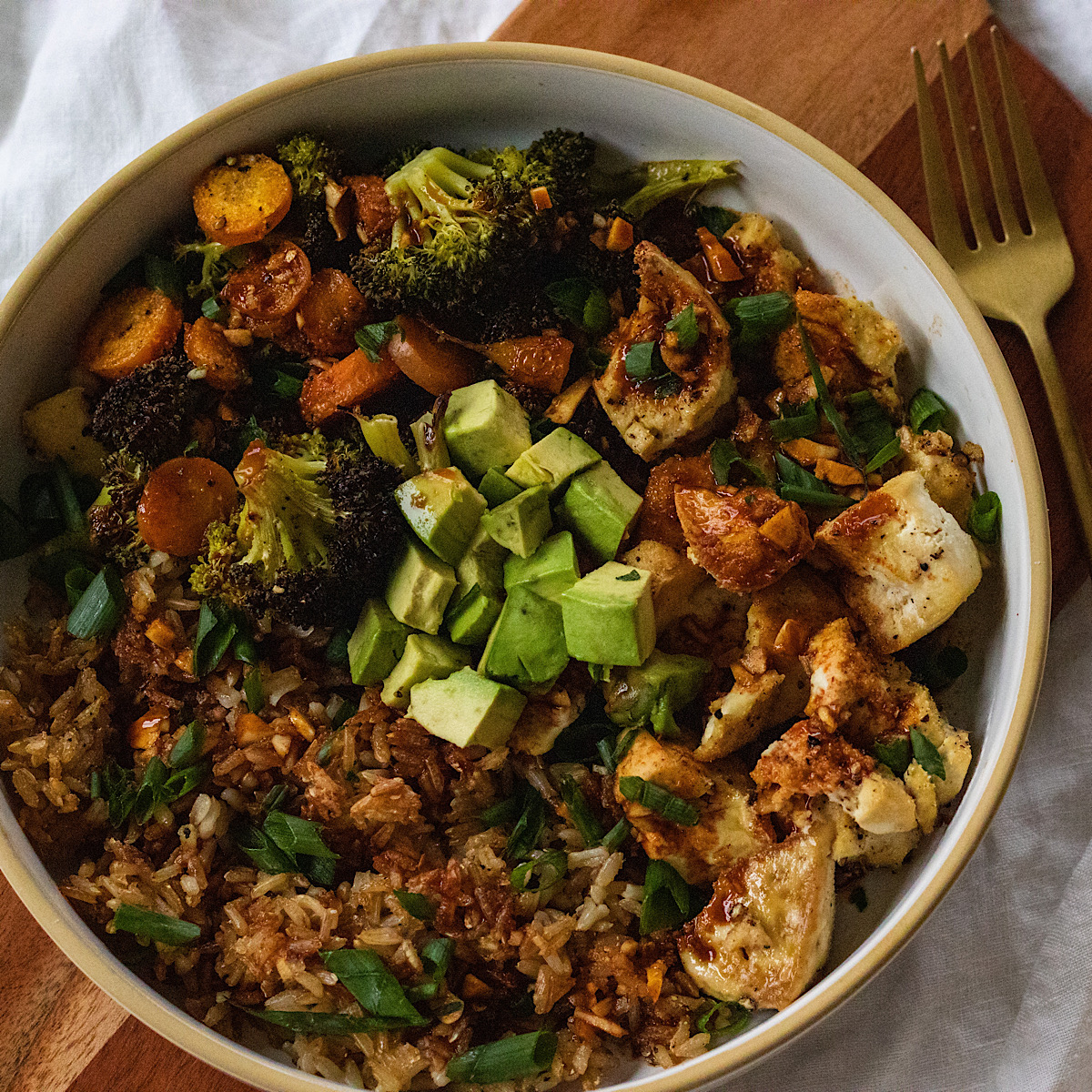
- Spicy Chicken Bowls Grill or bake chicken using the glaze, slice, and serve over brown rice with avocado, kimchi, and a drizzle of extra sauce.
- KoreanStyle Tacos Fill soft corn tortillas with pork belly, pickled radish, and a generous spoonful of gochujang sauce for a quick fusion bite.
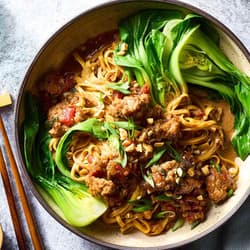
- Veggie Noodle Toss Spiralize zucchini, toss with the stirfry version of the sauce, add shredded carrots, and sprinkle toasted sesame seeds.
- Dipping Party Set out a bowl of the dipping sauce alongside fried dumplings, sliced cucumber, and toasted seaweed.
In a recent weeklong meal prep, I used the sauce in three different mealsglazed chicken, stirfried tofu, and a dipping sauce for snacktime. Not only did it simplify my grocery list, but it also kept my palate excited.
Bottom Line & Next Steps
With just five simple ingredients and a whisk, you can craft a gochujang sauce thats bold, balanced, and adaptable to everything from chicken glazes to veggie dips. Adjust the heat, sweetness, and thickness to match your cravings, store it safely, and enjoy the probiotic boost while being mindful of sodium and sugar. Give the basic recipe a spin tonight, then experiment with the variationsyour kitchen (and taste buds) will thank you.
Ready to dive in? Grab that gochujang paste from your pantry, follow the quick mixing method, and share how you used the sauce in your next meal. Im eager to hear your stories and any creative twists you come up with!
FAQs
What is gochujang sauce and how does it differ from gochujang paste?
Gochujang paste is a fermented chili paste used as a base ingredient. Gochujang sauce is the paste mixed with vinegar, sweetener, oil, and seasonings to create a pourable, balanced condiment.
Can I make the gochujang sauce without a whisk?
Yes—use a fork or a small spoon to mash and stir the ingredients until smooth. A whisk just speeds up the process and ensures a glossy finish.
How long will the homemade gochujang sauce keep in the refrigerator?
Stored in an airtight jar, the sauce stays fresh for up to 2 weeks. Discard if you notice any off smell, mold, or discoloration.
Is there a low‑sodium version of this sauce?
Swap regular soy sauce for low‑sodium tamari or omit it entirely, and increase the vinegar and a pinch of extra garlic for flavor without extra salt.
Can I freeze gochujang sauce for later use?
Absolutely—portion the sauce into ice‑cube trays, freeze, then transfer to a zip‑top bag. Thaw in the fridge before using to keep the oil from separating.