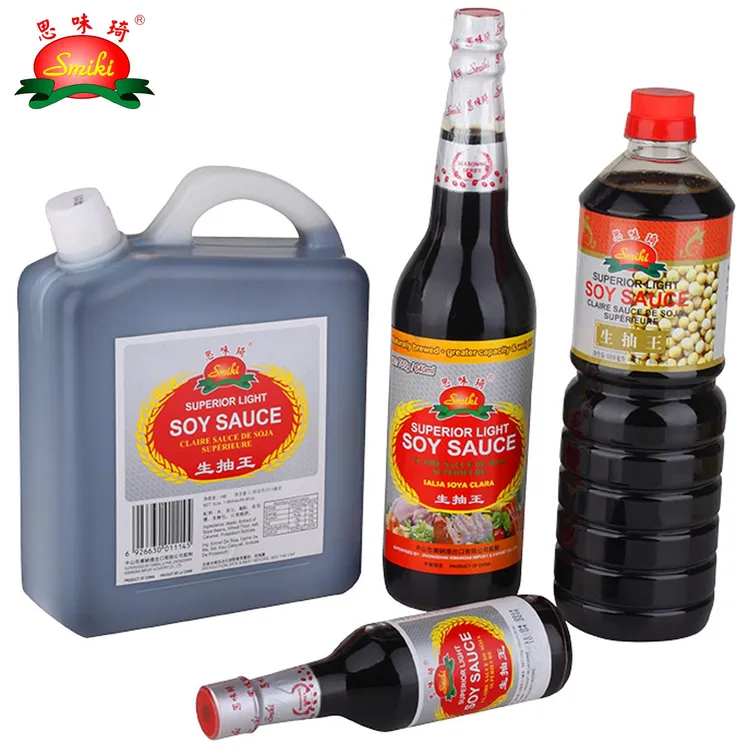
Wondering whether that little splash of soy sauce will mess up your bloodsugar numbers? The short answer: soy sauce itself is virtually carbfree, so it wont spike glucose, but a single tablespoon can sneak in up to 1,000mg of sodiumenough to raise blood pressure and stress a diabetics kidneys. The smart move is to pick lowsodium or alternative sauces, control how much you use, and pair them with balanced meals. Below youll find everything you need to enjoy the umami flavor without compromising your health.
Nutritional Profile Overview
Whats the carb count?
Regular soy sauce contains less than 1gram of carbohydrates per tablespoon, translating to a glycemic index (GI) of about 20. In practice, thats essentially zero impact on blood sugar, making it a safe condiment from a carb perspective. According to Healthline, a tablespoon provides roughly 10calories, 0.5g carbs, and a trace amount of protein.
How much sodium am I actually eating?
Heres the sobering part: a tablespoon of traditional soy sauce packs around 870mg of sodiumroughly 38% of the recommended daily limit for most adults. Lowsodium versions drop that to about 500mg, while coconut aminos (a popular soyfree alternative) contain just 90mg. If youre watching blood pressure, those numbers matter.
Other nutrients that matter
Beyond carbs and sodium, soy sauce offers a sprinkle of isoflavonesplant compounds linked in some research to improved insulin sensitivity. A metaanalysis in the Journal of Nutrition noted modest reductions in type2 diabetes risk among regular soy eaters, although the effect is likely driven by whole soy foods rather than the condiment alone.
Quick comparison of popular options
| Brand/Type | Sodium (mg/tbsp) | Calories | Carbs (g) | Notes |
|---|---|---|---|---|
| Regular soy sauce | 870 | 10 | 0.5 | Standard flavor |
| Lowsodium soy sauce | 500 | 10 | 0.5 | Reduced salt, same taste |
| Coconut aminos | 90 | 5 | 1 | Glutenfree, slightly sweet |
| Mrs. Taste ZeroSugar | 210 | 0 | 0 | 76% less sodium, no sugar |
Meal Integration Guide
Portion control matters
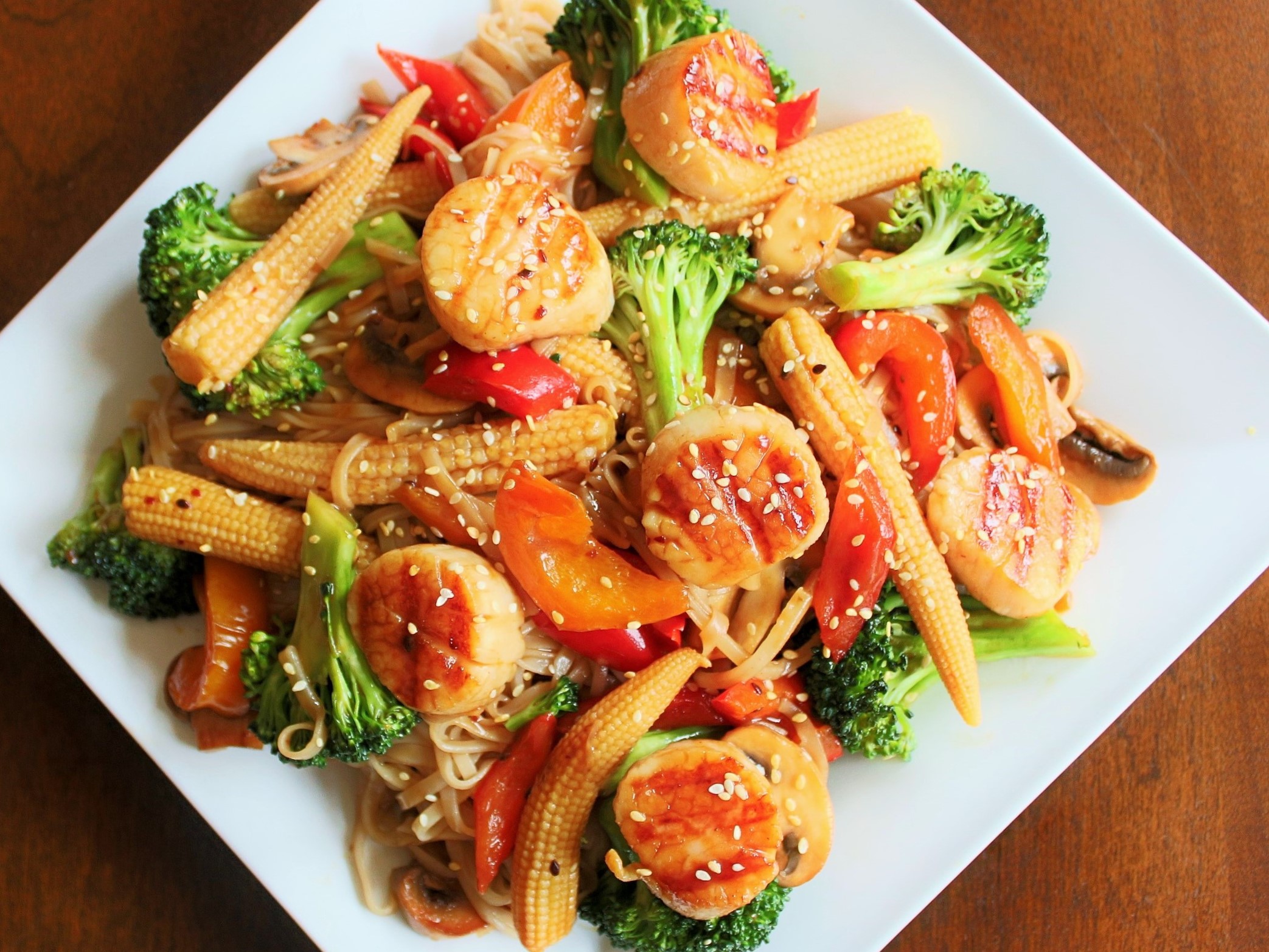
Its easy to overpour sauce when youre cooking a stirfry. A good rule of thumb is to measure out one tablespoon (or half a teaspoon if youre particularly sodiumconcerned). That splash adds flavor without dumping a quarter of your daily sodium budget into one bite.
When to reach for lowsodium or alternatives
If soy sauce is a daily flavor boosterthink weekly Asianstyle mealsopt for lowsodium or coconut aminos. For occasional dishes like sushi night or a quick ramen upgrade, a regular soy sauce is fine as long as the rest of the meal is lowsalt.
Flavorenhancing swaps that stay diabetessafe
Instead of loading on extra soy sauce, try these tricks:
- Fresh ginger or garlicadds zing and antioxidants.
- Acidic touches: a squeeze of lime or a splash of rice vinegar.
- Heat: crushed red pepper flakes or a dash of your favorite hot sauce (look for best hot sauce for diabetics with 150mg sodium).
- Umami boosters: a pinch of mushroom powder or a splash of misobased broth.
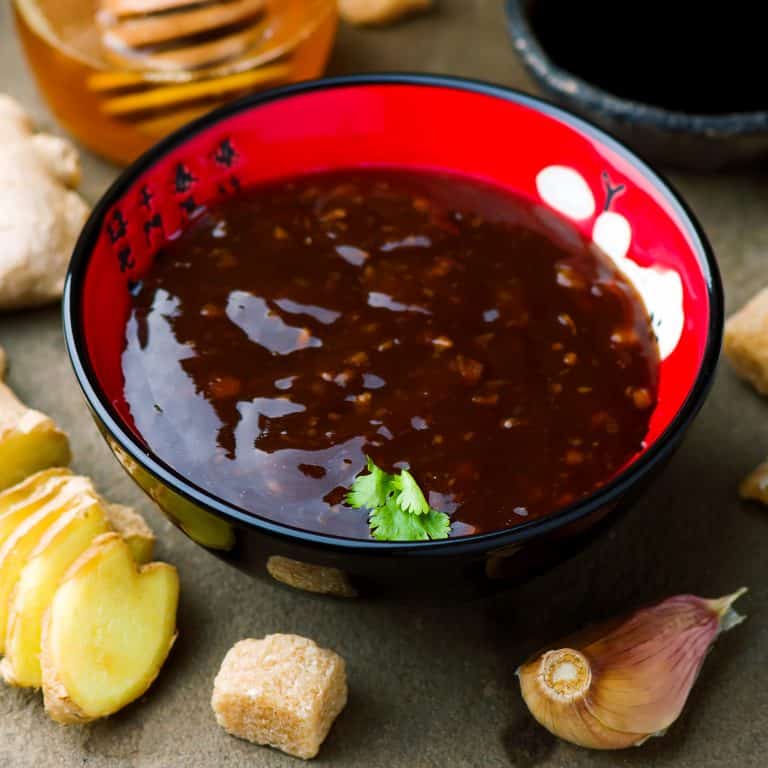
Sample recipe: DiabeticFriendly StirFry Sauce (300mg sodium total)
Mix the following ingredients for a twotablespoon sauce that flavors a fourserving stirfry:
- 1tsp lowsodium soy sauce
- 1tsp coconut aminos
- tsp ricevinegar
- tsp crushed red pepper
- 1tsp freshly minced ginger
Whisk together, drizzle over your veggies and protein, and enjoy a balanced taste without the sodium overload.
Expert Perspectives Insight
What dietitians say about sodium & diabetes
Registered dietitian Jane Smith, RD, notes, Most adults with diabetes should aim for less than 1,500mg of sodium per day, especially if they have hypertension. Even a modest reductionsay, swapping regular soy sauce for lowsodiumcan lower blood pressure by 35mmHg over a few weeks.
A realworld story you can relate to
Take Mike, a 58yearold with type2 diabetes. He loved his nightly stirfry but was told his blood pressure was creeping up. After switching from regular to lowsodium soy sauce and trimming his servings to one tablespoon, his doctor reported a 5mmHg drop within a month. Mike says the flavor is still kickass, and he feels less puffy after meals.
Scientific backing for soys benefits
Beyond sodium, soy contains isoflavones that have been linked to modest improvements in insulin sensitivity. While you shouldnt rely on soy sauce alone for diabetes control, incorporating it as part of a varied, plantrich diet can contribute to overall metabolic health.
Sources you can trust
- Healthlines nutrition breakdown (cited above).
- Journal of Nutrition metaanalysis on soy intake.
- American Diabetes Association guidelines on sodium intake.
Practical Tips Everyday
Smart shopping checklist
When youre in the aisle, keep an eye out for these labels:
- Lowsodium (500mg per tbsp).
- Reduced sodium (often 300400mg).
- No added sugar especially important if youre also monitoring carbs.
- Glutenfree options like coconut aminos if you have celiac disease or gluten sensitivity.
Cooking hacks to slash sodium
Here are a few tricks that feel like culinary magic:
- Dilute regular soy sauce with an equal part water or unsalted broth before adding it to a dish.
- Use a spray bottle to mist a thin layer over foodsthis spreads flavor evenly without a heavy pour.
- Finish dishes with a squeeze of fresh citrus instead of a second splash of sauce.
Balancing your plate for diabetes
Follow the classic plate method: half nonstarchy vegetables, a quarter lean protein, and a quarter whole grains or starchy veg. Then add sauce sparinglyjust enough to coat the protein. This way you get the taste you love while keeping carbs, calories, and sodium in check.
Condiment showdown: Sodium & Carb snapshot
| Condiment | Sodium (mg/tbsp) | Carbs (g) | GI | Best Use |
|---|---|---|---|---|
| Regular soy sauce | 870 | 0.5 | 20 | Occasional Asian dishes |
| Lowsodium soy sauce | 500 | 0.5 | 20 | Everyday seasoning |
| Coconut aminos | 90 | 1 | 20 | Allday drizzle, glutenfree |
| Yellow mustard (best mustard for diabetics) | 55 | 0.2 | 0 | Sandwiches, salads |
| Hot sauce (best hot sauce for diabetics) | 120 | 0.4 | 0 | Spice boost, lowcalorie |
Downloadable mealprep guide (optional)
If you love a concrete plan, imagine a onepage PDF where you log your daily sodium budget alongside carb counts. It can be as simple as a column for Sauce (tbsp) and a row for Total sodium (mg). Having that visual cue helps keep you honest without feeling deprived.
Conclusion
So, heres the bottom line: soy sauce wont raise your blood sugar, but its sodium can be a hidden culprit if youre not careful. Choose lowsodium or alternative sauces, measure your pours, and pair the condiment with fiberrich veggies and lean proteins. Tiny tweakslike swapping a tablespoon of regular soy sauce for half that amount of coconut aminoscan make a noticeable difference in both glucose control and bloodpressure management.
Feel encouraged to experiment with the flavorboosting ideas above, and remember that enjoying food is a key part of a healthy lifestyle. If youve tried a lowsodium brand that you love, or youve created a homemade sauce that works for your diabetes plan, share your experience. Lets keep the conversation going and help each other savor every bitesafely.
FAQs
Does soy sauce raise blood sugar for people with diabetes?
Regular soy sauce contains less than 1 g of carbohydrates per tablespoon, so its impact on blood glucose is negligible. The bigger concern is its sodium content, not the carbs.
How much soy sauce can a diabetic safely use in a meal?
Stick to about ½ – 1 teaspoon (≈2.5–5 ml) per serving. This provides flavor while keeping sodium under 250 mg per meal.
What are the best low‑sodium soy sauce options?
Look for brands labeled “low‑sodium” (≈500 mg sodium per tbsp) or “reduced‑sodium” (≈300‑400 mg). Some popular choices include Kikkoman Low‑Sodium and Lee Kum Kee Lite.
Are coconut aminos a good alternative for diabetics?
Yes. Coconut aminos contain about 90 mg sodium per tablespoon and are free of soy, making them a lower‑sodium, gluten‑free option with a mild sweetness.
How can I cut sodium when using soy sauce in recipes?
Try diluting regular soy sauce with an equal part water or unsalted broth, use a spray bottle for a thin mist, and finish dishes with a squeeze of citrus or a dash of rice vinegar instead of extra sauce.