Looking for a fast way to turn a boring stirfry into a flavor fireworks show? Or maybe youve got a jar of gochujang sitting on the shelf and wonder what to do with it besides the usual Korean BBQ? Below youll find the fastest answers: use it as a stirfry booster, a dip, a noodlesauce, or a glaze for chicken. All the tricks are broken down stepbystep, plus three foolproof recipes you can whip up in under 30minutes.
What You Need
Quick definition & flavor profile
Gochujang is a fermented Korean chili paste that blends sweet, salty, umami and a gentle heat. Think of it as the love child of miso and hot sauce, with a lingering caramellike finish.
Health snapshot
The fermentation process gives it probiotic benefits, while the capsicum provides a metabolismboosting kick. A recent nutrition study shows fermented chili pastes can support gut health without adding a lot of calories.
When to thin it
If you want a souplike consistency, mix gochujang with a splash of water, broth, or coconut milk. Too thick? A 1:2 ratio (gochujang:liquid) is a solid starting point.
Everyday Uses
Stirfry booster
For a classic how to use gochujang in stir fry trick, add the sauce at the very end of cooking. Toss the hot veggies and protein in a pan, splash in a tablespoon of gochujang, then drizzle soy sauce, a pinch of sugar, and a splash of sesame oil. The heat of the pan will release the sauces deep flavors without burning.
Minirecipe (30 seconds)
- Heat 1tbsp oil, toss sliced bell peppers, carrots, and your protein of choice.
- When everything is nearly done, stir in 2tbsp gochujang, 1tbsp soy sauce, and tbsp honey.
- Finish with a drizzle of toasted sesame oil and a sprinkle of sliced green onions.
Flavorbalancing checklist
- Sweetener (honey, brown sugar, or maple syrup)
- Acid (rice vinegar or a squeeze of lime)
- Fat (sesame oil or a knob of butter)
Dipping & drizzle
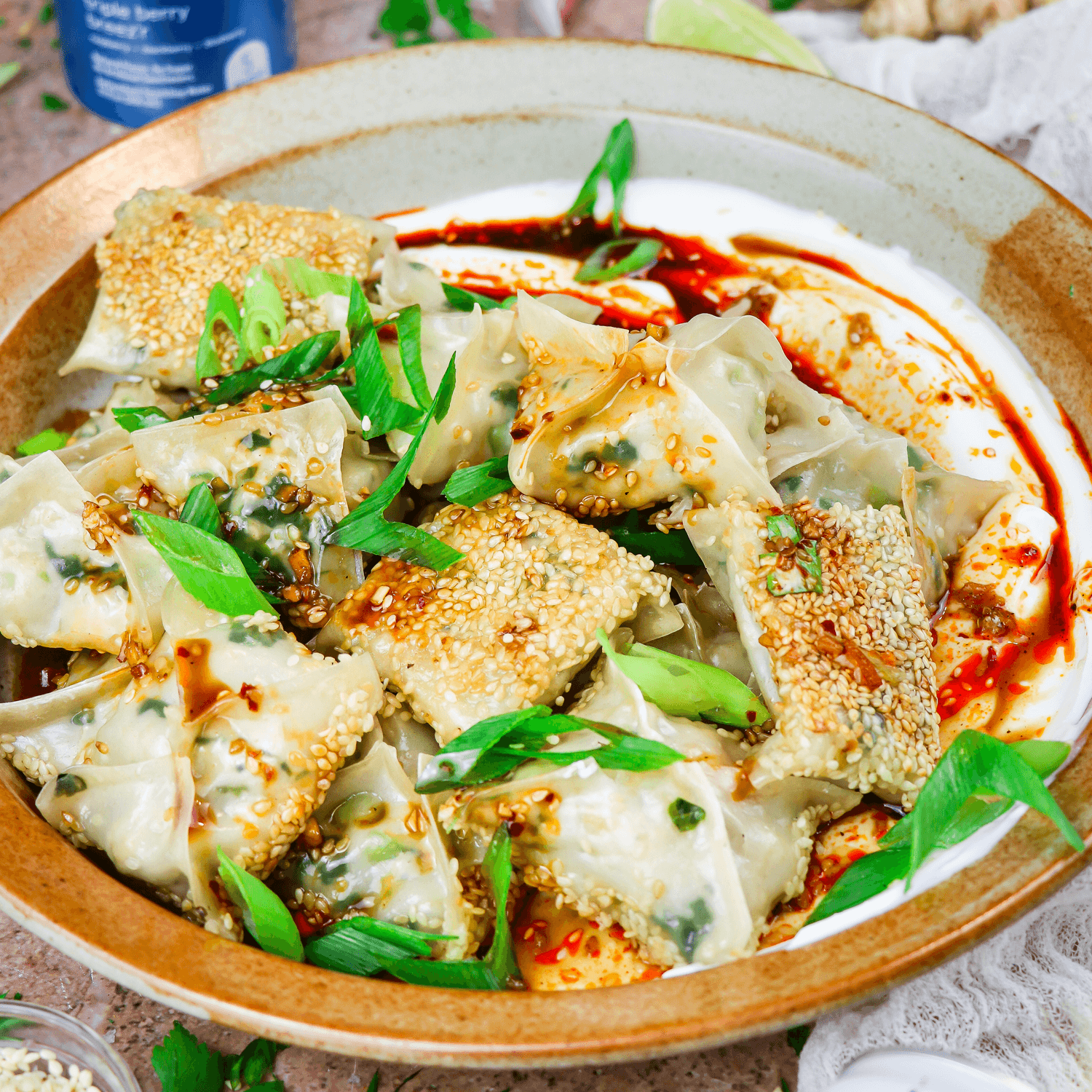
A quick gochujang dipping sauce is perfect for dumplings, tempura, or raw veggies. Blend gochujang, rice vinegar, honey, sesame oil, and a splash of water until smooth.
5ingredient dip
- 2tbsp gochujang
- 1tbsp rice vinegar
- 1tbsp honey
- tbsp toasted sesame oil
- 2tbsp water (adjust for thickness)
Mix, taste, and add a pinch of salt if needed. Store in a sealed jar for up to a week.
Noodles & rice bowls
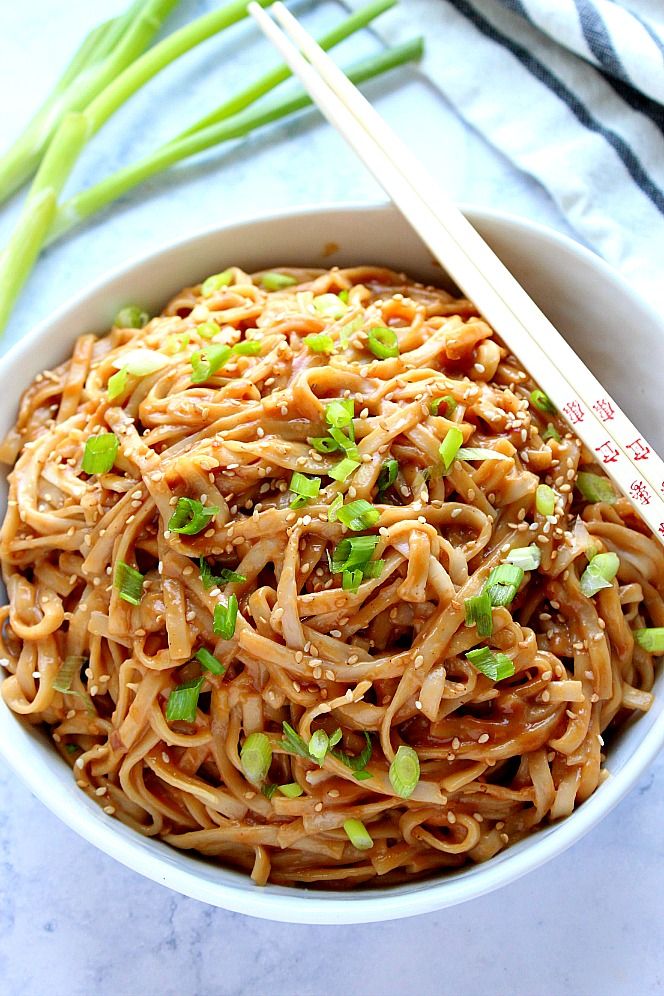
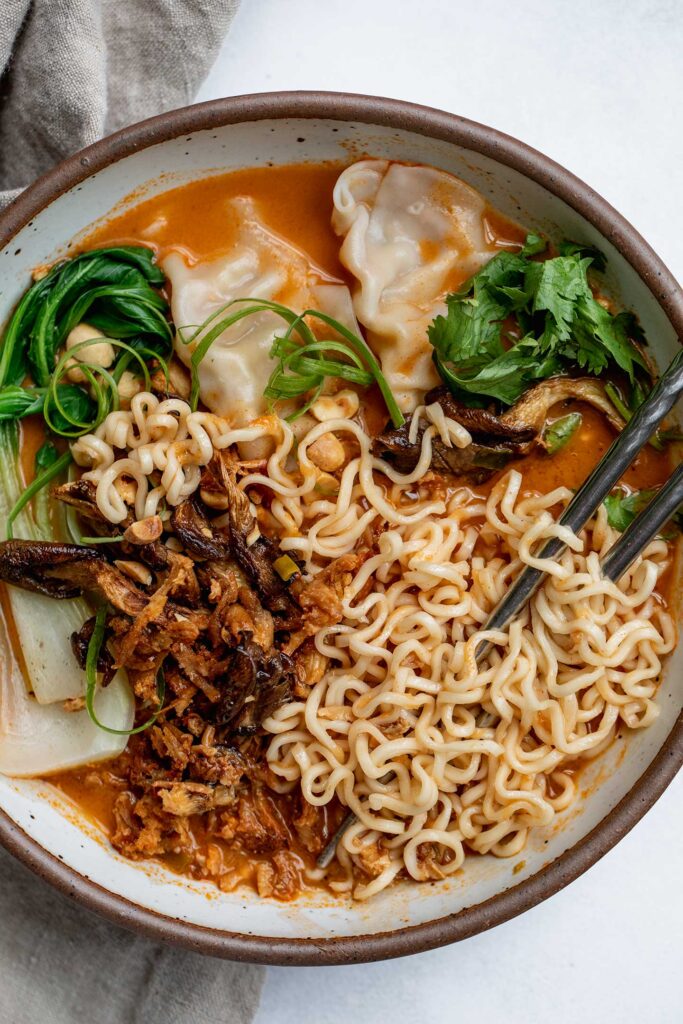
Ever wondered how to use gochujang paste in noodles? Cook your noodles (ramen, udon, rice noodles) as usual, then toss them with a sauce made from gochujang, soy sauce, a dash of sugar, and enough broth to coat. Finish with sauted veg and a handful of toasted sesame seeds.
Onepot method
1 Cook noodles in broth instead of water.
2 When the noodles are al dente, stir in 2tbsp gochujang, 1tbsp soy sauce, and a drizzle of sesame oil.
3 Add precooked veggies (broccoli, carrots) and heat through.
Marinades & grilled proteins
Gochujang shines as a glaze for chicken, pork, or tofu. A simple gochujang chicken or gochujang marinade combines the paste with garlic, ginger, a splash of rice wine, and a touch of honey.
Marinating timeline
For chicken thighs, coat with the marinade and let sit 30minutes for a quick flavor lift, or overnight in the fridge for deeper penetration. Always discard used marinade or bring it to a boil before using as a glaze to avoid crosscontamination.
Safety note
Because gochujang contains salt, avoid reusing the same bowl for raw meat and finished sauce unless its been fully cooked.
Three Easy Recipes
Easy Gochujang Dipping Sauce
This is the starter pack dip you can throw together while the waters boiling.
Ingredients (serves 4)
- 2tbsp gochujang
- 1tbsp rice vinegar
- 1tbsp honey (or agave for vegan)
- tbsp toasted sesame oil
- 2tbsp water
Steps
- Combine all ingredients in a small bowl.
- Whisk until smooth. Adjust with more water if you prefer a thinner dip.
- Serve with steamed dumplings, raw cucumber sticks, or drizzle over a grain bowl.
Pro tip from a Koreanhomecook
Adding a pinch of toasted sesame seeds on top creates a pleasant crunch and extra nuttiness.
Gochujang Chicken Thighs (SheetPan)
This gochujang chicken recipe is a goto for busy weeknights.
Ingredients (serves 23)
- 4 bonein, skinon chicken thighs
- 3tbsp gochujang
- 1tbsp soy sauce
- 1tbsp honey
- 2cloves garlic, minced
- tsp grated ginger
- 1tbsp olive oil
- Sesame seeds and sliced green onions for garnish
Steps
- Preheat oven to 200C (400F). Line a baking sheet with parchment.
- Mix gochujang, soy sauce, honey, garlic, ginger, and olive oil.
- Pat chicken dry, brush generously with the mixture, and place skinside up on the sheet.
- Roast 2530minutes, basting once, until the skin is caramelized and the meat reaches 75C (165F).
- Sprinkle sesame seeds and green onions before serving.
Nutrition snapshot
350kcal per thigh, 12g protein, 4g sugar, 1g fiber. The sodium can be tweaked by using lowsodium soy sauce (see table below).
Spicy Gochujang Noodle StirFry
Perfect for those nights when you have only pantry staples.
Ingredients (serves 2)
- 200g dried udon or ramen noodles
- 2tbsp gochujang
- 1tbsp soy sauce
- 1tbsp honey
- 1cup mixed frozen veg (peas, corn, carrots)
- 1tbsp sesame oil
- 1tsp toasted sesame seeds (optional)
Steps
- Cook noodles according to package, reserving cup cooking water.
- In a large pan, heat sesame oil, add frozen veg, and stirfry 34min.
- Whisk gochujang, soy sauce, honey, and reserved noodle water.
- Add cooked noodles and sauce to the pan; toss until everything is glossy.
- Finish with sesame seeds and a quick squeeze of lime for brightness.
Pro tip
If you like extra heat, stir in a pinch of crushed red pepper flakes right before serving.
Benefits & Risks
Benefits of Gochujang
Besides its bold taste, gochujang offers:
- Probiotic microbes from fermentation (good for digestion).
- Capsaicin, which may boost metabolism and reduce inflammation.
- Quick umami depth, meaning you can use less salt overall.
Potential Risks
The two things to watch out for are sodium and spiciness.
Reducing sodium
| Version | Typical Sodium (mg per tbsp) | Adjustment Tips |
|---|---|---|
| Standard | 750 | Use lowsodium soy sauce, add water. |
| LowSodium | 500 | Same flavor, less salt. |
| Mild (reduced chili) | 600 | Blend with miso or tahini. |
Managing heat
If the sauce feels too fiery, mellow it with a teaspoon of honey, a splash of coconut milk, or a dollop of plain Greek yogurt. The fat and sugar both tame capsaicin while adding a silky finish.
Expert Sources
Credible culinary references
For deeper dives, Serious Eats breaks down the chemistry of gochujang and offers a robust saucerecipe that works in soups, stews, and barbecues.
Nutrition & foodscience
The previously mentioned nutrition study confirms the probiotic advantage of fermented chili pastes.
Community insights
On Reddits r/KoreanFood, many home chefs swear by the 1:2 ratio (gochujang:water) for a dip that never feels too thick. Meanwhile, a thread on Mumsnet highlighted using gochujang as a glaze for baked salmonproof that the sauce isnt just for meat.
Quick Cheat Sheet
Onepage printable
Grab this quick reference before you head to the pantry:
- When to use: stirfry finish, dip, noodle sauce, glaze.
- Basic sauce ratio: 1part gochujang:2parts liquid (water, broth, coconut milk).
- Storage: keep sealed in the fridge 3months; freeze for up to 6months.
- Lowsodium swap: replace regular soy sauce with tamari or liquid aminos.
Video idea
If you love visual learning, a 60second TikTok showing the dipmix in a glass jar works wonders for quick recall (search gochujang dipping sauce on YouTube for inspiration).
Conclusion
Gochujang sauce is a versatile, sweetspicy staple you can slap onto a stirfry, swirl into noodles, dip veggies into, or glaze a chicken thigh in a flash. By mastering the quickuse tricks, trying the three starter recipes, and respecting the balance of sodium and heat, youll get maximum flavor without any nasty surprises. Give one of these ideas a whirl tonight, and let the bold taste of Korea brighten your dinner table. If you have a favorite gochujang hack or a question about the recipes, feel free to reach outhappy cooking!
FAQs
What is the basic flavor profile of gochujang sauce?
Gochujang combines sweet, salty, umami, and mild heat, giving it a caramel‑like finish that’s both spicy and slightly sweet.
How can I thin gochujang for a sauce or dip?
Mix it with water, broth, or coconut milk at a 1:2 ratio (gochujang:liquid) and adjust to your desired consistency.
Can gochujang be used as a marinade for meat?
Yes. Combine gochujang with garlic, ginger, rice wine, and honey, then marinate chicken, pork, or tofu for at least 30 minutes (or overnight for deeper flavor).
What are common ingredients to balance gochujang’s heat?
Sweeteners (honey, brown sugar), acids (rice vinegar, lime juice), and fats (sesame oil, butter, coconut milk) help mellow the spice.
Is gochujang safe for people watching their sodium intake?
Standard gochujang contains about 750 mg sodium per tbsp. Use low‑sodium soy sauce or dilute with water to reduce overall salt.