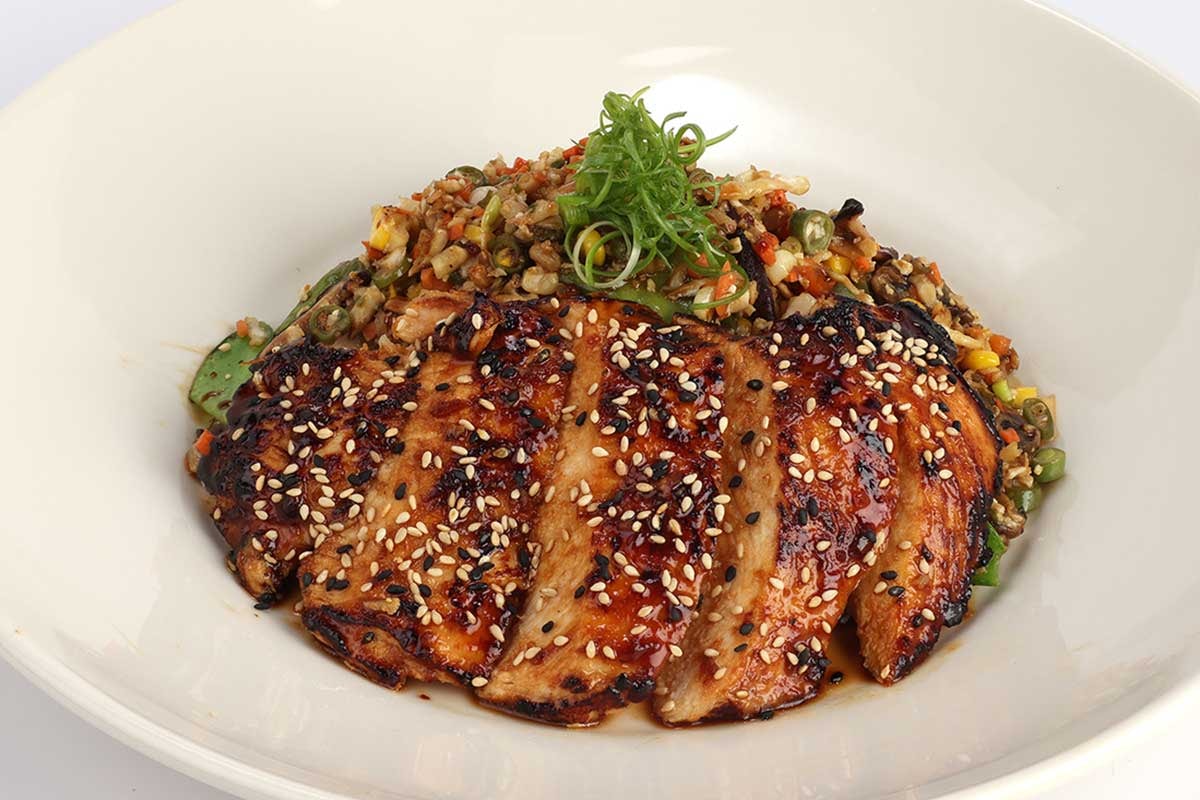
Got 30minutes, a pan, and a craving for something sweet, spicy, and proteinpacked? Heres the fastest gochujang chicken bowls recipe that hits all those notes no fluff, just the bowl youll actually eat tonight.
Well walk you through the sauce, the perfect chicken cuts (breast vs. thighs), veggie boosts, and how to mealprep the bowl for the whole week. Ready? Lets dig in.
Why Gochujang Bowls?
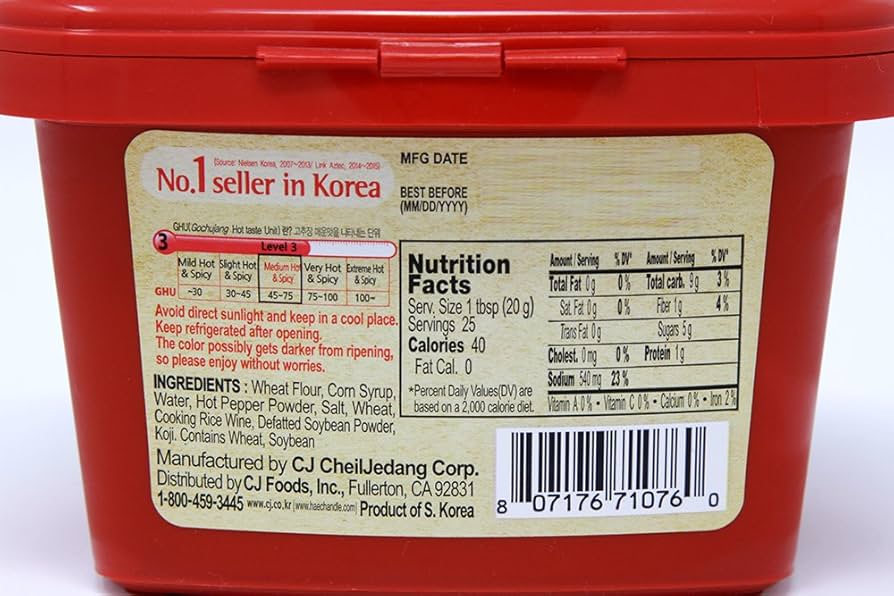
Gochujang isnt just another Asian condiment; its a fermented redpepper paste that brings together sweet, salty, umami, and a gentle heat. That flavor combo makes it a natural match for chicken, letting the meat stay juicy while the sauce clings to every bite.
But, like any tasty thing, theres a balance. The benefits include a good protein punch from chicken, probiotics from the fermented paste, and antioxidants from the veggies youll toss in. On the flip side, gochujang can be high in sodium, so if youre watching your salt intake, youll want to keep an eye on portions.
| Sauce | Sweetness | Heat (Scoville) | Sodium (mg/tbsp) |
|---|---|---|---|
| Gochujang | Mediumhigh | 1,0002,000 | 210 |
| Soyginger glaze | Low | 0 | 100 |
| Sriracha | Lowmedium | 2,5005,000 | 190 |
According to the USDA, a tablespoon of gochujang carries roughly 210mg of sodiumabout 9% of the daily recommended limit for most adults. Knowing this helps you decide how much sauce to use without oversalting.
Choosing the Chicken
When it comes to gochujang chicken bowls, the cut you pick changes the entire game. Heres a quick rundown:
- Chicken breast lean, quick to cook, but can dry out if overcooked. Great if you like a firmer bite.
- Chicken thighs a little fattier, staying juicy even after a highheat sear. Ideal for a more forgiving, succulent bowl.
- Ground chicken mixes well with the sauce, turning the bowl into a spicy meatball experience.
Chef Jin Lee, a veteran of Seouls streetfood scene, swears by thighs for bowls because the extra fat locks in moisture while the gochujang does its magic. If youre short on time, boneless, skinless thighs give you the best of both worlds.
Gochujang Marinade
All the flavor lives in the marinade. Whisk together the following and let your chicken soak for at least five minutes (or overnight for deeper taste):
- 2tbsp gochujang
- 1tbsp lowsodium soy sauce
- 1tbsp honey or maple syrup
- 1tsp rice vinegar
- 2cloves garlic, minced
- 1tsp freshly grated ginger
- tsp sesame oil (optional)
The honey balances the heat, while the rice vinegar brightens the whole mixture. If youre watching sugar, swap the honey for a splash of agave or a pinch of stevia.
StepbyStep Recipe
Prep (15minutes)
- Mix the gochujang chicken marinade in a bowl.
- Cut 1lb chicken thighs into bitesize pieces.
- Toss the chicken in the sauce; let it sit while you prep the veggies.
- Rinse 2cups of jasmine or shortgrain rice (or quinoa for a lowercarb option).
Cook the Chicken (10minutes)
Heat a large skillet over mediumhigh heat. Add a drizzle of oil, then spread the marinated chicken in an even layer. Let it sizzle without moving for 23minutesthis creates a caramelized crust. Flip and cook another 34minutes, stirring occasionally, until the sauce thickens and coats the pieces.
Assemble the Bowl (5minutes)
Fluff the cooked rice and place a generous scoop in each bowl. Top with the sticky gochujang chicken, then add your favorite fresh or cooked veggies:
- Steamed broccoli florets
- Quickpickle cucumber ribbons (vinegar, a pinch of sugar, and a dash of chili flakes)
- Shredded carrots
- Avocado slices for creaminess
Finish with a sprinkling of sesame seeds, a drizzle of extra gochujang sauce if you like it hotter, and a few sprigs of cilantro for color.
| Step | Action | Time |
|---|---|---|
| 1 | Mix gochujang, soy, honey, garlic, ginger | 2min |
| 2 | Marinate chicken | 5min (or overnight) |
| 3 | Cook rice | 15min |
| 4 | Sear chicken in skillet | 8min |
| 5 | Assemble bowls with toppings | 5min |
Variations & Swaps
If you love the base idea but want to shake things up, here are a few quick tweaks:
- Grain base: Swap rice for cauliflower rice, quinoa, or even cooked soba noodles if you crave a different texture.
- Protein swap: Use tofu, pork tenderloin, or shrimp; just adjust cooking time accordingly.
- Spice level: Add tsp crushed red pepper flakes for medium heat, or a full teaspoon plus a dash of cayenne for a serious kick.
- Sweetness control: Reduce honey to tbsp or replace it with a splash of orange juice for a citrus note.
Whether you call it a gochujang chicken rice bowl or a spicy chicken rice bowl recipe, the core technique stays the samemarinate, sear, and layer with bright vegetables.
Meal Prep & Storage
This recipe makes about four generous bowls (roughly 400kcal each). If you love leftovers, heres how to keep them safe and tasty:
- Refrigerate: Store the saucecoated chicken and cooked rice in separate airtight containers. Theyll stay fresh for up to four days.
- Freeze: The chicken freezes beautifully for up to two months. Thaw overnight in the fridge, then reheat in a skillet with a splash of water to revive the glaze.
- Reheat: Microwave for 12minutes, stirring halfway, or quickly toss in a hot pan for extra crispness.
- Keep veggies crunchy: Add raw or quickpickled veggies just before serving to avoid sogginess.
A quick anecdote: I made three batches on a Sunday, portioned everything into mason jars, and saved myself $20 and three hours of cooking during the week. The sauce never lost its zing thanks to that simple separation trick.
Nutrition & Health
One serving (one bowl) typically contains:
- 30g protein
- 45g carbs (from rice; lower if you use cauliflower rice)
- 12g fat
- 500kcal
For those on keto, swap the rice for cauliflower rice or shirataki noodles, and youll cut the carbs to under 10g while keeping the bold flavor.
If you need a glutenfree version, replace soy sauce with tamari and thicken the sauce with a pinch of rice flour instead of wheat flour.
Nutrition experts at the CDC remind us that while sodium is essential, most adults should aim for less than 2,300mg per day. By controlling the amount of gochujang and pairing the bowl with plenty of veggies, you stay within a healthy range.
Final Thoughts
Gochujang chicken bowls are a fast, flavorful way to get protein, veggies, and that irresistible sweetspicy kickall in one pan. Remember the key takeaways: choose the right cut of chicken (thighs for juiciness, breast if you prefer lean), balance the sauce with a touch of honey and vinegar, and feel free to swap grains or proteins to match your dietary needs.
Give it a try tonight, and let me know how you personalized the bowlmaybe you added kimchi for extra tang, or a squeeze of lime for bright acidity? Id love to hear your twists. Happy cooking, and may your bowls always be deliciously balanced!
FAQs
How long should I marinate the chicken for optimal flavor?
For a quick boost, marinate the chicken at least 5 minutes. For deeper flavor, cover and refrigerate for 30 minutes to overnight.
Can I use chicken breast instead of thighs?
Yes – chicken breast works if you keep the cooking time short to avoid drying out. Slice it thinly or pound it for even cooking.
What can I substitute if I don’t have gochujang?
Mix 1 tbsp miso paste, 1 tbsp chili garlic sauce, and 1 tsp honey. Adjust salt and heat to taste for a similar sweet‑spicy profile.
How should I store leftovers to keep the bowls fresh?
Separate the sauce‑coated chicken and cooked grain in airtight containers. Store veggies apart; they’ll stay crisp for up to 4 days in the fridge.
How can I make this recipe low‑carb?
Replace the rice with cauliflower rice or shirataki noodles. The rest of the ingredients stay the same, keeping the flavor intact.