Introduction
Mary Berry roasted vegetables are a perfect way to bring out the natural sweetness and earthy flavors of root vegetables. This simple, traditional British roasting method creates crispy edges and tender centers that everyone will love. Whether you want a wholesome vegetarian dinner recipe or a versatile side dish, Mary Berrys vegetable roast recipe will quickly become a favorite. The combination of fresh herbs, just the right heat, and a splash of olive oil makes these roasted vegetables sing.
Key Highlights
Why Mary Berry Roasted Vegetables Are a Game-Changer
Mary Berrys approach to root vegetables roasting ensures you get the best texture and flavor every time. She uses the right mix of carrots, parsnips, and onions seasoned with rosemary and olive oil, then roasts them at 200C (400F). This high temperature brings a golden caramelized crust, balancing crispness with a soft, tender inside. Many people find this method elevates simple ingredients into an extraordinary dish.
Perfect Balance of Crisp and Tender Texture
The key to Mary Berry roasted vegetables is the roasting temperature and vegetable cut size. Roasting at 200C enables the natural sugars in root vegetables to caramelize while keeping the interior soft and juicy. The crispy roasted vegetable benefits go beyond taste: the delightful texture contrast makes the dish exciting to eat. This method avoids common roasted vegetable mistakes like sogginess or uneven cooking.
Versatility for Dinner and Leftovers
This roasted vegetable mix complements roast meats, fish, or makes a satisfying vegetarian main when served with grains or lentils. Leftovers intensify in flavor and can be reheated in the oven for that beloved crispiness. You can even add them to a salad or pasta for a quick meal boost. This recipe fits perfectly into meal prep routines or cozy weeknight dinners.
Who Should Use Caution
Some may need to adjust fiber or seasoning levels, especially those with digestive sensitivities. Because this recipe relies heavily on root vegetables, it is wise to consult a medical professional if you have allergies or specific health concerns.
Ingredients & Preparation
Recipe Card Quick Reference
| Prep time | Cook time | Total time | Servings | Calories | Diet tags |
|---|---|---|---|---|---|
| 15 minutes | 35 minutes | 50 minutes | 4 | ~150 per serving | Vegetarian, Gluten-Free, Dairy-Free |
Full Ingredient List with Substitutions
- 3 medium carrots (can substitute sweet potatoes or parsnips)
- 2 parsnips (turnips add a sharper flavor)
- 1 large red onion, cut into wedges
- 2 tbsp olive oil (avocado oil offers a higher smoke point)
- 1 tsp dried rosemary (fresh rosemary preferred if available)
- Salt and freshly ground black pepper to taste
- Optional: 1 tbsp balsamic vinegar for finishing glaze
Equipment Needed
A large roasting tray with sides or baking sheet, a sharp vegetable knife, and a mixing bowl. While not essential, an oven thermometer will help maintain an accurate roasting temperature and consistent results.
Tips for Choosing Ingredients
Pick firm, brightly colored root vegetables without any soft spots or blemishes. Organic produce enhances flavor but properly washed conventional vegetables work well too. Fresh rosemary adds a richer aroma compared to dried herbs.
Step-by-Step Instructions
Step 1 Prep Your Vegetables
Wash and peel the carrots and parsnips. Cut the carrot and parsnip pieces into uniform chunks approximately 2 inches long. Peel the onion and separate into thick wedges. Keeping the vegetable pieces a consistent size is vital to prevent uneven roasting.
Step 2 Roast at 200C (400F) for 35 Minutes
Preheat your oven to 200C (400F). In a bowl, toss all vegetables with olive oil, rosemary, salt, and pepper. Spread them evenly in a single layer on the roasting tray, avoiding overcrowding. Roast for 35 minutes, stirring once halfway through to brown the vegetables evenly.

Step 3 Optional Finishing Touch
After roasting, toss the vegetables with a tablespoon of balsamic vinegar if you want a tangy glaze. Finish with an extra grind of black pepper to enhance the earthy flavors. This step adds brightness without overpowering the natural sweetness.
Step 4 Serve Immediately or Store
Serve your Mary Berry roasted vegetables warm alongside your favorite protein or grains. Cool leftovers quickly and transfer to an airtight container to refrigerate for up to 4 days. Reheat in an oven to regain crisp texture.
Variations & Substitutions
Popular Variations
Try adding cubed sweet potatoes for a sweeter taste or crumble feta cheese on top for a savory twist. For a vegan option, keep the seasoning simple with just olive oil and herbs.
Ingredient Swaps
If you dont have rosemary, substitute with thyme or oregano for a different herb flavor. Red onion can be swapped for shallots for a milder, sweeter side note.
Adjusting Flavor Profiles
To add subtle heat, sprinkle smoked paprika before roasting. For extra caramelization and depth, add a teaspoon of brown sugar or honey to the vegetable mixture.
Storage & Shelf Life
Refrigerator Storage
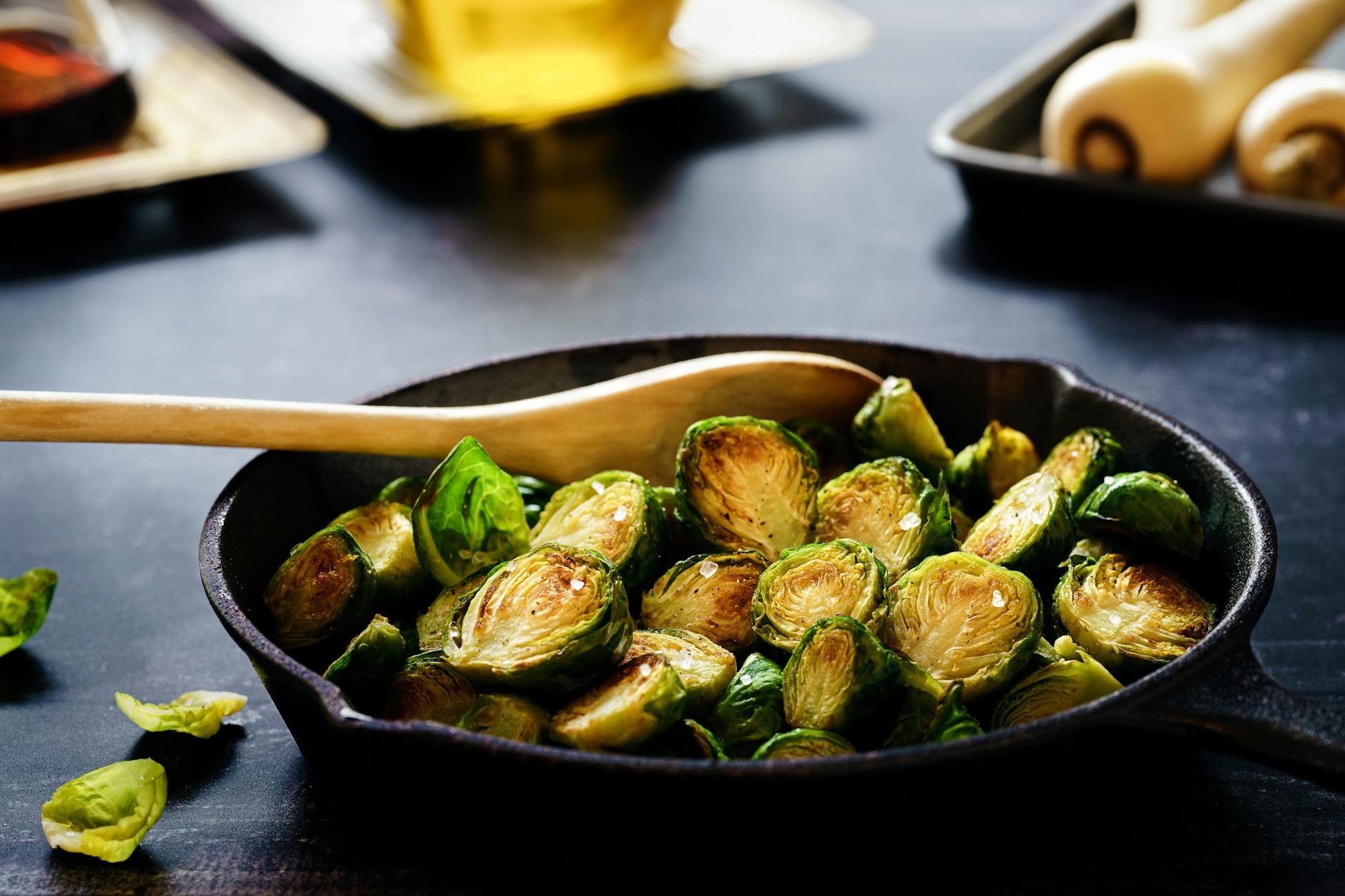
Store roasted vegetables in a sealed airtight container for up to 4 days. Reheat in the oven at 180C (350F) for 1015 minutes to maintain crisp edges.
Freezer Option
Spread cooled vegetables on a tray and freeze for 12 hours. Transfer frozen pieces into freezer bags for up to 3 months. Thaw overnight in the refrigerator and reheat in the oven for 1520 minutes.
Make-Ahead Batch Tips
Double the recipe for meal prep convenience. Use shallow airtight containers and label with the date. For optimum taste and texture, consume within 4 days when refrigerated.
Pro Tips & Troubleshooting
Practical Tips for Best Results
Bring vegetables to room temperature before roasting. A hot oven ensures caramelization rather than steaming. Tossing halfway through cooks your vegetables evenly and prevents burnt spots. Avoid crowding the pan; it traps steam, producing soggy vegetables instead of crispy ones.
Why It Might Not Look or Taste Right
If your roasted vegetables look pale, the oven temperature is probably too low or the pan too crowded. Bitter flavors often come from over-roasting or burnt edgestrim those blackened parts, lower cooking temperature, or reduce cooking time accordingly.
Expert Upgrade
For an extra flavor boost, sprinkle flaky sea salt immediately after roasting. This adds crunch and enhances the natural sweetness of the vegetables. A quick fresh black pepper grind just before serving unlocks vibrant aroma and layers the taste.
When is the best time to eat Mary Berry roasted vegetables?
Mary Berry roasted vegetables are best enjoyed hot as a dinner side dish, right out of the oven. The crispy texture and golden color are at their peak freshly roasted. While leftovers taste great, reheating in the oven rather than microwave preserves the delicious crispiness.
Can I make a big batch ahead of time?
Yes, you can roast a larger batch and store it in the refrigerator for up to 4 days. Keep leftovers in airtight containers and reheat in the oven at 180C (350F) to restore crispness. This makes meal planning easier during busy weeks.
Fresh vegetables or frozen which works better?
Fresh root vegetables provide the best texture and flavor for roasting. Frozen vegetables often release more moisture, which can lead to steaming rather than roasting, resulting in softer, less crispy vegetables. For roasting, fresh is best.
Is this safe for pregnant women or children?
This recipe is generally safe for pregnant women and children when vegetables are cooked thoroughly. Root vegetables are nutritious and mild in flavor. Always consult a healthcare provider for individual dietary restrictions or allergies.
How often should I eat roasted vegetables?
Including roasted vegetables like this recipe regularly is excellent for a balanced diet. Aim to enjoy roasted root vegetables several times a week to benefit from their fiber content, vitamins, and antioxidants.
Why do my roasted vegetables taste bitter?
Bitterness usually results from over-roasting or charring. High heat can quickly burn natural sugars in the vegetables. Ensure you check the oven temperature and stir the vegetables halfway through. Trim any blackened edges before serving.
What pairs well with Mary Berry roasted vegetables?
This dish pairs wonderfully with grilled chicken, baked fish, or even hearty lentil stew. Creamy grains like risotto or polenta complement the earthy flavors and provide a satisfying vegetarian dinner recipe option.
More Recipes You Will Love
For another comforting side, try our roasted vegetables: jamie oliver recipe, which features a different approach to root vegetables roasting with bold herbs.
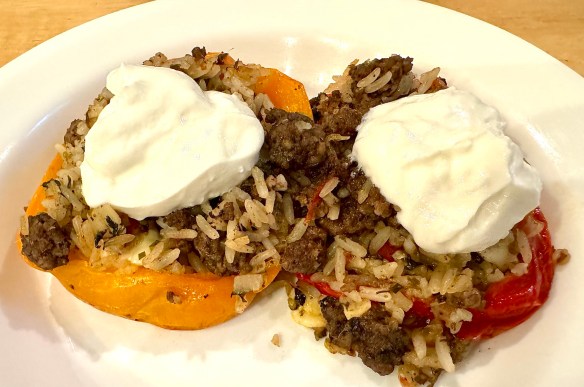
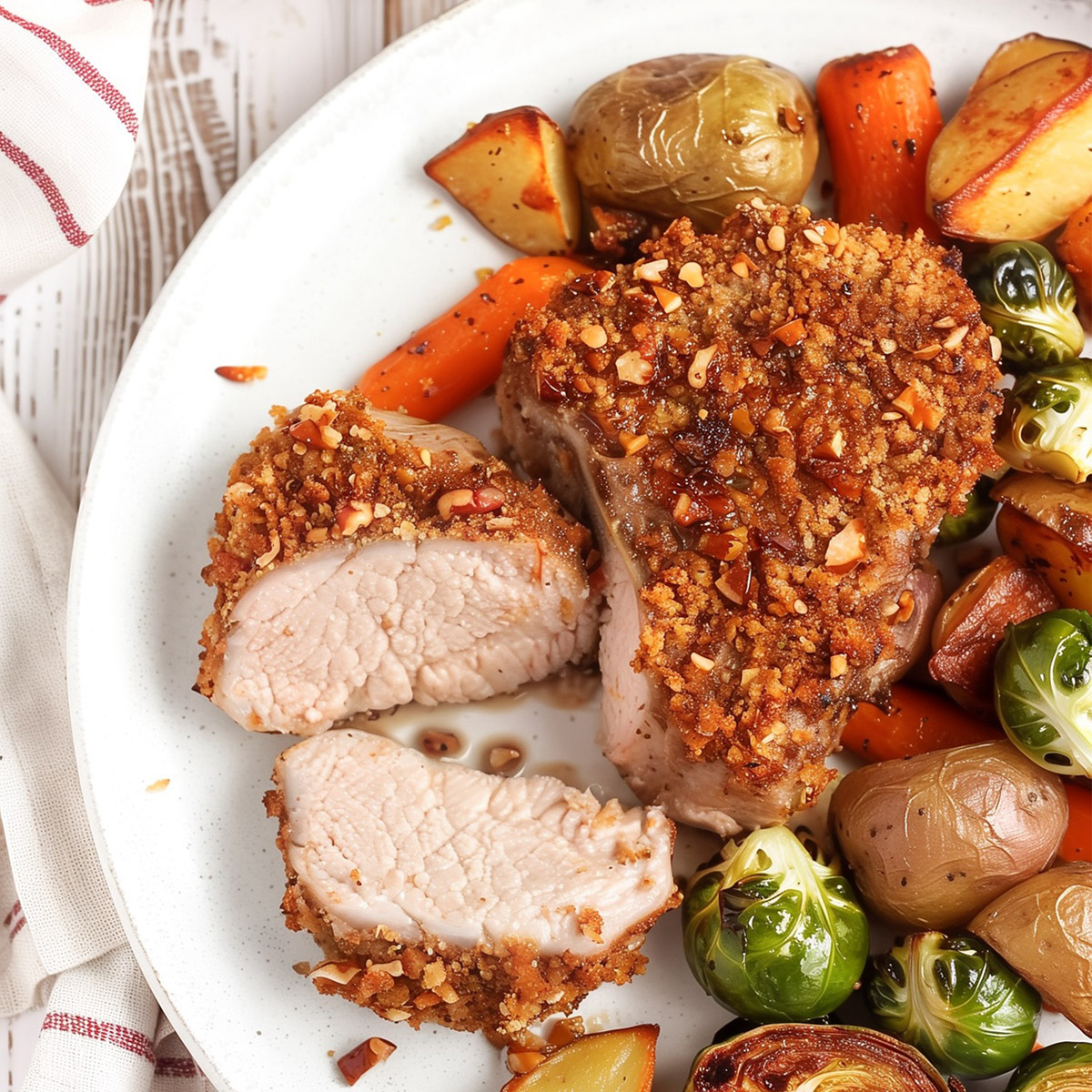
Looking for a complete meal? The Spanish crispy pork chops with rice 7442919 pairs beautifully with roasted vegetables for a hearty dinner.
If you want to explore healthy weeknight meals, see our guide on Can a diabetic eat spaghetti and meatballs for balanced options with protein and vegetables.
Conclusion
Mary Berry roasted vegetables bring simple, authentic flavors to your plate. This recipe uses a traditional British roasting method to achieve an irresistible crispy exterior and tender interior. Its a straightforward way to upgrade your dinners with minimal effort and maximum taste. Give this recipe a try, and let us know how you like to vary it. Your next favorite veggie side is waiting.
FAQs
When is the best time to eat mary berry roasted vegetables?
Mary Berry roasted vegetables are best enjoyed hot, right out of the oven, when their crispy texture and golden color are at their peak. Reheating leftovers in the oven helps retain their crispiness and flavor.
Can I make a big batch of Mary Berry roasted vegetables ahead of time?
Yes, you can prepare a larger batch and store it in an airtight container in the refrigerator for up to 4 days. Reheat in the oven at 180°C for 10–15 minutes to restore crispness before serving.
Are fresh or frozen vegetables better for this recipe?
Fresh root vegetables are preferred for roasting because they provide better texture and flavor. Frozen vegetables may release extra moisture, causing steaming instead of roasting, which results in softer, less crispy vegetables.
Is the Mary Berry roasted vegetables recipe safe for pregnant women and children?
This recipe is generally safe when vegetables are cooked thoroughly. Root vegetables are nutritious and mild, but consult a healthcare provider for any specific allergies or dietary restrictions before serving.
Why do my roasted vegetables sometimes taste bitter?
Bitterness often comes from over-roasting or charring at high temperatures. To avoid this, check the oven temperature, avoid overcrowding, stir halfway through cooking, and trim any blackened edges before serving.