Introduction
The key benefit of cooking with a cast iron shallow casserole
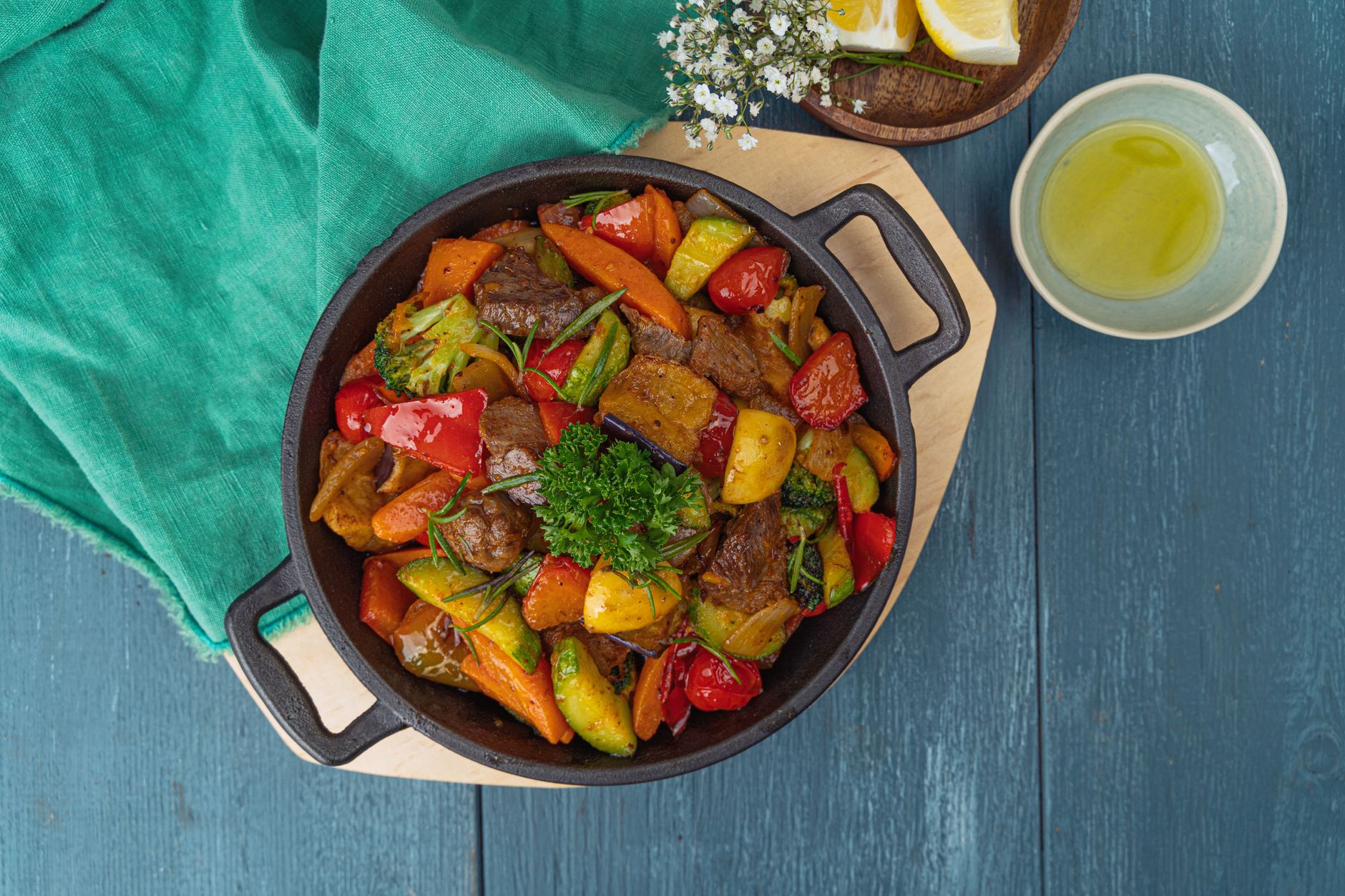
Using a cast iron shallow casserole is a game changer for dinner. It delivers even heat that locks in rich flavors, perfect for crispy dinner casserole results. The shallow design helps liquids evaporate quickly, creating a golden crust thats hard to beat. You‘ll get that satisfying sizzle and aroma of restaurant-quality cooking right in your kitchen.
Who this recipe is for
This recipe suits everyonefrom beginner cooks wanting an easy weeknight meal to seasoned home chefs exploring cast iron cooking techniques. If you prefer gluten-free casserole recipes or follow paleo diets, this dish fits seamlessly. Its especially handy when you want a low-effort, high-flavor dinner with minimal cleanup.
What makes this version unique
Unlike heavier, deeper pots, this version uses a shallow casserole to enhance crispness and cut down on sogginess. The recipe carefully balances moisture and seasoning to avoid common cast iron seasoning problems like sticking or uneven heating. Its simple, foolproof, and highlights the shallow casserole benefits with step-by-step instructions.
Key Highlights of Cast Iron Cooking
Even heat retention for enhanced flavor and texture
The cast irons natural ability to retain heat helps everything cook steadily. This means juices stay locked inside ingredients while the edges brown beautifully. The oven-baked casserole method produces a crispy top and tender inside every time. Its why cast iron casserole recipes are often the secret behind unbeatable flavor.
Versatility for various cooking methods
Whether searing on the stovetop or finishing in the oven, cast iron shallow casserole cookware excels. It handles both heat sources evenly, so you can build flavor without transferring pans. This versatility saves time and keeps your kitchen tidy.
Caution for seasoning maintenance
Acidic foods cooked for long periods can wear down your pans seasoning. To avoid common cast iron seasoning problems, use care with tomatoes or vinegar-heavy ingredients. Regular seasoning maintenance prevents rust and sticking, ensuring each meal turns out as intended.
Ingredients & Preparation
| Prep time | Total time | Servings | Calories | Diet |
|---|---|---|---|---|
| 15 mins | 50 mins | 4 | ~450 kcal | Gluten-Free, Paleo option |
Full ingredient list with exact quantities and substitutions
- 1.5 lbs boneless chicken thighs (sub: firm tofu for vegetarian)
- 2 cups chopped bell peppers
- 1 cup cherry tomatoes
- 1 medium onion, sliced
- 2 cloves garlic, minced
- 1 tsp smoked paprika
- 1/2 tsp salt (adjust to taste)
- 1/4 tsp black pepper
- 1 tbsp olive oil (or avocado oil)
- Fresh herbs (parsley or cilantro) for garnish, optional
For substitutions, use sweet potatoes instead of bell peppers for a sweeter twist, or cauliflower rice to keep it low-carb.
Equipment needed
A 10-inch cast iron shallow casserole works best here. Its low sides promote evaporation and browning compared to deeper Dutch ovens. Youll also want an oven-safe spatula and heat-resistant gloves to maneuver safely.
Tips for choosing the best quality ingredients
Pick fresh, organic vegetables for vibrant flavor and maximum nutrients. Pasture-raised chicken enhances tenderness and taste. Avoid frozen produce unless specifically noted, as excess moisture can hinder crust formation in your casserole.
Step-by-Step Instructions
Step 1 Prep the ingredients
Wash all vegetables well. Slice the onion into thin rings, halve the cherry tomatoes, and cut chicken thighs into roughly 1-inch cubes to ensure even cooking. Leave bell peppers unpeeled and chop into bite-sized pieces.
Step 2 Sear and cook on stovetop at medium-high heat for 10 minutes
Heat olive oil in your cast iron shallow casserole over medium-high heat until shimmering. Add chicken pieces in a single layer without crowding. Sear for 5 minutes without moving, letting a crispy crust form. Stir once, then add onions and garlic. Cook another 5 minutes until onions soften and garlic is fragrant.

Step 3 Transfer to oven at 375F for 25 minutes, add remaining veggies
Spread bell peppers and cherry tomatoes evenly over the chicken. Sprinkle paprika, salt, and pepper on top. Place casserole uncovered in a 375F (190C) oven. Bake for 25 minutes to allow the flavors to meld and the top to develop a golden, crispy finish.
Step 4 Serve or store immediately
Remove from oven and let rest 5 minutes to set juices. Garnish with fresh herbs before serving. If storing leftovers, cool completely and transfer to airtight containers. Refrigerate up to 4 days or freeze following guidelines below.
Variations & Substitutions
Popular dietary variation Paleo or vegetarian versions
For Paleo-friendly meals, swap dairy (if used) with coconut milk or skip dairy entirely. Vegetarians can substitute chicken with firm tofu or roasted chickpeas to keep the dish hearty and protein-rich.
Ingredient swaps and expected results
Zucchini works well in place of bell peppers but tends to soften more. Swapping fresh smoked paprika with dried spices may lower overall brightness but yields a deeper, earthier flavor. Adjust seasoning accordingly.
Adjusting flavor intensity
Crank up smoked paprika or add chili flakes for a smoky heat. Lower salt or choose low-sodium broth to reduce sodium. Fresh lemon juice added before serving can brighten up richer casseroles.
Storage & Shelf Life
Refrigerator Store in airtight glass container up to 4 days
After cooling, seal your casserole tightly in an airtight container. Consume within 4 days for best taste and safety.
Freezer Portion into freezer-safe containers or bags, freeze up to 3 months
Divide leftovers into meal-sized portions in BPA-free containers or freezer bags. Label with date. Thaw overnight in the fridge and reheat in a 350F oven until hot throughout.
Make-ahead batch tips
Double the recipe to bake two pans at once or assemble uncooked casseroles and refrigerate covered for up to 12 hours before baking. This way, dinner is ready with minimal prep on busy nights.
Pro Tips & Troubleshooting
Practical technique tips
Preheat your cast iron cookware gradually to prevent warping and uneven heating. After washing, wipe a thin layer of oil on the surface to avoid rust and staining. Crowding the pan traps moisture, so arrange ingredients in a single layer for a crisp crust.
Why it might go wrong + quick fixes
Soggy casserole? Excess moisture is usually the culpritpat vegetables dry before cooking. Pale color signals low heat or insufficient seasoningraise oven temperature slightly or add more spices. If you taste bitterness, burnt garlic may be the cause; reduce cooking time for garlic or lower stove heat.
Expert upgrade
Add a half teaspoon of kosher salt halfway through baking to draw out moisture and enhance flavors naturally without overpowering the dish. This technique also helps maintain crispness.
When is the best time to eat cast iron shallow casserole?
This casserole shines at dinner, offering a warm, satisfying meal with crispy edges and juicy protein. Serve hot right after baking for the best texture. Pair with a fresh salad or crusty bread for a complete, comforting dinner.
Can I prepare a big batch ahead of time?
Absolutely. This recipe scales beautifully. You can pre-assemble and refrigerate uncooked casserole up to 12 hours before baking it fresh. Or bake multiple casseroles and freeze leftovers for quick meals later.
Should I use fresh or dried smoked paprika?
Fresh ground smoked paprika delivers brighter, more aromatic flavor. Dried paprika is convenient and shelf-stable but has a subtler, earthier taste. Either works welljust adjust quantity to your preference.
Is this recipe safe during pregnancy or for children?
Yes, provided the chicken is cooked thoroughly to an internal temperature of 165F (74C). Reduce salt if cooking for young children. Avoid very spicy variations if sensitive. Always check with your healthcare provider if unsure.
How often can I eat casserole like this?
Enjoy it two to three times per week as part of a balanced diet. Vary your vegetables and protein to maintain nutritional diversity. This dish fits well into gluten-free casserole recipes for routine meals.
Why might mine taste bitter?
Bitter notes usually stem from overcooked or burnt garlic and spices. Lower heat or shorten garlic cooking time. Use fresh garlic when possible to avoid harsh flavors.
What pairs well with cast iron shallow casserole?
Roasted vegetables, steamed greens, or a crisp light salad make excellent sides. A fruity white wine or sparkling water with lemon complements the rich, smoky flavors beautifully.
More Recipes You Will Love
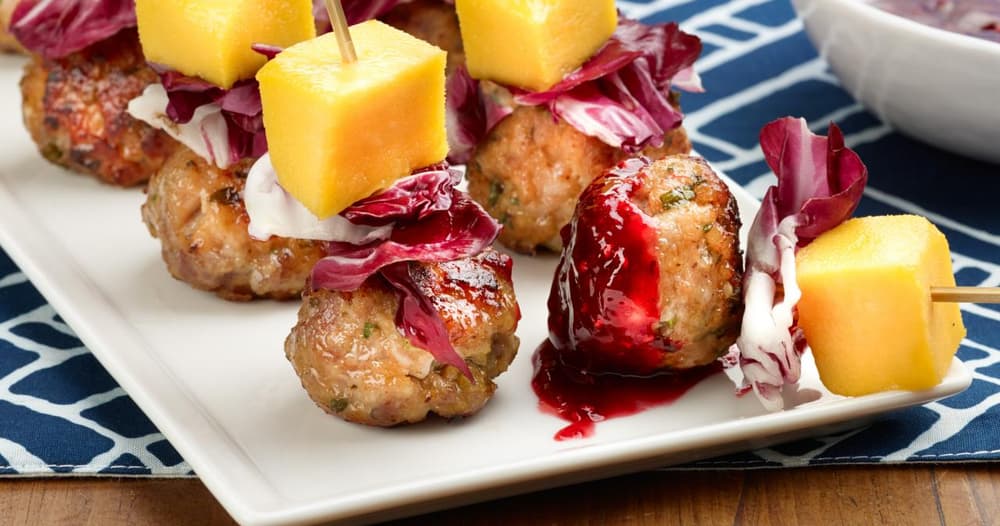
Try our shallow casserole dish recipes for a variety of easy, crispy casseroles perfect for any night of the week. For something different, check out the New zealand venison sliders with tomato chile jam recipe 2111895a flavorful twist on classic sliders. Or savor the bold flavors of the Cider brined grilled stuffed pork chops recipe 1948774 for a special occasion.
Conclusion
This cast iron shallow casserole recipe delivers crispy crusts and juicy interiors that make dinner feel effortless and elevated. The shallow cookware design and careful seasoning combine for rich, savory results youll want again and again. Try it tonight, then share your thoughts or a star rating below. For more delicious comfort, explore our classic chicken casserole recipe next.
FAQs
When is the best time to eat cast iron shallow casserole?
This casserole is best enjoyed at dinner, providing a warm, satisfying meal with crispy edges and juicy protein. Serve immediately after baking for optimal texture and flavor.
Can I prepare a big batch of cast iron shallow casserole ahead of time?
Yes, you can pre-assemble and refrigerate the casserole for up to 12 hours before baking or freeze leftovers. This makes meal prep easy for busy nights or multiple servings.
Should I use fresh or dried smoked paprika in the recipe?
Fresh smoked paprika offers a brighter, more aromatic flavor, while dried paprika is convenient with a deeper, earthier tone. Both work well; adjust amounts to your taste.
Is this cast iron shallow casserole recipe safe for children and pregnancy?
Yes, as long as chicken is cooked to an internal temperature of 165°F (74°C). Reduce salt for young children and avoid overly spicy additions. Consult a healthcare provider when in doubt.
What causes a bitter taste in a cast iron shallow casserole and how can I fix it?
Bitter flavors usually come from burnt garlic or overcooked spices. Lower the stove heat, shorten garlic cooking time, and use fresh garlic to avoid harsh bitterness in your casserole.