Wondering whether to toss thyme or rosemary onto that juicy steak sizzling in your pan? The short answer: thyme is the subtle sidekick that hugs the meat from the getgo, while rosemary shines when you add it at the very end for a bright, piney punch. Both herbs can make a great steak, but using them at the right momentand in the right amountmakes all the difference.
Stick with me, and Ill walk you through why each herb works, how to pair them with different cuts, and share a few kitchen tricks Ive learned the hard way (trust me, Ive burnt a few steaks before I got it right). By the end youll know exactly which herb to reach for, how to use it, and even how those same herbs can jazz up lamb, chicken, or potatoes.
Quick Verdict
Thyme the steakfriendly herb
Fresh thyme has a gentle, earthy aroma that blends perfectly with beefs rich, savory notes. Because its oils are delicate, thyme can be added earlyright when you start searingso the flavor infuses the meat without overpowering it.
Ideal timing
Drop a few sprigs into the pan with butter or oil, and baste the steak for the last 23 minutes of cooking. Reddit threads (like steak reddit) consistently recommend this earlystage thyme boost.
Rosemary bold but best at the finish
Rosemarys piney, resinous character can dominate a steak if you let it cook too long. Its perfect for a final flourishthink a quick herbkiss just before you pull the steak off the heat.
Ideal timing
Lay a small sprig on the hot meat for 30 seconds, or toss it into a butter sauce right at the end. This gives you that aromatic snap without the bitterness that can sneak in when rosemary cooks for too long.
Using Both the one at a time rule
If youre feeling adventurous, you can combine them, but keep them separate: thyme during the sear, rosemary at the finish. That way each herb gets to play its role without stepping on the others toes.
Practical combo method
Start your steak in a hot pan, add a pat of butter and a handful of fresh thyme. When the steak is threequarters done, remove it, lay a rosemary sprig on top, and let it melt into the juices while the meat rests.
Flavor Chemistry
Aromatic compounds
Thymes star player is thymol, a light, slightly peppery molecule that dissolves quickly in heat. Rosemary, on the other hand, boasts camphor and rosmarinic acid, which are more robust and can become bitter if overcooked.
Interaction with the Maillard reaction
The Maillard reaction creates that beautiful crust on a steak. Thymes gentle oils help lock in moisture, giving you a juicy interior, while rosemarys stronger volatiles can accelerate browningbut only if introduced at the end, preserving the meats tenderness.
Expert insight
According to a study published in Food Chemistry, both herbs possess antioxidant properties that can actually protect meat proteins during highheat cooking (see USDA Food Composition Database for detailed nutrient breakdown).
StepbyStep Cooking
PanSeared Steak with ThymeButter Baste
This is my goto method for a quick weeknight dinner.
Ingredients
- 1inch thick ribeye or sirloin
- Salt & pepper
- 2Tbsp butter
- 23 sprigs fresh thyme
- 1 clove garlic, smashed (optional)
Method
- Pat the steak dry, season generously with salt and pepper.
- Heat a castiron skillet over mediumhigh heat until its smoking hot.
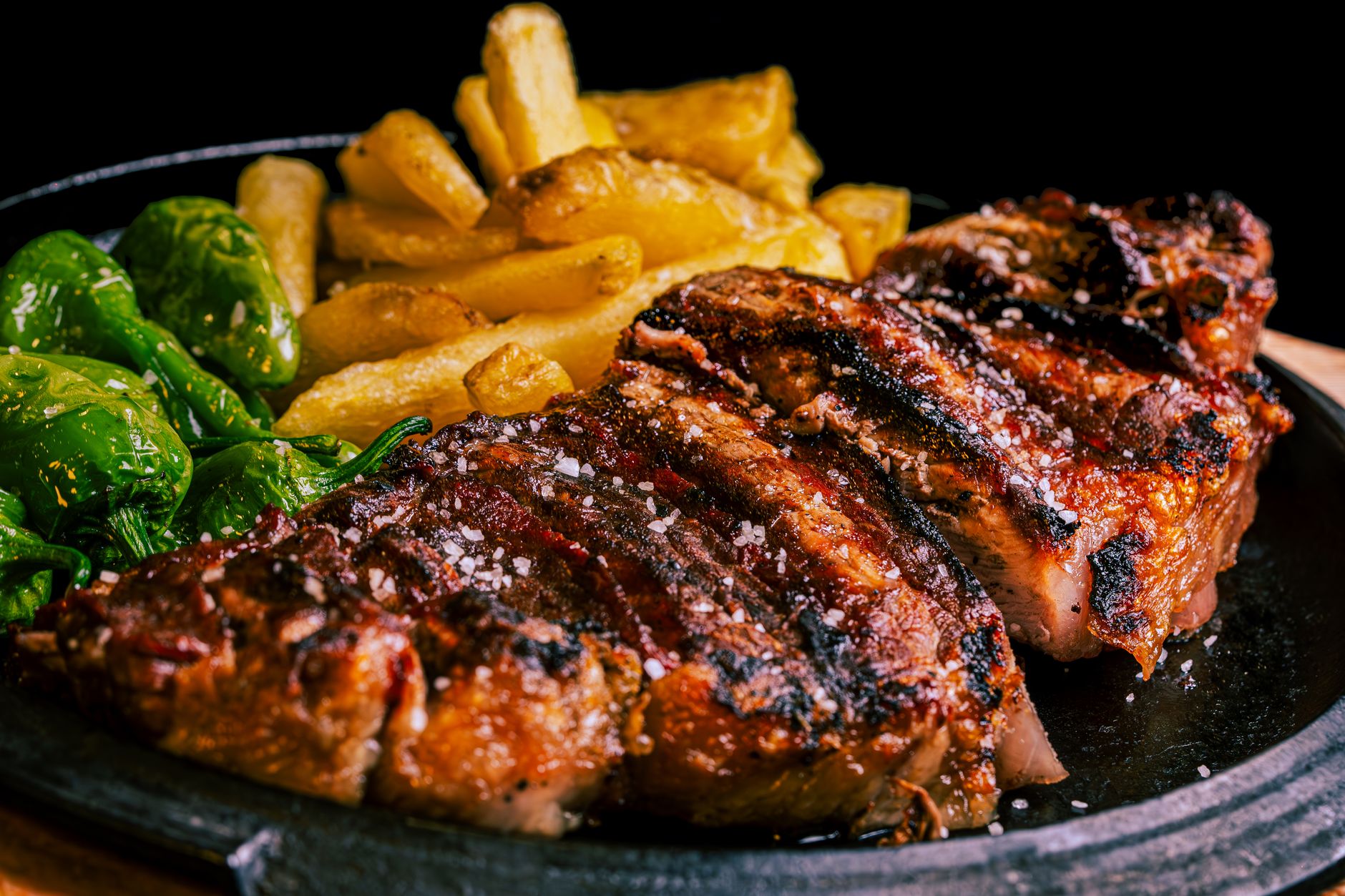
- Add a splash of oil, then lay the steak down. Sear 23minutes per side for mediumrare.
- Reduce heat to medium, add butter, thyme, and garlic. Tilt the pan and use a spoon to baste the steak continuously for another 23minutes.
- Remove the steak, let it rest for 5minutes (the thyme flavor will keep developing), then slice against the grain.
Pro tip: I once left the thyme in the pan a minute too long and the flavor turned a touch bitter. Now I always add it right when the butter melts.
Grilled Steak Finished with Rosemary
Great for outdoor cookouts where you want that smoky edge.
Ingredients
- 2inch thick New York strip
- Olive oil, salt, pepper
- Fresh rosemary sprig
Method
- Brush the steak lightly with olive oil, season.
- Preheat the grill to high heat; sear each side 34minutes.
- When the steak is about twothirds cooked, place a rosemary sprig on top and close the lid for 30seconds.
- Remove, rest for 5minutes, then enjoy the fragrant herb kiss.
SousVide Steak + Herb Infusion (for the experimental cooks)
If youve got the gear, this method guarantees perfect doneness.
Timing & Safety
Vacuumseal the steak with a thyme bundle (no more than 5g fresh thyme). Cook at 55C (131F) for 1hour. After waterbath, sear quickly in a hot pan, then finish with a rosemary flash for 20seconds. This keeps the thyme subtle while giving the rosemary a final aromatic burst.
Frequently Asked Questions (Featured Snippets)
Can I use dried thyme or rosemary?
Absolutely. Dried herbs are more concentrated, so use about onethird the amount of fresh. Because dried thyme rehydrates slower, add it early; dried rosemary works best at the end, just like fresh.
Which herb works best with different steak cuts?
Lean cuts such as flank or sirloin benefit from thymes subtlety, while heavily marbled cuts like ribeye can stand up to rosemarys boldness. The extra fat renders a richer flavor that balances rosemarys pine notes.
What do chefs and Redditors say?
Most seasoned cooks (see a thread on r/steak) advise the oneatatime approach: thyme during the sear, rosemary at the finish. The consensus is that this maximizes flavor without overwhelming the meat.
Can the same herbs be used for chicken, lamb, or potatoes?
Definitely! Thyme pairs beautifully with lamb and roasted potatoes, while rosemary is a classic partner for chicken and roasted veggies. The cooking timing follows the same rule: thyme early, rosemary late.
Are there health benefits or risks?
Both herbs are rich in antioxidantsthymol in thyme and rosmarinic acid in rosemaryso they can help combat oxidative stress. However, excessive rosemary (especially oil or essential oil) can be irritating for some people, so a pinch is plenty.
Health Benefits & Safety
Antioxidant & antiinflammatory properties
Research shows thymol can reduce inflammation, while rosmarinic acid has been linked to hearthealthy effects. Including a modest amount of these herbs in your steak not only enhances taste but also adds a nutritional boost.
Potential allergens & overuse cautions
While rare, some individuals may experience mild digestive upset from large quantities of rosemary. Pregnant women should avoid high doses of rosemary essential oil, but using a sprig in cooking is perfectly safe.
Recommended daily intake
About 12grams of fresh herb per serving (roughly a tablespoon of chopped thyme or a small rosemary sprig) aligns with USDA guidelines for herb consumption.
ProChef Tips & Common Mistakes
Overseasoning vs. subtle herb layering
Its easy to think more is better, but a little herb goes a long way. Start with a modest amount; you can always add more after tasting.
Fresh vs. dried potency
Fresh herbs retain bright, volatile oils that evaporate quickly; dried herbs have a deeper, mellow flavor. Store fresh thyme & rosemary in an airtight container in the fridge, or freeze them for up to six months to retain potency.
Mistake #1 Adding rosemary at the start
If you toss whole rosemary sprigs into a pan at the beginning, the heat will release bitter, resinous compounds, leaving a harsh aftertaste. The fix? Save it for the final 30seconds.
Mistake #2 Ignoring cutspecific timing
Thick cuts need longer searing, which means more time for thyme to infuse. Thin cuts (like flank) cook quickly, so youll want to add thyme right at the start and remove it before the steak is done to avoid overpowering the meat.
Putting It All Together
Heres a quick cheatsheet you can keep on your kitchen wall:
| Herb | When to Add | Best Cuts | Amount |
|---|---|---|---|
| Thyme (fresh) | Early during sear | Lean cuts, flank, sirloin | 12tsp chopped |
| Rosemary (fresh) | Late final 30sec | Marbled cuts, ribeye | 1 small sprig |
| Thyme (dried) | Early with oil | All cuts | tsp |
| Rosemary (dried) | Late in butter sauce | All cuts | tsp |
Remember, the goal is balance. Use thyme to build a flavor foundation, then let rosemary add a finishing sparkle. This method works not only for steak but also for lamb, chicken, and even roasted potatoesjust adjust the timing according to the proteins cooking speed.
Conclusion
In a nutshell: thyme is your trusty sidekick that stays with the steak from start to finish, providing a gentle earthiness, while rosemary is the charismatic star that shines at the very end, delivering a bright, aromatic punch. By respecting their individual strengthsand using them one at a timeyoull unlock the full potential of each herb, making every steak (and any other dish you tackle) taste like it was crafted by a seasoned chef.
Now that you have the inside scoop, why not experiment tonight? Grab your favorite cut, pick a herb, and give it a try. And if you ever discover a new twistmaybe a herbbutter blend or a different seasoning comboshare it with friends or write it down for your next culinary adventure. Happy cooking, and may your steaks always be flavorful and perfectly seasoned!
FAQs
When should I add thyme to a steak?
Thyme works best early in the cooking process—add it to the pan with butter or oil while you’re searing so its gentle oils infuse the meat.
Why is rosemary added at the end of cooking?
Rosemary’s strong, piney compounds can become bitter if cooked too long, so a quick flash at the end preserves its bright flavor.
Can I use dried thyme or rosemary instead of fresh?
Yes; use about one‑third the amount of dried herbs. Add dried thyme early, and dried rosemary at the finish just like fresh.
Which herb pairs better with a ribeye versus a sirloin?
Ribeye’s rich marbling stands up to rosemary’s boldness, while leaner cuts like sirloin benefit from thyme’s subtle earthiness.
Are there health benefits to using thyme or rosemary on steak?
Both herbs are rich in antioxidants—thymol in thyme and rosmarinic acid in rosemary—offering anti‑inflammatory and heart‑healthy effects when used in moderation.