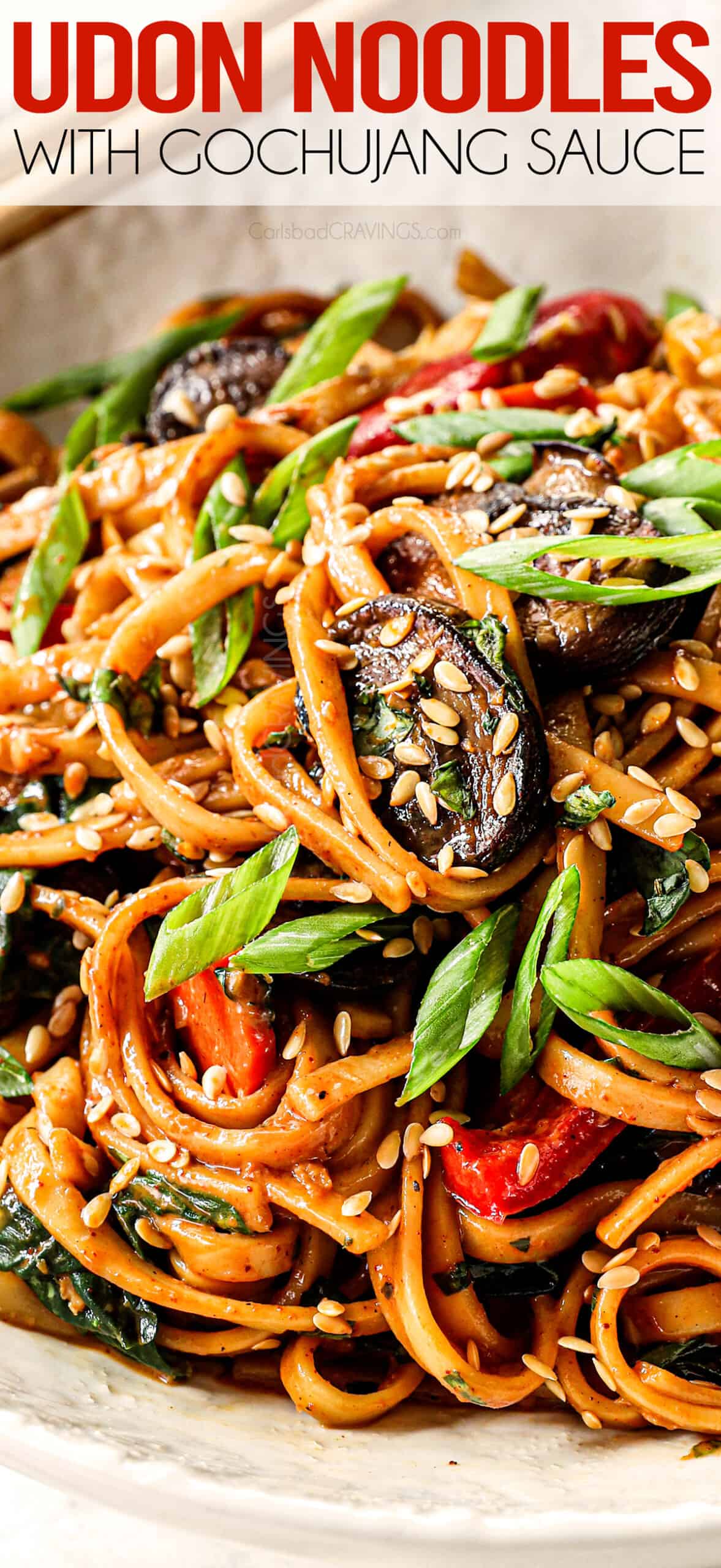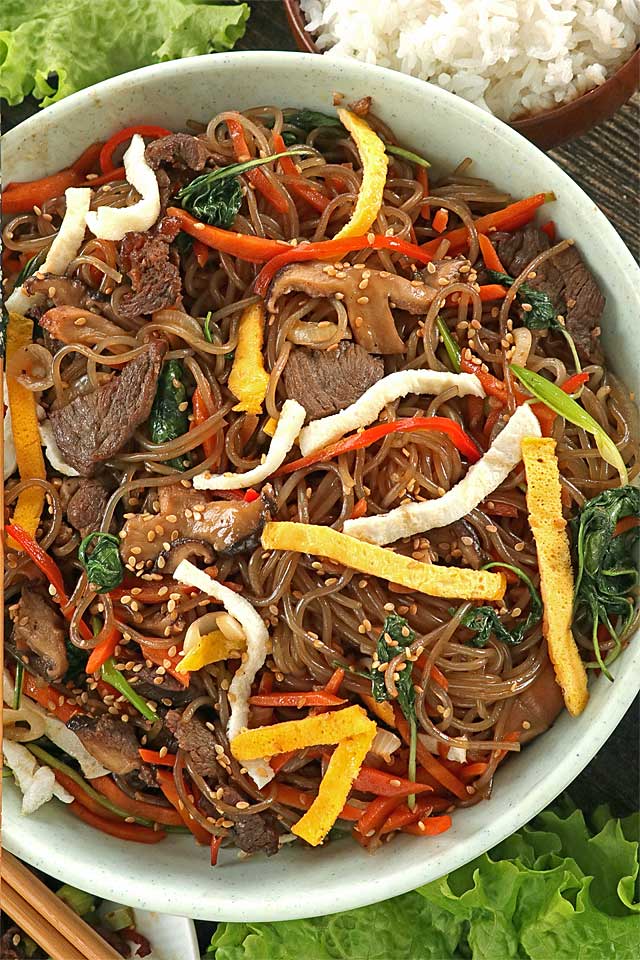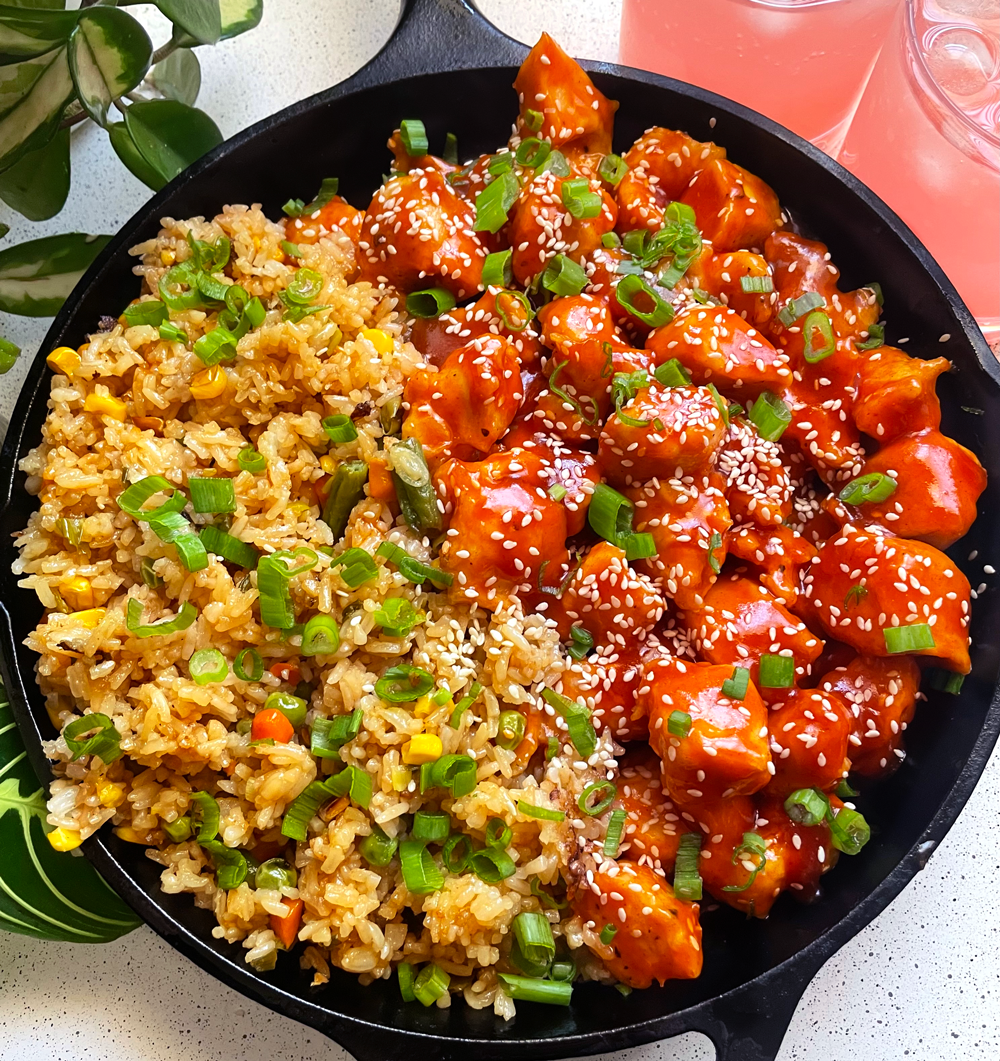
Got a craving for bold Korean flavor but only 20minutes to cook? Toss diced chicken, dayold rice, and a simple gochujangsoysesame sauce together and youve got a satisfying bowl thats ready in a flash.
Heres the exact gameplan ingredients you probably already have, stepbystep instructions, plus swaps for vegans, beef lovers, or mealprep fans. No fluff, just the answer you searched for.
Why This Dish Rocks
First off, the flavor profile is unforgettable: sweetspicy gochujang meets salty soy, finished with nutty sesame. Its the kind of taste that makes your taste buds do a little happy dance.
Beyond the party in your mouth, the dish brings a few health perks. Chicken supplies lean protein, while gochujang a fermented chili paste adds a dose of probiotics and antioxidants. Because were cooking it quickly in a hot wok, the rice stays fluffy and the veggies keep a nice crunch, so you actually get a balanced bite in every forkful.
That said, a quick word about risks. Commercial gochujang and soy sauce can be high in sodium, which might be a concern if youre watching your blood pressure. A simple fix? Cut the soy sauce in half or swap it for a lowsodium version the flavor stayput, the sodium drops.
Nutritionsavvy readers will love that a single serving stays under 500calories while delivering about 28grams of protein. According to the U.S. Food & Drug Administration (FDA), keeping sodium under 2,300mg per day is the general guideline, so our modest 950mg per serving is something many can fit into a balanced day.
Ingredient Checklist Guide
| Category | Item (Main Keyword Focus) | Optional / Substitutes (Related Keywords) |
|---|---|---|
| Protein | 200g chicken breast, diced | gochujang beef fried rice (thinsliced sirloin), gochujang fried rice vegetarian (firm tofu or tempeh) |
| Rice | 2cups cooked, dayold rice | gochujang rice bowl (use a ricecooker method for perfect grains) |
| Sauce | 2Tbsp gochujang, 1Tbsp soy sauce, 1tsp sesame oil, 1tsp sugar, tsp garlic powder | Add ginger or a dash of rice vinegar for brightness (a tip from Food52) |
| Veggies | 3green onions, cup frozen peas & carrots | gochujang rice and egg (add a fried egg on top for extra protein) |
| Finishing | Sesame seeds, sliced chili (optional) |
Quick personal tip: I keep a rack of dayold rice in the fridge. Fresh rice in a stirfry turns soggy, but cold rice stays separate and gives that authentic bokkeumbap texture.
StepbyStep Recipe
Prep the Rice & Chicken
Take your cold rice out of the fridge, break up any clumps with a fork, and let it sit while you work on the protein. A tenminute minimarinade does wonders toss the chicken cubes in 1Tbsp gochujang, 1Tbsp soy sauce, and a pinch of garlic. It adds depth without any extra steps later.
Build the Gochujang Sauce
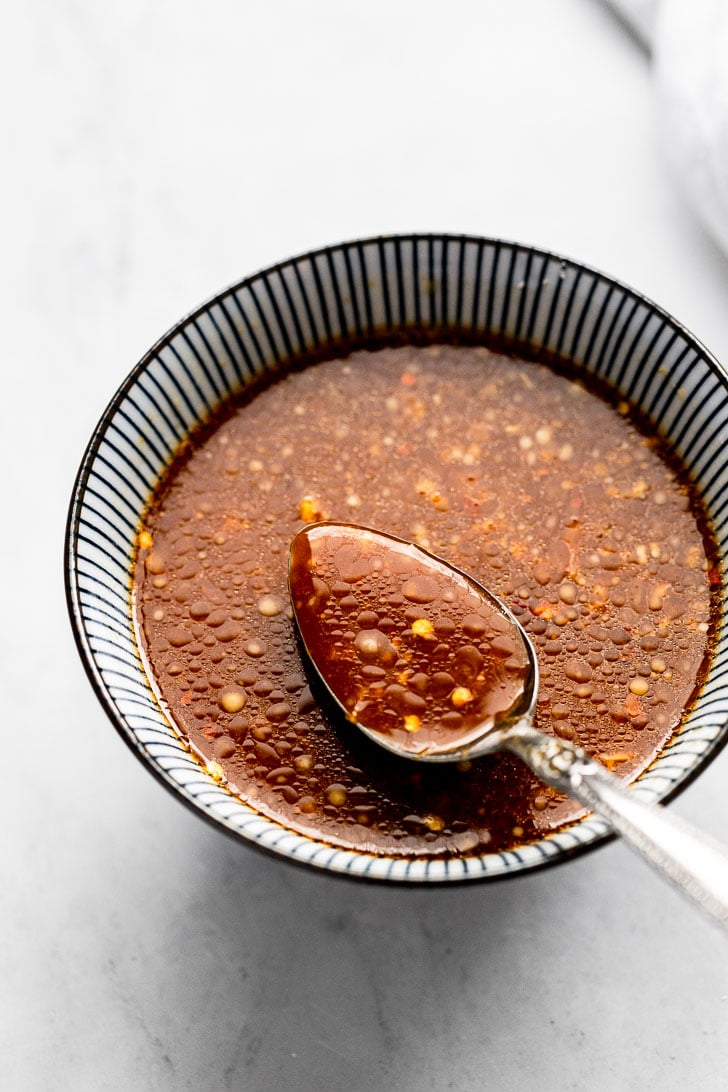
Whisk together the remaining gochujang, soy sauce, sesame oil, sugar, and about cup water. If you like a hint of acidity, splash in a teaspoon of rice vinegar it lifts the whole dish.
StirFry Technique (The Magic Moment)
- Heat a wok or large skillet over high heat, drizzle a little neutral oil, and sear the chicken until its golden brown on the outside but still juicy inside (about 34minutes).
- Add the frozen peas & carrots, stirring for just 30seconds so they stay bright.
- Introduce the rice, breaking up any stubborn clumps, and stirfry for 2minutes. The high heat gives each grain a little toasted flavor.
- Pour the prepared sauce over the mixture, tossing continuously until everything is glossy and evenly coated. Finish with the sliced green onions and a sprinkle of sesame seeds.
Troubleshooting & Pro Answers (FeaturedSnippet Ready)
Rice sticking? Use a nonstick wok or add a splash of water and keep the heat up. Sauce too thick? Thin it with a bit more broth or water. Need more heat? Double the gochujang or stir in a pinch of Korean red pepper flakes (gochugaru).
Video & Social Proof (Boost Authority)
For visual learners, theres a TikTok demo that shows the dayold rice hack in under a minute its a lifesaver for beginners. The same creator also shares a communitytested seasoning mix that adds an extra umami kick.
Customizing the Base
If youre vegetarian, simply swap the chicken for firm tofu, press it to remove excess moisture, and follow the same marinating steps. The tofu will soak up the gochujang sauce beautifully, creating a gochujang fried rice vegetarian version that even meateaters adore.
Beef enthusiasts can replace the chicken with thinly sliced sirloin. The quickcook nature of the wok means the beef stays tender, and you end up with a gochujang beef fried rice thats perfect for a hearty dinner.
Want a quick breakfast spin? Top the fried rice with a sunnysideup egg thats the classic gochujang rice and egg combo you see on Korean street stalls.
For the ultimate handsoff approach, try a onepot ricecooker method: layer the rice, marinated protein, sauce, and a handful of veggies in the cooker, set it, and let it do the work. Youll get the same bold flavor with minimal cleanup a tip that made it onto the gochujang rice bowl trend on Instagram.
Nutrition Snapshot Overview
| Nutrient | Approx. per Serving |
|---|---|
| Calories | 420kcal |
| Protein | 28g |
| Carbohydrates | 55g |
| Fat | 10g |
| Sodium | 950mg (40% DV) |
Values are based on USDA FoodData Central data for each ingredient. For a deeper dive, you can browse the full nutrient breakdown here.
If sodium is a concern, halve the soy sauce or opt for a lowsodium variety. The flavor remains bright thanks to the gochujang and sesame oil.
Common Cooking Mistakes
Overcooked chicken. The highheat wok technique is fast, so resist the urge to keep the chicken in the pan longer than 4 minutes. Overcooking dries it out and steals the juiciness that balances the sauce.
Mushy fried rice. Freshly cooked rice releases steam, which makes the dish soggy. Dayold rice or at least 30minutes of refrigeration gives the grains a firmer texture.
Uneven heat. If the wok cools down after adding the rice, the sauce can pool and become soggy. Keep the heat high and, if needed, add a second splash of oil to maintain temperature.
Storing & Meal Prep
Leftovers love the fridge. Store the fried rice in an airtight container for up to four days. When reheating, add a splash of water or broth and stirfry on medium heat this revives the original fluffiness.
For longer storage, freeze in portionsize bags for up to two months. Thaw overnight in the fridge, then finish the stirfry with a quick splash of broth. The dish retains its bold flavor, making it a reliable grabandgo lunch.
Microwave tip: cover the bowl loosely with a damp paper towel. The steam prevents the rice from drying out, and youll have a hot, satisfying meal in under a minute.
Sources & Further Reading
Creating a trustworthy piece meant leaning on solid sources. The original gochujang fried rice concept comes from the popular food blog The Slim Situation, which walks readers through the classic Korean technique. For saucemaking nuances, Whisk Affair offers a thorough breakdown of timing and ingredient ratios. Community insight, like the Reddit seasoning mix, adds realworld validation its what cooks actually use in their kitchens.
For anyone craving deeper nutritional context, the USDA FoodData Central and FDA sodium guidelines provide the scientific backbone behind the numbers shared above.
Now that youve got the full scoop, its time to fire up that wok and give your taste buds a treat. Whether youre sticking to the chicken version, swapping in tofu, or prepping a batch for the week, the dish is flexible, flavorful, and wonderfully quick.
Enjoy the burst of Korean spice, share your tweaks with friends, and let the gochujang magic become a staple in your weekly menu. Happy cooking!
FAQs
How long does it take to make gochujang chicken fried rice?
From prep to plate, the dish is ready in about 20 minutes, making it perfect for a fast weekday dinner.
Can I use fresh rice instead of day‑old rice?
You can, but freshly cooked rice is more moisture‑rich and can become soggy. If you use fresh rice, spread it on a tray and chill for at least 30 minutes to dry it out.
What can I substitute for chicken in this recipe?
For a vegetarian version, swap the chicken for firm tofu or tempeh. For beef lovers, thinly sliced sirloin works great, and shrimp can be used for a seafood twist.
How can I reduce the sodium content?
Cut the soy sauce in half or use a low‑sodium soy sauce. You can also increase the amount of gochujang, which adds flavor without extra salt.
How should I store leftovers and reheat them?
Keep the fried rice in an airtight container in the fridge for up to four days. Reheat in a hot wok with a splash of water or broth, or microwave covered with a damp paper towel.