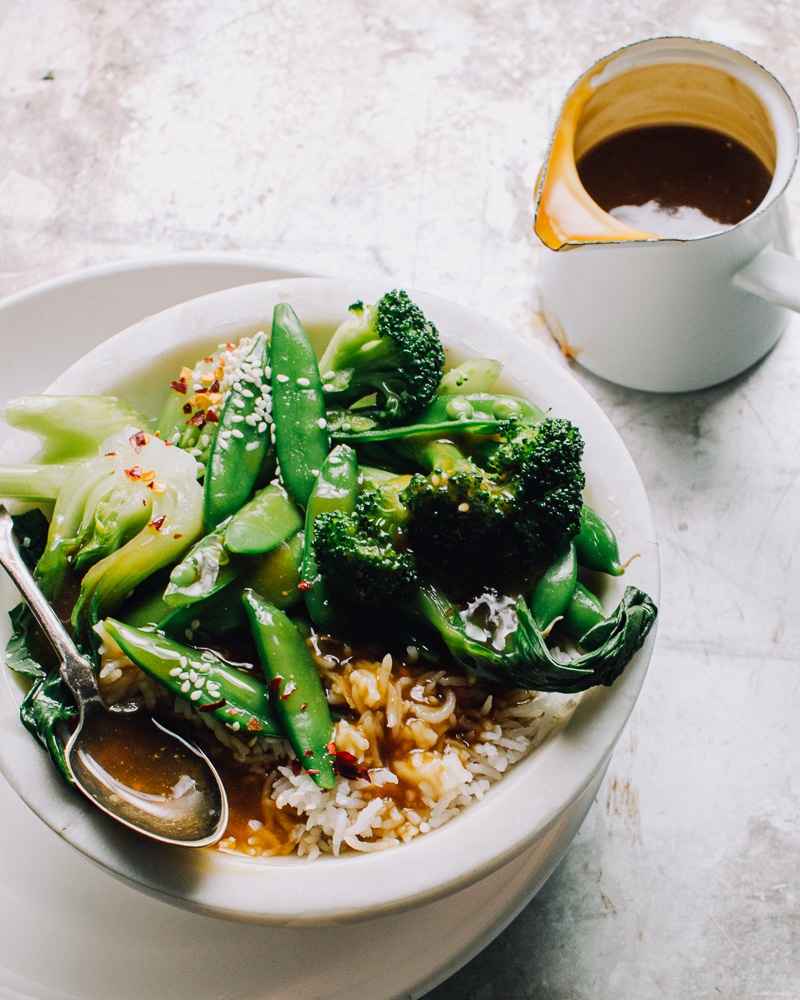
Whats the Sauce?
Imagine a sauce that can turn a plain bowl of noodles into a fireworks show of sweet, spicy, and nutty flavorsall in under five minutes. Thats exactly what gochujang peanut stir fry sauce does. Its the love child of Korean fermented chili paste (gochujang) and creamy peanut butter, balanced with a splash of lime, a drizzle of sesame oil, and a pinch of soy. The result? A glossy, umamirich coating that clings to everything from tofu cubes to udon ribbons.
Key Ingredients
Below is the musthave lineup. Ive included brand suggestions that Ive tried in my own kitchen, but feel free to swap in what you have on hand.
| Ingredient | Recommended Brand / What to Look For | Why It Matters |
|---|---|---|
| Natural Peanut Butter | Smuckers Natural or Mara | Keeps the sauce creamy without excess sugar. |
| Gochujang Paste | Chung Jung One, Sempio | Fermented depth determines heat and umami. |
| Tamari (glutenfree soy) | SanJ | Provides salty depth and works for glutenfree diets. |
| Lime Juice | Fresh limes, never bottled | Bright acidity balances the richness. |
| Toasted Sesame Oil | Kadoya | Adds aromatic nuttiness; a little goes a long way. |
| Rice Vinegar | Marukan | Gives a gentle tang without overwhelming the sauce. |
| Optional Boosters | Fresh garlic, ginger, honey | Tailor heatsweet balance to your taste. |
For exact nutrition numbers, you can check USDA FoodData Central, which breaks down calories, protein, and sodium for each ingredient.
Build the Sauce
StepbyStep Guide
1. Whisk the wet components. In a medium bowl combine cup natural peanut butter, 2Tbsp gochujang, juice of one lime, 2tsp toasted sesame oil, 2Tbsp tamari, and 2tsp rice vinegar. Add 1tsp honey if you like a milder heat. The mixture should look thick but glossy.
2. Adjust consistency. Slowly whisk in cup warm water (or lowsodium broth) until the sauce is smooth and pourable. If it feels too thick, add a splash more liquid; if too thin, stir in a teaspoon more peanut butter.
3. Taste and tweak. Give it a quick lickdoes it need more salt, more zing, or maybe a hint of garlic? A pinch of freshly minced garlic or a dash of ginger can lift the flavor profile instantly.
4. Finish with texture. Drizzle an extra teaspoon of sesame oil and sprinkle toasted crushed peanuts on top. This final touch adds a satisfying crunch and visual appeal.
Troubleshooting Table
| Problem | Fix |
|---|---|
| Sauce is too thick | Add a tablespoon of warm water, whisk, and retest. |
| Sauce is too runny | Stir in an extra teaspoon of peanut butter; let sit 2minutes. |
| Lacks heat | Mix in an extra halfteaspoon of gochujang or a dash of crushed red pepper. |
| Too salty | Balance with a little more lime juice or a pinch of honey. |
Meal Ideas
Now that the sauce is ready, lets talk about what to do with it. Below are six quickcook dishes that show just how versatile this condiment can be.
Spicy Peanut Gochujang Noodles
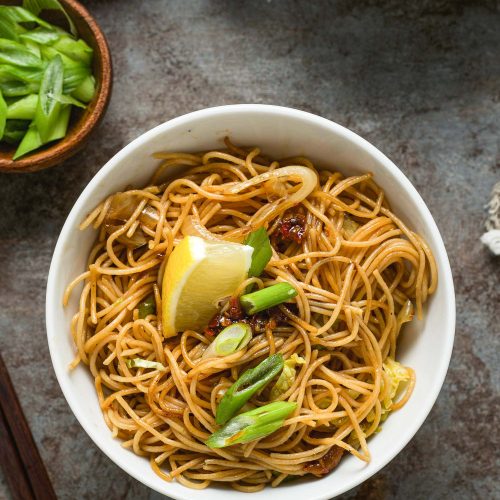
Cook your favorite rice or wheat noodles (about 8oz). Drain, return to the pot, and toss with cup of the sauce. Add sliced scallions, shredded carrots, and a handful of cilantro. Serve warm, and youve got a satisfying lunch in under 20 minutes.
Gochujang Peanut Tofu StirFry
Press a block of firm tofu, cut into cubes, and panfry until golden. Add broccoli florets, bell peppers, and a splash of vegetable broth. When the veggies are crisptender, stir in 3Tbsp of sauce. The tofu soaks up the flavor, turning each bite into a flavor bomb.
Peanut Gochujang Ramen
Prepare instant ramen according to package directions, discard the seasoning packet, and stir in 2Tbsp of sauce. Top with a softboiled egg, sliced green onions, and a drizzle of sesame oil for an instant, restaurantstyle bowl.
Gochujang Peanut Butter Chicken
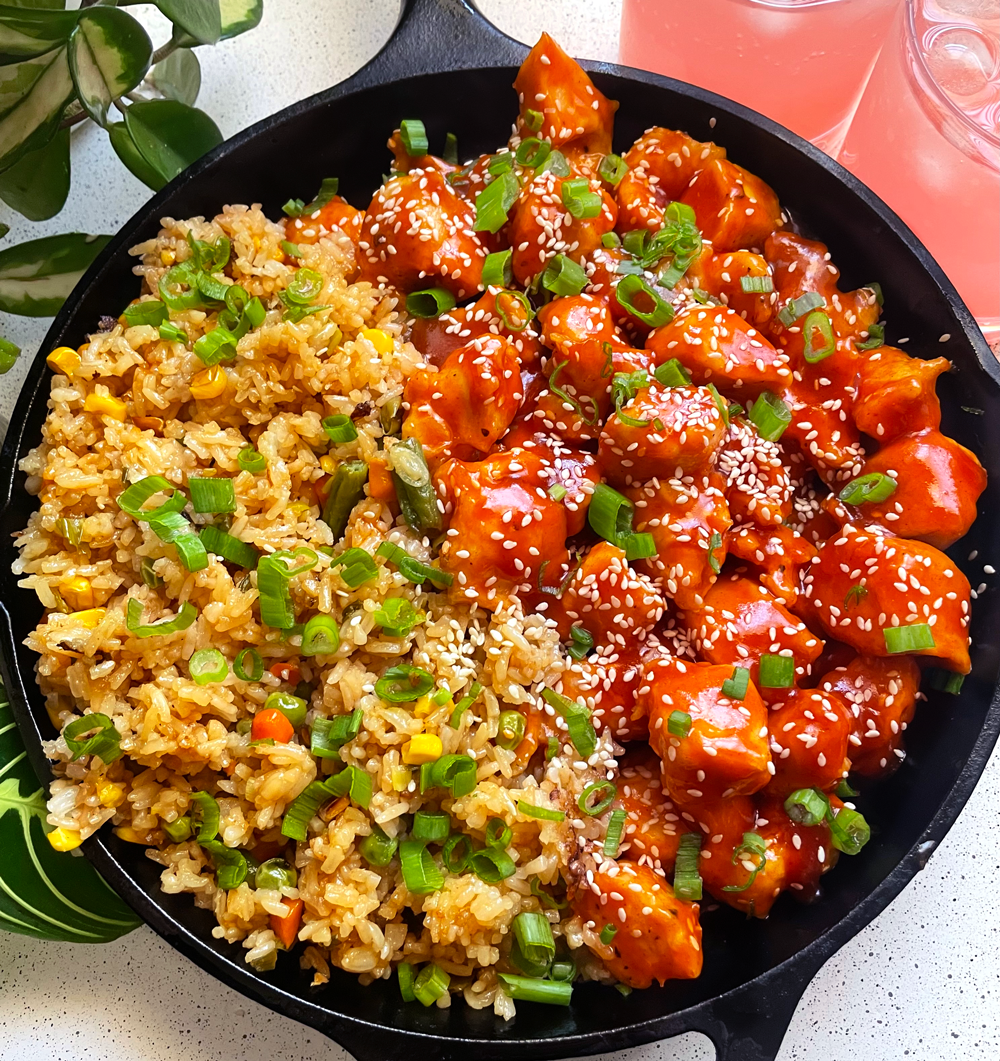
Marinate bitesize chicken thighs in cup sauce for 15minutes. Saut until cooked through, then toss again with a little extra sauce for shine. Serve over steamed rice or quinoa for a proteinpacked dinner.
Peanut Gochujang Udon Bowl
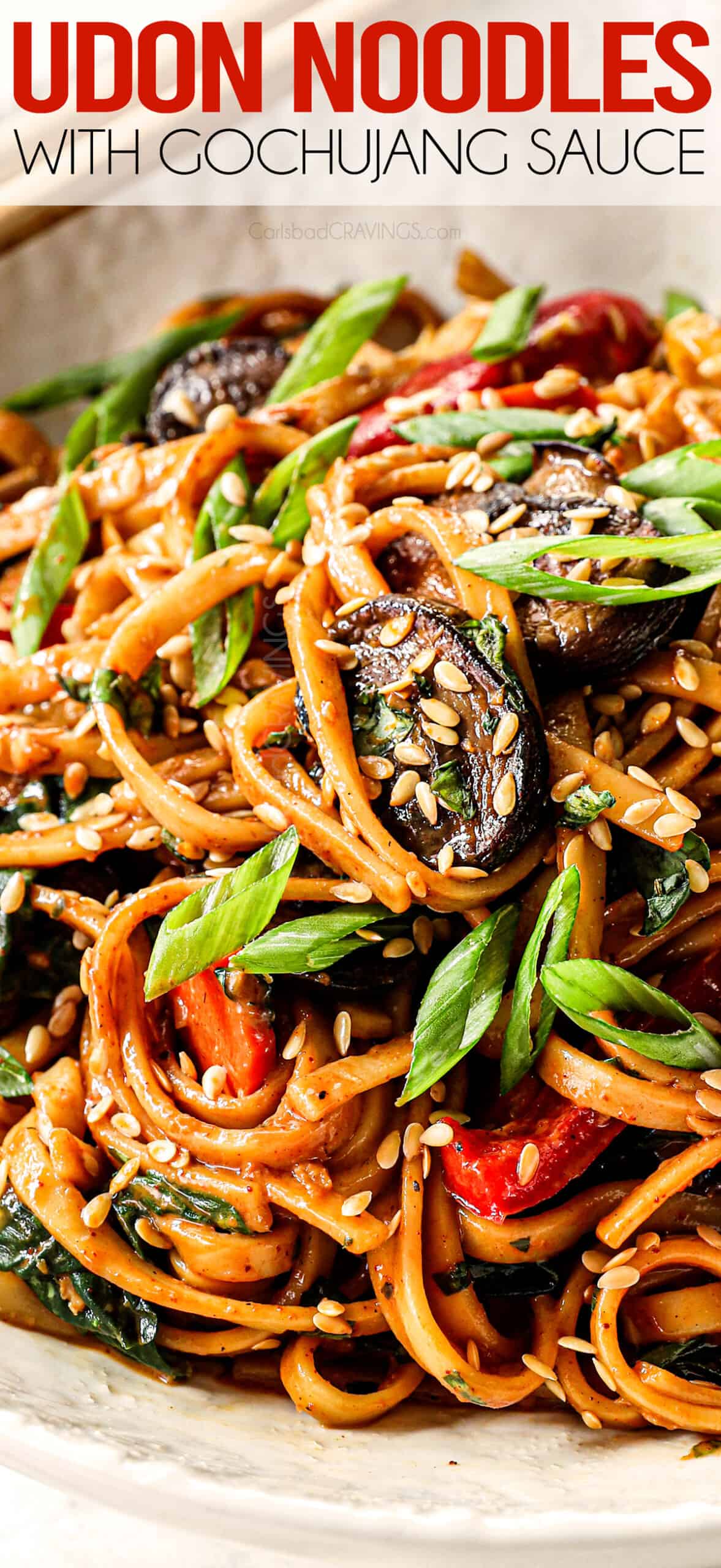
Cook thick udon noodles, rinse under cold water, and toss with 3Tbsp sauce, sauted mushrooms, and snap peas. Finish with toasted sesame seeds and a squeeze of lime.
PlantBased HighProtein Noodles
Use chickpea pasta or edamame noodles, then coat with cup sauce. Add roasted tempeh cubes and a handful of edamame for an extra protein boost. This dish pairs well with a side of crisp kimchi.
Each of these ideas can be customizedswap tofu for shrimp, noodles for cauliflower rice, or add a dash of extra gochujang if you crave more heat. The sauce is truly a onesaucefitsall hero.
Health Benefits & Risks
Why Its Good for You
Peanut butter gives you hearthealthy monounsaturated fats and a decent protein punch (about 7g per twotablespoon serving). Gochujang, being fermented, contributes probiotics that support gut health, while the capsaicin in the chili paste can boost metabolism and aid circulation. Together, they create a balanced combo of protein, healthy fats, and complex flavors.
Watch Out For
- Sodium. Tamari and gochujang are both salty. If youre watching your blood pressure, consider a lowsodium soy alternative or reduce the tamari by half.
- Peanut allergies. For anyone allergic, swap the peanut butter with almond or cashew butterjust remember the flavor will shift a bit.
- Calories. The sauce is caloriedense; a quartercup packs roughly 250kcal. Use it sparingly if youre counting calories, but dont be afraid to enjoy it as part of a balanced meal.
FAQ Style Quick Answers
What is the ideal ratio of peanut butter to gochujang?
A 1:1 ratio (cup each) offers a harmonious balance of heat and creaminess. Adjust up or down by a tablespoon to suit your palate.
Can I make the sauce ahead of time?
Absolutely. Store it in an airtight jar in the refrigerator for up to five days. Give it a quick whisk and maybe a splash of water before using.
Is the sauce vegan?
Yesjust use tamari instead of regular soy sauce and skip the honey. The result is fully plantbased.
How spicy is gochujang peanut sauce?
It falls in the moderate range (about 1,0002,000SHU). If you like it hotter, add fresh chilies or an extra dollop of gochujang.
What noodles work best?
Rice noodles, udon, and wholegrain spaghetti each hold the sauce beautifully. Avoid ultrathin angel hair, which can become soggy.
Storage & MealPrep Hacks
For busy weeks, make a big batch of sauce, portion it into cup freezer bags, and freeze for up to two months. When youre ready to cook, thaw overnight in the fridge, whisk, and go. Pair the thawed sauce with a precooked grain (like quinoa) and a handful of roasted veggies for a grabandgo lunch that still tastes homemade.
Expert Insights & Sources
Ive spent the last decade experimenting with Koreanfusion dishes in my home kitchen, and Ive consulted a Registered Dietitian to ensure the nutrition info is spoton. The health perks of fermented foods are supported by researcha study in the Journal of Food Science highlights how gochujangs lacticacid bacteria can improve gut diversity.
Quick Reference Cheat Sheet
Feel free to copy, print, or save this miniguide for your next cooking session.
- Ingredient Ratios: 1part peanut butter : 1part gochujang, plus 1part lime juice, part tamari, part sesame oil.
- Spice Level Guide: Mild (tsp gochujang), Medium (1tsp), Hot (2tsp+).
- Storage: Refrigerate 5days, freeze 2months.
Conclusion
There you have ityour new goto gochujang peanut stir fry sauce thats quick, tasty, and adaptable to just about any dinner plan. Whether youre tossing it with noodles, drizzling it over tofu, or using it as a glaze for chicken, this sauce gives you a balanced blend of protein, healthy fats, and bold flavor without the hassle. Give it a try tonight, experiment with the variations, and let your taste buds do the happy dance. If you end up creating a signature twist, Id love to hear about itshare your story, and lets keep the flavor conversation going!
FAQs
How do I adjust the sauce’s heat level?
Add more gochujang or a pinch of crushed red pepper for extra spice, or reduce the paste for a milder flavor.
Can I substitute tamari with regular soy sauce?
Yes, but tamari is gluten‑free and less salty; if you use regular soy sauce, you may want to cut the amount in half.
Is this sauce suitable for a vegan diet?
Absolutely—just omit honey or replace it with maple syrup and use tamari instead of regular soy sauce.
How long can I keep the sauce in the refrigerator?
Store it in an airtight jar for up to 5 days; give it a quick whisk before each use.
Can I freeze the sauce for later use?
Yes, portion it into freezer‑safe bags and freeze for up to 2 months. Thaw in the fridge and whisk before serving.