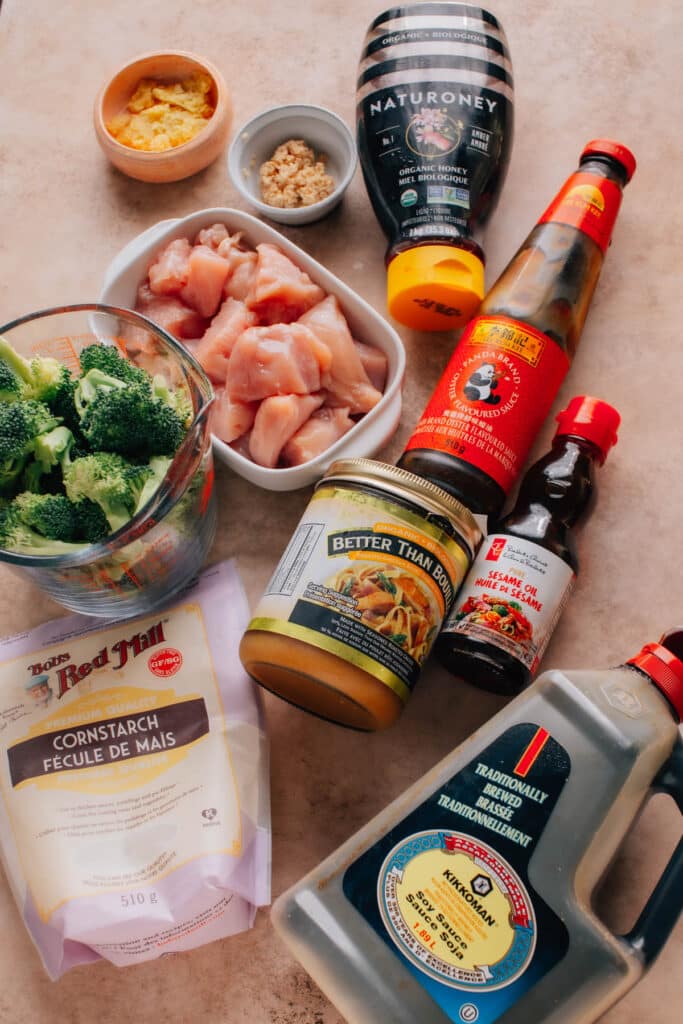
Looking for a way to slap authentic Korean heat onto any stirfry without hunting down obscure ingredients? In just five minutes you can whisk together a Gochujang stir-fry sauce recipe that sings with sweet, salty, and spicy notes, perfect for veggies, chicken, beef, or noodles.
Why bother making it from scratch? Storebought sauces often drown your dish in sugar or salt, and you never know what hidden additives are lurking. By mastering this simple sauce you control the flavor balance, keep the nutrition honest, and get a bragworthy homemade label that will impress anyone at the dinner table.
Why It Works
Core Ingredients
The magic starts with just five pantry staples:
- Gochujang paste a fermented chilipepper paste that delivers deep umami and a gentle heat.
- Soy sauce the salty backbone that ties everything together.
- Rice vinegar (or a splash of lemon juice) bright acidity that cuts through the richness.
- Sweetener honey, maple syrup, or corn syrup, used sparingly to round the edge.
- Sesame oil a nutty finish that makes the sauce feel luxurious.
Each component is easy to find at a typical grocery store, and together they create the unmistakable Korean flavor profile that makes a stirfry unforgettable.
Flavor Balance
Think of the sauce as a musical chord: you need the right ratio of sweet, spicy, and salty. A reliable ruleofthumb is 2 parts gochujang, 1 part soy sauce, part sweetener, and a splash of vinegar. Adjust the heat by adding more gochujang, or the sweetness by drizzling in a bit more honey. The result should hit a pleasant sweet‑heat that makes you want another bite.
Health Benefits & Risks
Fermented foods like gochujang are praised for their probiotic content, which can support gut health. Capsaicin, the compound that gives the sauce its kick, has been linked to a modest boost in metabolism. At the same time, keep an eye on sodium—soy sauce can be a hidden culprit—and watch the added sugar if you're watching calories. According to USDA FoodData Central, a tablespoon of gochujang contains roughly 30 mg of sodium and 5 g of carbs, most of which are sugars. Knowing these numbers lets you tweak the recipe to match your dietary goals.
5Minute Sauce
Ingredient Checklist
Gather the following before you start:
- 2 Tbsp gochujang paste
- 1 Tbsp low‑sodium soy sauce
- 1 Tbsp rice vinegar
- 1 Tbsp honey (or maple syrup for a vegan twist)
- ½ tsp toasted sesame oil
These amounts make enough sauce for a standard 4‑serving stirfry. Want to stretch it for a big family? Double everything—the ratios stay the same.
Optional Variations
If you love extra aromatics, feel free to add a minced clove of garlic or a teaspoon of freshly grated ginger. For a smoky edge, a dash of smoked paprika can be a fun experiment. The sauce is flexible enough to accommodate personal taste while still delivering that signature gochujang punch.
Step‑by‑Step Method
1. Whisk the gochujang, soy sauce, rice vinegar, honey, and sesame oil together in a small bowl until smooth. No blender needed—a fork works just fine.
2. Heat a wok or large skillet over medium‑high heat for about a minute. Add a splash of oil (vegetable or peanut works well) and toss in your protein or vegetables.
3. Pour the sauce over the hot ingredients. Stir constantly for 30 seconds to a minute; the heat will gently thicken the mixture and coat everything evenly.
4. Taste and adjust. If you crave more heat, stir in another half‑teaspoon of gochujang. Too sweet? Add a dash more vinegar. The beauty of this method is that you're in control at every step.
Storage Tips
Transfer any leftover sauce to a clean jar, seal tightly, and refrigerate. It will keep for up to two weeks, and the flavors actually mellow and become more cohesive over time. If you notice any off smell or mold, discard it immediately—food safety first!
Real‑World Uses
Gochujang StirFry Vegetables
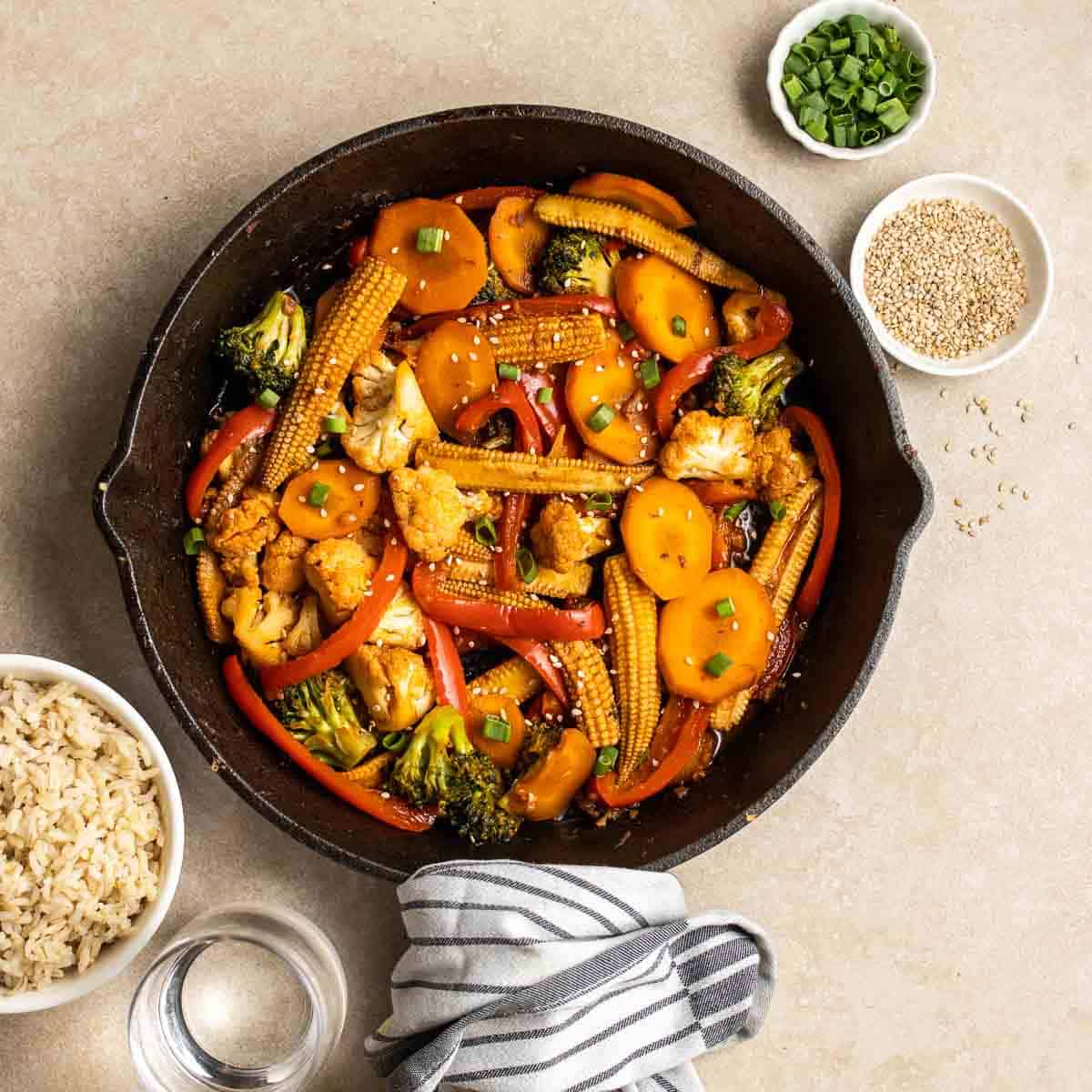
A quick weekday dinner can be as simple as blanching broccoli, bell peppers, and snap peas, then tossing them in the sauce. The result is a glossy, colorful medley that pairs perfectly with a bowl of steamed rice. This is the go‑to gochujang stir fry vegetables combo that even picky eaters tend to love.
Chicken StirFry Noodles
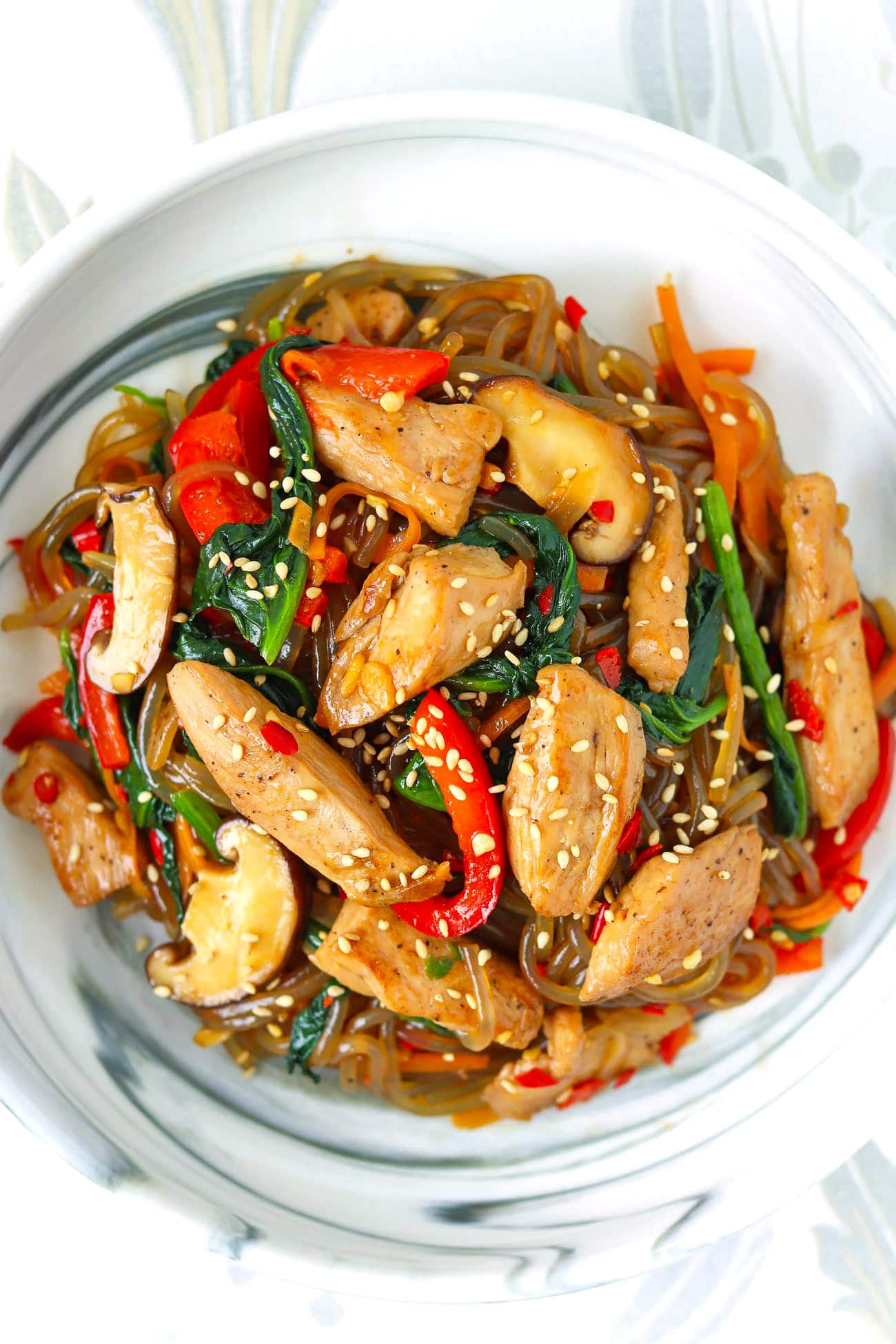
Slice chicken breast into thin strips, sear them until golden, then add cooked udon or rice noodles. Finish with the gochujang sauce and a sprinkle of chopped scallions. The dish hits all the right notes—hearty protein, satisfying carbs, and that unmistakable Korean zing. Its a staple you'll find in many gochujang chicken stir fry noodles searches.
Beef & Broccoli
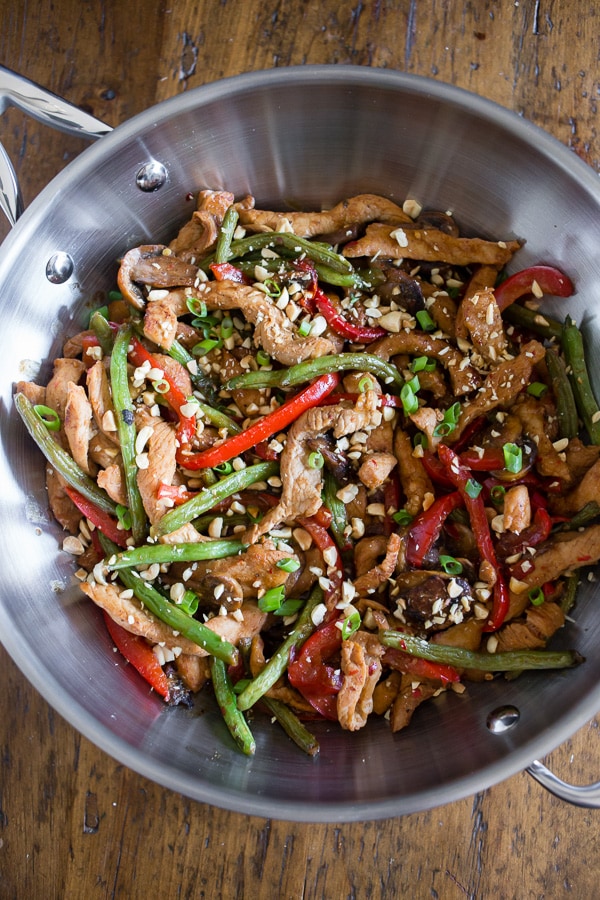
Marinate thinly sliced flank steak in half the sauce for 15 minutes, then stir‑fry with broccoli florets. The remaining sauce, added at the end, creates a glossy glaze that clings to every bite. This is a crowd‑pleasing dinner that feels restaurant‑grade without the price tag.
Noodle Toss
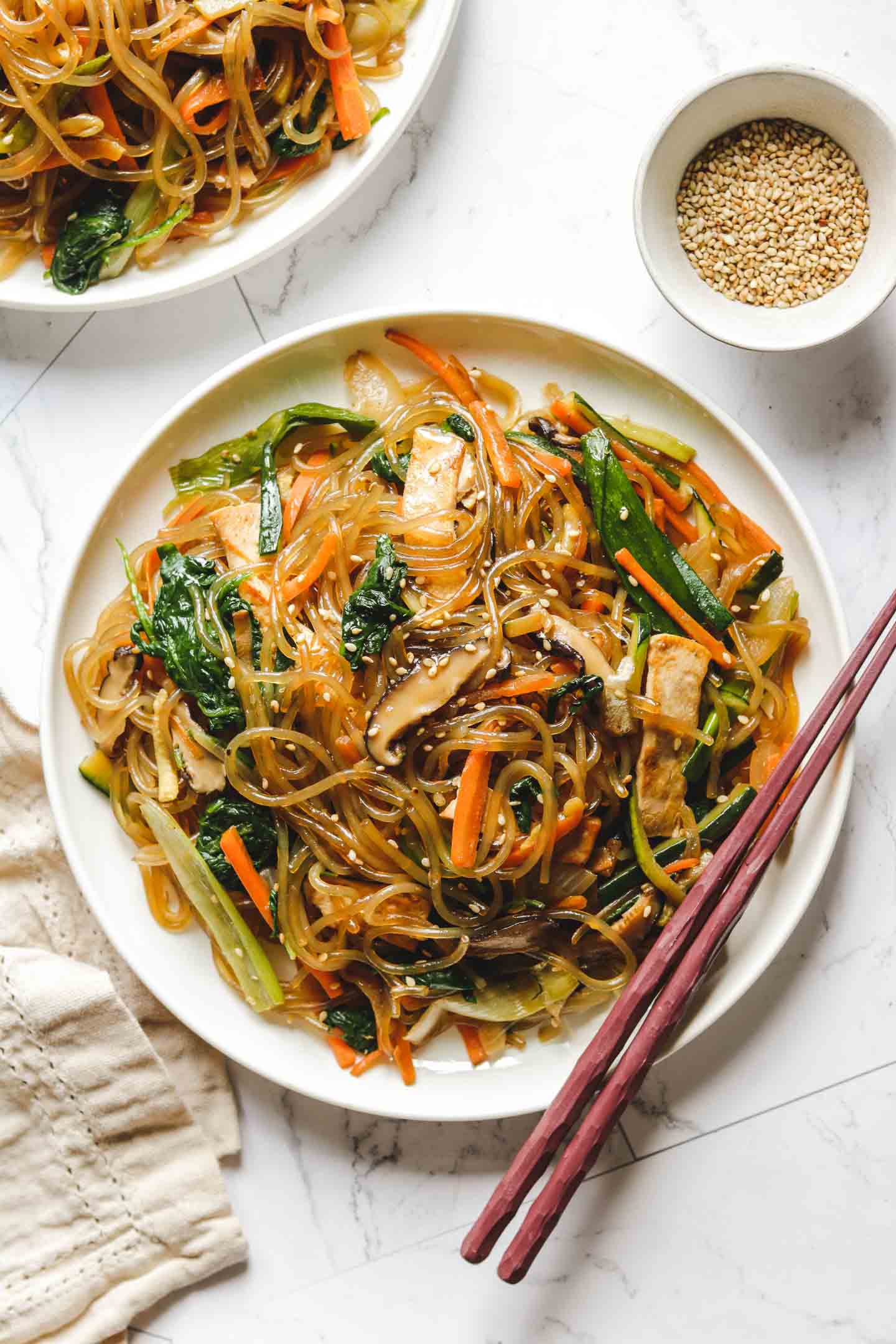
When you're craving something a little different, try a cold noodle salad. Cook spaghetti or somen noodles, rinse under cold water, then toss with the gochujang sauce, a drizzle of sesame oil, and a handful of shredded carrots. Garnish with toasted sesame seeds and a squeeze of lime for brightness.
| Dish | Spiciness (1‑5) | Sweetness (1‑5) | Umami (1‑5) |
|---|---|---|---|
| Veggie StirFry | 3 | 2 | 4 |
| Chicken Noodles | 4 | 3 | 5 |
| Beef & Broccoli | 3 | 2 | 5 |
| Cold Noodle Salad | 2 | 3 | 4 |
These four ideas illustrate just how versatile the sauce is. Whether you're feeding a family, prepping meals for the week, or showing off at a potluck, the same base can be adapted with whatever protein or veggie you have on hand.
FAQs
Can I Use It as a Dip?
Absolutely. Thin the sauce with a little water or broth (about 1 part water to 3 parts sauce) and you have a vibrant dip for dumplings, spring rolls, or raw vegetables. The salty‑sweet‑spicy combo works wonders as a table condiment.
Is It Gluten‑Free?
Traditional gochujang often contains wheat, so most commercial versions are not gluten‑free. If you have a gluten intolerance, look for certified gluten‑free gochujang or substitute the soy sauce with tamari.
How Does Its Heat Compare to Sriracha?
Gochujang delivers a more rounded, fermented heat that’s less sharp than sriracha’s pure chili punch. In Scoville terms, gochujang usually sits around 1,000‑2,000 SHU, while sriracha can hit 2,200‑5,000 SHU. If you crave more fire, simply add extra gochujang or sprinkle in gochugaru (Korean chili flakes).
What’s the Difference Between Gochujang Paste and Yak Gochujang?
Yak (or yak) gochujang refers to the stir‑fried version, where the paste is cooked with oil, sugar, and other aromatics to create a thicker, more caramelized sauce. The raw paste is what you start with in this recipe; cooking it in the wok essentially transforms it into yak gochujang.
Troubleshooting Tips
Sauce Too Thick?
Add a teaspoon of water or broth at a time, whisking until you reach your desired consistency. Remember, the sauce will thicken slightly as it cools, so aim for a sauce that’s just a bit looser than you’d like.
Too Sweet?
Balance excess sweetness with acidity—a splash more rice vinegar or a tiny squeeze of lime can rescue the flavor. If you prefer less sugar overall, start with half the honey and adjust after tasting.
Need to Cut Sodium?
Swap regular soy sauce for a low‑sodium variety, or replace half of it with coconut aminos. You’ll still retain the deep umami without the salt overload.
Chef’s Pro Tip
Professional Korean chefs finish a gochujang sauce with a sprinkle of toasted sesame seeds and a drizzle of extra‑virgin sesame oil right before serving. This adds a pleasant crunch and intensifies the nutty aroma—a simple step that makes the dish feel restaurant‑ready.
Conclusion
Mastering a korean stir fry sauce gochujang gives you a powerful, adaptable flavor tool that can elevate everything from simple veggie mixes to hearty noodle bowls. By understanding the core ingredients, balancing sweet, salty, and spicy notes, and tweaking the recipe to suit your health needs, you’ll never have to settle for bland or overly sweet store‑bought sauces again. Give the 5‑minute method a try tonight, experiment with the variations we shared, and let the sauce become the secret ingredient in your kitchen’s repertoire.
Ready to create your own gochujang masterpieces? Grab the pantry staples, follow the steps, and let the aromas speak for themselves. If you have questions or want to share your own twist, feel free to reach out—I’d love to hear how you make the sauce your own!
FAQs
Can I make the sauce vegan?
Yes—just swap the honey for maple syrup or agave nectar and use a vegan soy‑sauce or tamari.
How long can the sauce be stored?
Keep it in an airtight jar in the refrigerator for up to two weeks; the flavors improve as it sits.
Is there a low‑sodium version?
Use low‑sodium soy sauce or replace half of it with coconut aminos to cut the salt without losing umami.
What can I add for extra heat?
Increase the gochujang amount, stir in some gochugaru (Korean chili flakes), or drizzle a little sriracha.
Can I use this sauce as a dipping sauce?
Thin it with a splash of water or broth (about 1 part water to 3 parts sauce) for a tasty dip for dumplings or veggies.