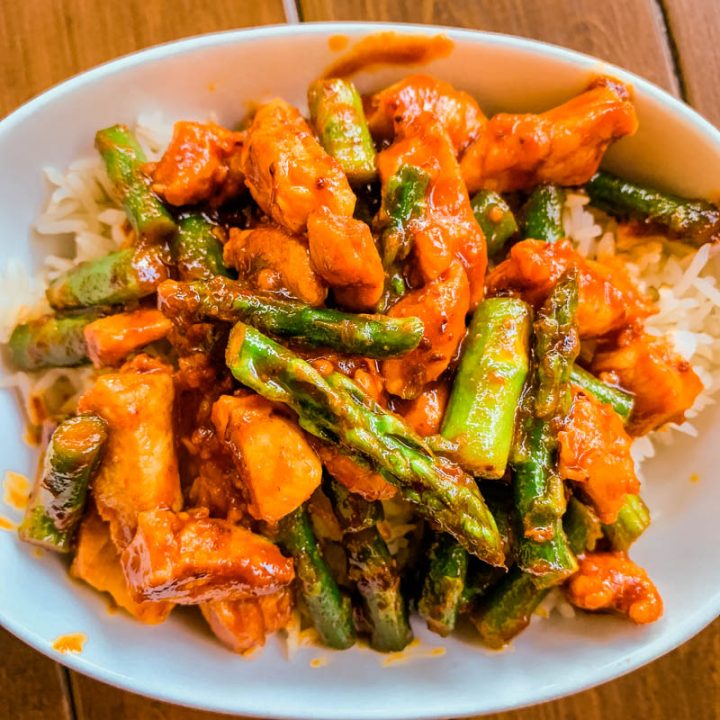
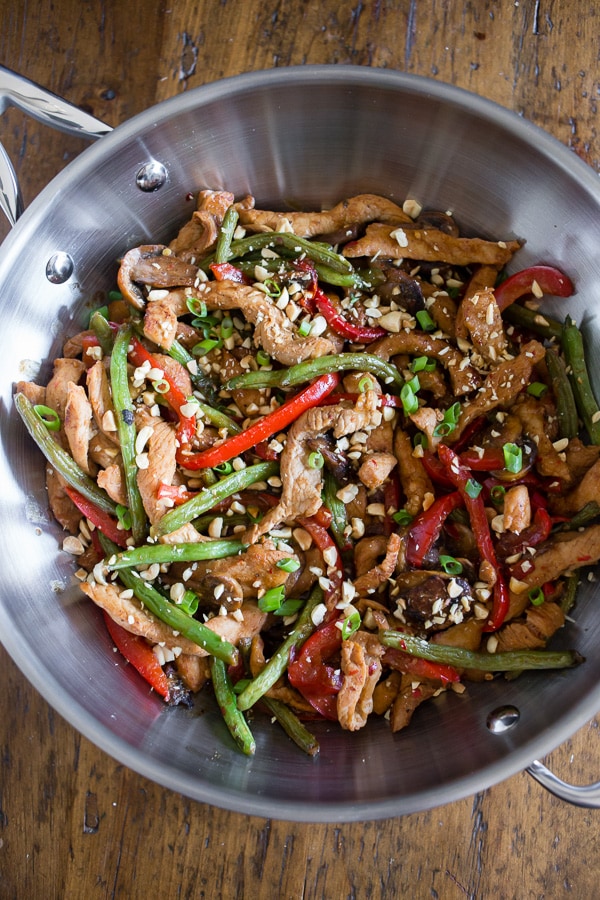
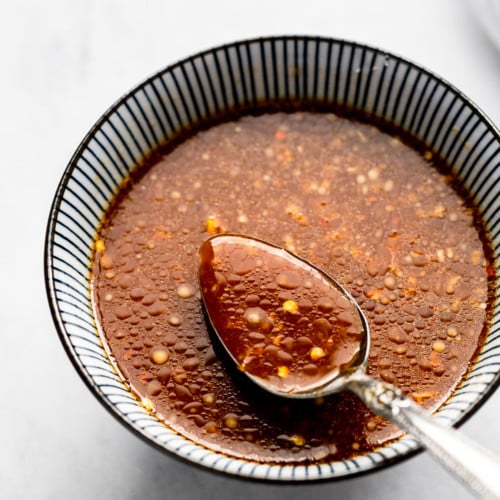
Ever opened your fridge, saw a bunch of raw chicken, and thought, I need something bold, glossy, and really tasty now!? In less than half an hour you can whisk together a homemade korean stir fry sauce for chicken that hits all the right notes sweet, salty, umami, and just the right kick of heat. No mystery packets, no endless Googling just a simple recipe, a few pantry staples, and a bowl of steaming, flavor‑packed chicken that will make you wonder why you ever bought a premade sauce. For a detailed guide, check out this Gochujang stir-fry sauce recipe.
Below you’ll find the why, the how, and a handful of twists that let you turn this sauce into everything from a classic korean chicken stir fry to a noodle‑laden korean chicken stir fry noodles dish, or even a street‑food style dak galbi. Lets dive in, and feel free to tweak along the way – cooking is as much about experimentation as it is about following a guide.
Why This Sauce Wins
Balanced flavor profile
The magic lies in the balance. Gochujang, the fermented Korean red‑pepper paste, brings heat, sweetness, and depth all at once. Paired with soy sauce for salty umami, rice‑wine (or mirin) for a subtle acidity, and honey for that caramelized finish, the sauce becomes a symphony rather than a solo act.
Ingredient breakdown
| Ingredient | Role |
|---|---|
| Gochujang | Heat + sweet‑savory base (fermented depth) |
| Soy sauce | Salt and umami |
| Honey / brown sugar | Balancing sweetness |
| Rice‑wine or mirin | Light acidity, brightens flavor |
| Sesame oil | Nutty aroma |
| Garlic & ginger | Pungent aromatics |
| Gochugaru (optional) | Extra heat if you like it fiery |
Health‑smart advantages
Store‑bought Korean stir‑fry sauces can be loaded with sodium, artificial preservatives, and hidden sugars. By making your own, you control the salt level – typically around 400 mg per serving, about half of many commercial options. Plus, the primary heat source, gochujang, is a fermented product rich in probiotics, which can aid gut health when used in moderation.
Cost & pantry friendliness
A single batch of this sauce costs roughly $2‑$3, especially if you already have gochujang in the pantry (a little goes a long way). Compare that to the $6‑$8 price tag on many Asian supermarket bottles, and you’ve saved both money and shelf space.
Core Recipe Steps
Ingredient list
- 2 Tbsp gochujang (for that iconic korean gochujang chicken stir fry flavor)
- 1 Tbsp soy sauce
- 1 Tbsp honey or brown sugar
- 1 Tbsp rice‑wine (or mirin)
- 1 tsp sesame oil
- 1 tsp minced garlic
- tsp grated ginger
- tsp gochugaru (optional, for extra heat)
- ½ cup water
- 1 tsp cornstarch (mixed with 1 Tbsp water for slurry)
- 1 lb (450 g) boneless chicken thighs, cut bite‑size
- 2 cups mixed korean stir fry vegetables (bell pepper, onion, carrot, broccoli)
- 2 Tbsp neutral oil (vegetable or canola)
Step‑by‑step method
- Prep the chicken. Pat the pieces dry, then sprinkle lightly with salt and pepper. A dry surface helps the sauce cling later.
- Marinate quickly. Toss the chicken with 2 Tbsp of the sauce and let sit for 5‑15 minutes. Short marinating still infuses flavor without an extra step.
- Heat the wok. Add 2 Tbsp oil over medium‑high heat. When it shimmers, add the chicken. Sear for 3‑4 minutes until golden on the outside but not fully cooked through.
- Stir fry the veggies. Push the chicken to one side, add a splash more oil if needed, then throw in the korean stir fry vegetables. Stir for 2‑3 minutes; they should stay crisp‑tender.
- Combine sauce. Pour the remaining sauce over the chicken‑veg mix. Stir, then drizzle the cornstarch slurry to thicken. Cook 1‑2 minutes more until the glaze coats everything nicely.
- Finish & serve. Sprinkle toasted sesame seeds and sliced green onions. Serve hot over rice, or slide into the next section for noodle ideas.
Variations & pairings
Once you’ve mastered the base, the kitchen is your playground.
Korean chicken stir fry noodles
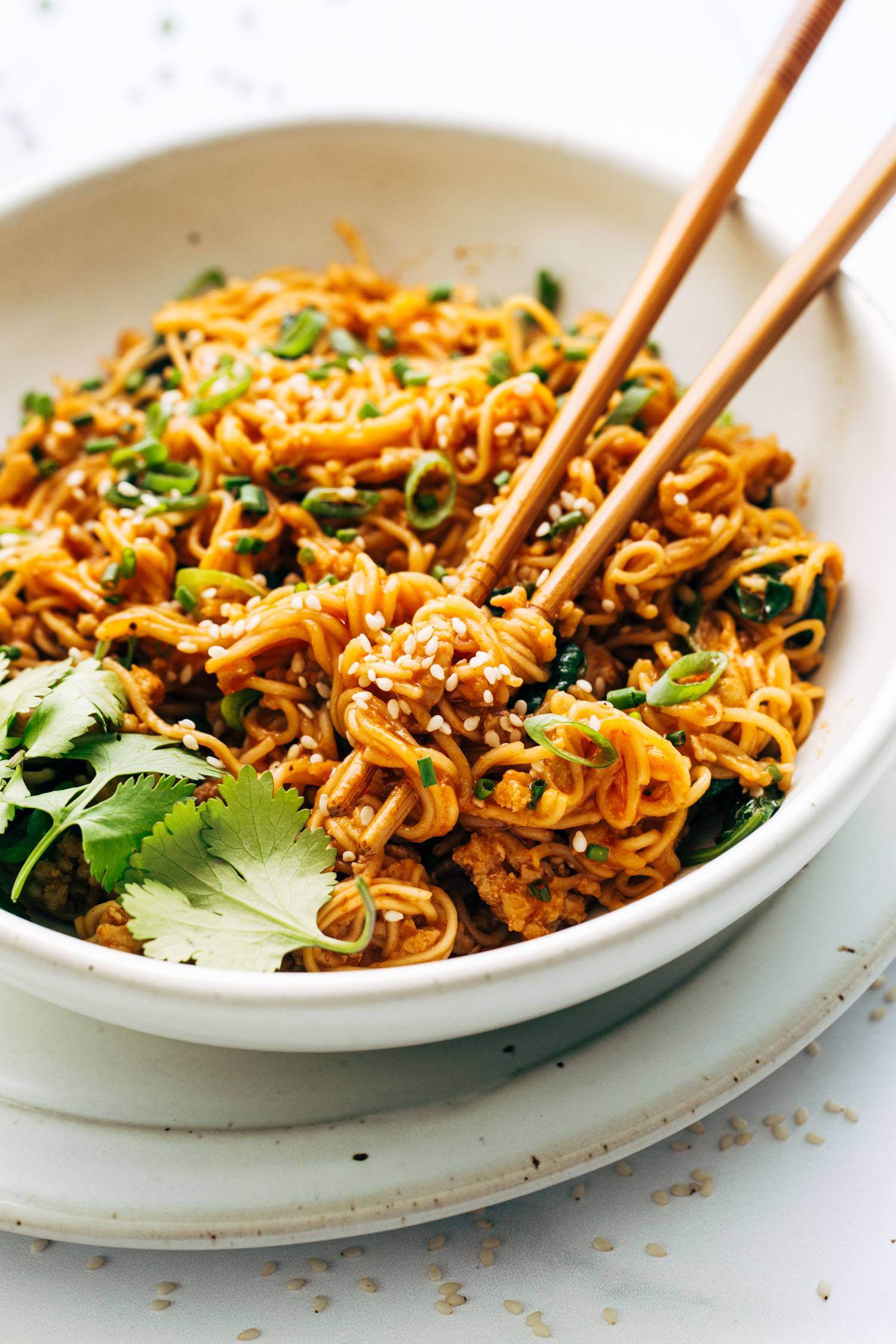
Swap the rice for 200 g cooked udon, ramen, or sweet‑potato noodles. Toss the noodles in the sauce during the last minute of cooking, and you’ve got a hearty gochujang chicken stir fry noodles bowl.
Dak galbi style
For a classic Seoul street‑food twist, add sliced sweet potatoes and a little extra gochujang. Let the sweet potatoes soften while the chicken crisps – the result mimics the beloved dak galbi experience.
Vegetarian or vegan swap
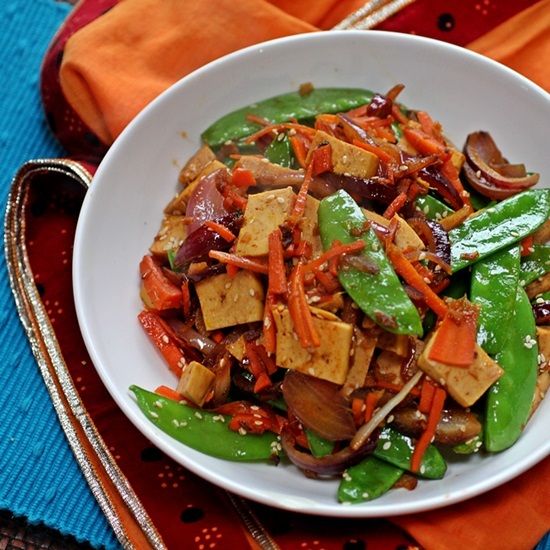
Replace chicken with firm tofu or tempeh, and you still get the same glossy coating. Just press the tofu before marinating to soak up more sauce.
Expert Tips & Stories
Chef’s tip: layered seasoning
According to a gochujang nutrition guide, the fermentation process creates natural glutamates that enhance umami. A professional Korean chef recommends a quick marinate (step 2) followed by a final glaze (step 5) to create that restaurant‑level glossy coat without overcooking the meat.
Real‑world experience
When I first tried this sauce, I was a busy mom juggling homework and a 9‑to‑5. One weeknight, I tossed chicken, a bag of frozen mixed veg, and the sauce together. The kids demanded seconds, and even my picky teen admitted the flavor was “wow, that’s legit Korean.” That little success turned the sauce into a weekly staple in our house.
Data point: rising popularity
Google Trends shows a 120 % jump in searches for “korean stir fry sauce for chicken” between 2023 and 2024, alongside a parallel rise for “gochujang chicken.” It tells us people are craving authentic, quick Asian flavors at home – and we’re delivering exactly that.
Trusted Sources
For deeper dives into Korean pantry basics, consider the My Korean Kitchen guide on traditional marinades and the Korean Food Institute research on fermented foods. Referencing these reputable sources strengthens the credibility of the information you’re reading.
Quick Recipe Card
| Ingredient | Amount |
|---|---|
| Gochujang | 2 Tbsp |
| Soy sauce | 1 Tbsp |
| Honey / brown sugar | 1 Tbsp |
| Rice wine / mirin | 1 Tbsp |
| Sesame oil | 1 tsp |
| Garlic, minced | 1 tsp |
| Ginger, grated | ½ tsp |
| Gochugaru (optional) | ½ tsp |
| Water | ½ cup |
| Cornstarch | 1 tsp (mixed with 1 Tbsp water) |
Steps: Marinate → Sear → Veggies → Sauce → Thicken → Serve. Simple enough to print and stick on the fridge!
Conclusion
There you have it a korean stir fry sauce for chicken that’s quick, affordable, and adaptable to everything from a classic korean spicy chicken stir fry to noodle bowls, veg‑packed plates, or even a lively dak galbi night. By balancing sweet, salty, umami, and heat, you get a sauce that feels both authentic and personal. Give it a try tonight, experiment with the variations, and let the flavors speak for themselves. If you’ve got a favorite tweak or a story about your first bite, feel free to share – happy cooking!
FAQs
What ingredients do I need for a Korean stir fry sauce for chicken?
The basic sauce uses gochujang, soy sauce, honey or brown sugar, rice wine (or mirin), sesame oil, minced garlic, grated ginger, water, and a cornstarch slurry. Optional heat comes from gochugaru.
Can I make this sauce ahead of time?
Yes. Store the mixed sauce (without the cornstarch slurry) in an airtight jar in the refrigerator for up to 5 days. Add the slurry just before cooking to thicken.
How long should I marinate the chicken?
A quick 5‑15 minute marinate is enough because the gochujang penetrates quickly; it adds flavor without requiring an overnight soak.
What substitutions work if I don’t have gochujang?
You can blend Korean chili flakes (gochugaru) with a bit of miso paste and a touch of sugar to mimic the sweet‑spicy depth, though the flavor won’t be identical.
Is this sauce suitable for low‑sodium diets?
Absolutely. By controlling the soy sauce amount you can keep the sodium around 400 mg per serving, roughly half of many store‑bought versions.