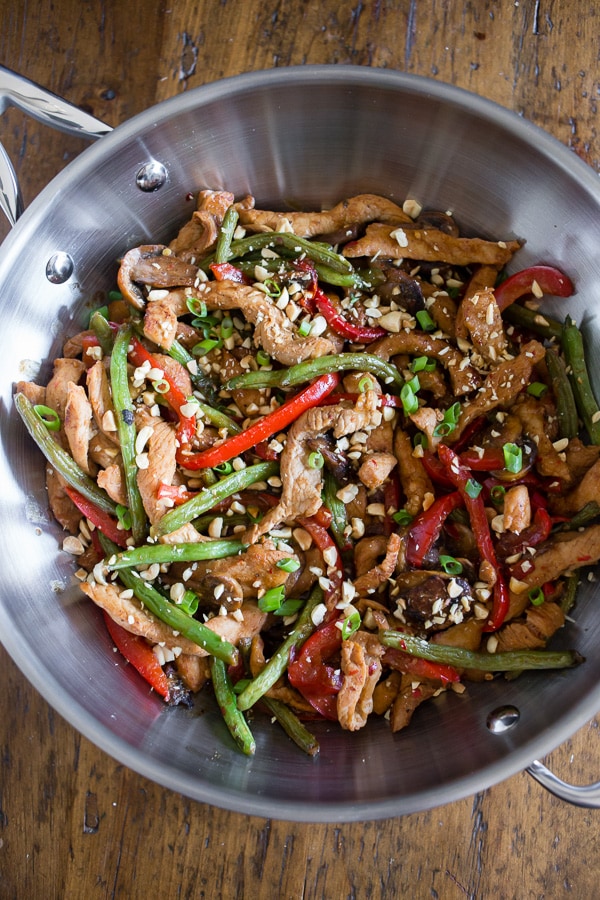
Looking for a dinner thats ready in half an hour, hits you with a satisfying kick, and still feels authentic? Youve just landed on the perfect recipe for a spicy pork stir fry Chinese that balances heat, flavor, and convenience. No endless scrolling, no guesswork just clear steps, smart tips, and a few stories from my own kitchen mishaps that will make you feel right at home.
Grab your wok, a handful of fresh veggies, and lets dive in. By the end, youll have a dish thats not only delicious but also balanced, so you can enjoy the spice without the worry.
Why It Matters
Health perks of a balanced stirfry
Stirfrying is a winwin for busy evenings. The quick, highheat method locks in the natural juices of the pork while keeping vegetables crisp. Heres why thats good for you:
- Lean protein: Pork shoulder or lean ground pork provides about 2025g of protein per serving, supporting muscle repair.
- Veggie boost: Bell peppers, snap peas, and carrots deliver vitaminC, fiber, and antioxidants that combat inflammation.
- Capsaicin power: The chilies in the sauce may boost metabolism and release endorphinsgreat for a postwork mood lift.
Possible downsides & how to control them
Every tasty thing has a flip side. Too much sodium can raise blood pressure, and overcooking pork makes it tough. Heres how to keep everything in check:
- Salt control: Use lowsodium soy sauce or dilute regular soy with a splash of water.
- Heat balance: Add chili oil gradually; you can always dial it up, but you cant take it out.
- Perfect pork texture: Marinate briefly (15minutes) and sear over high heat only 23minutes per side. The cornstarch coating helps retain moisture.
Authentic Szechuan Roots
Core flavor agents that define Szechuan pork
If you want the dish to sing, you need the right trio:
- Doubanjiang (fermented bean paste): Gives depth and a subtle umami punch.
- Sichuan peppercorns: Create that signature tingly ma sensation, not just heat.
- Shaoxing wine: Adds a fragrant, slightly sweet undertone that rounds everything out.
According to the U.S. Food and Drug Administration, these traditional ingredients are safe when used in typical culinary amounts, but its always good to source them from reputable vendors to avoid contaminants.
Credible sources that back the tradition
For deeper dives, the USDA FoodData Central provides nutritional breakdowns for each component, while culinary sites like The Woks of Life and Mindful of Cooking offer historical context and variations you can explore later.
Ingredient Checklist
Primary ingredients (spicy pork stir fry Chinese)
| Ingredient | Amount | Notes |
|---|---|---|
| Pork shoulder (thinly sliced) or ground pork | 500g (1lb) | Thin strips for quick cooking; ground pork works for a crumblestyle stir fry. |
| Red bell pepper | 1 large | Cut into strips; adds sweetness and color. |
| Green bell pepper | 1 medium | For visual contrast and extra crunch. |
| Snap peas or snow peas | 150g | Keep them crisp; add near the end. |
| Garlic, minced | 3 cloves | Freshly minced for aroma. |
| Ginger, grated | 1tbsp | Warm, peppery background. |
| Doubanjiang | 2tbsp | Adjust to taste; its the flavor backbone. |
| Sichuan peppercorns, toasted & ground | tsp | Provides the numbing feel. |
| Shaoxing wine | 1tbsp | Optional but recommended. |
| Light soy sauce | 2tbsp | Lowsodium preferred. |
| Oyster sauce | 1tbsp | Adds richness. |
| Rice vinegar | 1tsp | Balances sweetness. |
| Brown sugar | 1tsp | Just a whisper of sweetness. |
| Chili oil | 12tsp (to taste) | Control the heat here. |
| Cornstarch | 1tbsp | For the pork marinade. |
| Neutral oil (peanut or canola) | 2tbsp | High smoke point. |
Substitutions & variations
If youre missing any of the star players, here are safe swaps that keep the spirit alive:
- Lean protein: Chicken breast or turkey mince works if pork isnt your goto.
- Extra heat: Fresh birds eye chilies or a dash of Korean gochujang for a different spice profile.
- Crispier veggies: Asparagus or broccoli florets add a fresh crunch and a splash of green.
StepbyStep Guide
1 Marinating the pork pork stir fry marinade
Mix soy sauce, Shaoxing wine, a pinch of sugar, grated ginger, minced garlic, and a tablespoon of cornstarch in a bowl. Toss the pork strips (or ground pork) until every piece is coated, then let it sit for 15minutes. The cornstarch creates a light veil that locks moisture, while the soyginger combo builds the foundational umami.
Chefs insight
Professional chefs often say that a short, 10minute marination is enough for thinly sliced pork; more time doesnt necessarily mean more flavor, but it does risk the meat becoming mushy.
2 Stirfrying technique quick, highheat
Heat your wok over mediumhigh until a drop of water sizzles away instantly. Add a splash of neutral oil, then spread the marinated pork in a single layer. Let it sear undisturbed for 12minutes before flipping youll see a caramelized edge. Transfer the pork to a plate and set aside.
Next, lower the heat slightly and toss in the bell peppers and snap peas. Stir constantly for 23minutes; you want them bright, not wilted. Add the garlic, ginger, and ground Sichuan peppercorns theyll release their aroma in seconds.
Now reintroduce the pork, pour in doubanjiang, soy sauce, oyster sauce, rice vinegar, and a drizzle of chili oil. Toss everything together for another minute, letting the sauce coat each piece. If the mixture looks dry, splash a tablespoon of water or broth.
Common pitfalls & fixes
- Overcrowding the wok: The wok temperature drops, causing steaming instead of searing. Work in batches if needed.
- Soggy vegetables: Add them after the pork so they retain crunch.
- Burnt peppercorns: Toast them gently before grinding; a quick sniff will tell you theyre ready.
3 Final touches & serving
Give the dish a final taste. If you crave extra zing, add a splash more chili oil or a pinch of sugar. Serve immediately over steamed jasmine rice, or keep it light with cauliflower rice for a lowcarb twist.
Flavor Tweaks & Regional Twists
Korean spin korean stirfry pork and vegetables
Swap doubanjiang for 1tbsp of gochujang, drizzle a teaspoon of sesame oil, and finish with toasted sesame seeds. The result is a sweetspicy harmony that still respects the original technique.
Comparison: Chinese vs. Korean vs. Szechuan
| Element | Chinese (Szechuan) | Korean (Jeyuk Bokkeum) | Typical Heat |
|---|---|---|---|
| Chili base | Doubanjiang | Gochujang | MediumHigh |
| Pepper | Sichuan peppercorn | Black pepper | Adjustable |
| Sweet note | Light sugar | Brown sugar + honey | Mild |
Vegetable upgrades asparagus, broccoli, snow peas
Adding a handful of asparagus spears or broccoli florets not only boosts nutrition but also gives a delightful textural contrast. Blanch them briefly before tossing into the wok to preserve their vivid green hue.
Nutritional snapshot
Based on data from USDA FoodData Central, a typical serving (350g) provides roughly 420kcal, 28g protein, 15g fat, and 45g carbs, with over 150% of the daily vitaminC requirement thanks to the bell peppers.
Quick Recap
3step cheat sheet
- Marinate pork with soy, ginger, garlic, Shaoxing wine, and cornstarch (15min).
- Sear pork over high heat, set aside; stirfry veggies, aromatics, then reunite.
- Sauce with doubanjiang, soy, oyster, vinegar, chili oil; adjust heat and serve hot.
What to remember
The magic lives in the balance: a dash of numbing peppercorn, a splash of fragrant wine, and a controlled amount of chili oil. Respect the quickcook method, and youll get that restaurantquality flavor without the wait.
Final Thoughts
There you have it a spicy pork stir fry Chinese thats fast, flavorful, and flexible enough to fit any pantry. Whether youre feeding a family, impressing a friend, or just craving a comforting bowl after a long day, this dish delivers that satisfying heat while staying grounded in authentic Szechuan technique.
Im excited to hear how your stirfry turns out. Have you tried swapping the peppercorns for a different spice, or added a surprise veggie? Share what works for you, and lets keep the conversation cooking! If you have questions, feel free to ask Im always happy to help a fellow food lover.
FAQs
How long should I marinate the pork for best flavor?
For thinly sliced pork, 15 minutes is perfect; it lets the soy‑ginger mixture coat the meat without making it mushy.
Can I use ground pork instead of sliced pork?
Yes—ground pork works well. Crumble it into the wok, cook until browned, and then follow the same sauce‑mixing steps.
What can I substitute for doubanjiang?
If doubanjiang isn’t available, use a mix of fermented black bean paste with a little chili paste, or swap in Korean gochujang for a different heat profile.
How do I control the spiciness level?
Adjust the amount of chili oil or fresh chilies gradually; you can always add more, but you can’t take heat away once it’s in.
What’s the ideal way to keep vegetables crisp in a stir‑fry?
Cook the pork first, remove it, then stir‑fry the veggies over high heat for just 1–2 minutes before adding aromatics and the sauce.