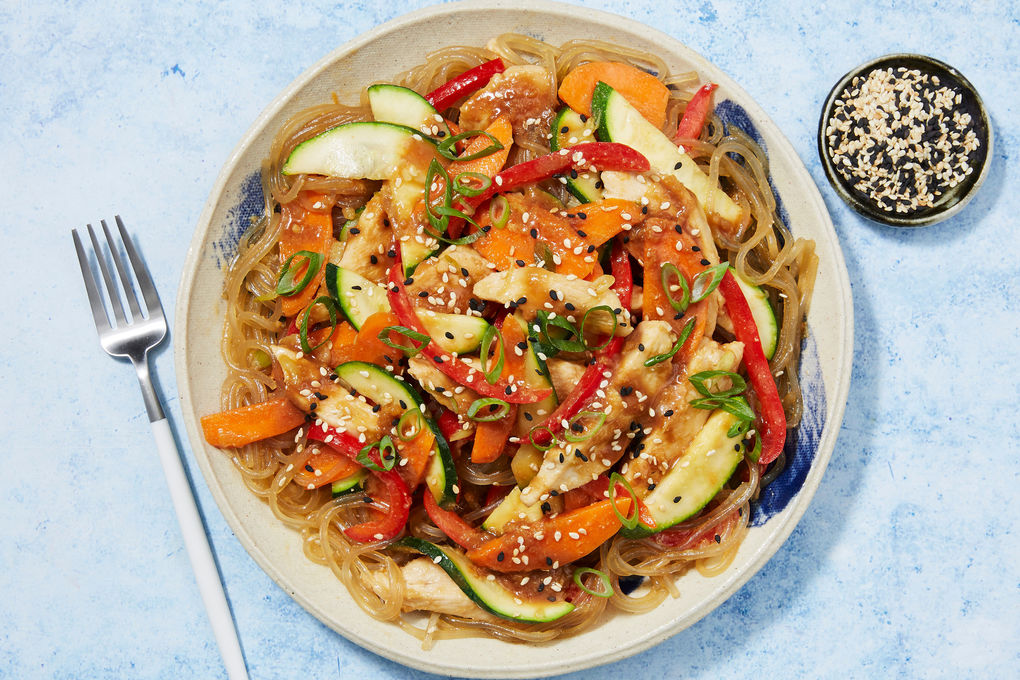
Looking for a dinner thats ready in under 20 minutes, bursts with color, and packs a punch of Indian spices? Youve landed in the right spot. Below is a stepbystep Indian stir fry vegetables recipe that delivers a rainbow of nutrients, a bold Indian stir fry sauce that clings to every bite, and plenty of room for your own creative twists.
Whether you crave a South Indian spin, a Chinesestyle side, or a waistfriendly version for weight loss, the core technique stays the same. Lets dive straight into the good stuffno fluff, just the keys to a tasty, wholesome stir fry.
Core Ingredients & Tools
What vegetables work best?
A great stir fry is all about texture balance: crisp, bitesize pieces that stay vibrant after a quick sear. Heres a quick reference table you can print and stick on your fridge.
| Vegetable | Prep Time (min) | Flavor Profile |
|---|---|---|
| Carrot (sliced thin) | 2 | Sweet, earthy |
| Red bell pepper | 2 | Bright, fruity |
| Broccoli florets | 3 | Nutty, slightly bitter |
| Cauliflower bitesize | 3 | Mild, nutty |
| Green beans | 2 | Fresh, crisp |
| Zucchini | 2 | Mild, buttery |
| Spinach or kale | 1 | Leafy, slightly bitter |
Feel free to swap in seasonal producesnow peas, mushrooms, or even baby cornall work beautifully.
Essential Indian spices & why they matter
Spices are the heart of any Indian stir fry. Heres the lineup and a quick note on the health perks (so you can brag to your friends about the antioxidants youre eating!).
- Cumin seeds earthy, aids digestion.
- Mustard seeds pop like tiny fireworks, add a subtle pungency.
- Turmeric vibrant yellow, antiinflammatory curcumin.
- Coriander powder citrusy, balances heat.
- Garam masala warm, aromatic blend that ties everything together.
- Fenugreek leaves (kasuri methi) sweet, nutty note that lifts the sauce.
- Red chili flakes optional kick for those who love heat.
Musthave kitchen gear for a perfect stirfry
All you really need is a heavybottomed wok or a large skillet that can get hot fast. Pair it with a highsmokepoint oil (such as refined sunflower or grapeseed) and a sturdy spatula. A ladle helps you drizzle the sauce evenly without breaking the veggies.
StepbyStep Cooking Process
How to prep the veggies for even cooking?
Uniform pieces are the secret to a consistent bite. Peel carrots and slice them on a diagonal; that creates more surface area for caramelization. Give leafy greens a quick rinse, spin dry, and set asidetheyll wilt in seconds.
The tempering stage why we toast spices first
Tempering (or tadka) awakens the essential oils in the spices. Heat 2tablespoons of oil over mediumhigh heat, toss in cumin and mustard seeds, and wait for them to crackle (about 15 seconds). That aromatic foundation will infuse the entire dish.
Stirfry sequence order of adding vegetables
Hardroot veggies need the most time, so add them first. Follow this easy cheatsheet:
- Stage1: Carrots, cauliflower, broccoli (23min).
- Stage2: Bell peppers, green beans, zucchini (another 2min).
- Stage3: Spinach/kale (30sec) it wilts instantly.
Keep the heat high and the pan moving. If the veggies start to steam rather than sizzle, lift them out for a moment and let the pan dry before returning them.
Making the Indian stir fry sauce (the flavor backbone)
Heres my goto sauce that balances sweet, tangy, and savory notes. Adjust the chili to match your heat tolerance.
- 2tbsp soy sauce (or tamari for glutenfree)
- 1tbsp tamarind paste (adds a subtle sour punch)
- 1tbsp gingergarlic paste
- 1tsp honey or jaggery (optional, for a hint of sweetness)
- tsp red chili flakes
- tsp turmeric
- cup water
Mix everything in a small bowl, then pour over the veggies once theyre nearly done. Let it simmer for 12minutes so the sauce thickens and coats every piece. For a Korean twist, you can try a Gochujang stir-fry sauce recipe that adds depth and a gentle heat.
South Indian twist mustard seeds & curry leaves
If you love the fragrant punch of South Indian cooking, swap half the cumin for extra mustard seeds and toss in a handful of fresh curry leaves during the tempering step. The result is a south indian stir fry vegetables recipe that sings with citrusy, piney notes.
Asianfusion version Chinese stir fry vegetables recipe
Looking for a crosscultural side? Replace garam masala with a splash of Chinese fivespice powder, use dark soy sauce, and finish with a drizzle of sesame oil. This creates a vegetable stir fry indian chinese hybrid that pairs perfectly with steamed jasmine rice. You could also serve it over gochujang stir fry noodles for an extra‑hearty meal.
Weightloss friendly stir fry
For a stir fry vegetables indian for weight loss, cut the oil to 1tablespoon, skip the honey, and serve over cauliflower rice or a small portion of quinoa. The high fiber from the veggies keeps you full longer. If you prefer a Korean flavor profile, try the gochujang stir fry vegetables variation – the sauce adds zest without extra calories.
Finishing touches & plating tips
Turn off the heat, sprinkle fresh cilantro, a squeeze of lemon, and a pinch of toasted sesame seeds. Serve it hot, straight from the wok, for that sizzling visual appeal. Trust me, the aroma alone will make everyone at the table smile.
Flavor & Regional Variations
South Indian twist mustard seeds & curry leaves
South Indian cuisine loves the crackle of mustard seeds and the citrusy aroma of curry leaves. For a genuine south indian stir fry vegetables recipe, add tsp mustard seeds and 10 fresh curry leaves to the tempering oil. The leaves wilt quickly, releasing a distinct flavor that pairs beautifully with coconut milk if you want even richer sauce.
Asianfusion version Chinese stir fry vegetables recipe
Swap the tamarind paste for a touch of hoisin sauce, keep the gingergarlic base, and finish with a drizzle of toasted sesame oil. This chinese stir fry vegetables recipe brings a slightly sweet, umami depth that feels like a new dish while still honoring the Indian spice base.
Weightloss friendly stir fry
Use a nonstick pan and just a splash of broth instead of oil. Keep the spice ratios the same, because the metabolismboosting compounds in turmeric, cumin, and chili stay intact. Pair with a side of lentil dal or a small portion of brown rice for balanced macros.
Vegan & paleo adaptations
For vegans, skip any honey and add cubed tofu or tempeh for protein. Paleo followers can replace soy sauce with coconut aminos and omit any wheatbased sauces. The core vegetableandspice combo works just as well.
Health Benefits & Nutrition Snapshot
What nutrients do these veggies provide?
Every color on your plate brings a unique set of vitamins and minerals. Below is a quick macroandmicronutrient breakdown per cup of cooked stir fry (without rice).
| Nutrient | Amount per cup |
|---|---|
| Calories | 90kcal |
| Protein | 3g |
| Carbohydrates | 12g |
| Fiber | 4g |
| VitaminA | 150% RDI |
| VitaminC | 80% RDI |
| Iron | 6% RDI |
| Calcium | 5% RDI |
How do Indian spices boost health?
Research shows that turmerics curcumin can reduce inflammation, while cumin may aid digestion and improve blood sugar control. A study in the Journal of Food Science highlighted that regular consumption of these spices can contribute to better heart health (source).
Calorie count & macro breakdown (per serving)
Assuming a 2cup serving with 1tbsp oil, youre looking at roughly 210kcal, 6g protein, 15g carbs, and 9g fat. This makes the dish an excellent side for a larger meal or a light main course if you keep the carb side modest.
Common Mistakes & Troubleshooting
Why is my stirfry soggy?
Sogginess usually means too much moisture or a crowded pan. Make sure your veggies are patted dry after washing, and work in batches if necessary. High heat is essentialif the pan steams instead of sizzles, lift the veggies, let the pan dry, then return them.
My vegetables are undercooked what to do?
Turn the heat up and keep the lid off. A quick splash of water (about 2tbsp) can create steam that finishes cooking without making the veggies mushy. Cover for 30seconds only if you need a faster softening.
Sauce is too thin or too thick?
If the sauce drips off, whisk a teaspoon of cornstarch with cold water and stir it in; itll thicken in seconds. Too thick? Add a splash more water or broth, and keep the pan moving so it emulsifies.
Storage, Reheating & MealPrep Tips
Best containers for keeping veggies fresh
Glass containers with airtight lids preserve flavor and prevent odor transfer. If you prefer plastic, choose BPAfree options with snaptight seals.
How to reheat without losing crunch
Heat a clean wok over mediumhigh, add a drizzle of oil, and toss the stir fry for 12minutes. The quick sear revives the crispness. Microwaving works, but add a tablespoon of water, cover loosely, and microwave in 30second bursts to avoid sogginess.
Weekly mealprep ideas
Make a big batch on Sunday, portion into four containers, and pair each with a protein like grilled paneer, roasted chickpeas, or sauted tofu. Add a side of quinoa, brown rice, or cauliflower rice for variety. Youll have a readytogo, balanced lunch or dinner for the entire workweek.
Community CalltoAction
Share your own twist!
Have you tried adding roasted peanuts, swapping the veggies, or using a different regional spice blend? Id love to hear your experiments. Drop a note in the comments or tag me on social media with #MyStirFryStory.
Subscribe for more quick Indian meals
If you enjoyed this recipe, consider signing up for my monthly newsletter. Youll get a printable PDF of 5 Fast Indian StirFry Variations plus a few secret sauces you wont find anywhere else.
Conclusion
Thats ita complete, fast, and flavorful Indian stir fry vegetables recipe that you can customize in countless ways. By mastering the basicsproper prep, highheat tempering, and a balanced sauceyoull feel confident whipping up a nutritious dinner in under 20 minutes, whether youre feeding a hungry family or prepping meals for the week. Give it a try tonight, tweak it to your taste, and let the aromas fill your kitchen. Happy cooking, and enjoy every colorful bite!
FAQs
Can I swap the listed vegetables for others I have on hand?
Absolutely! Use any crisp‑tender veggies like snap peas, mushrooms, or baby corn. Just keep the pieces uniform for even cooking.
How do I make this recipe gluten‑free?
Replace soy sauce with tamari or coconut aminos, and ensure any packaged spices are labeled gluten‑free.
Which oil works best for high‑heat stir‑frying?
Choose a high smoke‑point oil such as refined sunflower, grapeseed, or light avocado oil to get that quick sear without burning.
Can I add a protein source to the stir‑fry?
Yes—add cubed tofu, tempeh, paneer, or pre‑cooked shrimp/cooked chicken in the last minute of cooking to keep them tender.
What’s the best way to store leftovers and retain crunch?
Cool the stir‑fry, then place it in an airtight glass container. Reheat in a hot wok with a splash of oil for 1‑2 minutes to bring back the crispness.