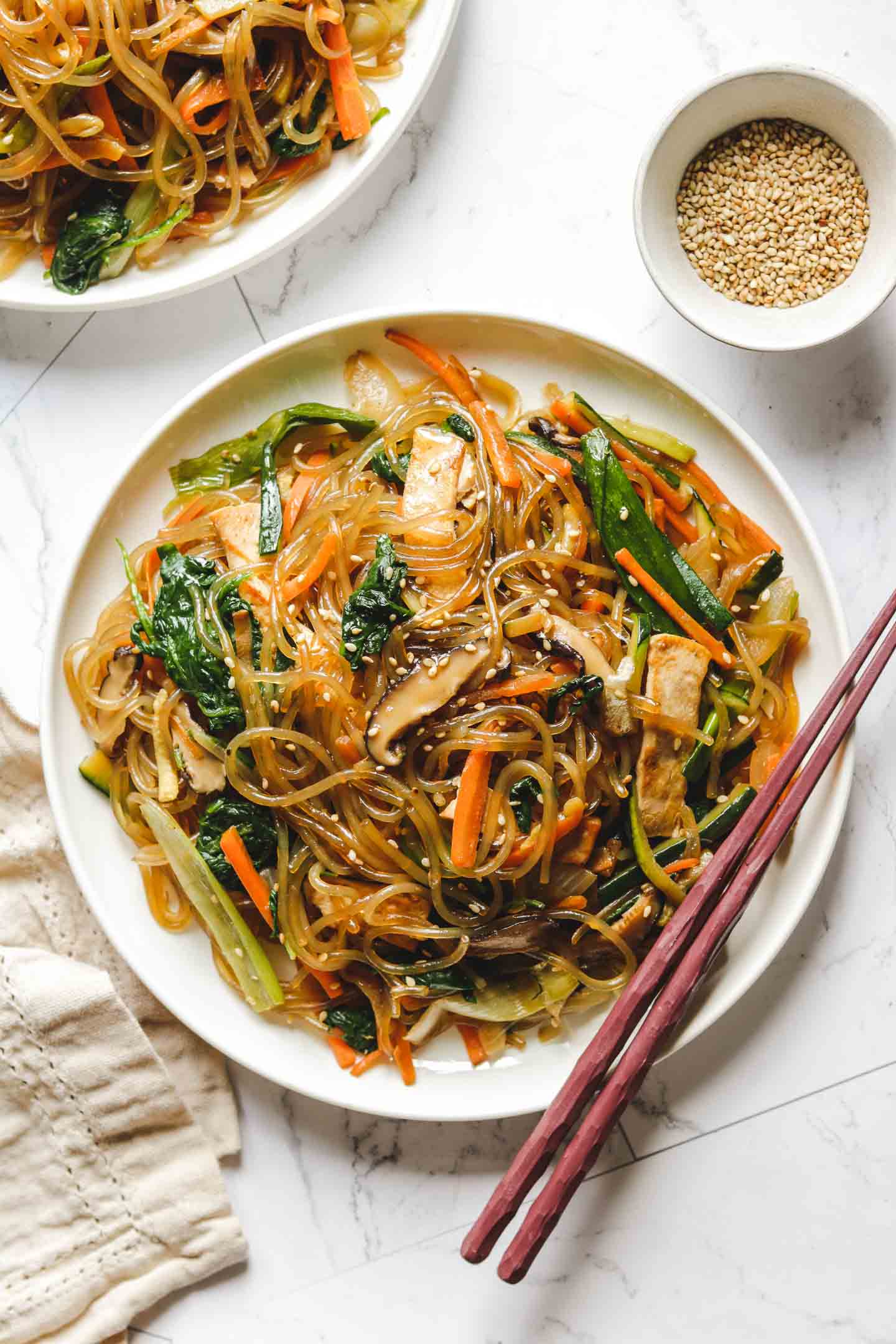
Most people dont realize that the secret to a great vegetarian japchae isnt a fancy sauce or exotic mushroomits simply choosing the right ingredients and handling them with love. Below youll find everything you need to know about vegetarian japchae ingredients, from the essential noodles to the perfect sauce, plus tips on where to shop, nutritional benefits, and troubleshooting tricks.
What Makes Japchae Vegetarian
In Korean cooking, japchae traditionally uses beef, pork, or even fish sauce. To keep it vegetarian, we skip any animalderived products and focus on plantbased flavors that still give that classic sweetsavory balance. Think of it as a culinary translation: the same wonderful texture, just a kinder ingredient list.
Definition Whats Never in a Vegetarian Version?
No meat, poultry, or seafood
No fish sauce, anchovy stock, or oyster extract
No animalbased broth (use vegetable broth if needed)
Core Philosophy Texture, Flavor, Nutrition
Vegetarian japchae shines when each bite offers a chew from the glass noodles, a crunch from fresh veggies, and a deep umami from mushrooms or soybased sauces. Balancing these three pillars makes the dish satisfying without meat.
Core Ingredients List
Below is the goto lineup for a classic vegetarian japchae that serves four. Adjust quantities to suit your pantry, but keep the ratios for the best harmony.
| Ingredient | Typical Amount (4 servings) | Why Its Essential | Substitutions |
|---|---|---|---|
| Dangmyeon (sweetpotato glass noodles) | 200g (dry) | Chewy texture that absorbs sauce | Thai rice vermicelli, shirataki |
| Spinach (fresh or frozen) | 4cups (uncooked) | Iron, bright green color | Swiss chard, kale |
| Carrots (julienned) | 1cup | Sweet crunch, betacarotene | Daikon, parsnip |
| Zucchini | 1cup | Moisture, mild flavor | Yellow squash |
| Shiitake or button mushrooms | cup | Umami depth | Portobello, oyster mushrooms |
| Onion (thinly sliced) | cup | Sweet base | Leeks |
| Sesame oil | 2tbsp | Aromatic finish | Toasted olive oil |
| Soy sauce (lowsodium) | 3tbsp | Salty umami backbone | Tamari (glutenfree) |
| Sugar or brown rice syrup | 1tbsp | Light sweetness | Maple syrup |
| Garlic (minced) | 1tsp | Flavor boost | Garlic powder (sparingly) |
| Optional protein (tofu, tempeh, plantbased Korean BBQ) | 100150g | Extra protein, texture | Seitan, lentils |
Choosing the Best Dangmyeon
Brands differ in thickness and how quickly they soften. I always pick a package that feels slightly heaviersigns of high-quality sweetpotato starch. A quick sniff for a faint, earthy aroma tells me there are no added preservatives. If you cant find dangmyeon, the Thai glass noodles you see in many Asian markets work just as well; just add a minute to the soak time.
Seasonal Swaps
When spring arrives, I love swapping zucchini for fresh peas or adding baby bok choy for extra crunch. Autumn calls for roasted butternut squash instead of carrots. The beauty of vegetarian japchae is that it adapts to whatever the farmers market offers.
Japchae Sauce Recipe
The sauce is the engine that powers japchaes sweetsavory punch. Heres a simple, flexible formula that you can tweak for heat, sweetness, or glutenfree needs.
Classic Sauce Formula
- 3tbsp lowsodium soy sauce
- 1tbsp brown rice syrup (or sugar)
- 2tbsp sesame oil
- 1tsp minced garlic
- tsp freshly ground black pepper
Whisk everything together in a bowl until the syrup dissolvesno blender needed.
Maangchis Twist
If youve ever watched Maangchi, you know she loves a splash of gochujang for subtle heat. Add a teaspoon of gochujang to the classic sauce, taste, and adjust. It creates a lovely harmony between sweet, salty, and spicy without overwhelming the veggies.
LowSodium & GlutenFree Adjustments
Swap soy sauce for tamari, and use a sugarfree sweetener like stevia if youre watching calories. The sauce still clings to the noodles beautifully.
Easy Japchae Steps
Now that the ingredients and sauce are ready, lets bring everything together. This method works whether youre a seasoned wok wizard or a kitchen newbie.
Prep: Soak and Slice
1. Place the dry dangmyeon in a bowl of warm water. Let them soak for 2030minutes until soft but still slightly firm.
2. Drain, rinse under cold water, and set aside.
3. Julienne carrots, slice zucchini into thin halfmoons, and shred spinach. Having everything ready before you heat the pan makes the stirfry smooth.
StirFry Order
Heat a large wok or skillet over mediumhigh heat. Add a splash of sesame oil, then:
- Garlic & onion saut 30seconds until fragrant.
- Mushrooms stir for 2minutes; they release their own juices.
- Carrots & zucchini cook 23minutes; you want a slight bite.
- Spinach add last; it wilts in seconds.
When the veggies are glossy and just tender, push them to the side, add the noodles, and pour the premixed sauce over everything. Toss vigorously for 23minutes, ensuring each strand glistens.
Finishing Touches
Finish with a drizzle of extra sesame oil, a pinch of toasted sesame seeds, and sliced scallions. Serve hot, or let it cool to room temperature for a refreshing springtime salad.
Nutrition & Benefits
Vegetarian japchae isnt just tasty; it stacks up nicely on the nutrition chart. Below is a quick breakdown per serving (without optional protein).
| Metric | Per Serving |
|---|---|
| Calories | 320kcal |
| Protein | 9g |
| Carbohydrates | 55g |
| Fat | 10g (mostly healthy unsaturated) |
| Fiber | 5g |
| Key Micronutrients | Iron (spinach), VitaminA (carrots), Selenium (mushrooms) |
Health Highlights
Iron & VitaminC combo Pair japchae with a side of citrus or kimchi to boost iron absorption from spinach.
Lowglycemic carbs Sweetpotato noodles release energy slowly, keeping blood sugar steady.
Plantbased protein Add tofu or tempeh and youve got a complete meal that satisfies musclerecovery needs.
Potential Risks & Mitigation
Some storebought soy sauces contain high sodium. Choose lowsodium versions or dilute with water. If you have gluten sensitivity, use tamari and ensure your noodles are certified glutenfree.
For detailed nutrient data, you can doublecheck the USDA FoodData Central database (FoodData Central).
Find Ingredients Near You
Not sure where to hunt down dangmyeon or fresh Korean vegetables? Here are a few reliable options:
Asian Grocery Chains
Stores like HMart, Lotte Plaza, and 99 Ranch often carry dedicated sections for Korean pantry staples. Their staff can point you to the glass noodles aisle.
Online Shopping
If youre in a smaller town, sites such as Amazon and Thrive Market ship highquality dangmyeon and organic soy sauce right to your door. Bulk packages usually save money in the long run.
Local Farmers Markets
Seasonal spinach, carrots, and mushrooms are freshest at farmers markets. Buying locally also reduces your carbon footprinta winwin.
RealWorld Experience & Community Voices
When I first tried vegetarian japchae at a Koreanvegan popup, the host told me shed grown up watching her mother soak the noodles until they were just rightsoft but not mushy. That memory stuck with me, and now I always test the noodle texture before moving on to the stirfry.
Reddits r/vegetarian community constantly shares tweaks, like adding a splash of toasted rice vinegar for extra brightness or tossing in toasted peanuts for crunch. Listening to these voices keeps the recipe evolving.
For a deeper dive, a short video interview with Korean Food explains the cultural roots of japchae and why the glass noodles are considered a celebration noodle. Its a great resource if you want to add a cultural footnote to your blog post.
Troubleshooting & Pro Tips
Noodles Turning Gummy
Oversoaking or overcooking the dangmyeon leads to a gummy texture. Keep the soaking time to 2030minutes, then give them a quick rinse in cold water before tossing into the wok.
Veggies Releasing Too Much Water
Highwater vegetables like zucchini can flood the pan. Lightly salt them and let sit for 5minutes, then pat dry with a paper towel. This step helps retain crunch.
Balancing Sweet & Salty
If the sauce feels too salty, add an extra halftsp of sugar or a splash of mirin. Taste as you gosmall adjustments make a big difference.
Conclusion
Mastering vegetarian japchae ingredients is less about memorizing a list and more about understanding how each component plays its parttexture from the glass noodles, sweetness from carrots, umami from mushrooms, and that unmistakable sesame finish. With the right ingredients, a simple sauce, and a few pro tips, you can craft a dish that feels both comforting and exciting.
Grab your dangmyeon, head to the nearest market, and give this recipe a whirl. And hey, if you discover a new veggie swap or a secret seasoning that makes your japchae shine, share it with friends or on social media. Cooking is a conversation, after alllets keep it going!
FAQs
What noodles can I use if I can’t find dangmyeon?
Thai rice vermicelli, shirataki noodles, or even thin gluten‑free spaghetti work well—just soak them a little longer than dangmyeon.
Why do my noodles turn gummy and how can I avoid it?
Over‑soaking or over‑cooking creates gummy noodles. Soak for 20‑30 minutes, rinse in cold water, and toss quickly in the hot wok just before adding the sauce.
Is vegetarian japchae suitable for a gluten‑free diet?
Yes—use tamari or a gluten‑free soy sauce and confirm that your glass noodles are labeled gluten‑free. The rest of the ingredients are naturally gluten‑free.
Can I swap the vegetables for seasonal produce?
Absolutely! Try peas or snap peas in spring, roasted butternut squash in fall, or add baby bok choy for extra crunch. Keep the texture balance in mind.
How much protein does a serving of vegetarian japchae provide?
Without added tofu it offers about 9 g of protein. Adding 100 g of firm tofu, tempeh, or seitan boosts the protein to 15‑20 g per serving.