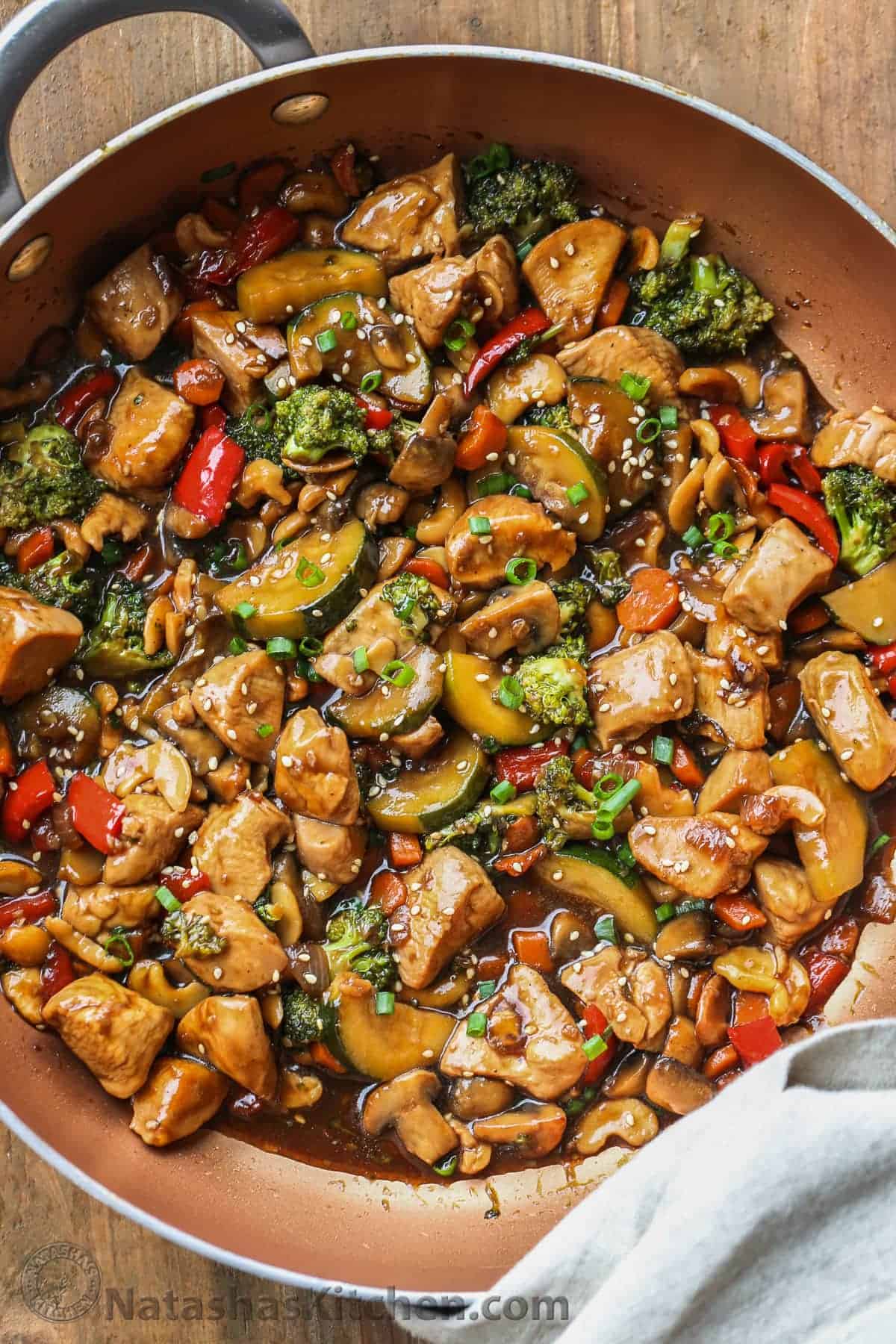
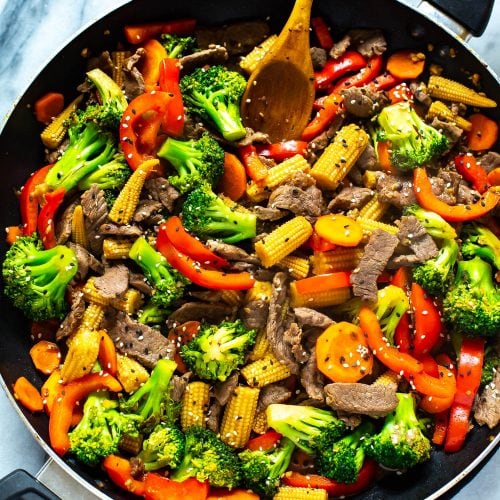
Looking for a weeknight dish thats fast, flavorful, and packs a bold Korean punch? Youve just landed on the perfect Korean stirfry vegetables recipe that can be on the table in under 20minutes.
Well walk through the exact ingredients, a simple gochujang sauce, protips for keeping every bite crisp, and a few fun twists (think Chinese or Indian flair). Grab your wok, and lets get cooking together.
Why It Works
Science of highheat veggie stirfrying
When you blast veggies over very hot oil, the surface undergoes the Maillard reaction a quick browning that creates that irresistible searedbutstillcrunchy texture. At the same time, the interior stays bright and fresh because the cooking time is so short.
Quick tip table
| Heat Level | Cooking Time | Result |
|---|---|---|
| High | 23minutes | Maximum crunch, slight char |
| Mediumhigh | 45minutes | Softedge, still crisp |
| Medium | 67minutes | More tender, less crunch |
Health benefits & pitfalls
Vegetables bring fiber, vitamins, and antioxidants while staying low in calories. The gochujangbased sauce adds a modest dose of protein from fermented soy, but it can also be salty. If youre watching sodium, choose lowsodium soy sauce and tastetest the sauce before the final toss.
Key Ingredients List
| Ingredient | Quantity | Why it matters | Swap options |
|---|---|---|---|
| Mixed vegetables (broccoli, carrots, bell pepper, snap peas, shiitake) | 4cups | Provides texture, color, and nutrients | Seasonal fresh veg or frozen stirfry blend |
| Gochujang (Korean redpepper paste) | 2Tbsp | Core umamispicy flavor | 1Tbsp gochujang + 1tsp miso for milder depth |
| Lowsodium soy sauce | 1Tbsp | Salty balance, boosts umami | Tamari or coconutamino for glutenfree |
| Sesame oil | 1tsp | Nutty aroma that defines Korean stirfry | Avocado oil (higher smoke point) if you prefer |
| Garlic, ginger, scallions | 2cloves, 1tsp, 2Tbsp | Fresh aromatics that brighten the dish | Garlic powder & ginger paste in a pinch |
Ingredient details
Choosing crisp, fresh vegetables is key. If you buy precut veg, give them a quick dry in a clean kitchen towel excess water will steam the veggies and kill the crunch.
StepbyStep Guide
Prep the veggies
Start by washing and drying everything. Slice carrots into thin matchsticks, break broccoli into bitesize florets, and cut bell pepper into thin strips. The same size means they finish at the same time.
Videoready checklist
- Wash & dry all veg
- Julienne carrots & peppers
- Separate broccoli florets
- Trim shiitake stems
- Mince garlic, grate ginger
- Slice scallions thinly
Build the gochujang sauce
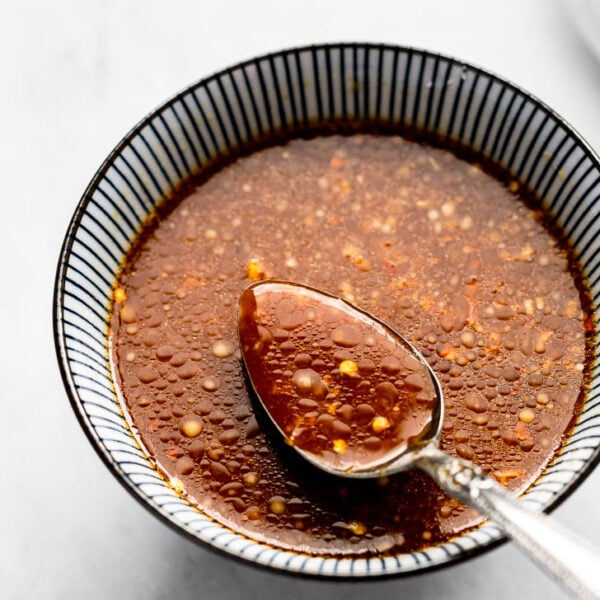
In a small bowl whisk together 2Tbsp gochujang, 1Tbsp lowsodium soy sauce, 1Tbsp honey (or maple syrup for vegans), 1tsp ricevinegar, and the teaspoon of sesame oil. This is the classic korean stir fry sauce that ties everything together.
Sauce variations
- Mild: Use 1Tbsp gochujang + 1Tbsp tomato paste, add extra honey.
- Extraspicy: Add tsp gochugaru (Korean chili flakes) and a splash of sriracha.
The stirfry technique
- Heat a wok or large skillet over high heat until a drop of water dances.
- Add 1tsp sesame oil, then toss in minced garlic and ginger stir for 20seconds until fragrant.
- Drop the hardest veg first (carrots, broccoli). Stir constantly for 23minutes.
- Add the softer veg (bell pepper, snap peas, shiitake). Keep the heat high and stir for another 23minutes.
- Slide the sauce over the vegetables, toss everything together, and cook for another minute so the sauce caramelizes lightly.
- Finish with sliced scallions and a sprinkle of toasted sesame seeds.
Common mistakes & fixes
Overcrowding the pan: The wok should sizzle, not steam. If you have a lot of veg, cook in two batches.
Soggy gochujang: Add the sauce at the very end; a brief, highheat toss prevents it from breaking down.
Uneven crunch: Cut all pieces uniformly and keep the oil hot.
Flavor Twists Options
KoreanChinese crossover
If you love the sweetsavory balance of Chinese stirfry, swap half the soy sauce for a splash of Shaoxing wine and sprinkle a pinch of fivespice powder. The result is a fusion that still respects the core gochujang kick.
Comparison table
| Style | Key Seasonings | Typical Heat | Flavor Profile |
|---|---|---|---|
| Korean Classic | Gochujang, soy, sesame | Mediumhigh | Spicysweetumami |
| Chinese Inspired | Shaoxing wine, fivespice, soy | Medium | Sweetsavoryaromatic |
| Indian Inspired | Mustard seeds, turmeric, garam masala | Medium | Warmspicyearthy |
Maangchistyle gochujang
Maangchi, the beloved Korean cooking guru, recommends toasting gochujang briefly with a splash of water before mixing it with the other sauce ingredients. This dryheat step intensifies the fermented depth. Read more about her method here.
Indianinspired stirfry
Swap gochujang for a blend of mustard seeds, curry leaves, a dash of turmeric, and a pinch of garam masala. Finish with a squeeze of lime and a handful of cilantro. The dish keeps the quickcook spirit but embraces the heartwarming warmth of Indian spices.
Practical Cooking Tips
Equipment you really need
A heavybottomed wok or a wide, highsided skillet works best. A sturdy, longhandled spatula (or a wooden spoon) lets you toss without splattering. If you only have a nonstick pan, keep the heat on mediumhigh and add a touch more oil.
Temperature guide
High heat = crisp, quick char.
Mediumhigh = balanced tenderness.
Medium = safe for delicate veggies like spinach (which we dont use here, but good to know!).
Storage & leftovers
Cool the stirfry to room temperature within an hour, then transfer to an airtight container. It keeps in the fridge for up to three days. Reheat quickly over high heat a minute or two to revive the crunch. For longer storage, freeze in a ziplock bag for up to a month; thaw in the fridge before reheating.
Pairings
Serve the Korean vegetable stirfry over steamed jasmine rice, cauliflower rice, or even cold soba noodles for a refreshing twist. A side of kimchi or a simple cucumbersesame salad adds extra probiotic goodness.
Nutrition Snapshot Overview
Macro breakdown per serving
Assuming the recipe serves four, each portion contains roughly:
- Calories: 210kcal
- Protein: 5g
- Carbohydrates: 30g (fiber 6g)
- Fat: 8g (mostly from sesame oil)
These figures come from the USDA FoodData Central database and are approximations.
Vitamin & mineral highlights
Broccoli and bell peppers deliver vitaminC and K, carrots provide betacarotene (provitaminA), and shiitake mushrooms add selenium and Bvitamins. The fermented gochujang contributes a modest amount of zinc and probiotics.
Healthfriendly swaps
Use coconutamino instead of soy sauce for a completely soyfree version.
Replace honey with agave nectar for a vegan-friendly sauce.
Add a handful of toasted pumpkin seeds for extra crunch and magnesium.
Final Thoughts & CTA
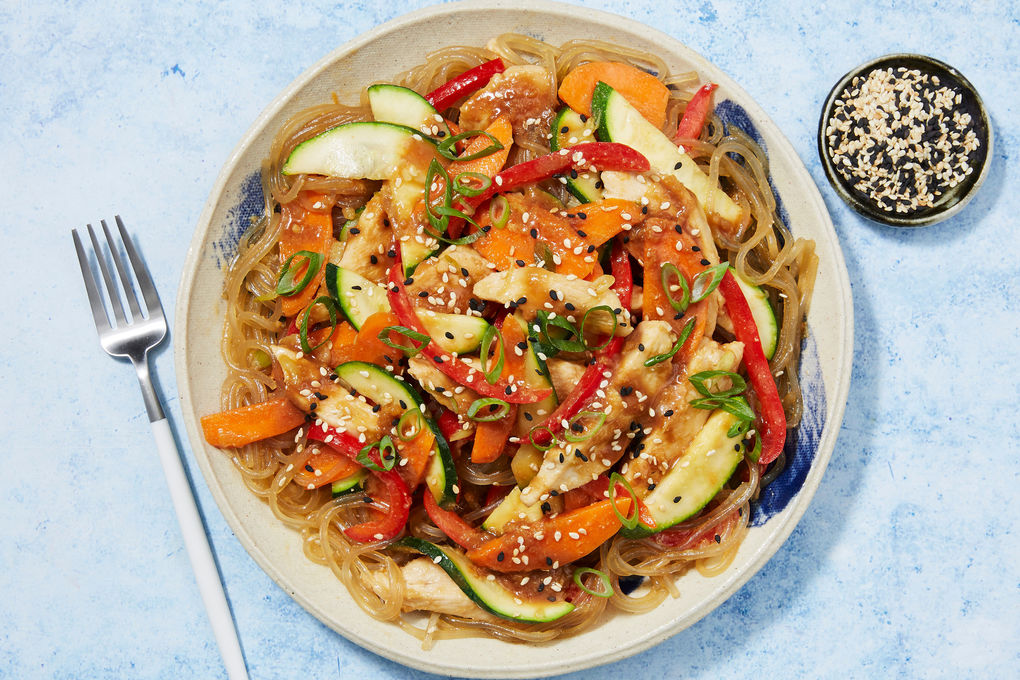
There you have it a foolproof Korean stirfry vegetables recipe that balances bold flavor, vibrant color, and satisfying crunch. Whether you stick to the classic gochujang sauce, borrow Maangchis little secret, or experiment with Chinese or Indian twists, the core technique stays the same: hot pan, quick toss, and love in every bite. Give it a try tonight, snap a photo of your masterpiece, and share it with friends. If youre hungry for more quick Asianinspired meals, check out the Korean tofu stirfry and Japchae guides below. Happy cooking!
FAQs
Can I use frozen mixed vegetables instead of fresh?
Yes—just make sure they’re thoroughly thawed and patted dry so excess moisture doesn’t steam the veggies and lose crunch.
What’s a good vegan substitute for the honey in the sauce?
Replace honey with maple syrup or agave nectar; both keep the sweet balance without using animal products.
How do I prevent the gochujang sauce from becoming watery?
Add the sauce at the very end of cooking and toss quickly over high heat; this lets it coat the veg and caramelize without breaking down.
Can I make this recipe ahead and reheat it?
Store the cooked stir‑fry in an airtight container in the fridge for up to three days. Reheat quickly over high heat for 1‑2 minutes to revive the crunch.
What other proteins pair well with this vegetable stir‑fry?
To keep it vegetarian, add tofu, tempeh, or a handful of toasted nuts. For meat eaters, thin‑sliced beef, chicken, or shrimp work great if added in the last minute of cooking.