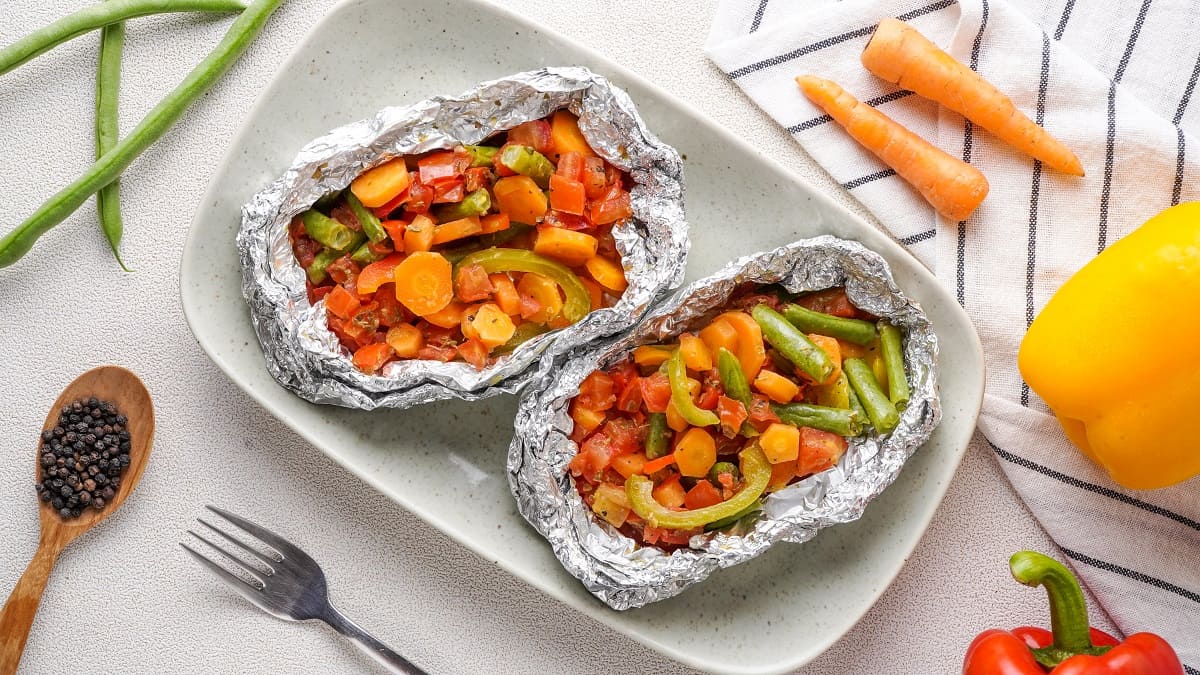
Want perfectly tender veggies without the splash of oil on the grill or the mess on the stovetop? Just wrap them in a sheet of aluminum foil, add a drizzle of olive oil, season, and let the heat do the rest. In about 20‑30 minutes you’ll have caramel‑kissed vegetables that stay juicy and flavorful whether you’re using the oven, a backyard grill, or a campfire.
Even frozen veggies can join the party, and the same simple packet works for root vegetables, potatoes, or a colorful medley of summer produce. Below you’ll find everything you need to master foil‑cooking, from the whys to the exact timing, plus a few personal tricks I’ve learned over countless backyard cookouts.
Why Use Foil
Benefits of Foil Cooking
Foil creates a mini‑steam chamber that locks in moisture, so your vegetables stay bright, crisp‑tender, and never dry out. It also keeps the grill grates or oven trays clean—a huge win when you’re juggling multiple dishes. Adding olive oil or a splash of broth lets you infuse flavors without the need for extra pans, making the whole process virtually hands‑off.
Potential Risks
There are a couple of things to watch out for. If you seal the packet too tightly, steam can build up and make the veggies soggy. A small tear in the foil can also cause juices to leak, leaving a mess on the grill. And yes, the occasional health question about aluminum—the FDA notes that using foil at normal cooking temperatures is considered safe, especially when you don’t reuse the same sheet multiple times.
Gear & Prep
Choosing the Right Foil
Heavy‑duty aluminum foil is the hero here. It resists tearing under the weight of veggies and olive oil, and it won’t cling to the food like thinner varieties sometimes do. If you’re grilling at higher heat or around an open flame, double‑wrap for extra peace of mind.
Essential Tools
- Baking sheet or grill pan (helps keep packets from slipping)
- Kitchen scissors (to cut foil quickly)
- Tongs (for flipping packets safely)
- Spray bottle of olive oil (or a drizzle bottle)
Prep Checklist
| Step | What to Do |
|---|---|
| 1 | Wash and cut vegetables to uniform size |
| 2 | Pat dry excess water – defeats the steam effect |
| 3 | Drizzle 1‑2 Tbsp olive oil per packet |
| 4 | Season with salt, pepper, herbs, or a squeeze of lemon |
| 5 | Fold foil into a sealed packet, leaving a tiny vent |
Oven Method
Preheat & Position
Set your oven to 400°F (200°C). Place the foil packets on a cookie sheet and slide the sheet to the middle rack. This ensures even heat circulation around each packet.
Timing Chart
| Vegetable | Cut Size | Cook Time |
|---|---|---|
| Zucchini, bell pepper | ½‑inch | 20‑25 min |
| Broccoli, carrots | ½‑inch | 25‑30 min |
| Potatoes, beets | 1‑inch | 30‑35 min |
If you’d like a step‑by‑step guide on vegetables in foil in oven, check out our detailed recipe for perfect results every time.
Flip Once
After half the time, open the oven briefly, use tongs to flip each packet, then reseal. This simple step gives the veggies a light caramel‑brown on both sides.
Finish & Serve
When the timer dings, open the packets carefully—steam will rush out, so keep a hand back. Add a final drizzle of olive oil, a sprinkle of fresh rosemary or thyme, and you’re ready to serve. I love pairing these with a squeeze of lemon; the acidity brightens the natural sweetness of the roasted vegetables.
Grill Method
Packet Prep for the Grill
Cut a 12×12 sheet of heavy‑duty foil, place your seasoned veggies in the center, and fold the edges up about a half‑inch to allow room for expansion. Seal the edges but leave a tiny slit on one side—that’s the vent that prevents sogginess.
Heat Levels
- Medium‑high (400°F): Grill for 15‑20 minutes total, flipping halfway (about 8‑10 minutes). This works great for mixed med‑hard veggies.
- High heat (450°F): Use for thin‑sliced squash or mushrooms; grill 8‑10 minutes total, watching closely to avoid burning.
Campfire Adaptation
Out in the wilderness, place the foil packet on a cast‑iron grate set over glowing embers, or nestle it directly among the coals. Adding a small, clean stone on top keeps the packet stable and lets the heat circulate from all sides. The same timing applies—just add a couple of minutes if the fire is cooler.
Safety Note
Avoid direct contact with open flame; it can melt the foil and create a nasty mess. Keep the packet a few centimeters above the coals or use a grill basket if you’re unsure.
Variations & FAQ
How to Grill Vegetables in Foil with Olive Oil?
Drizzle 1‑2 Tbsp of good‑quality olive oil over the veggies before sealing. Toss them gently so each piece gets a thin coating—this prevents sticking and adds that signature buttery flavor.
Can I Use Frozen Veggies?
Absolutely. No need to thaw; just increase the cooking time by about 5‑7 minutes. The foil will trap the extra steam released from the frozen pieces, keeping them from drying out.
Grilled Potatoes & Veggies in Foil Best Cut?
Parboil potatoes for 5 minutes first, then slice them ½‑inch thick. This gives the interior a head start, so the packet doesn’t need a super‑long grill time. Together with carrots or broccoli, they finish in the same 15‑20 minute window.
How Long to Grill Veggies in Foil?
Soft vegetables (zucchini, peppers) need 8‑10 minutes on high heat or 12‑15 minutes on medium‑high. Root vegetables (carrots, beets) need 15‑20 minutes on medium‑high. Use the vented packet trick to keep steam from making them mushy.
Root Vegetables in Foil Which Work Best?
Carrots, sweet potatoes, beets, and turnips all thrive in foil. Cut them into uniform 1‑inch chunks so they cook evenly, and give them an extra splash of broth if you like a richer flavor.
Common Mistakes & Fixes
- Tear in foil – Use heavy‑duty foil and double‑wrap if you’re handling a lot of weight.
- Soggy veggies – Leave a small vent, and avoid sealing the packet too tightly.
- Uneven cooking – Cut all pieces to the same size and flip the packet halfway through.
Health Benefits
Because the vegetables steam in their own juices, they retain up to 95% of water‑soluble nutrients, according to a peer‑reviewed study. Adding olive oil introduces heart‑healthy monounsaturated fats, while herbs like rosemary and thyme contribute antioxidants that help fight free radicals. Compared with deep‑fried side dishes, foil‑cooked vegetables are lower in calories and free from excess oil splatter.
Quick Cheat Sheet
Method Overview
| Method | Temp | Time | Best Veggies | Pro Tip |
|---|---|---|---|---|
| Oven bake | 400°F | 20‑35 min | Mixed med‑hard | Flip once |
| Grill (mid‑high) | 400°F | 15‑20 min | Courgette, peppers | Use heavy‑duty foil |
| Grill (high) | 450°F | 8‑10 min | Thin squash | Keep lid on |
| Campfire | Hot embers | 20‑30 min | Root veg, potatoes | Add a stone under packet |
Need a fast reference for vegetables in foil in oven? Keep this cheat sheet handy while you cook.
Conclusion
There you have it—a simple, mess‑free way to turn any vegetable into a caramel‑kissed, nutrient‑packed side, whether you’re at home, behind the grill, or huddled around a campfire. Pick the method that fits your schedule, follow the timing chart, and feel free to experiment with herbs, spices, or a splash of lemon. The best part? You’ll spend less time cleaning and more time enjoying the flavors.
Give it a try this week and notice how much easier healthy eating can be. If you’ve got a favorite foil‑recipe or a quirky seasoning blend, I’d love to hear about it—share your experience, and let’s keep the conversation cooking!
FAQs
What is the best way to seal a foil packet so the vegetables don’t steam away?
Fold the edges tightly, but leave a small slit or vent on one side. This releases excess steam while keeping most moisture inside.
Can I use regular thin foil instead of heavy‑duty foil?
Thin foil may tear under the weight of oil and veggies. For best results, use heavy‑duty or double‑wrap with regular foil to prevent leaks.
How long should frozen mixed vegetables cook in a foil packet?
Increase the cooking time by about 5‑7 minutes compared with fresh veggies. The foil will trap the extra steam released from the frozen pieces.
Is it safe to cook with aluminum foil at high grill temperatures?
Yes. The FDA states that foil is safe for normal cooking temperatures (up to 500 °F/260 °C). Avoid re‑using the same sheet repeatedly and keep the foil away from direct open flame.
What herbs and seasonings work best with foil‑cooked vegetables?
Fresh rosemary, thyme, garlic, lemon zest, and a pinch of smoked paprika add bright flavor. Mix them with olive oil before sealing the packet for even distribution.