Ever stared at your pantry and wished for a dinner thats both fiery and comforting, without spending hours in the kitchen? Youre not alone. The answer is jeyuk bokkeum a Korean spicy pork stirfry that bangs with flavor in under thirty minutes. Below youll get the exact recipe, a quick pronunciation guide, nutrition facts, and tips for serving it like a pro, all served with a friendly, chatty tone. Lets dive in and get cooking!
What Is Jeyuk Bokkeum
Definition and Korean Name
Jeyuk bokkeum () translates literally to seasoned pork stirfry. Its a staple in Korean home cooking and KoreanBBQ restaurants alike. The dish centers on thinly sliced pork (usually belly or loin) flashcooked with a blend of gochujang (Korean red pepper paste), garlic, ginger, and a splash of soy sauce.
Jeyuk Bokkeum Pronunciation
If youve ever hesitated on how to say it, youre not the only one. In Korean the sounds are /te.juk bok.km/. Think cheyookbawkuhm. Say it out loud a couple of times and youll sound like youve been ordering it at a Seoul joint for years.
Why Its Beloved
Beyond heat, jeyuk bokkeum delivers a sweetsavory balance that makes it perfect over plain rice or wrapped in lettuce. The quick cooking method keeps the pork tender, while the sauce caramelizes for that mouthwatering glaze we all crave.
Core Ingredients Nutrition
Ingredient Checklist
| Ingredient | Amount | Why It Matters |
|---|---|---|
| Pork belly or loin (thinly sliced) | 500g (1lb) | Provides rich flavor and a juicy texture |
| Gochujang (Korean red pepper paste) | 2Tbsp | Core heat, sweet depth, and umami |
| Soy sauce (or tamari for GF) | 1Tbsp | Salty backbone and color |
| Sesame oil | 1Tbsp | Nutty aroma that rounds the sauce |
| Garlic, minced | 3cloves | Sharp, aromatic punch |
| Ginger, grated | 1tsp | Fresh, warm spice |
| Brown sugar or honey | 1Tbsp | Balances heat with a touch of sweetness |
| Green onion, sliced | 2stalks | Fresh finish and color |
| Sesame seeds | 1tsp (optional) | Extra crunch and visual appeal |
| Optional veggies (onion, carrot, bell pepper) | cup total | Add texture and nutrients |
Calorie Breakdown
One cup (150g) of cooked jeyuk bokkeum contains roughly 300kcal. The macro split is about 20% protein, 30% carbs (mostly from the sauce), and 50% fat. If youre counting calories, you can trim the pork belly portion and swap in lean pork loin to drop the fat content while keeping the flavor.
Health Benefits & Risks
On the plus side, pork provides highquality protein and Bvitamins. Gochujang brings capsaicin, which can boost metabolism, and garlic offers hearthealthy allicin. The downside? The dish can be high in sodium (soy sauce) and saturated fat (pork belly). Moderation and smart ingredient swapslike lowsodium soy sauce or leaner cutshelp keep it balanced.
For an official look at USDA nutrition data, see USDA FoodData Central. The Korean Ministry of Food & Drug Safety also provides guidelines on sodium limits for homecooked meals here.
StepbyStep Recipe
Quick Overview (30Minute Timeline)
Mix, marinate for ten minutes, sear at high heat, and finish with a glossy saucedone in half an hour.
Detailed Steps
- Slice the pork. Cut the meat into thin strips (about inch wide). This ensures quick cooking and maximum sauce absorption.
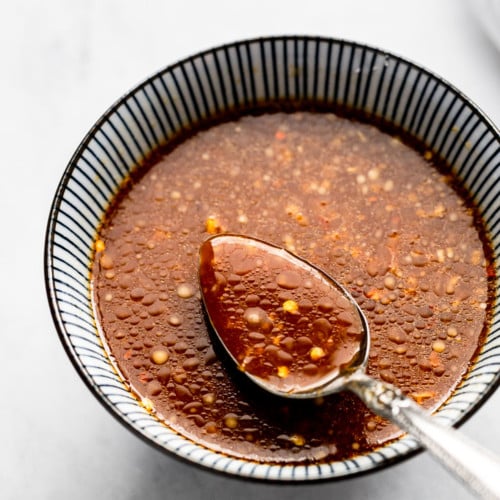
- Prepare the marinade. In a bowl combine gochujang, soy sauce, sesame oil, minced garlic, grated ginger, and brown sugar. Whisk until smooth.
- Marinate. Toss the pork slices in the sauce, let sit for at least 10minutes (up to 24hours in the fridge if you plan ahead).
- Heat the pan. Use a large wok or skillet over mediumhigh heat. A hot pan gives that desirable sear.
- Sear the pork. Add a splash of oil (vegetable or sesame) and spread the marinated pork in a single layer. Cook 23minutes per side until the edges caramelize.
- Add optional veggies. If you like crunch, toss in sliced onion, carrot, or bell pepper now and stirfry for another minute.
- Finish the sauce. Reduce the heat to medium, pour any remaining marinade into the pan, and let it thicken, stirring constantly. This should take about 23minutes.
- Garnish. Sprinkle sliced green onions and sesame seeds over the top.
- Serve. Spoon the sizzling pork over a bowl of steamed rice (jeyuk bokkeum bap) or wrap in lettuce leaves for a lowcarb option.
Chefs Visual Tips
Watch a quick stirfry demonstration from Maangchi for extra confidence in controlling the heat and achieving that gorgeous glaze.
Serving Ideas Variations
Classic Pairings
The most beloved way to eat jeyuk bokkeum is over a bed of fluffy white riceknown as jeyuk bokkeum bap. The rice soaks up the sauce, turning every bite into a sweetspicy delight. Another favorite is jeyuk deopbap, where the pork is mixed directly into the rice, creating a onebowl wonder.
Alternative Wraps
If youre looking to cut carbs, use crisp lettuce leaves, perilla leaves, or even collard greens. Place a spoonful of pork, add a dab of kimchi, and roll it up. The contrast between the cool leaf and the hot, saucy pork is pure magic.
Regional Twists
- KimchiJeyuk Bokkeum: Stir in a handful of wellfermented kimchi during the final minutes for a tangy punch.
- GochugaruHeavy: Add extra Korean red pepper flakes if you love the burn.
- HoneyGlazed: Swap brown sugar for honey for a smoother, floral sweetness.
SideDish Suggestions
Balance the heat with cooling banchan such as cucumber kimchi, steamed broccoli with a drizzle of sesame oil, or a simple miso soup. These sides keep the meal wellrounded and help moderate the spice.
Expert Tips Experience
Chef Insights
Chef ChrisCho (a wellknown Koreancook on YouTube) emphasizes the importance of a hotpan, quicksear technique: If the pan isnt screaming hot, the pork releases its juices too early, resulting in a soggy sauce. Follow his advice and youll get that glossy, restaurantquality finish.
RealWorld Anecdote
When I first tried jeyuk bokkeum at a friends house party, I was nervous about the spiciness. He told me to taste as you go and added a splash of rice vinegar at the last minute. The slight tang cut the heat perfectly, and I ended up making the dish for my own family a week later. The lesson? Adjust the flavor layers to suit your palatedont be afraid to tweak.
Common Pitfalls (and How to Avoid Them)
- Overcrowding the pan: Cook the pork in batches to keep the temperature high.
- Undermarinating: Even a tenminute rest lets the gochujang penetrate the meat.
- Using lowquality gochujang: Choose a brand that lists chili powder, fermented soybeans, and rice as primary ingredients for authentic depth.
Making It Ahead
You can marinate the pork up to 24hours in the refrigerator. When youre ready, simply sear and finish the sauce. Leftovers reheat beautifully on the stovetop with a splash of water to loosen the glaze.
Finding Jeyuk Bokkeum Near Me
Curious where to taste a professional version? A quick jeyuk bokkeum near me search usually highlights Korean BBQ restaurants and bistros in major cities. Many places serve it as a banchan (side) or as a main dish with rice. If youre traveling, ask locals for the best spotoften a hidden gem away from the tourist strip.
Conclusion
There you have iteverything you need to make, enjoy, and share jeyuk bokkeum. From a clear pronunciation guide to a stepbystep recipe, nutrition facts, and serving ideas, this dish is as versatile as it is tasty. Give it a try tonight, experiment with the variations, and feel free to riff on the sauce to match your taste. Cooking is a conversation, and wed love to hear how your first bite turned out. Happy cooking, and may your kitchen always be filled with delicious, spicy aromas!
FAQs
What cut of pork works best for jeyuk bokteum?
Thinly sliced pork belly gives rich flavor, but pork loin works too if you want a leaner version.
Can I make jeyuk bokteum ahead of time?
Yes—marinate the pork up to 24 hours, then stir‑fry when ready. Leftovers reheat well with a splash of water.
How spicy is traditional jeyuk bokteum?
The heat comes from gochujang and optional gochugaru; adjust by using less paste or adding a bit of honey or sugar to tame the spice.
What side dishes pair best with jeyuk bokteum?
Cool banchan such as cucumber kimchi, steamed broccoli with sesame oil, or a simple miso soup balance the heat nicely.
Is there a gluten‑free version of this recipe?
Swap regular soy sauce for tamari or a gluten‑free soy sauce, and ensure your gochujang brand is wheat‑free.