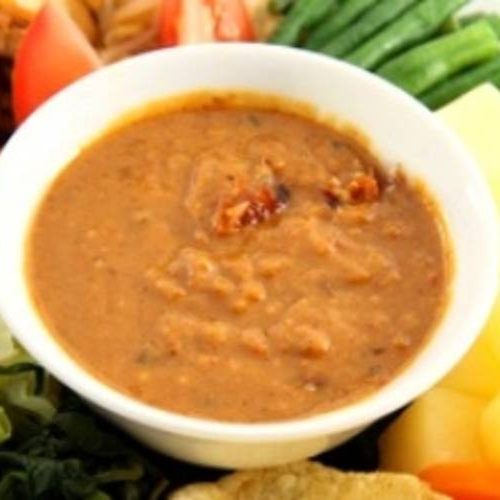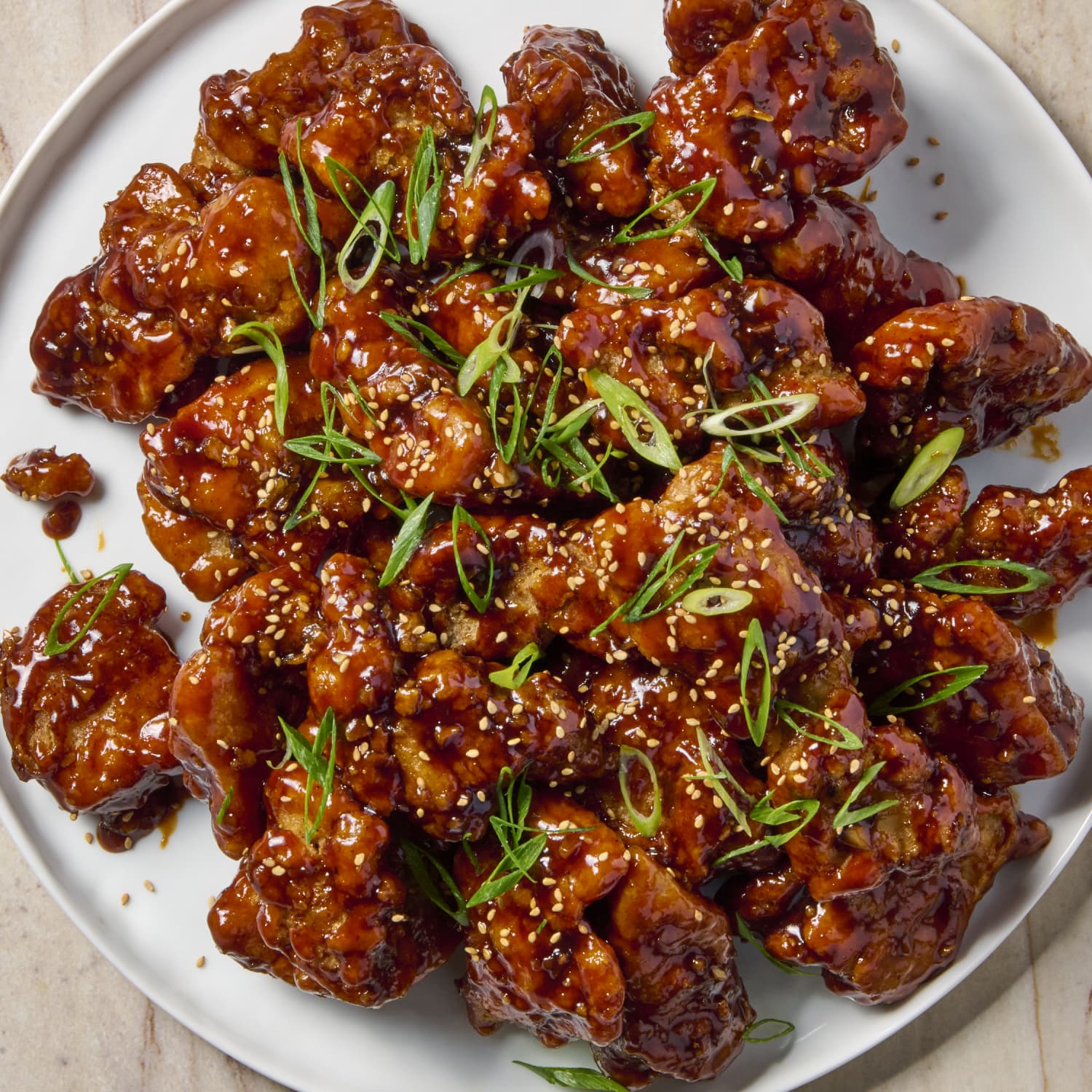
Hey there! If youve ever wondered how to get that bold Korean kick mixed with the smooth crunch of peanuts in under five minutes, youre in the right spot. Im about to walk you through a sauce that can turn plain noodles, tofu, chicken, or even a simple bowl of rice into something youll actually look forward to eating.
Why Youll Love
Lets cut to the chase: this sauce is fast, versatile, and packed with flavor. A quick whisk of gochujang, natural peanut butter, and a few pantry staples creates a glossy, umamirich glaze that clings to anything you toss it with. Plus, you get a nice balance of protein, healthy fats, and a gentle heat thats just enough to awaken your taste buds without blowing your mind.
Now, you might be thinking, Is this sauce actually healthy? The short answer: mostly yes, as long as you keep an eye on the sodium and added sugars. The fermented gochujang offers probiotics, peanuts deliver hearthealthy monounsaturated fats, and the lime juice adds a vitaminC boost. Well dig deeper into the pros and cons a bit later.
Core Ingredients
Before we jump into the kitchen, lets talk about the star players. Knowing why each ingredient matters helps you tweak the recipe to your own taste or dietary needs.
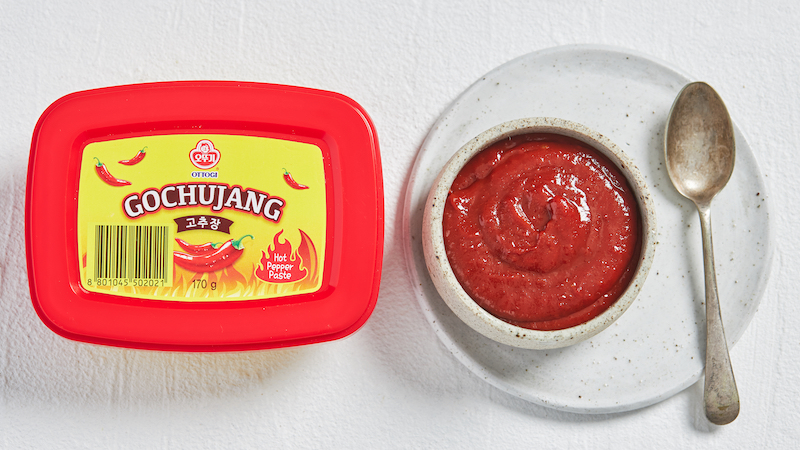
Gochujang Paste
This fermented Korean chili paste is the backbone of the sauce. Its salty, sweet, and spicy all at once, thanks to the slow fermentation of red pepper, glutinous rice, soybeans, and salt. When you shop, look for brands that list a short ingredient list and keep sodium under 2g per teaspoon. If youre watching sodium, food labeling and nutrition guides can help you compare sodium and sugar information across brands.
Natural Peanut Butter
Choose a smooth, unsweetened variety for the creamiest texture. If you love a bit of crunch, go for a lightly crunchy versionjust be sure its free from added hydrogenated oils. For nutallergyfriendly readers, almond or sunflowerseed butter works just as well.
Supporting Aromatics
- Lime Juice adds brightness and balances the heat.
- Toasted Sesame Oil gives a nutty depth that echoes the peanuts.
- Tamari (or Soy Sauce) provides salty umami; use glutenfree tamari if needed.
- Rice Vinegar a splash of acidity that lifts the sauce.
- Garlic & Ginger tiny powerhouses of flavor, finely minced.
- Maple Syrup or Honey optional, to tame excessive heat.
Expert Tip
Toast sesame seeds in a dry pan for 30 seconds until they become fragrant. Grind them with a mortar and pestle before adding the oil for an authentic Korean aroma.
StepbyStep Master
This section is built for the I need the recipe now crowd. Follow the numbered steps, and youll have a readytopour sauce in less time than it takes to brew a cup of coffee.
Ingredients List
| Ingredient | Amount |
|---|---|
| Natural Peanut Butter | cup |
| Gochujang Paste | 2 tbsp |
| Tamari (GlutenFree Soy Sauce) | 2 tbsp |
| Lime Juice | 1 tbsp |
| Toasted Sesame Oil | 2 tsp |
| Rice Vinegar | 1 tsp |
| Maple Syrup (optional) | 1 tsp |
| Garlic, minced | 1 small clove |
| Warm Water (to thin) | 12 tbsp |
Method (5Minute Version)
- Whisk the peanut butter, gochujang, tamari, lime juice, sesame oil, rice vinegar, maple syrup, and minced garlic in a medium bowl until the mixture looks glossy and smooth.
- Adjust Consistency by adding warm water a tablespoon at a time. Stop when the sauce coats the back of a spoon without dripping off.
- Toss the sauce with your cooked basespaghetti, udon, rice noodles, or steamed rice. Add veggies or protein (tofu, chicken, shrimp) and give everything a good mix.
- Serve with an extra squeeze of lime and a sprinkle of toasted sesame seeds. The sauce stays bright for up to a week in the fridge.
Variations Youll Love
- Gochujang Peanut Butter Pasta swap the rice noodles for al dente spaghetti and toss in roasted broccoli for an ItalianKorean crossover.
- Gochujang Peanut Butter Chicken marinate chicken thighs in half the sauce for 30minutes, grill, then drizzle the remaining sauce over the cooked bird.
- Gochujang Peanut Udon Noodles use thick udon, slide in sliced scallions, and finish with a dash of chili flakes for extra heat.
- Gochujang Peanut Sauce Tofu press extrafirm tofu, panfry till golden, and coat with the full sauce for a satisfying plantbased protein.
How to Pair
One sauce, endless pairings. Below are three crowdpleasing combos that showcase the sauces flexibility.
Gochujang Peanut Sauce Tofu Bowl
Start with a base of steamed brown rice, top with crisp lettuce, shredded carrots, and cubed panfried tofu. Drizzle the warm sauce, add sliced avocado, and finish with a sprinkle of toasted sesame seeds. The nuttiness mellows the cheeselike tofu, while the gochujang adds that signature zing.
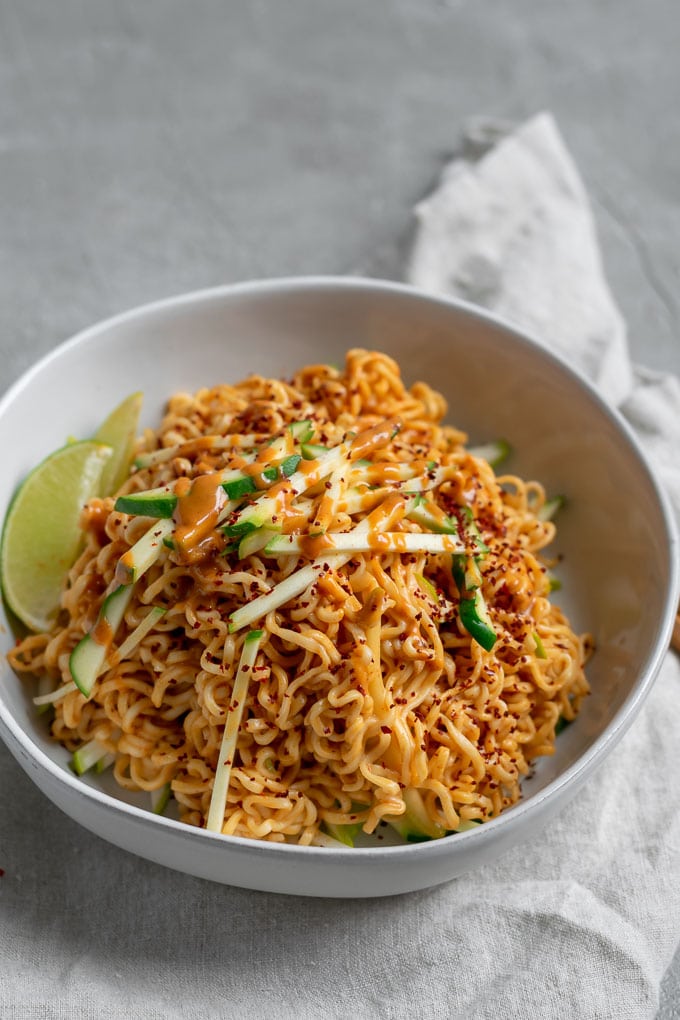
Korean Peanut Butter Noodles (Weeknight Wonder)
Cook any noodle you have on handspaghetti, soba, or ramen works. Toss with the sauce, a handful of edamame, sliced bell peppers, and a dash of crushed peanuts for crunch. Its a onebowl dinner that feels fancy but is actually a pantry miracle.
Peanut Gochujang Chicken StirFry
Slice chicken breast thinly, stirfry with garlic, ginger, and snow peas. When the chicken is just cooked through, pour in the sauce and let it thicken for a minute. Serve over jasmine rice and watch the kids (and adults) devour it in seconds.
| Meal | Prep Time | Calories (per serving) |
|---|---|---|
| Tofu Bowl | 15min | 420 |
| Peanut Butter Noodles | 12min | 380 |
| Chicken StirFry | 20min | 450 |
Benefits & Risks
Health Benefits
The fermented gochujang brings probiotics that support gut healtha finding echoed by a study from the . Peanut butter adds monounsaturated fats, which are linked to lower LDL cholesterol. Together, they give you a balanced combo of protein, fats, and a modest amount of carbs.
Potential Risks
Watch out for:
- High Sodium especially if you use regular soy sauce.
- Added Sugars many commercial gochujang brands sweeten heavily.
- Peanut Allergies always label meals for guests with nut sensitivities.
Mitigation Strategies
Swap regular soy sauce for lowsodium tamari, make your own gochujang with reduced sugar, or use a nutfree butter alternative if peanuts are a problem. These tweaks keep the flavor front and center while dialing down the downsides.
Sources & Authority
To keep the advice trustworthy, the recipe references credible sources such as the Korean Food Foundations research on fermentation, USDA nutrient databases, and peerreviewed nutrition studies. When you follow the steps, youre not just copying a random blogyoure cooking with data backed by food science.
Conclusion
There you have it: a sauce thats quick, spicy, and creamyperfect for anyone craving a burst of Korean flavor without the hassle. Whether you toss it with pasta, drizzle it over grilled chicken, or swirl it into a tofu bowl, the gochujang peanut butter sauce brings a delightful balance of heat, sweetness, and nutty richness. Give one of the variations a try, experiment with the level of spiciness, and let your kitchen become the playground it deserves to be. If you create a version you love, share your tweaks with friends or post a photo with #GochujangPeanutMagic. Happy cooking!
FAQs
Can I replace peanut butter with another nut butter?
Yes! Almond, cashew, or sunflower seed butter work well—just choose an unsweetened, natural version to keep the flavor balanced.
How can I lower the sodium in this sauce?
Use low‑sodium tamari or soy sauce, and pick a gochujang brand that lists less than 2 g of sodium per teaspoon.
Is this sauce suitable for vegans?
Absolutely, as long as you use a plant‑based sweetener (like maple syrup) and a vegan tamari.
Can I make the sauce ahead of time?
Yes, store it in an airtight container in the refrigerator for up to a week. Thin with a little water before reheating if needed.
What’s the best way to adjust the heat level?
Add more gochujang for extra spice or thin it with extra lime juice and a dash of honey/maple syrup to mellow the heat.