Did you know that the sweet‑spicy glow you see on a bowl of bibimbap actually comes from fermented rice, while the thick, earthy dip you love with grilled pork is a mash‑up of that same chili paste plus a soybean‑based sauce? If you’ve ever stared at the condiment aisle wondering which Korean paste belongs on your plate, you’re in the right spot. Below we’ll cut through the fluff, compare flavors, heat, nutrition, and give you a quick homemade ssamjang recipe all in a friendly, chatty style.
Core Difference Overview
Ingredient Base
Gochujang is built on a trio of red gochugaru (Korean chili flakes), glutinous rice, and fermented soybeans. Think sweet, glossy, and mildly pungent. Ssamjang starts with gochujang, then adds doenjang (a thick, salty soybean paste), plus sesame oil, garlic, and a pinch of sugar. The result is richer, chunkier, and a tad less fiery.
Quick One‑Line Snapshot
In plain English: gochujang = sweet‑spicy sauce; ssamjang = gochujang + doenjang = savory dip.
Mini Table
| Paste | Primary Base | Main Flavor Notes | Typical Use |
|---|---|---|---|
| Gochujang | Red pepper + rice | Sweet, spicy, glossy | Marinades, soups, bibimbap |
| Ssamjang | Gochujang + doenjang | Umami, nutty, mild heat | BBQ wraps, raw veggies, dips |
Ingredient Basics Explained
Doenjang – The Soybean Backbone
Doenjang is a fermented soybean paste that can sit on a shelf for years, developing a deep, earthy flavor. Korean food researchers note that the long fermentation (often 6–12 months) breaks down proteins into beneficial peptides according to the Korean Food‑Drug Administration. Its salty, yeasty, and the perfect counterbalance to the bright heat of gochujang.
Gochujang – The Chili‑Sweet Star
The magic of gochujang lies in its malted barley or rice, which feeds the fermentation microbes. After 2–3 months, the paste becomes a thick, ruby‑red spread that’s both sweet and spicy. A master chef from Seoul’s Gwangjang Market once told me, “Without the rice malt, gochujang would just be a hot pepper paste, no soul.” For those who want a deeper dive into making their own, check out this gochujang sauce recipe.
Ssamjang – The Hybrid
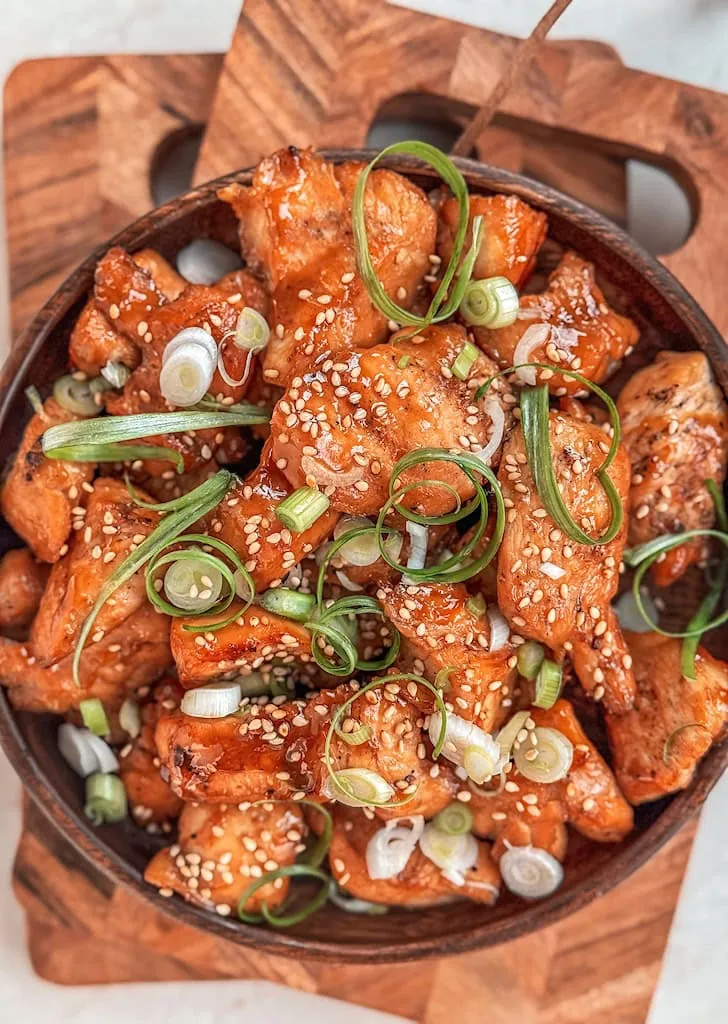
When you mix gochujang and doenjang in roughly a 2:1 ratio, then stir in toasted sesame oil, minced garlic, a drizzle of honey or sugar, and a sprinkle of roasted sesame seeds, you’ve got ssamjang. Some families add chopped peanuts or kimchi for extra texture—feel free to experiment! If you love the way sesame shines in dishes like the sesame ginger chicken Cheesecake Factory offers, you’ll appreciate the nutty finish of ssamjang.
Optional Add‑Ins
Quick variations you might love:
- Kimchi‑ssamjang (mix in finely diced kimchi)
- Peanut‑ssamjang (add crushed peanuts for crunch)
- Spicy‑sesame ssamjang (extra gochugaru)
Taste and Heat Profile
Sensory Breakdown
Both pastes share a common chili backbone, but the taste journey diverges:
- Gochujang: Sweet first, then a lingering heat that tingles the palate. The rice malt adds a subtle caramel note.
- Ssamjang: Starts with a savory, umami punch from doenjang, followed by a gentle heat and a creamy, nutty finish from sesame.
Heat Comparison
If you’re wondering which is spicier, gochujang or ssamjang? On the Scoville‑like scale used by Korean chefs, gochujang averages around 4,000 SHU (medium‑high), while ssamjang sits closer to 2,000 SHU (mild‑medium). The chill is softened by the soybean depth in ssamjang.
Flavor Pairing Guide
Here’s a quick cheat sheet:
- Use gochujang for stir‑fries, tteokbokki, and marinades where you want a glossy, sweet heat.
- Reach for ssamjang when you need a dip for grilled meat, fresh vegetables, or lettuce wraps—it balances richness with umami.
Real‑World Example
Last weekend I hosted a Korean BBQ for friends. The pork belly was seasoned simply with salt, but the real magic happened when we wrapped a piece in lettuce, added a slice of raw garlic, and spooned over ssamjang. Everyone said the dip tamed the fattiness and made the bite feel complete. If you try gochujang alone, you’ll get heat, but ssamjang adds that comforting depth.
Best Uses Guide
Ssamjang for Samgyupsal
When grilling samgyupsal (thick slices of pork belly), the classic approach is to dip the cooked meat into a small bowl of ssamjang before wrapping it in lettuce. The paste’s umami cuts through the pork’s grease, while the garlic and sesame add texture. This is exactly why ssamjang vs gochujang for samgyupsal is a common debate—gochujang can be too sweet for the rich meat, whereas ssamjang offers balance.
Gochujang in Bibimbap & Tteokbokki
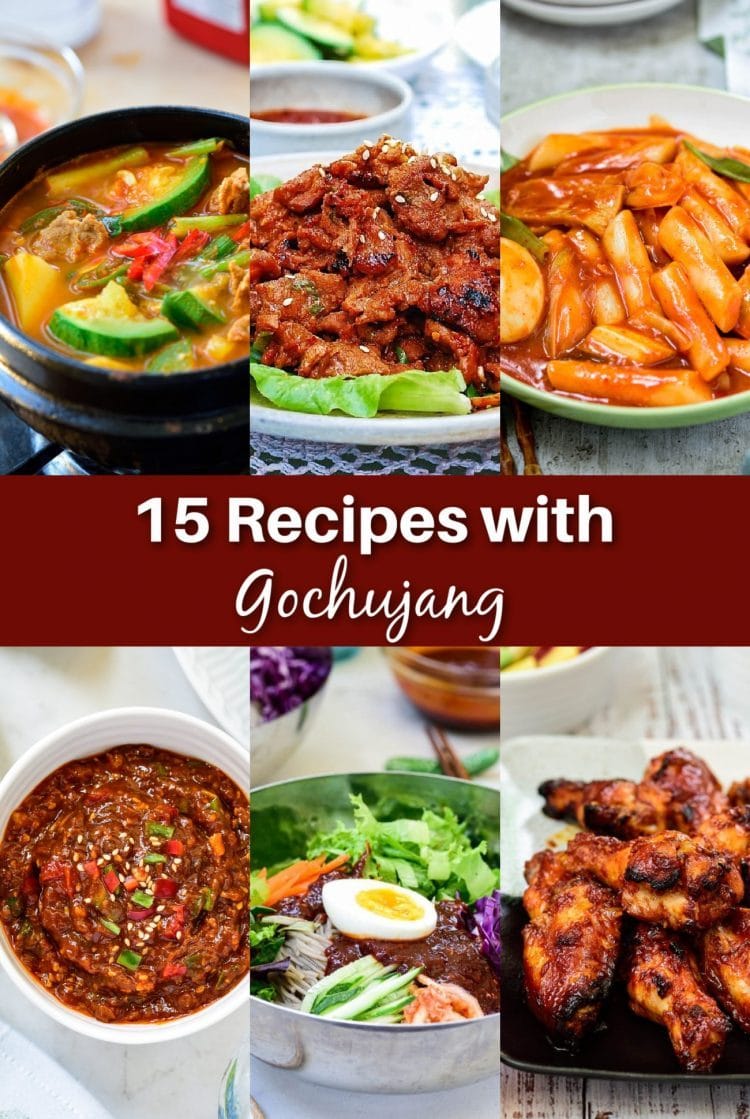
For bibimbap, a spoonful of gochujang mixed with a splash of sesame oil creates a glossy coating that ties all the veggies, rice, and fried egg together. In tteokbokki, it’s the heart of the sauce, delivering that signature sweet‑spicy kick. Want more ideas? Check out this gochujang sauce uses guide.
Doenjang in Stews
Doenjang shines in hearty soups like doenjang‑jjigae. Its robust soy flavor forms the base of the broth, making it perfect for cold winter evenings.
Hybrid Ideas
Ever tried marinating chicken in a blend of gochujang and ssamjang? The combination gives a double‑punch of sweet heat and deep umami. Just coat the chicken, let it sit for 30 minutes, then grill—your taste buds will thank you.
Pro Tip Box
Quick Ratio: 2 parts gochujang : 1 part doenjang + 1 tsp toasted sesame oil + 1 tsp minced garlic + a pinch of sugar. Adjust garlic and sugar to your preference.
Health Facts & Risks
Nutrient Snapshot
Both pastes are calorie‑dense (about 200 kcal per 100 g) because of the fermented grains and oil. They’re also high in sodium (1,200‑1,400 mg per 100 g) and contain beneficial compounds like capsaicin (from chili) and probiotics (from fermentation).
Potential Concerns
If you watch your sodium intake, use these pastes sparingly or look for low‑salt versions. The sugar content in gochujang can be noticeable, so those with blood‑sugar concerns should check the label.
Gut Health Benefits
Fermented foods support a healthy microbiome. A 2023 nutrition journal found that regular consumption of Korean fermented pastes contributed to increased diversity of gut bacteria, which may aid digestion and immunity.
Allergy Notes
Both contain soy and sesame—common allergens. If you’re sensitive, opt for a soy‑free gochujang (some specialty brands offer it) and omit sesame from ssamjang.
DIY Ssamjang Recipe
Ingredients (makes about 200 g)
- 2 tbsp gochujang
- 1 tbsp doenjang
- 1 tsp toasted sesame oil
- ½ tsp minced garlic (or 1 clove fresh)
- 1 tsp honey or brown sugar (adjust to taste)
- 1 tbsp roasted sesame seeds
- Optional: 1 tbsp finely chopped kimchi or 1 tbsp crushed peanuts
Instructions
- In a small bowl, combine gochujang and doenjang. Stir until you see a smooth, dark red‑brown mixture.
- Add sesame oil, minced garlic, and honey. Mix thoroughly; the honey should dissolve fully.
- Fold in roasted sesame seeds. If you’re feeling adventurous, toss in kimchi or peanuts now.
- Taste and adjust—add a pinch more sugar if you like it sweeter, or a dash more garlic for punch.
- Transfer to an airtight container and refrigerate. The flavor matures after an hour, but it’s ready to use immediately.
Common Mistakes
- Overmixing can make the paste gummy; a gentle stir is enough.
- Using too much honey can drown the savory notes—start with a teaspoon and add more only if needed.
- Skipping the resting time means you miss out on the flavors melding together.
Storage Tips
Keep ssamjang in the fridge, sealed tightly. It stays good for up to three months, though the aroma may deepen over time.
Quick Comparison Table
| Feature | Gochujang | Ssamjang |
|---|---|---|
| Base | Red pepper + glutinous rice | Gochujang + doenjang |
| Flavor | Sweet‑spicy, glossy | Umami‑savory, creamy |
| Heat (SHU) | ~4,000 (medium‑high) | ~2,000 (mild‑medium) |
| Best With | Marinades, bibimbap, tteokbokki | BBQ wraps, raw veg, samgyupsal |
| DIY Difficulty | Low (store‑bought) | Low‑medium (mix ratio) |
| Sodium (mg/100 g) | 1,200 | 1,400 |
| Calories (kcal/100 g) | 200 | 210 |
Conclusion
So, what’s the bottom line? Gochujang is your go‑to sweet‑spicy sauce for cooking, while ssamjang is the perfect savory dip that balances rich, fatty meats with its deep umami. Choose based on the dish and your heat tolerance: reach for gochujang when you need glossy heat, and grab ssamjang when you want a creamy, mellow lift. Try making the simple ssamjang recipe tonight—mix, chill, and slather it on your next samgyupsal night. You’ll discover how a tiny shift in flavor can transform the entire meal.
What’s your favorite way to use these Korean condiments? Have you experimented with a custom blend? Share your thoughts, and let’s keep the conversation flavorful!
FAQs
What is the main flavor difference between ssamjang and gochujang?
Gochujang is sweet‑spicy with a glossy texture, while ssamjang adds salty, earthy doenjang and sesame, giving it a richer, milder heat and creamy finish.
Can I use ssamjang instead of gochujang in bibimbap?
You can, but the dish will lose the characteristic sweet sheen. Ssamjang works best as a dip for grilled meats or veggies rather than a cooking sauce.
Is one of the pastes healthier than the other?
Both are fermented and provide probiotics, but they are high in sodium and calories. Ssamjang has slightly more salt due to doenjang, while gochujang often contains more sugar.
How do I substitute gochujang for ssamjang in a recipe?
Mix 2 parts gochujang with 1 part doenjang, add a splash of sesame oil, minced garlic, and a pinch of sugar or honey to mimic ssamjang’s depth.
What is the easiest way to make homemade ssamjang?
Combine 2 tbsp gochujang, 1 tbsp doenjang, 1 tsp toasted sesame oil, minced garlic, honey (or brown sugar), and roasted sesame seeds. Stir, let rest, and refrigerate.