Did you know you can bring the comforting taste of a Japanese restaurant straight to your kitchen in under an hour? This guide gives you everything you need to make a delicious, authenticstyle Japanese katsu curry thats both butteryrich and satisfyingly crunchy. No endless scrolling, no vague instructionsjust a friendly, stepbystep walkthrough that will have you plating a restaurantquality dish tonight.
What Is Katsu Curry?
Katsu curry is essentially two classics married together: a thick, mellow Japanese curry sauce and a goldenbrown fried cutlet (usually chicken, but pork or even tofu work just as well). The result? A bowl of fluffy rice topped with velvety sauce and a crispy, juicy piece of meat that soaks up every drop of flavor.
How does Katsu Curry differ from a standard Japanese curry?
Regular Japanese curry is just the sauce and ricethink of it as a hearty stew. Katsu curry adds a textural contrast: the crunchy breaded cutlet brings a burst of savory juiciness that the smooth sauce alone cant provide. Its the culinary equivalent of a hug and a highfive at the same time.
Minihistory (quick flash)
After World WarII, Japanese households embraced inexpensive curry blocks, and the idea of topping the sauce with a fried cutlet quickly caught on. Today its a staple in chain restaurants like Wagamama and in cosy home kitchens alike.
Core Ingredients & Tools
Essential Katsu Curry Ingredients
| Ingredient | Typical Amount | Substitutions / Tips |
|---|---|---|
| Chicken thigh or breast (cutlet) | 2150g | Pork cutlet, tofu for veg |
| Panko breadcrumbs | 1cup | Homemade breadcrumbs |
| Japanese curry cubes (e.g., Golden Curry) | 1block (8pieces) | Curry paste, homemade roux |
| Onion, carrot, potato | 1large, 1carrot, 1potato | Add apple for sweetness |
| Shortgrain rice | 2cups cooked | Sushi rice or jasmine as fallback |
| Oil / butter | 2Tbsp | Mix for richer flavor |
Kitchen Gear Youll Need
- Large skillet or deepfat fryer (for the cutlet)
- Medium saucepan (for sauce)
- Rice cooker or pot with lid
- Meat thermometer (optional, for oil temperature)
Pro tip from an expert chef
Keep the oil at 170180C (340355F). Too hot and the coating burns before the meat cooks; too low and you end up with a soggy, greasy cutlet.
StepbyStep: From Prep to Plate
Prep the Rice
Rinse 2cups of shortgrain rice under cold water until the water runs clear. Cook it with 2cups water in a rice cooker or a pot. When its done, let it sit covered for 10minutes; this steam stage makes each grain fluffy and separates perfectly from the sauce.
Build the Curry Sauce
- Saut chopped onion, sliced carrot, and diced potato in butter for 5minutes, until theyre softened and fragrant.
- Add 3cups water and bring to a gentle boil.
- Drop in the Japanese curry cubes and stir until completely dissolved. If you prefer a smoother texture, use an immersion blender for a quick puree.
- Simmer for 1012minutes, allowing the vegetables to become tender and the sauce to thicken.
Expert shortcut
If youre short on time, a readymade Japanese curry paste works just as well. Add it to the sauted veggies and youve got an easy katsu curry recipe in under 20minutes.
Fry the Chicken Katsu
- Pat the chicken dry and season lightly with salt and pepper.
- Set up a dredging station: flour beaten egg panko. Press the panko gently so it adheres without crushing.
- Heat oil to the right temperature (use a thermometer or test with a breadcrumbif it sizzles and turns golden in 20seconds, youre good).
- Fry the cutlet 34minutes per side, turning once, until the coating is deep gold and the meat reaches an internal temp of 75C (165F).
- Drain on paper towels and slice diagonally for a nice presentation.
Troubleshooting table
| Issue | Cause | Fix |
|---|---|---|
| Soggy cutlet | Oil too cool | Heat oil to 170180C |
| Uneven browning | Overcrowding pan | Fry in batches |
| Dry meat | Overcooking | Stop at 75C internal temp |
Assemble the Dish
Place a generous mound of steaming rice on a bowl, ladle the creamy curry sauce over it, and lay the sliced chicken katsu on top. Finish with a drizzle of tonkatsu sauce, a scattering of chopped scallions, and a few pickled ginger slices for a pop of acidity.
Plating inspiration
For an Instagramready look, arrange the katsu slices in a fan shape, let the sauce cascade down the side, and garnish with a tiny sprinkle of sesame seeds.
Variations & Pro Hacks
Easy Katsu Curry for Beginners
Use storebought curry blocks plus frozen prebreaded cutlets. The whole process can be done in 30minutes, and the flavor is still spoton. This is a great entry point if youre just learning to balance the roux and the fried element.
Timesaving checklist
- Buy precut chicken pieces
- Have water, oil, and rice ready
- Use a microwavesafe bowl for quick rice heating
Pork vs. Chicken vs. Veggie Katsu
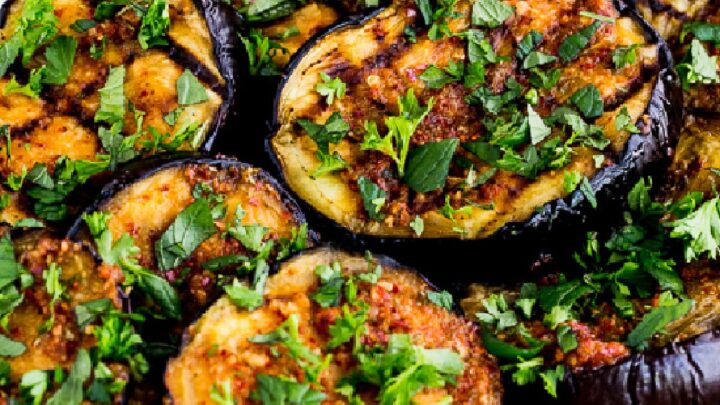
Chicken offers a lighter bite, while pork gives a richer, fattier mouthfeel. For vegetarians, try breaded eggplant or tofuboth soak up the curry beautifully and keep the texture contrast.
Nutritional snapshot (per serving)
| Version | Calories | Protein | Fat |
|---|---|---|---|
| Chicken | 650kcal | 30g | 20g |
| Pork | 720kcal | 28g | 28g |
| Veggie (tofu) | 580kcal | 22g | 16g |
WagamamaStyle Katsu Curry
If you love the chains slightly spicier, sweeter version, add a splash of apple juice and a pinch of extra garlic to the sauce. The result mirrors the Wagamama katsu curry recipe with its signature bright note.
Comparison Table Home vs. Wagamama
| Feature | Homecooked | Wagamama |
|---|---|---|
| Sweetness | Apple () | Apple juice ( cup) |
| Heat | Mild | Mediumspicy |
| Prep Time | 25min | 30min |
| Cost | $8 | $12 |
Make Japanese Golden Curry from Scratch
For the ultimate purist experience, try the Japanese golden curry recipe. Melt butter, whisk in flour, then stir in Japanese curry powder, a touch of honey, and a grated apple. This homemade roux gives you control over sweetness, salt, and spice level.
Ingredient ratios (4 servings)
- Butter: 3Tbsp
- Allpurpose flour: 3Tbsp
- Japanese curry powder: 2Tbsp
- Apple (grated): cup
- Honey: 1Tbsp
- Water or stock: 3cups
Common Mistakes & How to Fix Them
Soggy Cutlet, Bland Sauce, Overcooked Rice
- Soggy cutlet: Make sure the oil is hot enough; a quick test with a breadcrumb should fizz and turn gold in 20seconds.
- Bland sauce: Dont skimp on the curry cubes, and finish with a dash of soy sauce or a sprinkle of furikake for depth.
- Overcooked rice: Use a timer and the steaming rest period; it prevents the grains from turning mushy.
Quickfix cheat sheet (downloadable PDF)
Consider keeping a small reference card in your kitchen drawera reminder of temperature, timing, and seasoning tweaks.
Health Benefits & Potential Risks
Nutritional Profile of a Standard Serving
A typical bowl delivers roughly 650kcal, 30g protein, 80g carbs, and 20g fat. It supplies a good mix of carbohydrates for energy, protein for muscle repair, and a modest amount of healthy fats.
Balancing the Meal
Swap white rice for brown rice or cauliflower rice if youre watching carbs. Choose lowsodium Japanese curry cubes, or rinse the cubes briefly before adding them to reduce salt.
Risks to Be Aware Of
Premade curry blocks often contain added sodium and saturated fat from the butter in the roux. Frying the cutlet adds extra saturated fat as well. If you have dietary concerns, you can:
- Bake the cutlet at 200C for 15minutes instead of deepfryingstill crispy, less oil.
- Use glutenfree panko and a glutenfree curry block for those with sensitivities.
- Reduce the amount of oil and finish the cutlet with a spray of cooking oil for a lighter crust.
Evidence & Sources
According to a 2024 report by Japans Ministry of Health, limiting sodium intake to under 2,300mg per day lowers hypertension riska good reminder to taste before you salt.
Final Thoughts & CalltoAction
There you have iteverything you need to create an authentic, restaurantquality Japanese katsu curry right at home. From picking the right katsu curry ingredients to mastering the oil temperature, each step builds a dish thats comforting, flavorful, and impressively balanced. Now, its your turn to experiment: maybe add a pinch of chili flakes for heat, try pork instead of chicken, or serve it over cauliflower rice for a lowcarb twist.
Feel free to share your own twists, ask questions, or let us know how your first attempt turned out. Happy cooking, and enjoy every bite of that golden, saucy goodness!
FAQs
How do I know when the oil is hot enough for frying the katsu?
Drop a single breadcrumb into the oil; it should sizzle and turn golden in about 15‑20 seconds. Using a thermometer, aim for 170‑180 °C (340‑355 °F).
Can I use a different meat or make a vegetarian version?
Absolutely! Pork cutlets, beef, or firm tofu work well. Just follow the same breading and frying (or baking) steps.
What can I substitute for Japanese curry cubes?
You can use Japanese curry paste, homemade roux, or even a blend of curry powder, garam masala, and a touch of honey for sweetness.
How long should I let the rice rest after cooking?
After the rice finishes cooking, keep it covered and let it steam for 10 minutes. This gives each grain a fluffy, separate texture.
How can I make the katsu less oily without losing crunch?
Try baking the breaded cutlet at 200 °C (400 °F) for 15‑18 minutes, then finish with a quick spray of cooking oil or a brief flash‑fry for extra crispness.