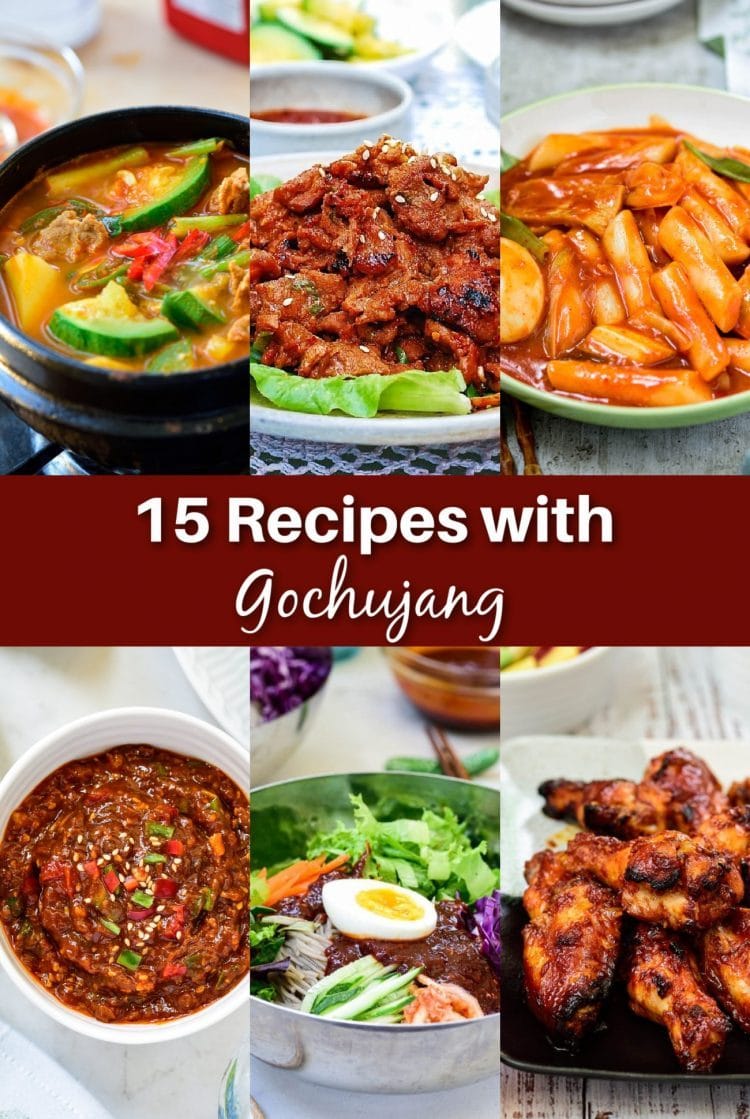
Got a handful of veggies and a craving for Korean flavor? In the next few minutes youll learn a korean vegetables recipe thats so simple you can pull it together after work, and so tasty youll wonder why you ever skipped banchan. Whether youre feeding a family, mealprepping for the week, or just looking for a new side dish, this guide has you covered.
Why Try Korean Veggies
First off, Korean vegetable side dishes (or banchan) are little powerhouses of nutrition. A typical serving delivers fiber, vitaminsC andK, and a modest amount of proteinall while staying under 100 calories. The secret sauce, chojang, balances sweet, sour, salty, and spicy notes, making the veggies pop with flavor that you cant get from plain steamed broccoli.
Beyond the health perks, these dishes connect you to Korean culture without the need for a pricey restaurant bill. The techniquesblanching, quick stirfrying, and seasoning with gochujangare easy to master, and once youve got the basics down, the korean stir fry vegetables recipe becomes a launchpad for endless creativity.
Core Ingredients & Tools
Pull these items from your pantry or local Asian market, and youre ready to roll.
| Category | Typical Options | Substitutes | QuickPrep Tip |
|---|---|---|---|
| Veggies | Broccoli, bokchoy, carrots, green beans, cauliflower | Snow peas, zucchini, radish | Cut to uniform size for even blanching |
| Seasoning | Gochujang, soy sauce, sesame oil, ricevinegar, garlic, ginger | Miso+chili paste (glutenfree) | Use lowsodium soy for hearthealth |
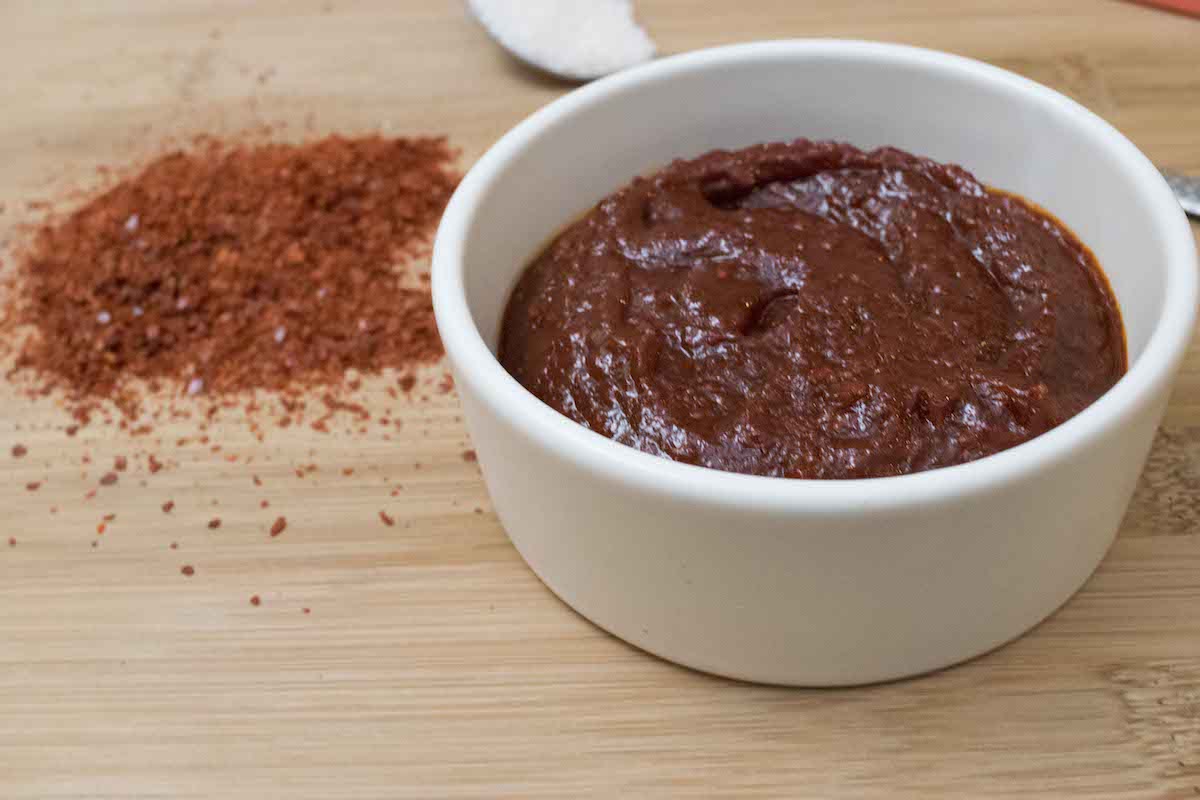
| Dressing | Chojang (gochujang+vinegar+sugar+sesame oil) | Gochugarubased version | Whisk until smoothno lumps |
| Tools | Large pot, colander, kitchen shears, whisk, icewater bowl | Have icewater ready for the blanch |
If youre not sure where to source authentic gochujang, Maangchis Korean stir fry vegetables recipe page lists reliable brands and even a DIY method.
StepbyStep Recipe
1 Prepare & Blanch the Vegetables
Bring a pot of salted water to a rolling boil. Toss in the veggies in small batchesabout 3045 seconds eachjust until they turn a brighter shade. Immediately plunge them into an icewater bath; this stops cooking, locks in the crunch, and keeps the colors vivid. Pat them dry with a clean kitchen towel before moving on.
2 Make the Classic Chojang Dressing
Combine 2Tbsp gochujang, 1Tbsp ricevinegar, 1tsp sugar, 1tsp sesame oil, and a minced garlic clove. Whisk vigorously until the mixture looks glossy and the sugar dissolves completely. Taste and adjust: a splash more vinegar brightens, while an extra pinch of sugar tames heat.
3 Toss & Finish
In a large bowl, gently toss the blanched vegetables with the chojang dressing. Sprinkle toasted sesame seeds and thinly sliced green onions on top. Serve warm, at room temperature, or even chilledeach way brings a different texture experience.
ProTip: Add a Pinch of Seaweed
Finely shredded gim (seaweed) or nori adds an umami boost that feels like a secret handshake between flavors.
Delicious Variations
Korean StirFry Vegetables (Yachae Bokkeum)
If you prefer a hot, caramelized bite, skip the blanch and stirfry the veggies in a splash of sesame oil, minced garlic, and a dollop of gochujang. The result is a richer, slightly smoky korean stir fry vegetables maangchi style dish.
QuickPickled Banchan
Thinly slice cucumbers, carrots, and radish. Toss with a 2:1 vinegartosugar solution, add a pinch of salt, and let sit for 30minutes. This tangy side pairs perfectly with the warm blanched version and adds variety to a Korean side dishes list.
Bibimbap Base
Use the same mixedveg blend as the foundation for a classic bibimbap. Place the veggies over steamed rice, add a fried egg, a drizzle of extra gochujang, and youve got a complete meal in under 20minutes.
Comparison Table of Common Korean Veggie Sides
| Dish | Main Veg | Cooking Method | Typical Serving | Prep Time |
|---|---|---|---|---|
| Kongnamul Muchim | Soybean sprouts | Blanch + seasoning | Warm | 10min |
| Sigeumchi Namul | Spinach | Blanch + sesame oil | Cold | 8min |
| Hobak Bokkeum | Zucchini | Stirfry | Warm | 12min |
| Our Blanched Veg w/ Chojang | Mixed veg | Blanch + toss | Warm/Room | 15min |
For a deeper dive into the full Korean side dishes list, Korean Bapsangs Korean side dishes list is a treasure trove of inspiration.
Common Questions Answered
What vegetables work best in a Korean vegetables recipe?
Crunchy, quickcooking veg like broccoli, bokchoy, carrots, green beans, and cauliflower shine the most. Their texture holds up during blanching and absorbs the chojang without turning mushy.
How do I adjust the chojang dressing for less heat?
Cut the gochujang in half and add a splash more ricevinegar or a drizzle of honey. The balance shifts toward sweetsour, perfect for kids or sensitive palates.
Can I make this recipe glutenfree?
Absolutely. Swap regular soy sauce for tamari and doublecheck that your gochujang brand is certified glutenfree. The flavor profile remains virtually unchanged.
Is it okay to prepare the veg ahead of time?
Blanched vegetables stay fresh for up to 24hours in the fridge, as long as you store the dressing separately. When youre ready to eat, simply toss them together.
Whats the difference between namul and bokkeum?
Namul refers to seasoned vegetables that are usually blanched and served cold or at room temperature, while bokkeum means stirfried, served hot. Both belong to the broader family of korean vegetable side dishes.
Pro Tips for Perfection
1. Icewater shock preserves that snap you love.
2. Dont overcrowd the pan when stirfrying; the veggies should sizzle, not steam.
3. Taste as you gothe sweetsourspicy balance is personal.
4. Microplane garlic for an even flavor spread.
5. Batchcook on Sundays and freeze portions; youll have a readytogo side for busy weekdays.
Finding Authentic Ingredients
Most big supermarkets now carry a small Asian aisle where you can snag gochujang, sesame oil, and toasted sesame seeds. If you want to go the extra mile, explore a local Korean groceryHMart, for instancewhere youll find wholegrain rice vinegar, fermented soybean paste, and even fresh seaweed. For the adventurous, trying a DIY gochujang blend with fermented red pepper flakes, soy sauce, rice wine, and honey can be a fun weekend project.
Nutrition Snapshot
| Nutrient (per cup) | Approx. Amount | Health Benefit |
|---|---|---|
| Calories | 70kcal | Lowcalorie side |
| Protein | 3g | Supports muscle repair |
| Fiber | 4g | Aids digestion |
| VitaminC | 30%DV | Immune boost |
| Iron | 6%DV | Energy production |
These numbers come from the USDA FoodData Central and recent Korean nutrition studies, reinforcing that a simple korean vegetables recipe packs a serious health punch.
WrapUp
With just a few pantry staples and a quick blanch, you can whip up a vibrant Korean vegetables recipe thats nutritious, versatile, and genuinely Korean. Whether you serve it as a banchan, stirfry, or the foundation for a hearty bibimbap bowl, the chojang dressing ties everything together with that perfect sweetsourspicy harmony.
Give it a try tonightexperiment with the veggies you have on hand, tweak the heat level to your taste, and let the flavors transport you to a bustling Korean market street. If you discover a twist you love, Id love to hear about it. Happy cooking!
FAQs
What vegetables work best for a Korean vegetables recipe?
Crunchy, quick‑cooking veggies like broccoli, bok choy, carrots, green beans, and cauliflower give the best texture and absorb the chojang flavor nicely.
How can I reduce the heat in the chojang dressing?
Use half the amount of gochujang and add a bit more rice vinegar or a drizzle of honey to balance the spiciness with sweet‑sour notes.
Is this recipe suitable for a gluten‑free diet?
Yes—swap regular soy sauce for tamari and ensure your gochujang brand is certified gluten‑free.
Can I prepare the vegetables ahead of time?
Blanched vegetables keep fresh for up to 24 hours in the refrigerator if stored separately from the dressing; simply toss together when ready to serve.
What’s the difference between namul and bokkeum in Korean cooking?
Namul refers to seasoned, often blanched vegetables served cold or at room temperature, while bokkeum means stir‑fried vegetables served hot.