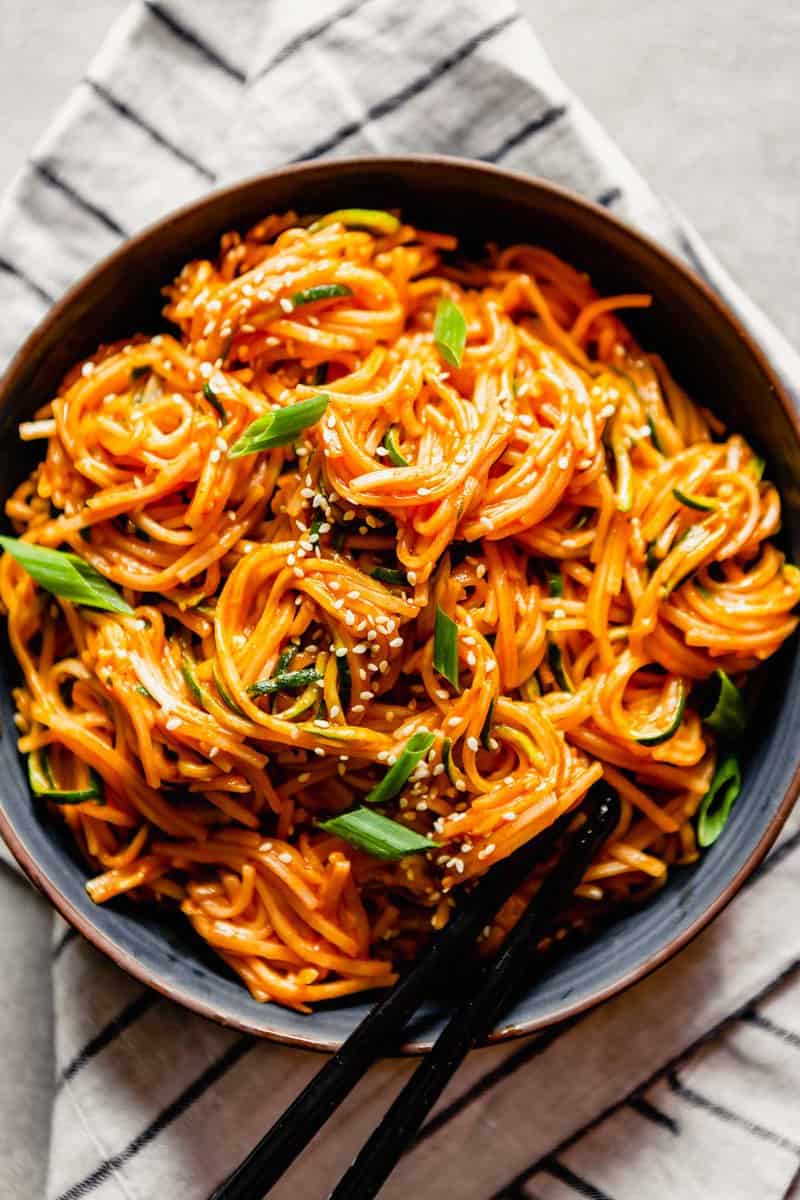
Want a spicysweet kick without a complicated recipe? In 10minutes you can turn any bowl of noodles into a Koreanflavored masterpiecejust by mastering how to use gochujang paste in noodles.
Below youll get the sauce basics, noodlepairing tips, three foolproof recipes (including a creamy version), and the doanddonts that keep the heat just right. Lets dive in and make your next noodle night unforgettable.
Why Gochujang Rocks
What Gochujang Brings to the Table
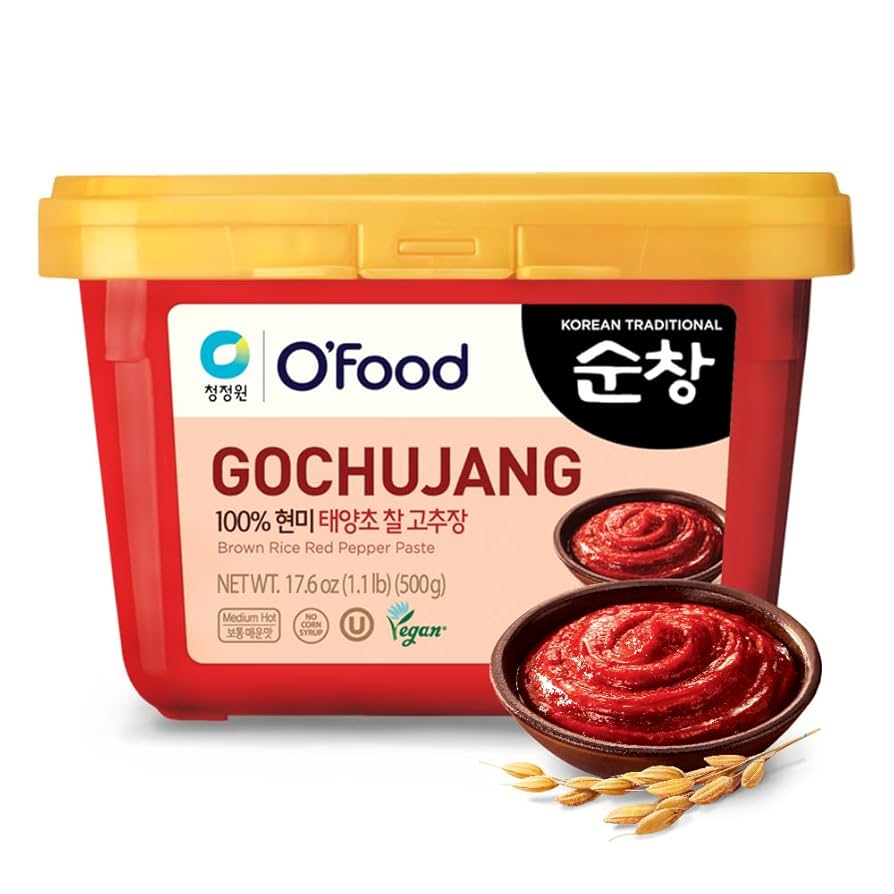
Gochujang is a fermented Korean chili paste made from red chili powder, glutinous rice, fermented soybeans, and salt. The fermentation gives it a deep umami backbone, while the chilies add a sweetheat thats instantly recognizable. Think of it as the Korean cousin of sriracha, only richer and a little stickierperfect for clinging to noodles.
Health Perks and Cautions
Because its fermented, gochujang contains probiotics that can support gut health. The capsaicin from chilies may boost metabolism and even release endorphinshence the feelgood aftertaste. On the flip side, its relatively high in sodium, so if youre watching your salt intake, measure carefully. According to a nutrition profile from the U.S. Food & Drug Administration, a tablespoon of gochujang can contain up to 350mg of sodium, roughly 15% of the daily recommended limit.
Story From My Kitchen
The first time I tossed gochujang into a bowl of spaghetti was on a rainy Tuesday in Seoul. I had forgotten my usual ramen broth, so I improvised with what I hadspaghetti, a spoonful of gochujang, and a dash of sesame oil. The result? A comforting, slightly sweet heat that made me forget the storm outside. That night taught me that the paste isnt just a condiment; its a flavor catalyst.
Pick the Right Noodles
Best Noodles for Gochujang
| Noodle Type | Texture | Absorption | Cooking Time |
|---|---|---|---|
| Wheat Spaghetti | Firm, al dente | Good | 810min |
| Udon | Chewy, thick | Excellent | 1012min |
| Rice Noodles | Silky, delicate | Moderate | 46min |
| Soba | Nutty, slightly firm | Fair | 57min |
| Soba | Nutty, slightly firm | Fair | 57min |
Wheatbased noodles like spaghetti or ramen have a surface that grabs the sticky gochujang sauce well, while thick udon noodles create a satisfying chew that balances the heat. If you need a glutenfree option, rice noodles work nicelyjust rinse them after cooking to stop the starch from making everything gummy.
LowCarb Alternatives
For a lowcarb spin, try shirataki noodles or even spiralized zucchini. The trick is to drypan them quickly before adding the sauce; this removes excess moisture and lets the gochujang cling better.
Build the Sauce
Basic Gochujang Sauce Formula
Start with a simple fiveingredient ratio. Its flexible, but the balance works for almost any noodle type:
- 2Tbsp gochujang
- 2Tbsp soy sauce (lowsodium if youre watching salt)
- 2Tbsp water or broth
- 1tsp toasted sesame oil
- tsp honey or maple syrup (optional, for a touch of sweetness)
Combine the liquid ingredients in a small saucepan, whisk over medium heat for 23minutes until it bubbles lightly, then stir in the sesame oil. The sauce should be glossy and coat the back of a spoon.
Adjusting Heat, Sweetness, and Thickness
If you love extra heat, sprinkle in a pinch of gochugaru (Korean chili flakes) or a dash of sriracha. For a sweeter profile, add a bit more honey or a splash of mirin. Too thick? Thin it with a splash of broth or even a little milk for a creamy variation (more on that later). Too salty? Balance with a teaspoon of rice vinegar or a pinch of sugar.
Quick Fixes for Common Mistakes
Overcooked sauce can become gritty. If that happens, rescue it by whisking in a teaspoon of cornstarch slurry (cornstarch mixed with cold water) and simmer for another minute. If the sauce separates, simply return it to low heat and stir vigorously; the emulsion will come back together.
Easy Gochujang Recipes
Easy Gochujang Noodles
This is the goto recipe when youre short on time. Youll need spaghetti (or any quickcook noodle), the basic sauce from above, and a handful of green onions.
- Cook 200g spaghetti according to package directions; reserve cup pasta water.
- While the pasta cooks, whisk together the sauce ingredients.
- Drain the noodles, toss them back into the pot, pour the sauce over, and add reserved pasta water a tablespoon at a time until the coating looks silky.
- Finish with sliced green onions and a sprinkle of toasted sesame seeds.
Ready in under 15minutes, this dish packs a punch and satisfies any craving for gochujang noodles recipe easy.
Creamy Gochujang Noodles
For a richer mouthfeel, blend the gochujang sauce with tahini or a spoonful of miso. The nutty notes mellow the heat and create a velvety texture that kids love.
- Prepare udon noodles according to the package (about 10minutes).
- In a bowl, mix 2Tbsp gochujang, 1Tbsp tahini, 1Tbsp soy sauce, cup warm broth, and tsp sesame oil.
- Stir until smooth, then toss with the cooked udon.
- Garnish with thinly sliced cucumber, shredded carrots, and a drizzle of toasted sesame oil.
The result is a bowl of creamy gochujang noodles that feels like a hug for your taste buds.
Gochujang Udon Noodle Soup
If youre after comfort, turn the sauce into a broth.
- Bring 3cups dashi or vegetable broth to a simmer.
- Add 1Tbsp gochujang, 1Tbsp soy sauce, and 1tsp sesame oil; whisk until fully dissolved.
- Cook udon noodles directly in the broth for 34minutes.
- Top with sliced scallions, a softboiled egg, and a handful of baby spinach.
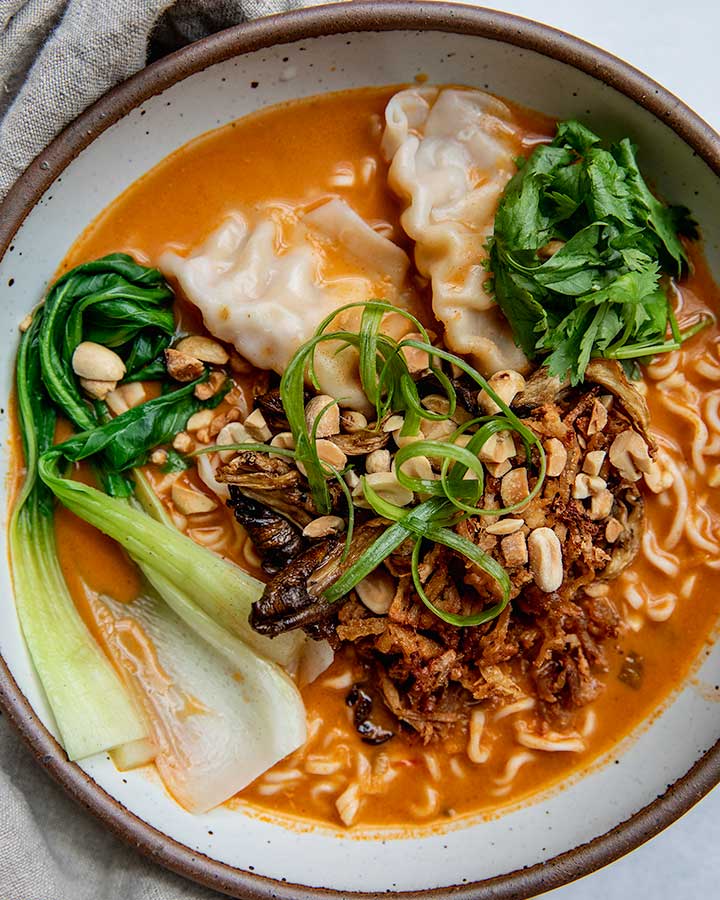
This gochujang noodles soup is perfect for chilly evenings, and the broth stays vibrant even after a few minutes.
Gochujang Chicken Noodles
When you need protein, this simple stirfry does the trick.
- Cut 200g chicken breast into bitesize pieces; marinate in 1Tbsp gochujang, 1Tbsp soy sauce, and tsp grated ginger for 10minutes.
- Pansear the chicken until golden, set aside.
- Cook your chosen noodles, drain, and toss with the same pan, adding the basic sauce.
- Return the chicken to the pan, stirfry everything together for another 2minutes, and finish with a splash of lime juice.
This gochujang chicken noodles recipe delivers a satisfying balance of protein, carbs, and that signature Korean zing.
Balance Flavor & Nutrition
Serving Size and Sodium Awareness
One tablespoon of gochujang equals about 350mg of sodium. A typical serving (two tablespoons in the sauce) approaches 700mg, which is roughly 30% of the daily reference intake. If youre on a lowsodium diet, use lowsodium soy sauce and consider diluting the sauce with extra broth or water.
Side Dishes for a Complete Meal
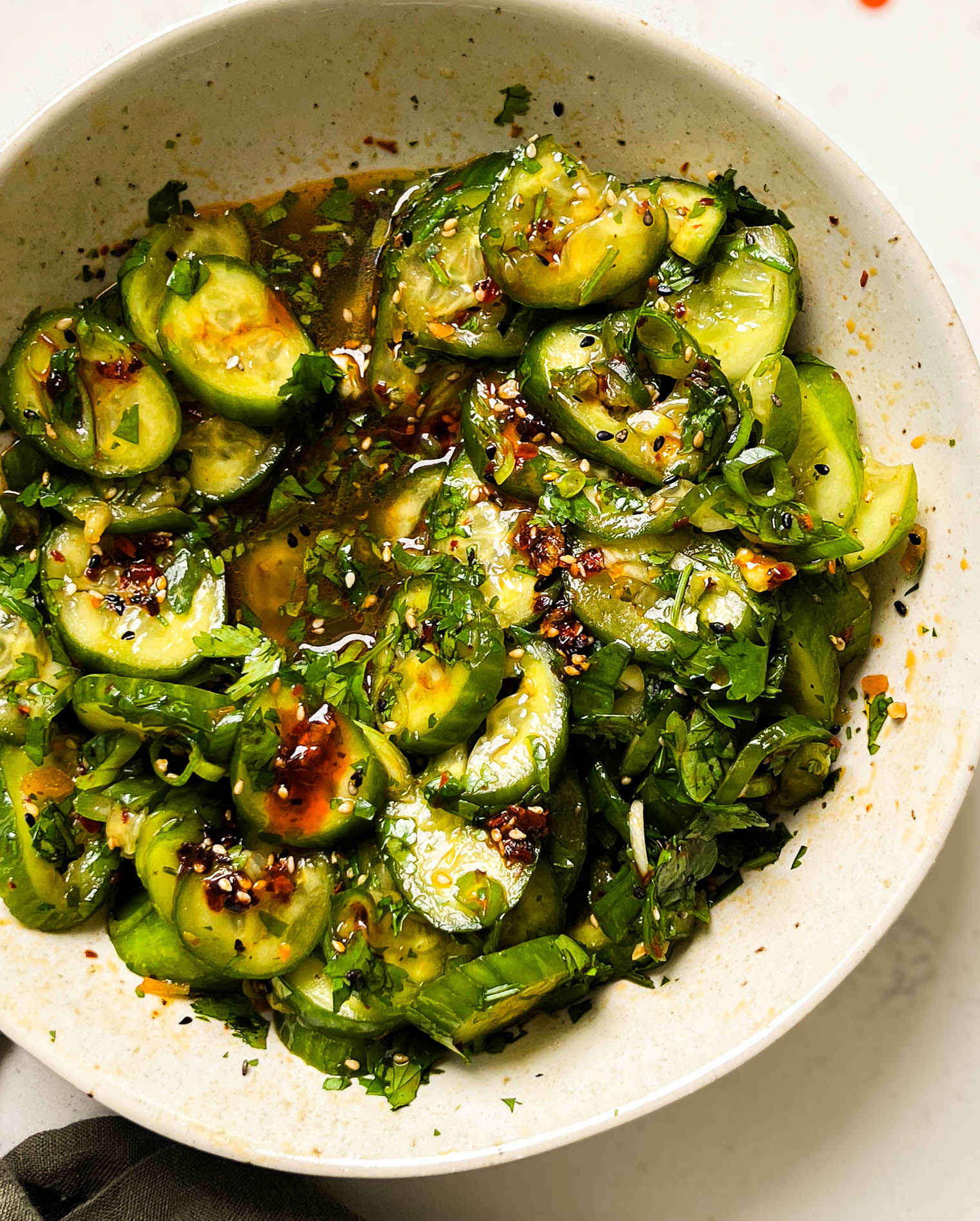
Pair your noodles with quick, nutrientdense sides: lightly steamed broccoli, kimchi (for probiotics), or a simple cucumbersoy vinaigrette salad. These add crunch, freshness, and additional vitamins without stealing the spotlight.
Storing Sauce and Leftovers
The gochujang sauce keeps well in an airtight jar for up to two weeks in the refrigerator. Reheat gently on the stove or in the microwave; avoid boiling, which can cause the sauce to separate. Leftover noodles also store finejust add a splash of water when reheating to revive the silky coating.
RealWorld Examples & Hacks
Reddits Buttered Gochujang Twist
One popular Reddit thread suggests mixing cup gochujang with 2Tbsp butter for an ultrarich, glossy coating. The butter mellows the heat and creates a glossy finish that looks restaurantready. Try it on ramen or even on a simple bowl of rice noodles for an indulgent treat.
YouTubes BibimGuksu Demo
In a quick tutorial by a Korean food channel, the host demonstrates a bibimguksu (spicy cold noodles) where the sauce is whisked with a dash of Korean pear juice for a subtle sweetness and extra bright acidity. Watching the video helps you see the exact consistency to aim forsmooth, slightly runny, and able to coat the noodles without pooling.
Personal Moment
My roommate once sneaked a spoonful of the buttergochujang mixture straight from the panhe called it the best cheat snack ever. That spontaneous tasting session reminded me that the journey with gochujang isnt just about the final plate; its about those unexpected moments of joy.
Conclusion
Mastering how to use gochujang paste in noodles is really about three things: choosing the right noodle, perfecting the sauce, and balancing flavors so the heat feels just right. Start with the easy recipe, experiment with creamy or soupy versions, and dont forget to pair your bowl with fresh veggies or a crunchy side. Your pantry already has a flavor powerhousenow its time to unleash it. Give one of these recipes a try tonight, and let us know which version became your new favorite noodle night contender.
FAQs
What type of noodle pairs best with gochujang paste?
Wheat‑based noodles (spaghetti, ramen) cling to the sticky sauce, thick udon gives a chewy contrast, and rice noodles are a great gluten‑free option.
How can I adjust the heat level of the gochujang sauce?
Add extra gochugaru, sriracha, or fresh chili for more heat; reduce the amount of gochujang or mix in extra broth if you prefer milder flavor.
Can I make a creamy gochujang noodle dish without dairy?
Yes—blend the sauce with tahini, miso, or coconut milk for a velvety texture while keeping it dairy‑free.
What’s a quick way to keep the sauce from getting too salty?
Use low‑sodium soy sauce, dilute the sauce with extra broth or water, and limit the gochujang to 1‑2 Tbsp per serving.
How should leftovers of gochujang noodles be stored and reheated?
Store in an airtight container in the fridge for up to 2 days. Reheat gently on the stove or in the microwave, adding a splash of water to restore the silky coating.