Looking for a bold, sweetspicy kick thatll turn a boring bowl of rice into a flavor party in under ten minutes? Youve come to the right place. In this guide Ill walk you through a supersimple gochujang sauce recipe, show you how to spot quality products when you shop, share a few handy gochujang sauce replacements, and explore the many ways you can splash this fermented Korean condiment into your meals.
Think of this as a chat over a kitchen counterno jargon, just the truth Ive learned from years of cooking Koreanfusion dishes for friends, family, and a handful of curious foodies. Ready? Lets dive in.
Core Ingredients
What Makes Up Authentic Gochujang Sauce?
The magic of gochujang sauce ingredients lives in five basics. Youll find them in every authentic recipe, and theyre easy to locate at most supermarkets or Asian markets.
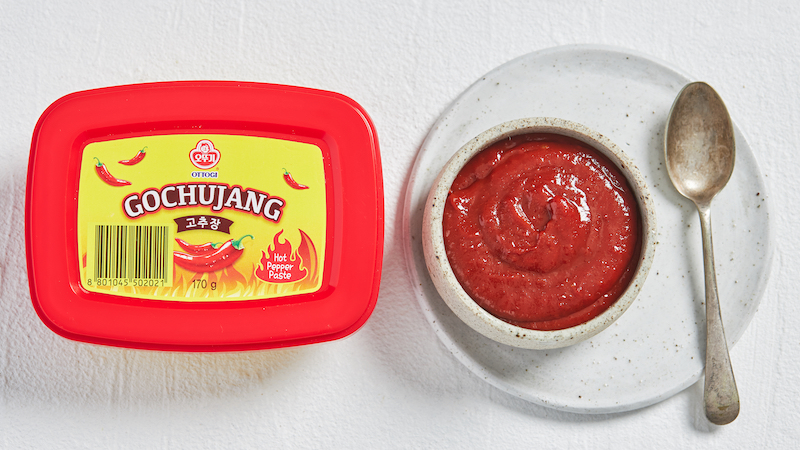
Gochujang Paste
This is the heart of the saucea fermented blend of red chili flakes, glutinous rice, soybeans, and salt. The fermentation gives it that deep umami and a subtle tang. Look for a paste that lists fermented on the label; the longer its aged, the richer the flavor.
Soy Sauce (or Tamari)
We use soy sauce for a salty, savory backbone. If youre avoiding gluten, swap in tamarijust keep an eye on the sodium content.
Rice Vinegar
A splash of rice vinegar brightens the sauce, cutting through the richness and balancing the sweetness.
Sweetener
Traditional recipes call for malt sugar or honey. I usually reach for a drizzle of maple syrup or a spoonful of brown sugarwhatever you have handy.
Sesame Oil & Toasted Seeds
One teaspoon of toasted sesame oil and a sprinkle of toasted sesame seeds add a nutty finish that makes the sauce sing.
Optional Flavor Boosters
Feel free to toss in a minced garlic clove, a pinch of grated ginger, or a squeeze of lime juice for extra zing. A spoonful of miso can deepen the umami, especially if youre using a milder gochujang paste.
Sourcing Quality Ingredients
When you shop, look for reputable brands like Bibigo or Krogers Korean Strong Sauce. Check that the label mentions fermented and that there are no added MSG or artificial colors. A quick glance at the ingredient list says a lot about the products authenticity.
Simple Recipe
FourIngredient Gochujang Sauce (5Minute Version)
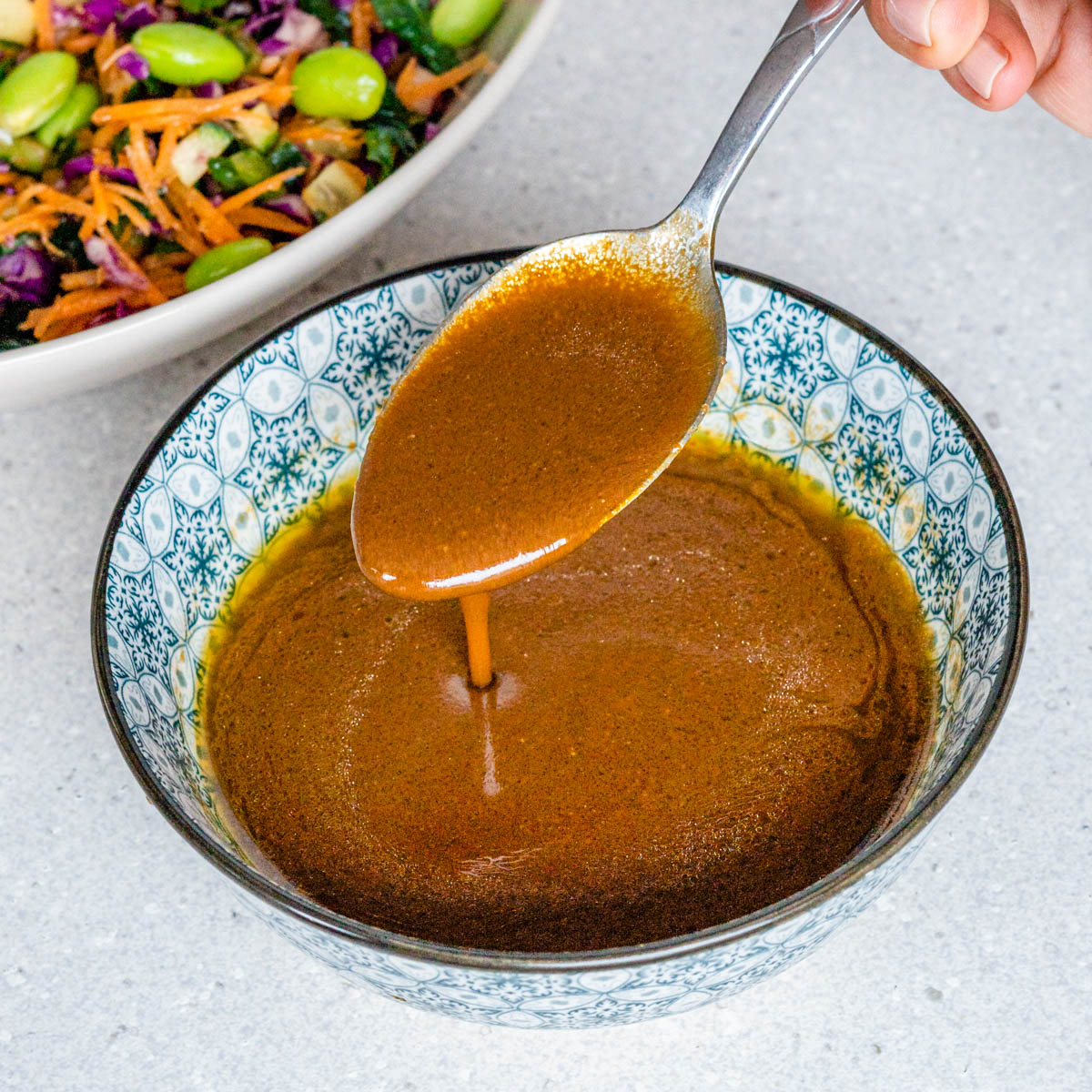
Heres the ultraquick recipe that I swear by when Im scrambling together a weeknight dinner. It takes less than five minutes, and the result is a sauce thats perfectly balanced for dipping, marinating, or drizzling.
What Youll Need
| Ingredient | Amount |
|---|---|
| Gochujang paste | 2Tbsp |
| Soy sauce (or tamari) | 1Tbsp |
| Rice vinegar | 1Tbsp |
| Maple syrup (or honey) | 1Tbsp |
| Sesame oil | tsp |
| Water (if needed) | 12tsp |
StepbyStep
- Grab a small bowl and toss the gochujang paste, soy sauce, rice vinegar, and maple syrup together.
- Whisk until the mixture is smooth and the sweetener is fully dissolved.
- Stir in the sesame oil. If the sauce feels too thick, thin it with a splash of waterjust enough to reach a pourable consistency.
- Give it a quick taste. Want it sweeter? Add a bit more maple syrup. Need more tang? A few extra drops of vinegar will do.
- Transfer the sauce to a clean jar, seal tightly, and store in the fridge. It keeps for up to two weeks.
Pro Tip from My Kitchen
When I first started making this sauce, I didnt toast the sesame seeds. Once I started toasting them lightly in a dry pan, the whole thing took on a richer, almost caramellike depth. Its a tiny step that makes a big difference.
Easy Substitutes
When You Need a Gochujang Sauce Replacement
Not everyone has access to a Korean market, and dietary restrictions can get in the way. Below are three reliable gochujang sauce replacements you can whip up with pantry staples.
Vegan, GlutenFree Swap
- 1Tbsp chiligarlic paste (or sriracha for a milder heat)
- 1Tbsp miso (white or red, depending on your taste)
- 1Tbsp maple syrup
- 1tsp tamari
- tsp sesame oil
Mix everything together, add water to thin, and youve got a sauce that mimics the sweetspicy profile without any wheat or animal products.
LowSugar Version
Swap the maple syrup for a pinch of stevia or a splash of liquid erythritol. Keep the rest of the ingredients identical; youll still enjoy the same depth of flavor with fewer carbs.
PantryOnly MakeDo
If youre truly in a pinch, combine a spoonful of ketchup, a dash of hot sauce, a splash of soy sauce, and a drizzle of honey. Its nowhere near authentic, but it will satisfy a craving for that sweetspicy punch when youre desperate.
Where to Buy
Finding GoodQuality Gochujang Sauce
Whether youre a seasoned home chef or a firsttimer, knowing where to buy matters. Heres a quick rundown of the most reliable sources.
Online Retailers
Amazon carries a wide variety of brands, from the budget-friendly Daesang to premium Sempio. Look for listings with high ratings and fermented in the description.
Supermarkets & Specialty Stores
- Whole Foods Their Asian aisle usually stocks Bibigo and Chung Jung One.
- HMart A Korean grocery chain with an excellent selection of regional varieties.
- Local Asian Markets Often the best place to find smallbatch, artisanal gochujang.
What to Check on the Label
Make sure the product lists the fermentation period, contains no added MSG, and offers clear information on allergens. If youre glutensensitive, verify the seal glutenfree.
Price vs. Quality Comparison
| Brand | Size | AvgPrice (US$) | Key Features |
|---|---|---|---|
| Bibigo | 8oz | 5.99 | Fermented, mild heat, glutenfree |
| Daesang | 12oz | 7.49 | Traditional, stronger heat |
| Sempio | 10oz | 6.99 | Balanced flavor, no MSG |
Nutrition & Spice
How Many Calories Are in Gochujang Sauce?
According to the USDA FoodData Central, a tablespoon of plain gochujang contains roughly 1520kcal, mostly from the sweetener. The sauce is low in fat, modest in protein, and carries a small amount of sodiumso youll want to watch the overall salt if youre on a lowsodium diet.
Macro Snapshot (per tablespoon)
- Calories: 17kcal
- Carbohydrates: 3g (mostly sugars)
- Protein: 0.5g
- Fat: 0.2g (from sesame oil)
- Sodium: 300mg
Is Gochujang Sauce Spicy?
Heat levels vary by brand, ranging from 1,500 to 5,000 Scoville Heat Units. Thats generally a mild to medium heatcomparable to a good salsa or a mild Thai chili paste. If you love fire, look for extra hot or strong labels; if youre spiceaverse, a mild version or a homemade lowchili version will keep the flavor without overwhelming heat.
Balancing Heat and Sweetness
If you find the sauce too hot, add a dash more sweetener or a splash of extra rice vinegar. To crank up the heat, mix in a bit of gochugaru (Korean red pepper flakes) or a few drops of your favorite hot sauce.
Pronunciation Made Easy
Wondering how to say it? Its gochoojang (the j sounds like the j in jump). Try saying it slowly: gochoojang, gochoojang. Once you get the rhythm, youll sound like a native Korean cooking show host.
Everyday Uses
From Dips to Main Courses
Now that youve got a batch of sauce chilling in the fridge, lets talk about realworld applications. Below are my goto ways to incorporate gochujang sauce uses into everyday meals.
Quick Dipping Sauce
Mix one part gochujang with two parts mayo and a squeeze of lime for a creamy, spicy dip thats perfect for raw veggies, fried chicken strips, or even popcorn.
StirFry Glaze
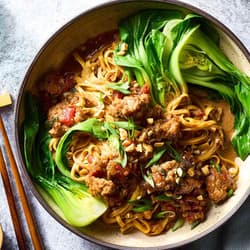
Add a couple of tablespoons to a hot wok with garlic, ginger, and your favorite proteinbeef, chicken, tofu, or shrimp. The sauce caramelizes quickly, giving you a glossy, fingerlicking coating.
Bibimbap Booster
When you serve bibimbap, a drizzle of gochujang over the mixed rice, sauted vegetables, and egg is the classic finishing touch. It ties all the flavors together in one harmonious bite.
Marinade for Grilled Meats
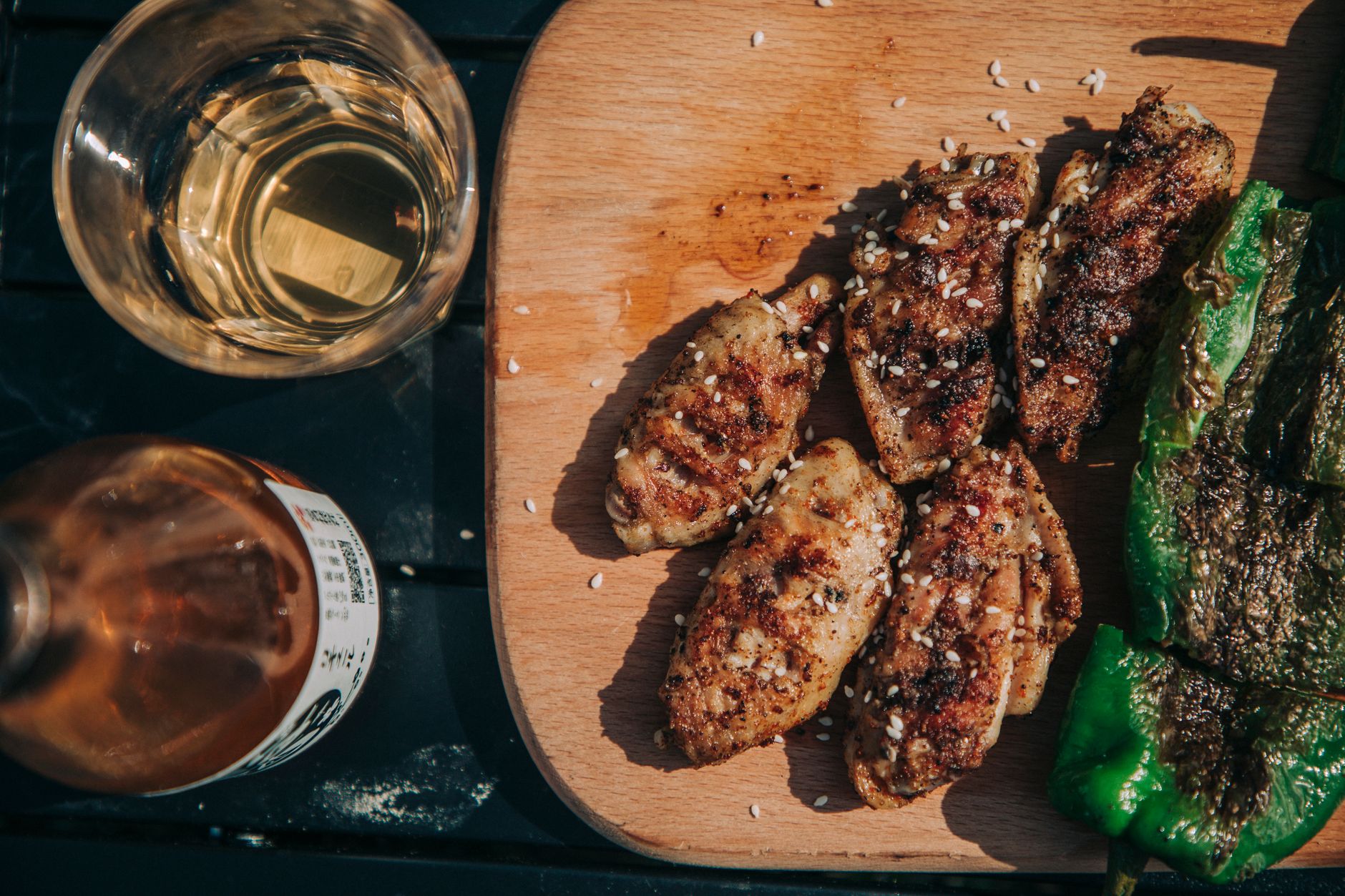
Whisk equal parts gochujang, soy sauce, and honey, then coat chicken wings, pork ribs, or tofu before grilling. The sugars caramelize, creating a sticky, smoky crust.
Soup & Noodle Enhancer
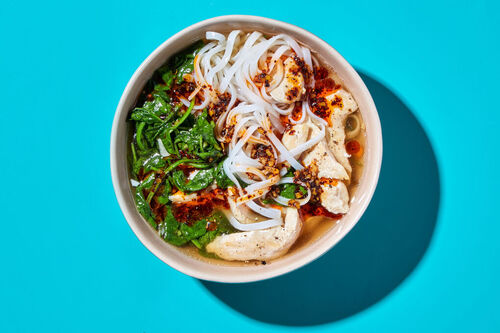
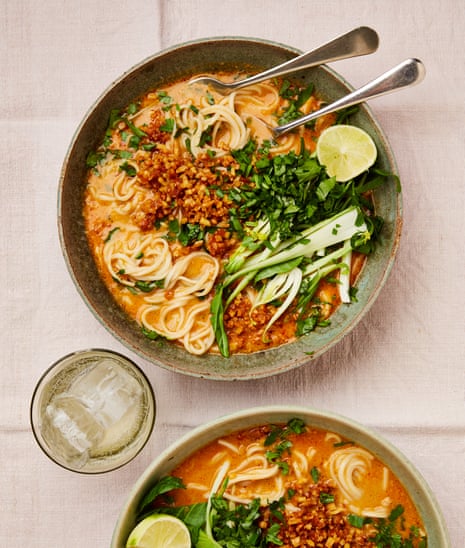
A spoonful stirred into ramen broth, kimchi jjigae, or even a simple vegetable soup adds depth, a pleasant tang, and a hint of heat.
Salad Dressing
Combine gochujang, rice vinegar, a drizzle of sesame oil, and a pinch of sugar for a vibrant dressing that livens up cucumber salad, cabbage slaw, or mixed greens.
Balancing Benefits and Risks
Like any bold flavor, gochujang offers both perks and cautions. The fermentation process introduces beneficial probiotics, while the chili peppers provide a metabolismboosting punch. On the flip side, the sodium content can be high, and the sugar adds quick calories. The key is moderationuse it as a flavor amplifier, not a primary source of nutrition.
Conclusion
There you have ita friendly, stepbystep guide to mastering gochujang sauce from pantry basics to versatile applications. Whether youre whipping up a quick dip, spicing up a stirfry, or exploring lowsugar alternatives, the sauce is a treasure trove of sweet, salty, and umami notes that can transform any dish.
I hope you feel inspired to give the recipe a try, experiment with the substitutes, and maybe even share your own twist with friends. If youve got questions or want to swap stories about your favorite gochujang moments, just reach outI'm always happy to chat over a bowl of bibimbap!
FAQs
How long can homemade gochujang sauce be stored in the refrigerator?
When kept in an airtight jar, homemade gochujang sauce stays fresh for about 2 weeks. For longer storage, freeze it in ice‑cube trays and transfer the cubes to a freezer bag.
Can I make a gochujang‑style sauce without buying fermented gochujang paste?
Yes. Combine chili paste (like sriracha), miso, a touch of sweetener, soy sauce, and toasted sesame oil. While it won’t have the deep fermented flavor, it mimics the sweet‑spicy profile.
What’s the difference between gochujang and gochugaru?
Gochujang is a fermented red‑pepper paste that includes rice, soybeans, and sweeteners, giving it a thick, umami‑rich texture. Gochugaru is simply Korean red‑pepper flakes, used as a seasoning or to add heat.
How can I adjust the heat level of my gochujang sauce?
For milder sauce, add more sweetener or a splash of vinegar. To boost heat, stir in extra gochugaru, a dash of hot sauce, or a pinch of crushed red pepper flakes.
Is gochujang sauce gluten‑free?
Traditional gochujang contains soy sauce, which often has wheat. Look for gluten‑free labeled brands or use tamari in place of regular soy sauce to keep it safe for a gluten‑free diet.