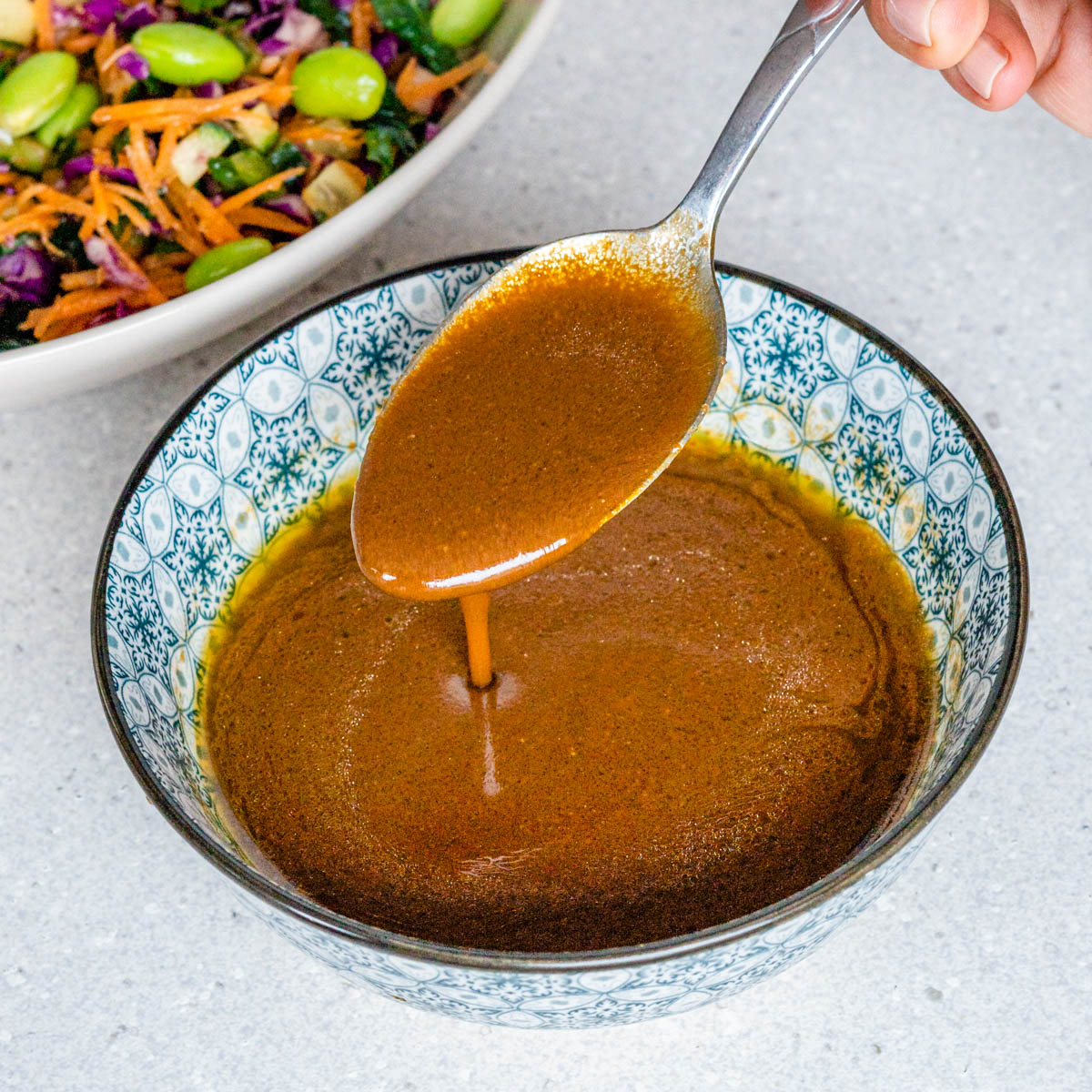
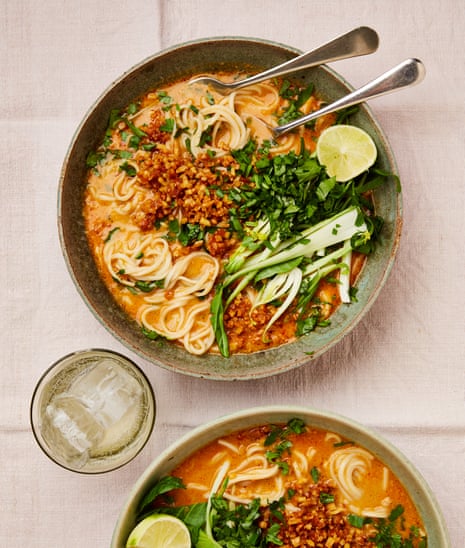
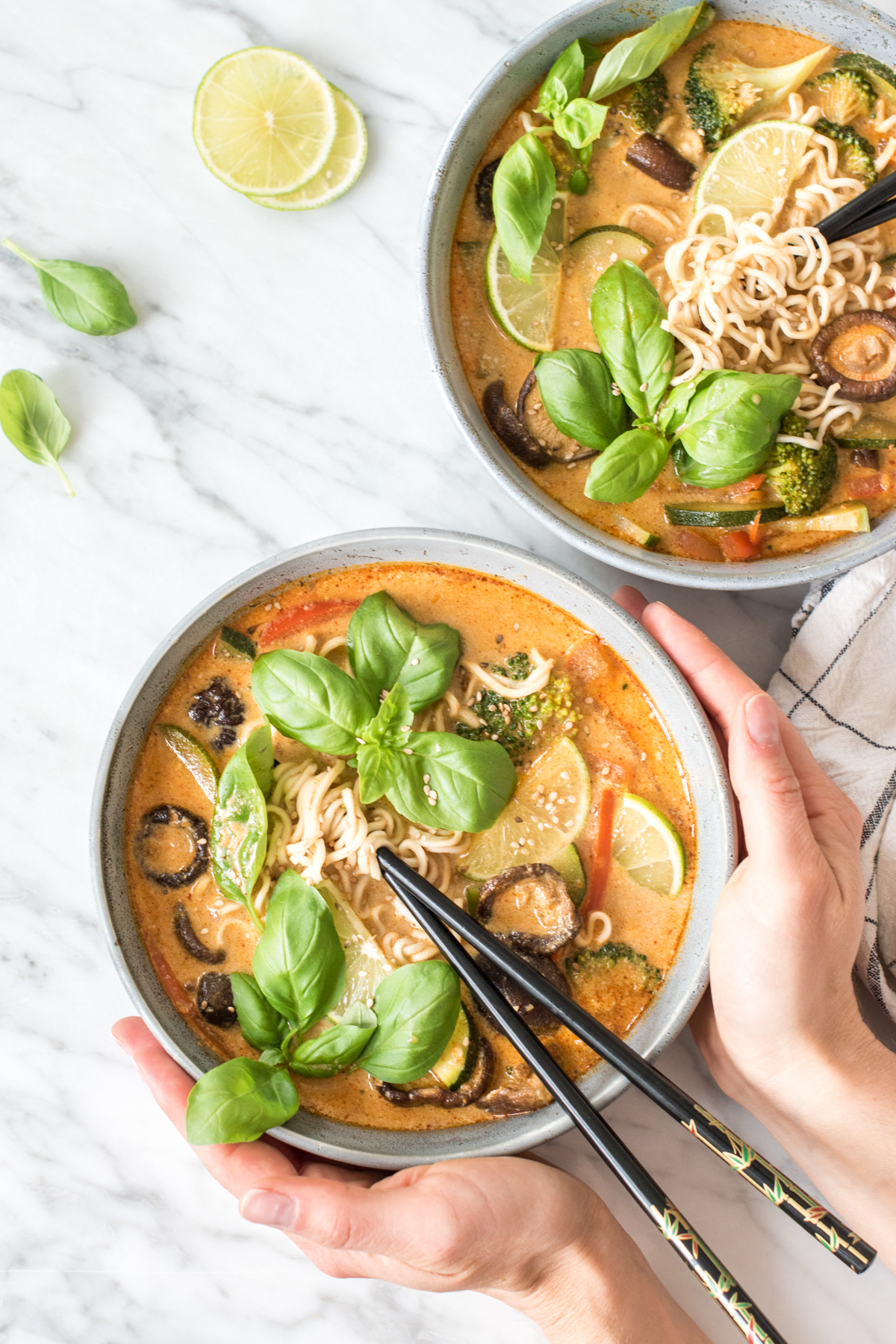
In just half an hour you can whisk together chewy rice noodles, a silky peanutsatay broth, and fresh garnishes into a bowl that feels like a warm hug. Whether youre craving comfort after a long day or looking for a onepot dinner that impresses friends, this peanut satay noodle soup hits the spotcreamy, nutty, and easily adaptable.
In this post youll get a foolproof recipe, smart swaps (think gochujang or Thai twists), a quick health rundown, and answers to the most common questions like is satay soup spicy? Lets dive in and make something delicious together.
Why This Soup
People love satay because it blends salty, sweet, and a whisper of heat in a single bite. Add peanuts, and you get a natural creaminess that lets you skip heavy dairy. This soup gives you that classic satay feel while staying light enough for a weekday dinner.
Its also a champion for flexibility. Got leftover chicken? Toss it in. Prefer a plantbased meal? Swap the protein for tofu or crunchy veggies. The base works for gochujang peanut noodle soup, Thai peanut noodle soup, or a simple peanut noodle soup recipe you can call your own.
Core Ingredients
Pantry Essentials
All you really need are a few staples that most kitchens already have:
- Natural peanut butter (creamy or chunky, your call)
- Satay paste or a DIY blend of ground peanuts, coriander, cumin, garlic, and a pinch of turmeric
- Coconut milk or coconut cream for richness
- Lowsodium chicken or vegetable broth
- Rice noodles (strawtype works best for soup)
Fresh Components
- Shallots, ginger, and garlic finely minced
- Fresh herbs: Thai basil, cilantro, or scallions for garnish
- Lime wedges a quick splash brightens the whole bowl
- Optional veggies: sliced mushrooms, baby bok choy, or shredded carrots
Protein Boosters
- Skinless chicken breast or thigh strips (for a classic chicken satay noodle soup)
- Firm tofu, cubed and lightly panfried for a vegan twist
- Shrimp or thinly sliced beef if you want to get fancy
Where to Shop
If youre near an Asian market, youll find authentic satay paste and fresh herbs at a better price. Otherwise, most large supermarkets carry all the basics, and you can locate peanut butter in the baking aisle.
StepbyStep Recipe
Prep Checklist
Gather everything before you start. It takes about five minutes to prep the aromatics, so you wont be scrambling once the broth simmers.
Build the Broth
1. Heat a tablespoon of neutral oil in a large pot over medium heat.
2. Toss in the minced ginger, garlic, and shallots. Saut for 30 secondsdont let them brown, just let the fragrance rise.
3. Stir in two tablespoons of peanut butter and one tablespoon of satay paste. Cook, stirring, for another minute to toast the flavors.
4. Pour in four cups of lowsodium broth and a half cup of coconut milk. Bring to a gentle boil, then reduce to a simmer.
Broth Ratio Cheat Sheet
| Ingredient | Quantity (per 4 servings) |
|---|---|
| Broth | 4 cups |
| Peanut butter | cup |
| Coconut milk | cup |
| Satay paste | 1 tbsp |
| Fresh aromatics | 1 tbsp each (ginger, garlic, shallots) |
If you like a thicker soup, whisk a teaspoon of cornstarch with cold water and stir it in after the broth has simmered for five minutes.
Cook the Noodles & Protein
While the broth simmers, bring a separate pot of water to a boil. Add the rice noodles and cook according to package directionsusually 34 minutes. Drain and set aside.
If youre using chicken, season lightly with salt and pepper, then sear in a hot skillet for two minutes per side. The goal is to lock in moisture; the chicken will finish cooking in the broth. For tofu, a quick panfry adds a pleasant crust.
Assemble the Bowl
1. Ladle hot broth into a serving bowl.
2. Add a generous handful of cooked noodles.
3. Drop the sliced chicken, tofu, or shrimp on top.
4. Sprinkle with mushrooms, fresh herbs, and a squeeze of lime.
5. Finish with a drizzle of chili oil if you enjoy a little heat.
Serve immediatelytheres nothing like the steam rising from a freshly made bowl.
Flavor Variations
Gochujang Peanut Noodle Soup
Swap a tablespoon of satay paste for gochujang (Korean red pepper paste) and add a teaspoon of honey. The result is a sweetspicy broth that still carries the beloved peanut richness.
Thai Peanut Noodle Soup
Boost the Thai vibe with a splash of fish sauce, lime zest, and a handful of Thai basil leaves. Youll taste a bright citrus note that cuts through the creaminess.
Chicken Satay Noodle Soup
Use bonein chicken thighs for extra depth. After browning the thighs, deglaze the pan with a splash of the broth before adding it back to the potthis is the secret to a richer chicken satay soup.
Vegan & GlutenFree Tweaks
Replace regular rice noodles with glutenfree shirataki noodles, and swap soy sauce for tamari. Use vegetable broth and tofu for a fully plantbased bowl.
Comparison Table
| Version | Spice Level | Prep Time | Protein Source |
|---|---|---|---|
| Classic Peanut Satay | Mild | 30min | None or optional chicken |
| Gochujang | MediumHot | 35min | Tofu or chicken |
| Thai | Medium | 30min | Chicken or shrimp |
| Vegan | Mild | 30min | Tofu |
Health Benefits & Risks
Nutrient Spotlight
Peanuts bring hearthealthy monounsaturated fats, vitaminE, and plant protein. Coconut milk adds mediumchain triglycerides (MCTs) that can boost quick energy. Combined with fresh herbs and vegetables, the soup offers a balanced mix of carbs, protein, and healthy fats.
Allergy & Intolerance Alerts
If you have a peanut allergy, swap the peanut butter for almond or sunflower seed butterthe flavor remains nutty, and the texture stays creamy. For those sensitive to coconut, use oat milk or a lowfat dairy alternative, but remember youll lose some of the signature richness.
Sodium & Calorie Watch
Broth can be a hidden source of sodium. Choose a lowsodium stock or make your own with simmered bones and veggies. To cut calories without sacrificing taste, use light coconut milk and reduce the amount of peanut butter to half a cup.
Quick Nutrition Snapshot
According to the United States Department of Agriculture (nutrition resources), a typical serving (1cup broth + cup noodles + protein) provides roughly:
- Calories: 350420
- Protein: 1520g
- Fat: 1822g (mostly healthy unsaturated)
- Sodium: 450600mg (depends on broth choice)
Pro Tips & Leftover Ideas
Common Pitfalls
Curdled broth? Keep the heat low once the coconut milk is added and stir continuously. Soggy noodles? Cook them separately and only combine at serving time.
Umami Boosters
A splash of miso paste or a dash of dark soy sauce can deepen the flavor without adding noticeable salt. Just remember to taste before adding more.
Leftover Makeovers
Got extra soup? Turn it into a stirfryheat a wok, add a splash of broth, toss in the noodles, and finish with a squeeze of lime. Or chill the broth, mix with chilled rice noodles, and serve as a refreshing cold salad topped with cucumber ribbons.
Printable Checklist
Download a quick so you never miss an ingredient the next time you plan a meal.
Conclusion
In just half an hour youve learned how to whip up a silky peanut satay noodle soup, how to tweak it with Korean gochujang or Thai basil, and why this bowl packs both comfort and nutrition. The base is forgiving, so feel free to experiment with proteins, spice levels, or even a vegan spin. Give it a try tonight, and let the warm, nutty aroma fill your kitchen.
Whats your favorite way to customize this soup? Share your twist, try a new garnish, or ask a questionlets keep the conversation simmering.
FAQs
Can I make this soup dairy‑free?
Yes—use coconut milk or a plant‑based milk alternative and choose a peanut butter without added dairy.
How spicy is peanut satay noodle soup?
The basic recipe is mild; add chili oil, sliced fresh chilies, or a spoonful of gochujang for medium to hot heat.
Can I swap rice noodles for other kinds of noodles?
Absolutely. Egg noodles, wheat‑based ramen, or gluten‑free shirataki noodles work well—just adjust cooking time.
What’s the best way to store leftovers?
Separate the broth from the noodles. Keep broth in an airtight container for up to 3 days in the fridge and reheat the noodles quickly before serving.
Is there a low‑sodium broth option?
Choose a low‑sodium chicken or vegetable stock, or make your own by simmering bones and veggies with no added salt.