Hey there! If youve ever stared at a pot of bland sauce and thought, Theres got to be a better way to make Japanese curry, youre in the right place. Im about to share a straighttothepoint Japanese curry recipe thats ready in under 30 minutes, plus a handful of tweaks that let you swap chicken for beef, tofu for veggies, or even add that beloved golden curry flavor youve been craving.
Grab your favorite skillet, roll up your sleeves, and lets dive in. No fluff, just the good stuff you need to serve up a comforting bowl tonight.
Why We Love
Japanese curry isnt just another stew; its a cozy hug in a bowl. The sauce is sweetsavory, mildly spicy, and packed with umami from the roux. That combination makes it a hit for both kids and adults.
But, like any good friend, it has its quirks. A lot of premade mixes are high in sodium and added sugars, which can be a downside if youre watching your intake. Knowing both the perks and the pitfalls helps you enjoy the dish responsibly.
| Aspect | Japanese Curry | Indian Curry | Thai Curry |
|---|---|---|---|
| Calorie Density (per cup) | 180 kcal | 220 kcal | 200 kcal |
| Sodium (mg) | 550 | 350 | 400 |
| Spice Level | MildMedium | MediumHot | Hot |
| Typical Sweetness | High | Low | Low |
That table shows why the flavor balance of Japanese curry feels so comfortingjust the right amount of sweetness to mellow the heat.
Essential Ingredients
Start with the basics, then customize to your taste. Below are the core ingredients youll need, plus a quick guide on picking the right Japanese curry cubes (the shortcut many home cooks love).
Choosing Curry Cubes
Most Japanese households rely on readymade cubes or blocks. The most popular brands include S&B Golden Curry and Vermont Curry. They come in mild, medium, and hot levels. If you prefer a cleaner label, look for no added MSG or lowsodium versions.
Fresh Produce & Meat
- Vegetables: carrots, potatoes, onions (the classic trio). Feel free to add bell peppers or mushrooms for extra texture.
- Protein: chicken thighs for juiciness, wellmarbled beef chuck for richness, or firm tofu for a vegetarian spin.
- Broth: chicken, beef, or vegetable stockprefer lowsodium to keep control over salt.
Substitution Guide
If youre avoiding gluten, swap the traditional wheatbased roux with a glutenfree blend (rice flour works nicely). For vegans, use plantbased butter and a vegan curry cube, then finish with a splash of coconut milk.
StepbyStep Guide
Ready? Lets walk through the process. Ive broken it down into bitesize actions so you can follow along without getting lost.
Prep the Ingredients
Dice the carrots and potatoes into 1inch cubes. Slice the onion thinlythis helps it melt into the sauce. If youre using meat, cut it into bitesize pieces and pat it dry.
Sear the Protein
Heat a tablespoon of oil over mediumhigh heat. Toss the chicken or beef in a single layer; let it develop a golden crustabout 23 minutes per side. This step adds depth to the flavor that a simple boil cant achieve.
Make the Roux
In the same pot, lower the heat and melt 2tablespoons of butter. Sprinkle in 2tablespoons of allpurpose flour, stirring constantly for a minute until it looks like honeycolored caramel. Crumble in 23 cubes of your chosen Golden Curry (adjust to taste). Keep stirring until the cubes melt completely and the mixture is silky.
Simmer the Curry
Pour in 3cups of broth, scraping the bottom of the pot to release any browned bits. Add the vegetables and the seared protein back in. Bring to a gentle boil, then reduce to a simmer. Cover and let it cook for 1520minutes, or until the potatoes are tender and the sauce has thickened.
Final Touches
Taste and adjust seasoning. If it feels a bit salty, add a splash of water. For extra sweetness, stir in a teaspoon of apple puree or a drizzle of honey. Finish with a knob of butter or a splash of cream for that irresistibly silky mouthfeel.
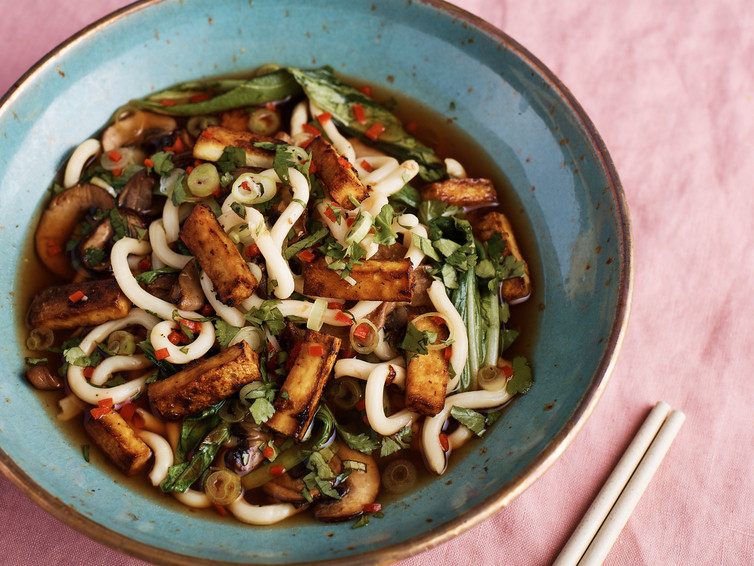
Serve hot over steamed rice (shortgrain Japanese rice works best). If youre feeling adventurous, try it with udon noodles or as a base for a katsu topping.
Customizable Variations
One of the beauties of Japanese curry is how flexible it is. Below are four triedandtrue versions that cater to different cravings.
Chicken Curry
Use chicken thighs for juiciness. Add a grated apple into the sauce for a subtle fruit note that balances the umami. This version pairs beautifully with a side of pickled radish.
Beef Curry
Choose a wellmarbled chuck roast, cut into chunks, and sear for a caramelized crust. For a sweetsavory twist, drizzle a tiny amount of honey during the last five minutes of simmering.
Vegetarian Curry
Swap the meat for firm tofu (pressed and cubed) and add a handful of shiitake mushrooms for depth. Finish with a splash of coconut milk to make the sauce richer without dairy.
Katsu Curry
Prepare a breaded chicken or pork cutlet (panko coating, fried until crisp). Slice it and place it atop the curryladen rice. Drizzle with tonkatsu sauce for that classic Japanese katsu curry experience.
| Variation | Key Protein / Substitute | Extra Flavor Boost |
|---|---|---|
| Chicken | Chicken thigh | Grated apple |
| Beef | Chuck roast | Honey drizzle |
| Vegetarian | Firm tofu + shiitake | Coconut milk |
| Katsu | Breaded cutlet | Tonkatsu sauce |
Feel free to mix and matchcurry is forgiving, and your kitchen experiments are always welcome.
Pro Cooking Tips
These are the little secrets Ive gathered from my own kitchen trials and from seasoned Japanese home cooks.
Caramelize for Depth
Never skip the sear. A wellbrowned piece of meat releases Maillard compounds that infuse the whole pot with richness.
Balance Sweetness
A splash of apple juice or a teaspoon of honey lifts the sauce, preventing it from tasting flat. Adjust to your personal sweetspot.
Silky Finish
Stir in a knob of butter or a splash of cream right before serving. It turns a good curry into a luxurious one.
Avoid Lumps
When making the roux, use a silicone spatula to stir continuously. This prevents flour clumps that can make the sauce gritty.
Troubleshooting Checklist
- Grainy roux? Keep stirring over low heat; add a bit more butter.
- Too watery? Simmer uncovered for a few extra minutes, or stir in an extra cube.
- Overly salty? Add a splash of water or a tablespoon of unsweetened applesauce.
Serving & Pairings
How you plate your curry can make a world of difference.
Classic Rice Bowl
Use shortgrain Japanese rice, rinsed until the water runs clear, then steam for 15 minutes. The sticky texture soaks up the sauce perfectly.
Noodle Variations
Thin udon or soba noodles work well if you want a lighter feel. Just cook the noodles separately, drain, and toss them in the curry at the end.
Side Dishes
- Fukujinzuke (pickled vegetables) adds a crunchy, tangy contrast.
- Softboiled eggs their creamy yolk merges with the sauce.
- Steamed broccoli a pop of green that boosts nutrition.
Storage Tips
Cool the curry to room temperature within two hours, then refrigerate in an airtight container for up to three days. For longer storage, freeze in portionsized bags for up to a month. Reheat gently on the stove, adding a splash of broth if the sauce thickens too much.
Nutrition & Safety
Lets talk numbers so you can feel confident about what youre putting on your plate.
Calorie & Macro Breakdown
One serving (1cup curry + cup rice) contains roughly:
- Calories: 350kcal
- Protein: 15g
- Carbohydrates: 45g
- Fat: 12g
These values vary based on the protein you choose and whether you add coconut milk or extra butter.
Reducing Sodium
Most commercial cubes are salty, so heres how to cut it down:
- Use half the amount of cubes and supplement the flavor with a splash of soy sauce (lowsodium).
- Make a homemade roux with flour, butter, and a pinch of curry powder.
- Add fresh aromaticsgarlic, ginger, and a piece of kombu (sea kelp) during simmering.
Allergy Alerts
Traditional curry cubes contain wheat (gluten) and milk solids. Look for glutenfree or dairyfree versions if you have sensitivities. Tofu and rice are naturally safe alternatives for most diets.
DIY LowSodium Roux
Combine 2tablespoons of olive oil, 2tablespoons of rice flour, and 2cubes of lowsalt curry powder. Cook over low heat until fragrant, then proceed as usual. This method can cut sodium by up to 40%.
Final Thoughts
There you have ita comprehensive, friendly guide to mastering a Japanese curry recipe that fits any palate. Whether youre feeding a busy family, impressing friends with a vegetarian twist, or craving that indulgent katsu curry, the basics stay the same: good ingredients, a patient roux, and a dash of personal flair.
If you try any of these variations, Id love to hear how they turned out. Share your favorite combo, or ask a questioncooking is always better when we learn from each other. Happy simmering!
FAQs
Can I make Japanese curry without using pre‑made curry cubes?
Absolutely. Create a roux with butter, flour, and a blend of curry powder, turmeric, and garam masala. Simmer with broth and adjust seasoning for a truly homemade flavor.
What protein works best for a traditional Japanese curry?
Chicken thighs are the classic choice for juiciness, but pork cutlets (katsu), beef chuck, or firm tofu work beautifully depending on your preference.
How can I lower the sodium content in this recipe?
Use half the amount of curry cubes and supplement with low‑sodium soy sauce or a splash of kombu‑infused broth. Making your own roux also cuts sodium dramatically.
What rice type should I serve with Japanese curry?
Short‑grain Japanese rice (koshihikari) gives the sticky texture that soaks up the sauce perfectly. Rinse until the water runs clear, then steam for 15 minutes.
Can I freeze leftovers without losing flavor?
Yes. Cool the curry to room temperature, portion into airtight containers, and freeze for up to one month. Reheat gently on the stove, adding a little broth if the sauce thickens.