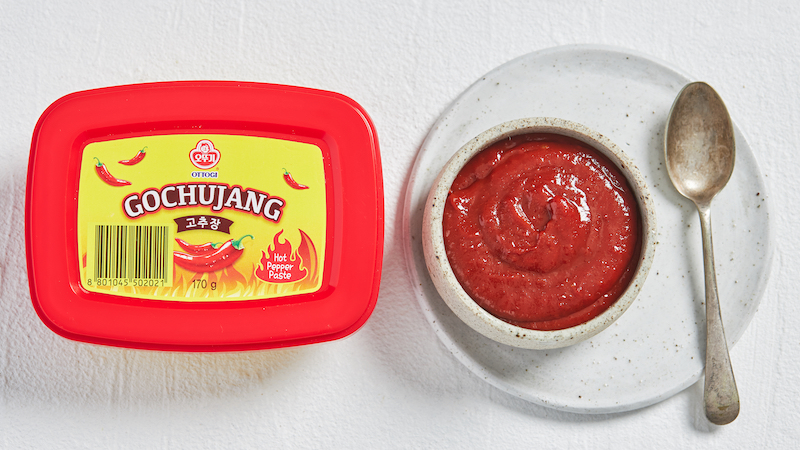
Short answer: yes, gochujang is spicy, but the heat can swing from a gentle whisper to a fiery shout depending on the brand, the amount you use, and even how its made. If youve ever stared at a jar of that deep red paste wondering whether itll set off a fireworks display in your mouth, youre in the right place.
Knowing the heat level matterswhether youre whipping up a kidfriendly bibimbap, spicing up a marinades for a backyard grill, or just curious about the nutrition facts. Lets break it down together, sidebyside, as if were chatting over a steaming bowl of rice.
What Is Gochujang
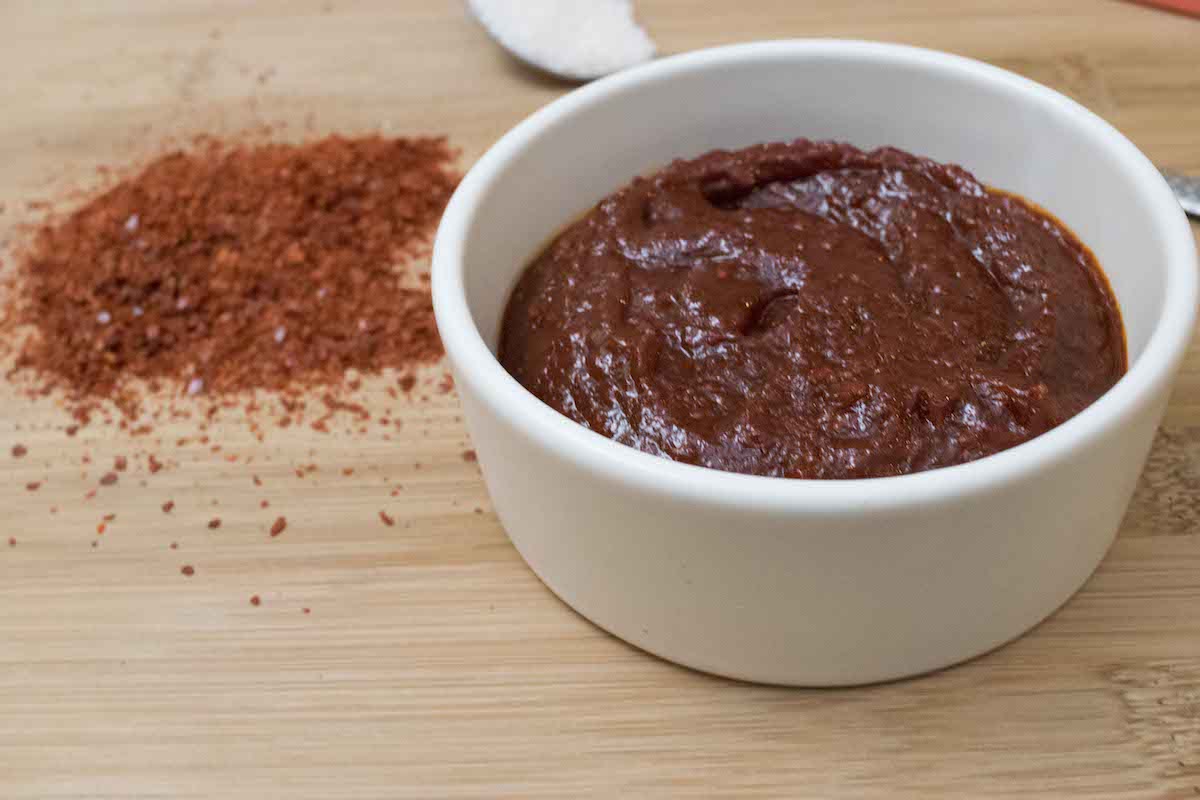
Gochujang (pronounced gochoojang) is a fermented Korean chili paste thats simultaneously sweet, salty, umami, and, of course, spicy. The core ingredients are gochugaru (Korean red pepper flakes), glutinous rice powder, fermented soybean paste (doenjang), salt, and a touch of sweetener (often sugar or honey). Fermentation gives it that deep, slightly tangy backbone you taste before the heat kicks in.
Think of gochujang as the Korean answer to a barbecue sauce thats been living in a probioticrich spa. The result is a thick, glossy sauce that can be spooned straight onto food or blended into dressings, dips, and marinades.
Spice Level Explained
The Heat Scale
Most manufacturers label their gochujang with a heat level ranging from Mild to Extreme Hot. While the exact Scoville rating isnt always published, you can roughly map them as follows:
| Heat Level | Typical Scoville Range | Flavor Notes |
|---|---|---|
| Mild | 5001,000 SHU | Sweetforward, gentle warmth |
| Medium | 1,0002,500 SHU | Balanced sweetspice, noticeable kick |
| Hot | 2,5005,000 SHU | Robust heat, still sweet |
| Extreme Hot | 5,000+ SHU | Firebreathers delight, long finish |
BrandbyBrand Quick Check
| Brand | Typical Heat | Label Cue | Notes |
|---|---|---|---|
| Haechandle | MildMedium | Red Mild icon | Great starter for kids |
| TraderJoes | Slight Hot | Mild on the lid | Heat varies; tastes a bit sweeter |
| Bibigo Hot & Sweet | MediumHot | Hot & Sweet tagline | Sweetness helps mask the heat |
| Homemade (recipe below) | Adjustable | DIY control | Pick your own gochugaru amount for the perfect level |
Notice how even Mild can feel different from one jar to the next? Thats why a quick taste test (a dab on a grain of rice, wait 30 seconds) can save you from an accidental mouthblaze.
Sweet or Salty?
The first thing most people notice about gochujang is its subtle sweetness. That comes from two places:
- Natural sugars released when the glutinous rice ferments.
- Added sweeteners like honey, corn syrup, or brown sugar that many commercial brands toss in for a balanced flavor.
Because of this builtin sweetness, the sauce often feels less sharp than a plain chili paste. Its why you can drizzle it on a slice of cheese and still get a harmonious bite.
Health & Diet Facts
Is Gochujang Healthy?
Fermented foods are gaining a lot of love in the nutrition world, and gochujang is no exception. The fermentation process creates probiotics, which can support gut health. A study from the National Institutes of Health notes that fermented soybean products may improve digestion and even lower cholesterol.
That said, gochujang is also a saltheavy condimentroughly 600mg of sodium per tablespoon. If youre watching your sodium intake, treat it like a seasoning splash, not a fullon sauce.
Is Gochujang Halal?
Traditional gochujang contains no pork or animalderived gelatin, so many brands obtain halal certification. Always check the label for a halal seal, especially if youre buying a large supermarket brand. For example, Haechandle lists it as halalcertified, while TraderJoes doesnt explicitly label it but contains no pork ingredients.
How to Use Gochujang
Classic Korean Dishes
Here are the staples where gochujang shines:
- Bibimbap a mixed rice bowl where a spoonful of gochujang ties together veggies, beef, and a sunnysideup egg.
- Tteokbokki chewy rice cakes swimming in a fiery, sweetspicy broth.
- Bulgogi glaze mix gochujang with soy sauce and sesame oil for a caramelized, slightly smoky meat.
Fusion Ideas
Want to bring a Korean twist to Western dishes? Try any of these:
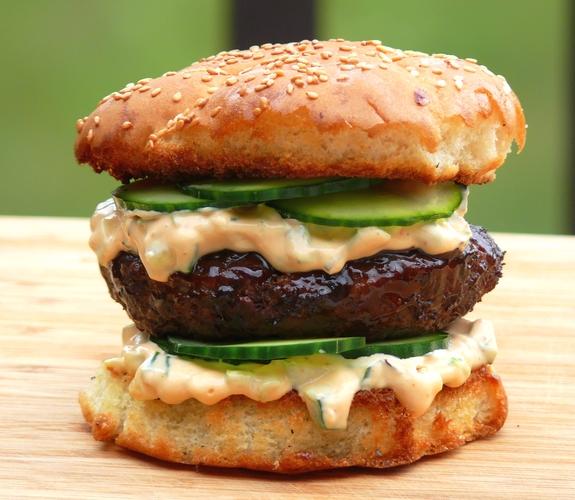
- Gochujang mayo for burgers or fish tacos.
- Spicy Korean BBQ pizza: spread a thin layer of gochujang sauce, top with mozzarella, kimchi, and a drizzle of honey.
- Marinade for grilled chicken or tofu: whisk gochujang, lime juice, garlic, and a splash of olive oil.
Adjusting Heat for Different Audiences
If youre cooking for kids or spicesensitive friends, simply halve the gochujang and double the honey or maple syrup. For heatlovers, add an extra pinch of gochugaru or a dash of sriracha to the mix.
Gochujang Sauce Recipe (Quick & Easy)
Ingredients
- cup gochujang (storebought or homemade)
- 2tbsp soy sauce
- 1tbsp rice vinegar
- 1tbsp honey or maple syrup
- 1tsp sesame oil
Method
- Combine all ingredients in a small bowl.
- Whisk until the mixture is smooth and glossy.
- Taste and adjustadd more honey for sweetness or extra gochujang for heat.
This sauce works as a dipping sauce, a drizzle for steamed veggies, or a glaze for roasted meats. Keep it in a sealed jar in the fridge for up to two weeks.
RealWorld Tips & Personal Stories
When I first tried a Hot brand on a family dinner, I scooped a generous spoonful onto a bowl of rice, thinking it would be a mild kick. Within ten seconds, my eyes watered and my kids started reaching for water. The lesson? Start small. A little goes a long way, especially when the sauce is sweetspicyyour tongue can be fooled.
Another time, I wanted a kidfriendly bibimbap. I mixed half the usual gochujang with extra honey, a splash of apple juice, and a pinch of sesame seeds. The kids loved the bright red color and the subtle heat felt like a warm hug rather than a punch.
These small tweaks illustrate how flexible gochujang can be. Whether youre chasing lowspice comfort or daring fire, the sauce adapts.
Balancing Benefits & Risks
Every food has a sweet spot. Gochujang brings the joy of fermentation, antioxidants from red peppers, and a unique flavor profile that can elevate bland dishes. But the sodium content and occasional added sugars mean you should use it mindfullyespecially if youre on a lowsodium diet or watching blood sugar.
Think of gochujang as a brilliant actor: it can steal the show, but you need to give it the right direction. Pair it with fresh veggies, lean proteins, or whole grains, and you get a balanced, flavorful plate.
Conclusion
So, is gochujang sauce spicy? Yesthough the intensity varies from mild to extreme depending on the brand and how much you use. Its naturally sweet, often halalfriendly, and packed with probiotic benefits, yet it carries a respectable amount of sodium. By testing a tiny taste, adjusting sweetness, and choosing the right heat level for your audience, you can enjoy gochujang in everything from classic bibimbap to daring fusion tacos.
Give the quick gochujang sauce recipe a whirl, experiment with the heat scale, and share your favorite ways to use it. If youve discovered a brand that hits the perfect balance, or if youve crafted a custom blend that your family loves, lets keep the conversation going. Happy cookingand may your dishes be flavorful, balanced, and just the right amount of spicy!
FAQs
What determines the spiciness of gochujang sauce?
The heat comes mainly from gochugaru (Korean red pepper flakes) and the amount used; brands label levels from mild to extreme, and fermentation can affect perceived heat.
Can I make gochujang sauce less spicy for kids?
Yes—mix the paste with extra sweetener (honey, maple syrup) or dilute with soy sauce and rice vinegar, cutting the heat while keeping flavor.
Is gochujang sauce healthy despite its sodium?
It offers probiotics and antioxidants from fermented soybeans and red peppers, but its high sodium means you should use it sparingly, especially on low‑sodium diets.
Is gochujang sauce halal?
Traditional recipes contain no pork or gelatin; many commercial brands are halal‑certified, but always check for a halal seal on the label.
How can I use gochujang in non‑Korean dishes?
Blend it into mayo for burgers, drizzle on pizza, or whisk into a marinade for grilled chicken or tofu to add sweet‑spicy depth.