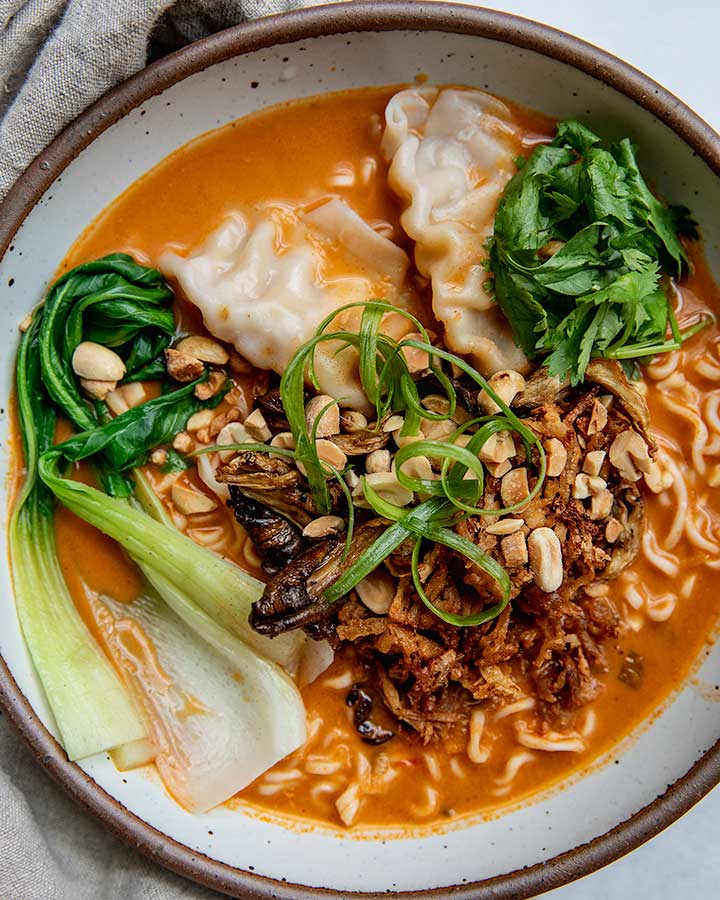
Hey there! If youve ever wished you could wrap a warm hug around a bowl of noodles, youre in the right place. In the next few minutes Ill walk you through a quick, tasty, and surprisingly healthy dish gochujang peanut noodle soup. Think of it as the love child of Korean fire and Thai peanut smoothness, served up with your favorite noodle shape. No fancy equipment, no hours of chopping, just a handful of pantry staples and a splash of excitement.
What Is Soup?
At its core, gochujang peanut noodle soup is a broth that marries two powerhouses: fermented Korean chili paste (gochujang) and rich, nutty peanut butter. When you stir them together with a splash of soy or tamari, a splash of coconut milk, and a good stock base, you get a silkysmooth liquid thats both sweet, salty, and has that unmistakable kick of umami. Toss in cooked noodles udon, rice noodles, or even ramen and youve got a bowl that satisfies comfort cravings while still feeling fresh.
Key Ingredients List
What makes this soup sing? Lets break it down so you can see why each ingredient matters and how you can tweak it to fit your pantry or dietary needs.
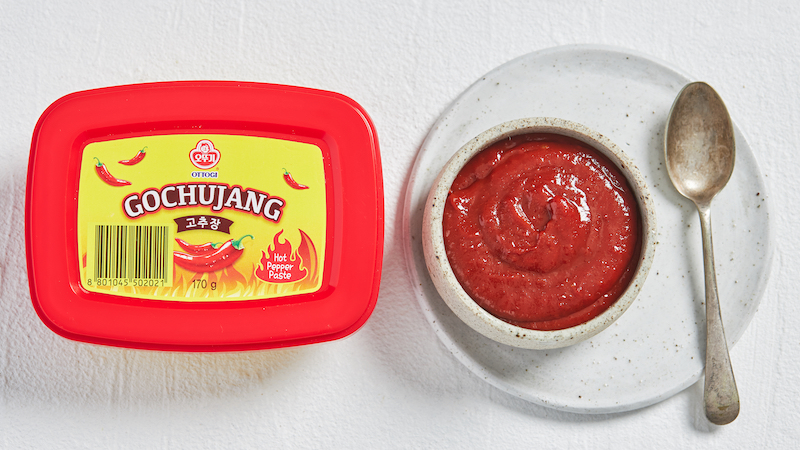
- Gochujang The fermented chili paste that brings depth, probiotic goodness, and that subtle sweetness you love.
- Natural Peanut Butter Unsweetened, nooil versions give the broth its creamy body and a dose of plant protein.
- Broth You can use vegetable stock, chicken stock, or even a quick kombudashi for a Korean twist.
- Coconut Milk Just a splash adds richness without overwhelming the spice.
- Noodles Choose udon for chewiness (gochujang peanut udon noodles are a fan favorite), rice noodles for glutenfree, or wholegrain ramen for extra fiber.
- Veggies & Protein Bok choy, broccoli, edamame, tofu, or tempeh keep the bowl balanced.
- Seasonings Garlic, ginger, soy sauce (or tamari), sesame oil, and a pinch of sugar to round everything out.
Pro tip: if you have a nut allergy, swap peanut butter for sunflowerseed butter; the flavor stays mellow, and the texture remains velvety.
Cooking Steps Overview
Ready to roll up your sleeves? Heres a straightforward, stepbystep guide that you can follow even on a hectic weeknight.
- Whisk the Base In a medium bowl, combine 1tablespoon of gochujang, 1tablespoons of natural peanut butter, 1tablespoon of soy sauce (or tamari), 2teaspoons of minced gingergarlic paste, cup hot vegetable stock, and cup coconut milk. Blend until smooth; youll see a glossy, ambercolored mixture.
- Boil the Noodles Cook your chosen noodles according to package directions (usually 34minutes). Drain, rinse briefly under cold water, and set aside. Keep cup of the noodle cooking water itll help thin the broth later without losing starch.
- Simmer the Soup Pour the whisked base into a saucepan, bring to a gentle boil, then lower to a simmer. Add the reserved noodle water if the broth feels too thick; it should coat a spoon lightly.
- Add Veggies & Protein Toss in sliced bok choy, a handful of edamame, and cubed tofu. Cook for 2minutes until the greens are wilted but still bright.
- Finish & Serve Drop the cooked noodles into the pot, stir, and let everything mingle for another minute. Ladle into bowls, garnish with sliced green onions, toasted sesame seeds, and a drizzle of chili oil if you like extra heat.
This whole process takes under 30minutes perfect for when you need comfort fast.
Health Benefits Overview
Beyond the deliciousness, this bowl packs a nutritional punch. According to a study from the National Institutes of Health, fermented foods like gochujang can improve gut microbiota diversity, which is linked to better digestion and immune response. Peanut butter provides healthy monounsaturated fats, protein, and magnesium, while the broth supplies electrolytes and hydration.
- CalorieSmart A typical serving hovers around 550kcal, making it suitable for a balanced lunch or dinner.
- Protein Power With tofu or tempeh, you get roughly 20g of protein, enough to keep you satisfied.
- Fiber Boost Veggies and wholegrain noodles add about 12g of fiber, supporting steady blood sugar.
- Probiotic Edge Gochujangs fermentation contributes beneficial bacteria, similar to kimchi or miso.
Remember, though, gochujang can be salty, so if youre watching sodium, opt for lowsodium soy sauce and adjust the amount of paste to taste. And if you have a sensitive stomach, start with a smaller spoonful of gochujang and add more gradually.
Tips And Customizations
Every bowl can be a little adventure. Here are some ideas to keep the soup fresh and exciting:
- Heat Control Use the suggested tablespoon of gochujang for a mild warmth. For extra fire, finish with a dash of chili oil or a pinch of crushed red pepper flakes.
- Creamier Texture Blend a spoonful of silken tofu or a splash of cashew cream into the broth before simmering.
- MealPrep Hack Store broth and noodles separately in the fridge. Reheat the broth, then toss in fresh noodles and veggies when youre ready to eat; this prevents sogginess.
- International Twists
- Thaistyle Add a squeeze of lime, a handful of cilantro, and a splash of fish sauce for that classic thai peanut noodle soup vibe.
- Koreanstyle Top with a softboiled egg, a spoonful of kimchi, and a drizzle of sesame oil for depth.
- Ramen Remix Use thick ramen noodles and finish with a dash of garlicinfused oil for a peanut butter ramen soup feel.
- Protein Variations Swap tofu for shredded chicken, shrimp, or beef strips if youre not plantbased. For a vegan boost, toss in a scoop of pea protein powder.
Best Gochujang Sources
Quality matters. Storebought gochujang from reputable Korean brands like Chung Jung One or Sempio delivers consistent flavor. If youre adventurous, you can make a quick version at home by mixing fermented soybean paste (doenjang) with gochugaru, sugar, and rice malt; let it sit for a couple of hours and youll have a fresh, fiery substitute.
When selecting peanut butter, aim for a label that reads natural, no added sugar, and no hydrogenated oils. The cleaner the ingredient list, the smoother your broth will be.
Conclusion
There you have it a bowl of gochujang peanut noodle soup thats both comforting and nutritious, ready in under half an hour. The magic lies in the balance: the probiotic zing of gochujang meets the creamy richness of peanut butter, all hugging a sturdy noodle base. Whether you opt for udon, rice noodles, or even a quick ramen, you can play with veggies, proteins, and spices to fit your mood and dietary needs. Give this recipe a whirl tonight; your taste buds, gut, and busy schedule will thank you. If you try it, share how you customized the soup wed love to hear your twists and see which version becomes your goto comfort food!
FAQs
Can I make the soup without peanut butter?
Yes! Substitute sunflower‑seed butter, almond butter, or a cashew cream for a similar creamy texture and flavor.
How spicy is gochujang peanut noodle soup?
The heat level depends on the amount of gochujang used. One tablespoon gives a mild warmth; add more or finish with chili oil for extra fire.
What noodles work best in this soup?
Udon, rice noodles, and whole‑grain ramen are all great choices. Choose based on your texture preference and dietary needs.
Can I freeze leftovers?
Absolutely. Store the broth and noodles separately. Freeze the broth for up to 3 months; reheat and add fresh noodles when you’re ready to eat.
Is this soup vegan?
Yes, just use vegetable stock, tamari instead of soy sauce, and a plant‑based protein like tofu or tempeh.