Introduction
The Delicious Appeal of Carrot and Potato Recipes Indian Style
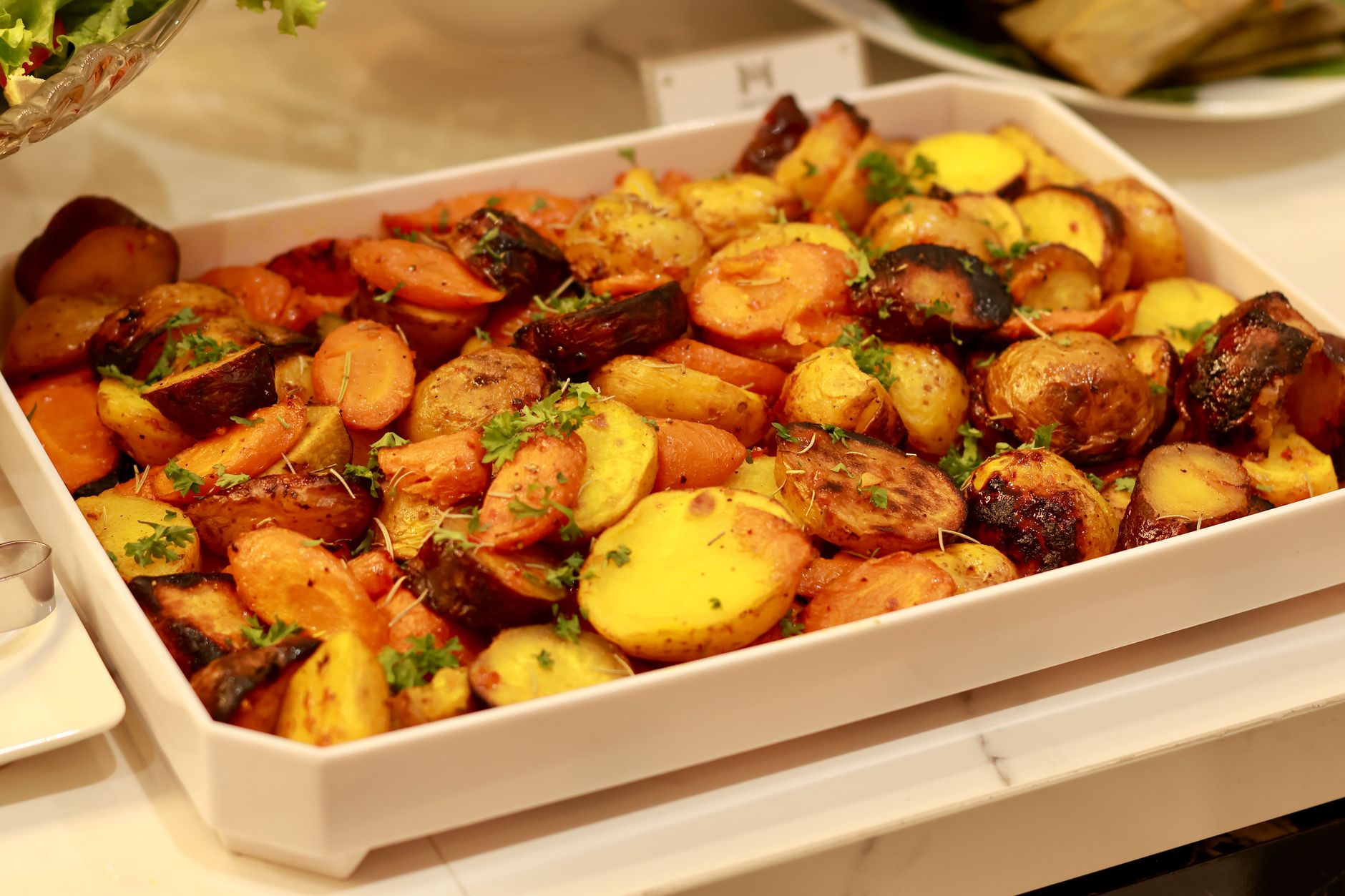
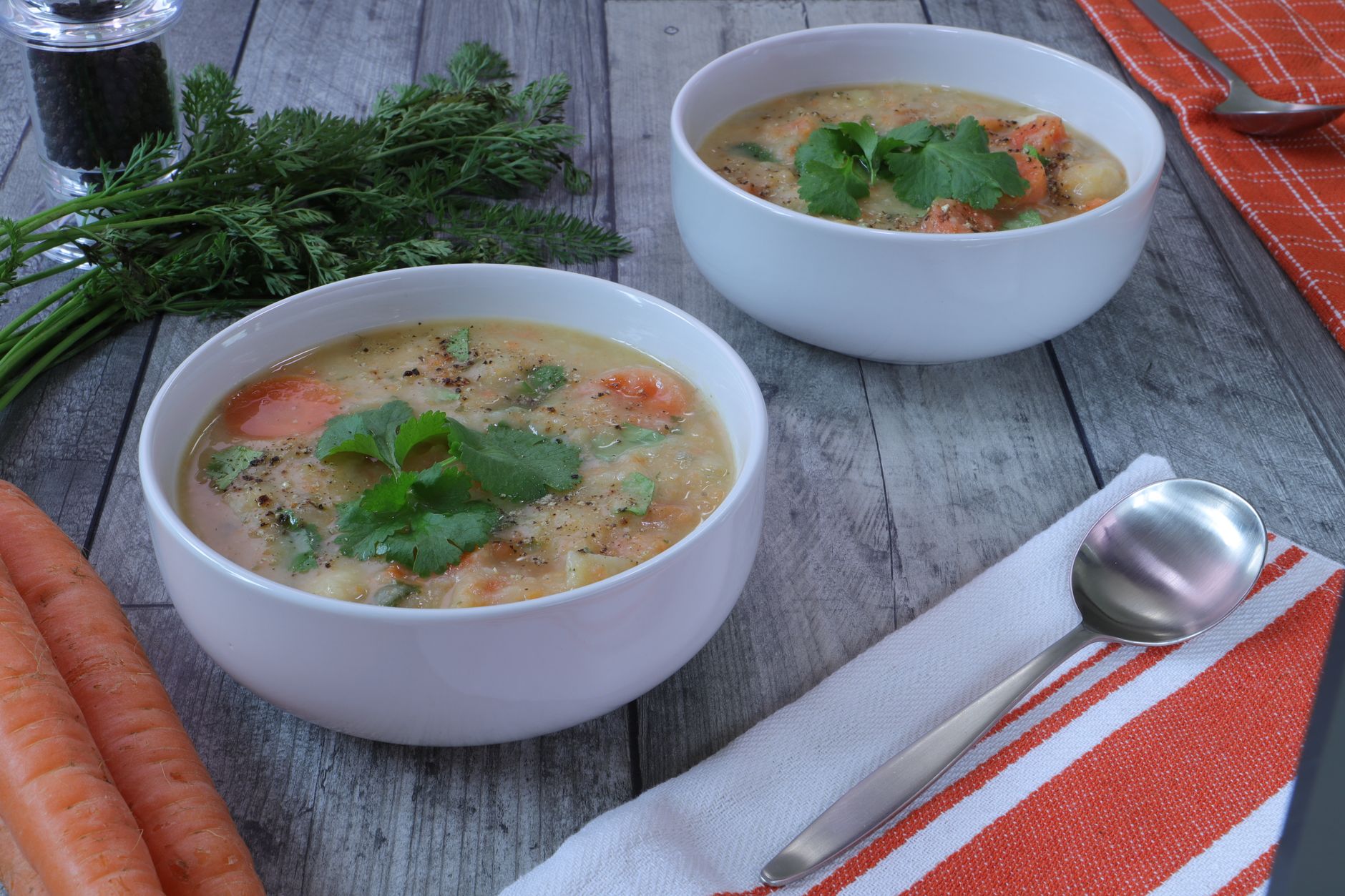
The sizzle of cumin and mustard seeds in hot oil, followed by the earthy sweetness of carrots and tender potatoes, creates a comforting homemade Indian recipe you wont forget. Carrot and potato recipes Indian style combine familiar vegetables with vibrant spices to create dishes full of flavor and texture. These vegetable staples soak up turmeric, garam masala, and coriander, making each bite warm and satisfying.
Thanks to their simplicity and soul-satisfying aroma, these recipes fit perfectly into your rotation of healthy Indian vegetable dishes. Whether as a side or main, they brighten any meal with their golden hue and cozy taste.
Who Will Enjoy These Recipes
Perfect for anyone new to Indian cooking or seasoned home chefs craving quick yet hearty dishes. If you appreciate vegan Indian side dishes that dont require hours in the kitchen, these recipes offer just the right balance. They are also great for families, busy weeknights, or meal prepsimple and straightforward without sacrificing flavor.
What Sets This Version Apart
This recipe balances the natural sweetness of carrots with the earthiness of potatoes and highlights traditional Indian spices without heavy cream or complicated steps. It brings a crispness to the edges while keeping the vegetables tender inside. Unlike many versions, this method avoids common mistakes in cooking Indian vegetables like overcooking or under-spicing, resulting in a perfectly harmonious dish.
Key Highlights
Flavor Harmony of Traditional Indian Spices and Fresh Vegetables
The secret lies in how the spices bloom in hot oil before adding the vegetables. Cumin seeds crackle alongside mustard seeds, releasing that signature earthy aroma. Turmeric adds warmth and a golden color, while coriander powder and garam masala build depth and a subtle heat. When carrots and potatoes absorb these spices, each mouthful bursts with layered flavor.
Versatile and Nutritious Vegetable Combination
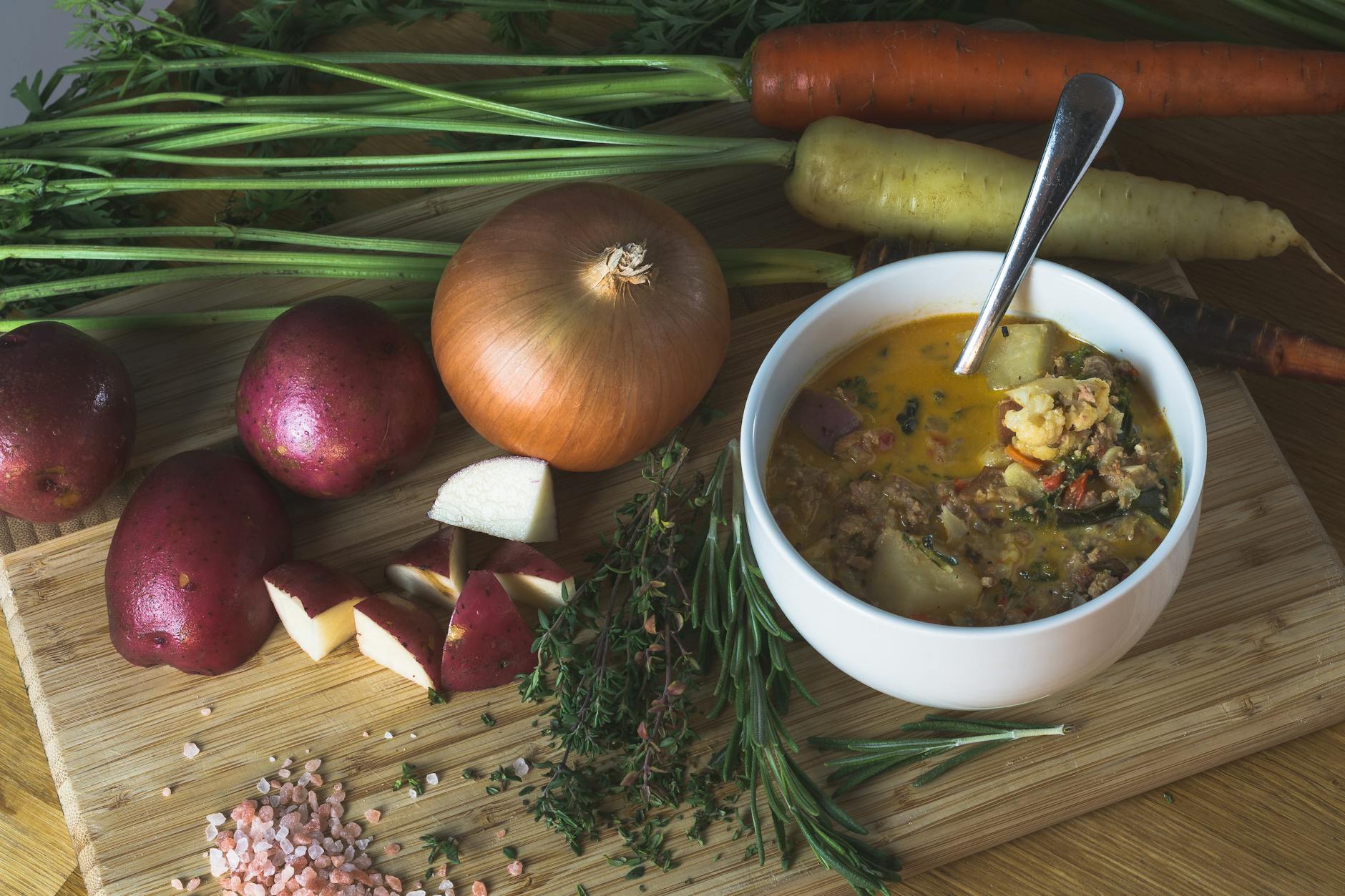
This classic pair is packed with nutrients. Carrots deliver beta-carotene, which supports immunity and vision, while potatoes provide energy-rich carbohydrates and fiber. Combined, they create satisfying meals that are light yet filling. You can enjoy this recipe on its own or pair it with steamed rice, chapati, or lentils for a balanced spread.
Considerations for Dietary Restrictions
Most can enjoy this dish easily, but those sensitive to nightshade vegetables should note potatoes belong to that group. Adjust spice levels for digestive comfort, especially if youre new to Indian cooking. Opting for fresh, organic produce ensures quality and flavor without unwanted additives. For a low-carb twist, try substituting potatoes with cauliflower florets.
Ingredients & Preparation
| Prep time | Total time | Servings | Calories | Diet tags |
|---|---|---|---|---|
| 15 minutes | 40 minutes | 4 | 180 per serving | Vegan, Gluten-Free |
Ingredient List with Substitutions
- 2 medium carrots (peeled and chopped) substitute with parsnips for a sweeter taste
- 3 medium potatoes (peeled and cubed) try sweet potatoes for variation
- 1 tsp cumin seeds
- 1/2 tsp mustard seeds
- 1 tsp turmeric powder
- 1 tbsp coriander powder
- 1 tsp garam masala
- 2 green chilies (optional, finely chopped) omit to suit milder palates
- 1 tbsp oil (vegetable or mustard oil recommended)
- Salt to taste
- Fresh cilantro leaves for garnish
Equipment Needed
A heavy-bottomed skillet or deep frying pan works best to saut evenly. Use a sharp knife and stable cutting board for chopping. A non-stick pan helps reduce oil use and prevents sticking. No electric appliances needed, making this accessible to most kitchens.
Tips for Selecting Quality Ingredients
Pick firm carrots with a bright orange color and potatoes without green spots or blemishes. Organic produce tends to have better fragrance and fewer pesticides. Freshly ground spices deliver richer aromas than older powders, so consider grinding your own or buying small quantities for best flavor.
Step-by-Step Instructions
Step 1 Prep Vegetables
Wash the carrots and potatoes thoroughly under running water. Peel them using a vegetable peeler. Dice potatoes into 1-inch cubes and carrots slightly smaller, about inch pieces, to ensure even cooking. If you use young carrots, peeling can be optional as their skin is tender.
Step 2 Temper the Spices
Heat 1 tablespoon of oil in a medium skillet over medium heat (about 320F or 160C). When hot, add 1 teaspoon cumin seeds and teaspoon mustard seeds. Let them sizzle and pop for 30 seconds until fragrant but be careful not to burn.
Step 3 Saut Aromatics and Chilies
Add chopped green chilies (if using) and stir for 15 seconds. This releases their flavor quickly without overwhelming the dish. Lower the heat slightly to medium-low (around 275F or 135C) before adding spices.
Step 4 Add Ground Spices
Sprinkle 1 teaspoon turmeric powder, 1 tablespoon coriander powder, and 1 teaspoon garam masala into the pan. Stir continuously for 20 seconds to toast the spices gently and avoid bitterness.
Step 5 Cook Carrots and Potatoes
Immediately add the diced carrots and potatoes to the skillet. Stir well for 2 minutes to coat the vegetables with the spice mixture evenly. Season with salt to taste.
Step 6 Simmer Until Tender
Cover the pan with a tight-fitting lid and reduce heat to low (around 250F or 120C). Cook for 20 minutes, stirring every 5 minutes to prevent sticking. Check doneness by piercing potatoes with a forkthey should be soft but not mushy.
Step 7 Garnish and Serve
Remove the lid and increase heat to medium briefly to evaporate excess water if any remains. Sprinkle chopped cilantro over the dish and toss gently before transferring to a serving bowl.
Storage and Reheating
Store leftovers in an airtight container in the refrigerator for 4 to 5 days. For best freshness, consume within 3 days. Reheat on the stovetop over low heat, stirring occasionally, for 5 to 7 minutes, or microwave on medium power for 2 to 3 minutes until heated through.
This dish freezes well too. Cool completely, then freeze in containers for up to 2 months. Thaw overnight in the fridge and reheat gently to preserve texture.
Pro Tips
- Spice blooming: Use moderate oil so the spices fully bloom without burning. Brown mustard seeds quickly signal proper tempering they should pop rhythmically, not silently.
- Balancing moisture: Avoid adding water at the start; the vegetables release sufficient moisture during lid-on cooking. This prevents mushy results and enhances natural flavors.
- Color retention: Stir gently but often enough to keep a bright golden color from turmeric and prevent sticking or burning on the pans bottom.
- Upgrade with slow cooker methods: For hands-off cooking, saut spices in a skillet, then transfer to a slow cooker with vegetables and a splash of water. Cook on low for 4 hours for a softer, melded flavor.
- Enhance absorption: Pairing this dish with vitamin C-rich foods helps absorb turmerics curcumin, according to a 2023 study in the Journal of Nutritional Biochemistry. Add a side salad or squeeze lemon juice when serving.
When is the best time to eat carrot and potato recipes Indian style?
Carrot and potato dishes make a versatile meal any time. They are especially comforting during lunch or dinner as they produce lasting energy. Many enjoy them during cooler months for their warming spices. Their light yet hearty nature also suits mid-week meals when you want a quick, wholesome option.
Can I make this recipe using stovetop and slow cooker methods?
Yes. The stovetop method is quick and ideal for day-to-day cooking. For a slow cooker, temper spices first, then combine with chopped vegetables and a small amount of water. Cook on low for 34 hours. This tenderizes vegetables deeply but needs less active time from you.
Are carrot and potato sabzi suitable for vegan Indian side dishes?
Absolutely. This recipe uses oil and spices onlyno dairy or animal productsmaking it a healthy option for vegan meals. The natural sweetness of carrots and earthy potatoes gives richness without needing cream or butter.
What are common mistakes in cooking Indian vegetables like this?
One is overcooking, which leads to mushy, flavorless results. Another is burning spices through high heat, which causes bitterness. Under-seasoning also masks the true character of spices. Following precise timing and moderate heat keeps flavors balanced and textures ideal.
How can I make this recipe healthier?
Choose mustard or olive oil for healthy fat options. Leave skins on the potatoes if you prefer more fiber. Use less oil and serve with a simple cucumber salad for a nutrient boost. Avoid adding heavy creams or excessive salt to keep it light.
Can I substitute other vegetables in this recipe?
Definitely. Parsnips or sweet potatoes add sweetness, while cauliflower florets reduce carbohydrates. Green peas or bell peppers mix well for added color and nutrition. Adjust cooking times depending on vegetables firmness.
How do I prevent the potatoes and carrots from turning mushy?
Use firm, evenly cut pieces to ensure uniform cooking. Keep the lid on to steam but stir every 5 minutes to avoid sticking. Low heat preserves structure while allowing flavors to develop gently.
Is there a way to enhance the flavor without adding more spices?
Yes. Toasting whole spices whole before grinding releases more aroma. Adding fresh herbs like chopped cilantro or a squeeze of lemon brightens the dish. A pinch of asafoetida powder (hing) during tempering can also add a delicate umami layer without overpowering spices.
More Recipes To Try
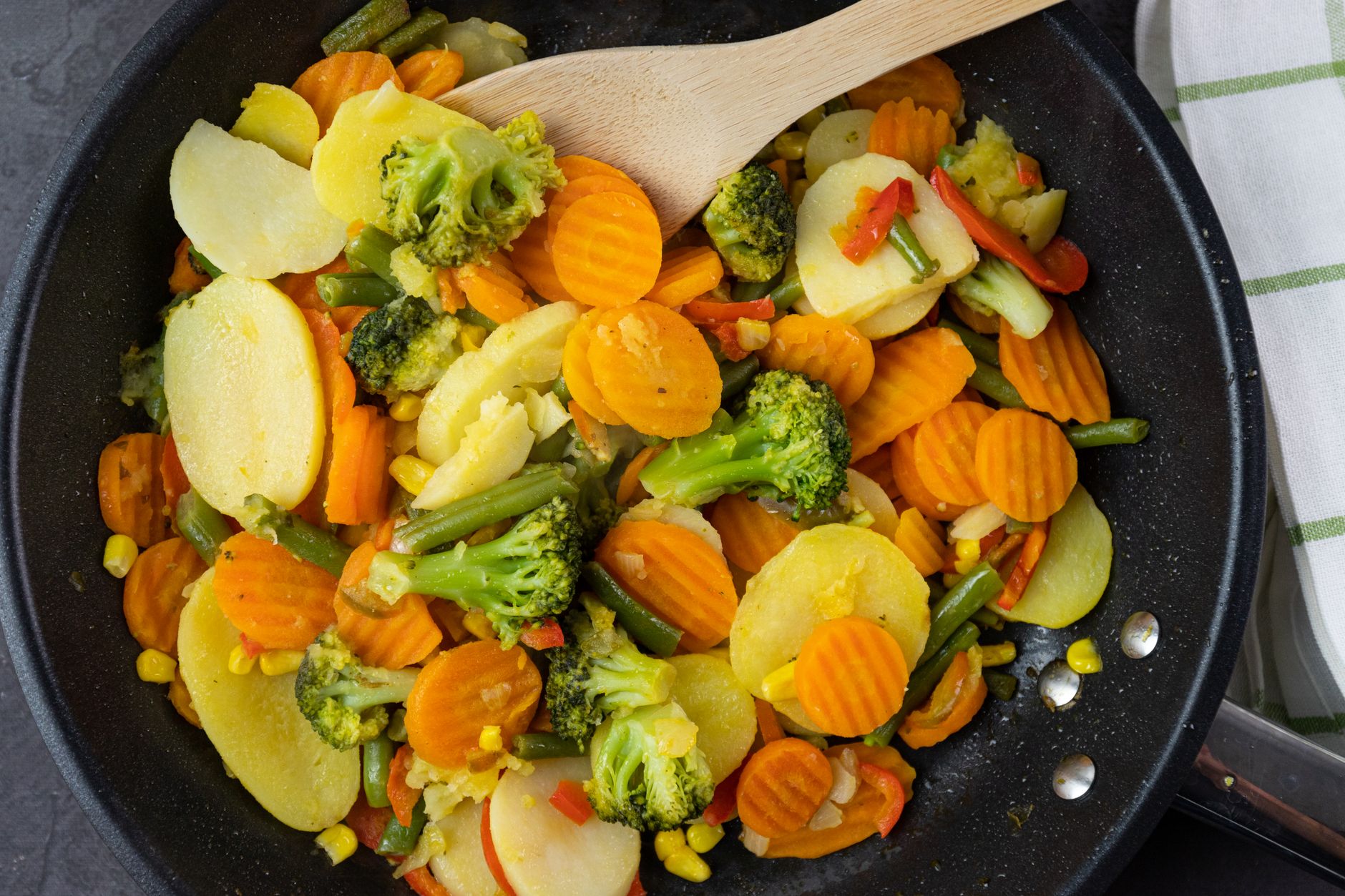
For another vegetable delight, try the simple carrot and potato recipe, which uses slightly different spices for variety.
If you want a refreshing side, the Simple green salad with champagne vinaigrette 3878493 pairs wonderfully with these warm vegetables.
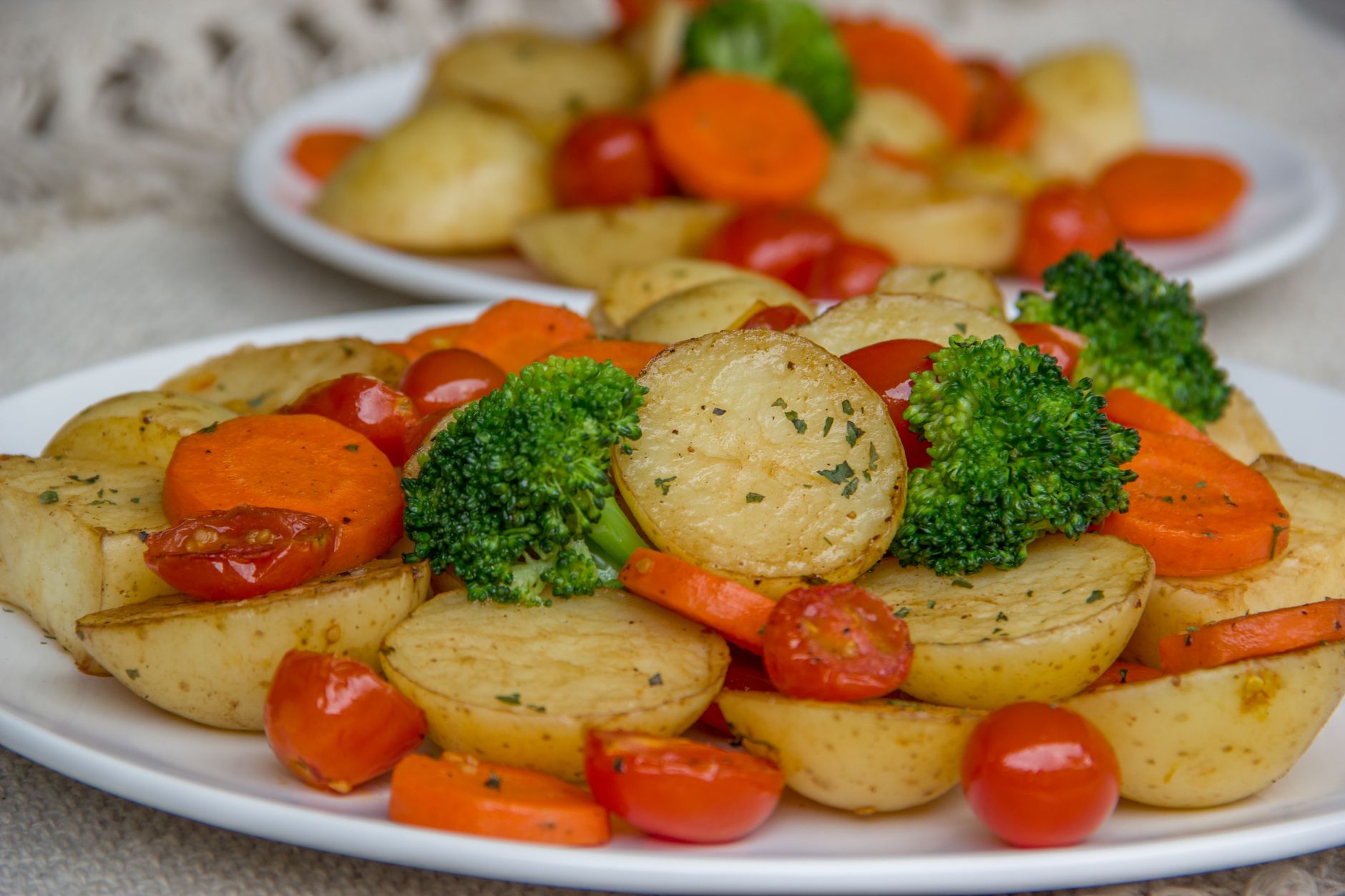
To add smoky notes to your meal, consider the Grilled vegetables in oven a perfect complement to the spiced carrot and potato sabzi.
Conclusion
Carrot and potato recipes Indian style offer irresistibly flavorful, easy dishes using everyday vegetables combined with warming spices. They create comforting homemade Indian recipes that fit any table and occasion. Give this versatile recipe a trythen share your thoughts or variations in the comments. You might also enjoy exploring related recipes to expand your healthy Indian vegetable dishes repertoire.
FAQs
When is the best time to eat carrot and potato recipes indian?
Carrot and potato recipes Indian style are ideal for lunch or dinner when you want a warm, comforting, and energy-filled meal. They are especially popular during cooler months but also make quick wholesome meals on busy weekdays.
Can I make this recipe using stovetop and slow cooker methods?
Yes. The stovetop method is fast and practical for everyday cooking. For slow cookers, temper spices first, add vegetables with some water, and cook on low for 3-4 hours for tender, richly flavored results.
Are carrot and potato sabzi suitable for vegan Indian side dishes?
Absolutely. This recipe uses only oil and spices, making it completely vegan and dairy-free. It offers rich flavor and warmth without animal products, perfect for vegan meals.
What are common mistakes in cooking Indian vegetables like this?
Common mistakes include overcooking the vegetables, which makes them mushy, burning the spices by cooking on too high heat, and under-seasoning. Proper timing, moderate heat, and correct spice tempering prevent these issues.
Can I substitute other vegetables in this recipe?
Yes. Parsnips or sweet potatoes add sweetness, cauliflower lowers carbs, and green peas or bell peppers boost color and nutrition. Adjust cooking times to ensure even doneness depending on vegetable firmness.