Introduction
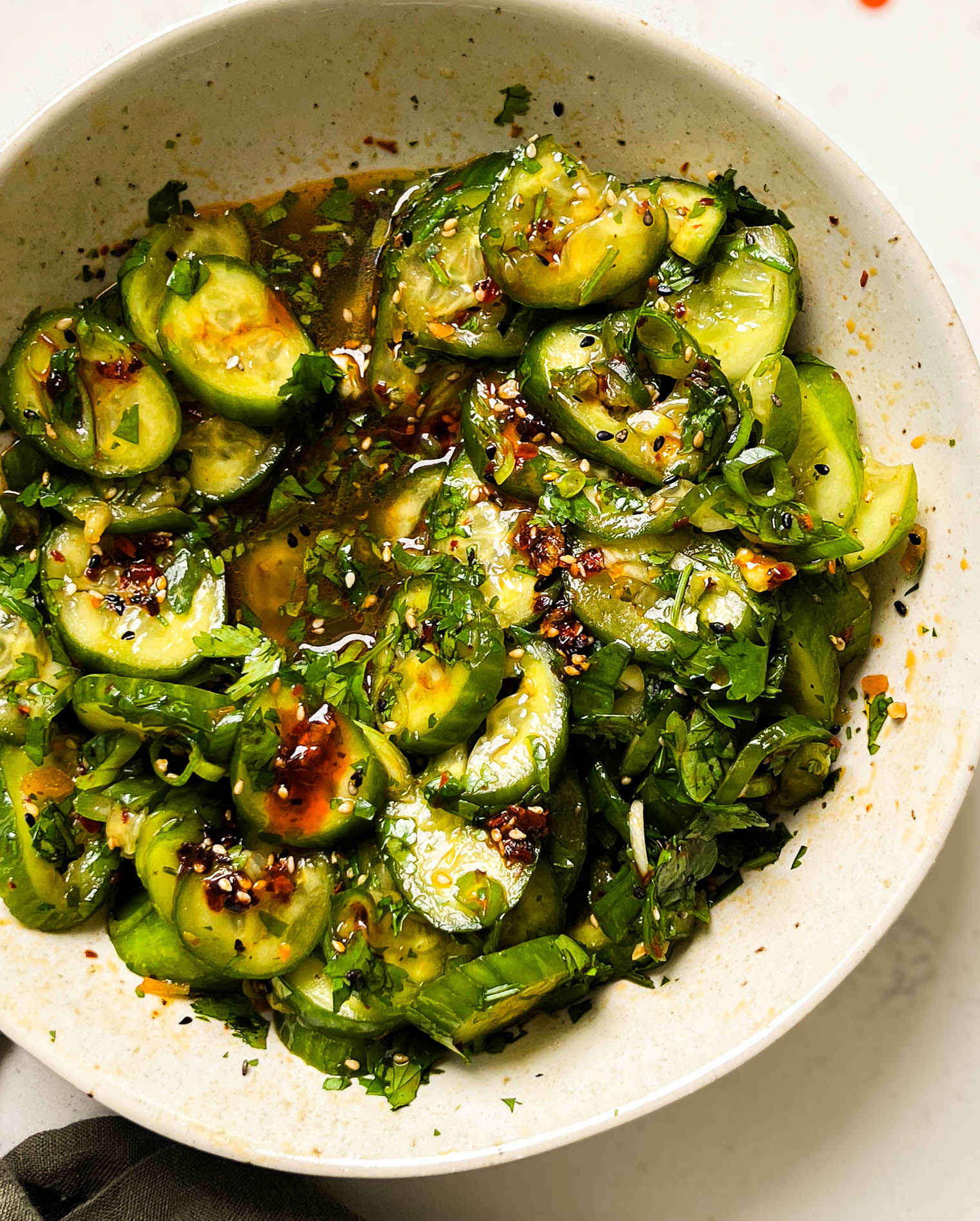
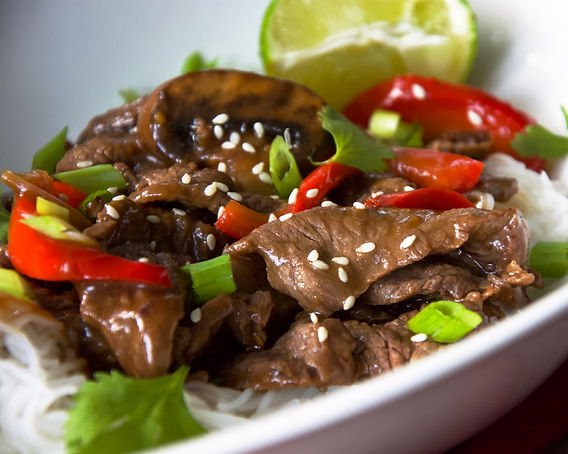
Transforming plain vegetables with an asian vegetable marinade brightens their natural taste and adds a delicious twist. This marinade blends fresh ginger, soy sauce, and rice vinegar to enhance vegetable flavor without overpowering their crunch or color. Whether you‘re grilling, stir-frying, or serving fresh, this easy asian vegetable marinade recipe lifts everyday veggies into vibrant, satisfying dishes that fit any meal occasion.
Key Highlights
Why Choose This Asian Vegetable Marinade?
This simple soy sauce marinade technique carefully balances umami depths with zesty rice vinegar and fresh gingers warmth. Unlike heavy marinades, it highlights each vegetables natural sweetness and texture. The marinades fresh ingredients create a tangy aroma and gentle spice that work well across various cooking styles and vegetable types.
Versatility Across Vegetables and Cooking Styles
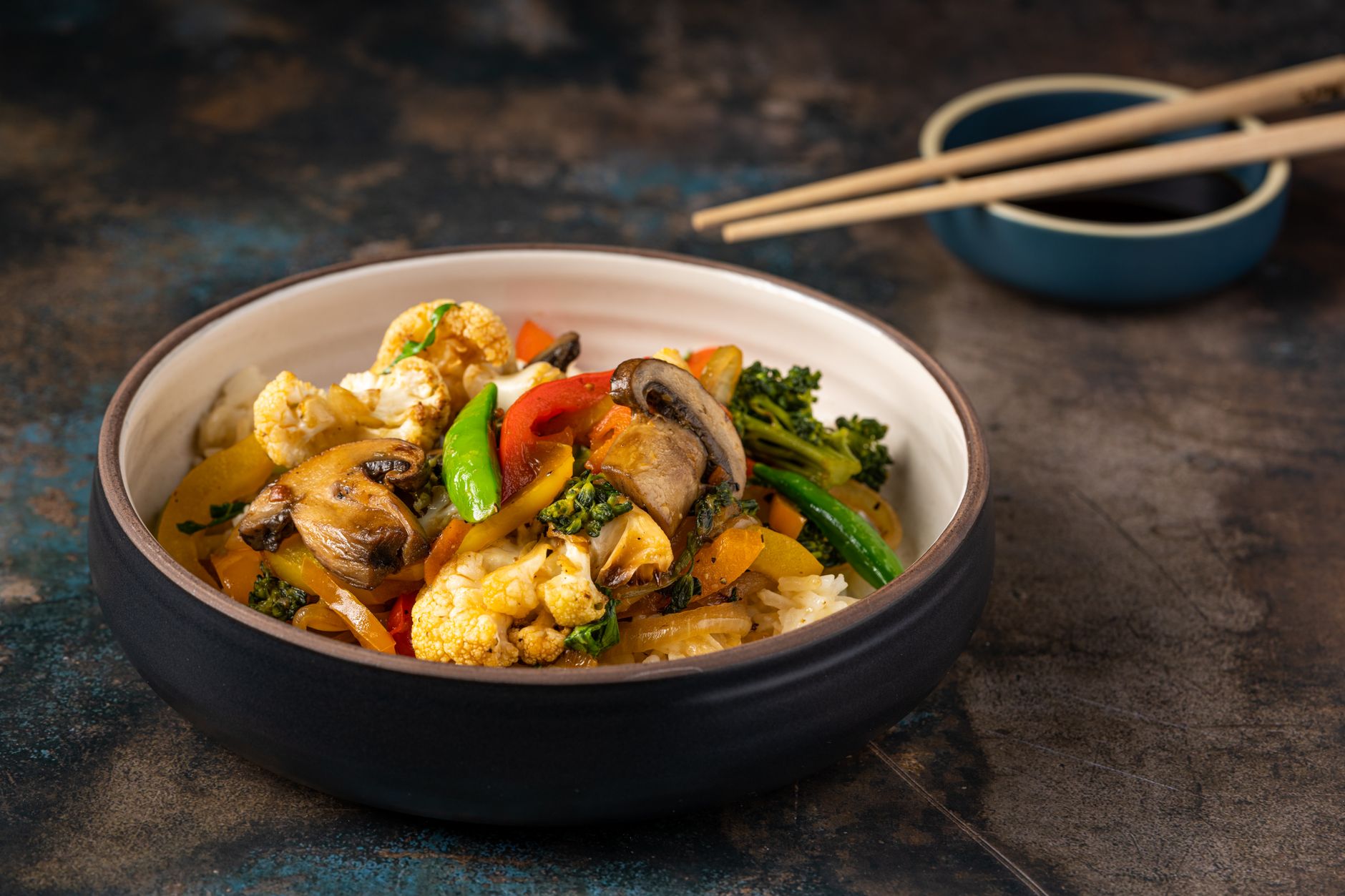
Use this marinade on bell peppers, zucchini, mushrooms, or broccoli. It shines grilled, roasted, or tossed hot in your favorite stir-fry marinade style. Try it on tofu or tempeh to create a vegan asian marinade packed with flavor. Its gentle seasoning also pairs nicely with raw veggie salads.
Watch the Salt: Adjust for Health Needs
Standard soy sauce can be high in sodium. To avoid too salty results, reduce soy sauce or try low-sodium or coconut aminos. If the marinade becomes too salty, rinse vegetables lightly before cooking, or add a touch of sweetener or water to balance it out. This keeps the marinade heart-healthy and suitable for those watching salt intake.
Ingredients & Preparation
| Prep time | Marinate time | Total time | Servings | Calories | Diet tags |
|---|---|---|---|---|---|
| 10 minutes | 30 minutes | 40 minutes | 4 | 45 per serving | Vegan, Gluten-Free, Dairy-Free |
Full Ingredient List and Substitutions
- cup low-sodium soy sauce (substitute tamari for a gluten-free option)
- 2 tablespoons rice vinegar (or apple cider vinegar)
- 1 tablespoon toasted sesame oil
- 1 teaspoon freshly grated ginger (ground ginger works but less vibrant)
- 1 garlic clove, minced (optional)
- 1 teaspoon maple syrup or honey (optional, balances acidity)
- Freshly ground black pepper to taste
For a soy-free version, substitute coconut aminos. Use a sugar-free sweetener instead of maple syrup for a low-sugar marinade.
Equipment Needed
Use a small mixing bowl and a whisk to blend the marinade. A blender or food processor can be used for a smoother texture, but whisking preserves fresh flavor more effectively.
Choosing the Best Ingredients
Fresh ginger and garlic add essential brightness and sharpness. Avoid dried or powdered ginger if possible to keep a lively, aromatic marinade. Pick high-quality soy sauce for balanced saltiness, and fresh, organic vegetables will soak up the marinade best.
Step-by-Step Instructions
Step 1 Prepare Vegetables
Wash your vegetables thoroughly to remove dirt. Trim ends and cut into uniform 1-inch pieces for even marination. No need to peel thin-skinned vegetables like zucchini and bell peppers. Evenly sized pieces ensure every bite is flavorful and textures remain crisp.
Step 2 Mix Marinade
In a medium bowl, whisk together soy sauce, rice vinegar, toasted sesame oil, grated ginger, minced garlic, and maple syrup for exactly 30 seconds. Whisking emulsifies the liquids and blends flavors for a bold yet balanced marinade.
Step 3 Marinate Vegetables
Place vegetables into a shallow dish. Pour the marinade evenly over them and toss gently to coat. Let sit at room temperature for 30 minutesno longer than 1 hour to prevent sogginess and bitterness.
Step 4 Serve or Store
Use the marinated vegetables immediately for grilling, roasting, or stir-frying. Alternatively, store them in a glass airtight container in the refrigerator for up to 4 days. Leftover marinade can be kept separately in the fridge for the same duration.

Variations & Substitutions
Low-Sodium and Soy-Free Options
Replace soy sauce with coconut aminos for a naturally lower sodium and soy-free alternative. Omit the maple syrup to reduce sugar. These swaps keep robust flavor while catering to dietary restrictions.
Fresh Ginger vs Ground Ginger
Fresh ginger offers a bright, zesty heat crucial to authentic taste. Ground ginger works in a pinch but tastes warmer, less vibrant, and slightly muted. For best results, grate fresh ginger yourself.
Adjusting Sweetness and Spice
Add more maple syrup or honey for a milder tang. For a kick, sprinkle fresh chili flakes or a dash of cayenne pepper. You can also adjust sesame oil amount for a nuttier or lighter finish depending on preference.
Storage & Shelf Life
Refrigeration
Store marinated vegetables or unused marinade in sealed glass containers. Refrigerate for 4 to 5 days to maintain freshness and flavor. Always smell and taste before use for quality assurance.
Freezing
Freezing marinated vegetables is not recommended. Texture degrades, becoming mushy and watery after thawing. However, you can freeze the marinade separately in an airtight container, thawing it fully before use.
Make-Ahead Batches
Scale the recipe linearly for larger portions. Label containers with the preparation date. Keep refrigerated and use all batches within 5 days to avoid spoilage and maintain the best flavor.
Pro Tips & Troubleshooting
Extracting Maximum Flavor Without Overpowering
Always use freshly grated ginger for its volatile oils that brighten the marinades scent and taste. Avoid over-marinating; 30 minutes is ideal for crisp veggies. Toss gently while marinating to coat evenly without bruising.
Fixing Bitterness or Overly Intense Ginger
If your marinade tastes bitter, reduce the amount of fresh ginger next time or try rinsing the vegetables after marinating briefly. Excess ginger or too long marination extracts harsh compounds that overwhelm delicate veggies.
Boosting Complexity and Heat
A pinch of freshly cracked black pepper heightens umami and adds gentle warmth. This subtle upgrade complements the soy sauce marinade technique and layers flavor without extra salt or spice.
Frequently Asked Questions
When is the best time to eat asian vegetable marinade?
The marinade tastes best when used immediately after mixing and allowing vegetables to soak for 20 to 30 minutes. This timeframe ensures fresh, bright flavors without sogginess. Marinate just before cooking or serving to preserve texture.
Can I make a big batch of marinade ahead?
Yes, you can prepare the marinade up to 5 days in advance and store it in an airtight container in the refrigerator. Marinate vegetables shortly before cooking to keep maximum freshness and crunch.
Which is better for flavor: fresh ginger or ground ginger?
Fresh ginger is preferred for a vibrant, zesty flavor essential to this marinade style. Ground ginger provides warmth but lacks brightness and aromatic oils, resulting in a muted taste.
Is this marinade safe for pregnant women, kids, or people on medication?
Generally, yes. Reduce soy sauce quantities to lower sodium, especially if medically advised. Fresh, whole ingredients are safe for most diets. Always consult a healthcare provider if concerned about allergies or dietary restrictions.
How often can I enjoy vegetables marinated this way?
These marinated vegetables are great daily additions to your diet. Just keep an eye on soy sauce sodium content and practice moderation to maintain a balanced, healthy intake.
Why does my marinade taste bitter sometimes?
Bitterness usually results from too much fresh ginger or marinating vegetables for longer than one hour. Reducing ginger and limiting marinating time can prevent this unpleasant flavor.
What foods pair well with asian vegetable marinade?
This marinade complements grilled tofu, steamed jasmine rice, or stir-fried chicken and seafood perfectly. You can also enjoy it as a fresh salad dressing to brighten simple side dishes.

More Recipes You Will Love
Try the Best marinade for grilled vegetables for a smoky, savory take perfect for summer barbecues. It pairs beautifully with the fresh marinade flavors in this recipe.
For a quick dinner, pair your marinated veggies with the best marinade for vegetables to expand your Asian-inspired meals.
To refresh your drink options, try a creamy and soothing Strawberry milk teaa sweet beverage that complements bold veggie dishes nicely.
Conclusion
This asian vegetable marinade brings fresh, balanced flavors that enhance your vegetables without overpowering them. Its simple, versatile recipe fits grilling, stir-frying, or fresh salads and makes veggies the star of your meals. Give it a try, share your thoughts below, or leave a star rating. To keep exploring, check out our quick soy ginger stir-fry sauce recipe for another flavorful boost.
FAQs
When is the best time to eat asian vegetable marinade?
The marinade is best enjoyed when vegetables have soaked for 20 to 30 minutes after mixing. This timing ensures vibrant flavors without sogginess. Marinate shortly before cooking or serving to keep the vegetables crisp and fresh.
Can I make a big batch of marinade ahead?
Yes, you can prepare the marinade up to 5 days in advance. Store it in an airtight container in the refrigerator and marinate vegetables just before cooking for optimal freshness and flavor.
Which is better for flavor: fresh ginger or ground ginger?
Fresh ginger is preferred as it provides a bright, zesty flavor essential to this marinade. Ground ginger is less vibrant and aromatic, offering a warmer but milder taste that’s less authentic.
Is this marinade safe for pregnant women, kids, or people on medication?
Generally, yes. Reduce soy sauce to lower sodium if needed. The fresh, whole ingredients used are safe for most diets, but consult a healthcare provider if you have allergies or dietary restrictions.
Why does my marinade taste bitter sometimes?
Bitterness usually comes from too much fresh ginger or marinating for longer than one hour. To avoid this, reduce the ginger amount and limit marinating time to 30 minutes for balanced flavor.