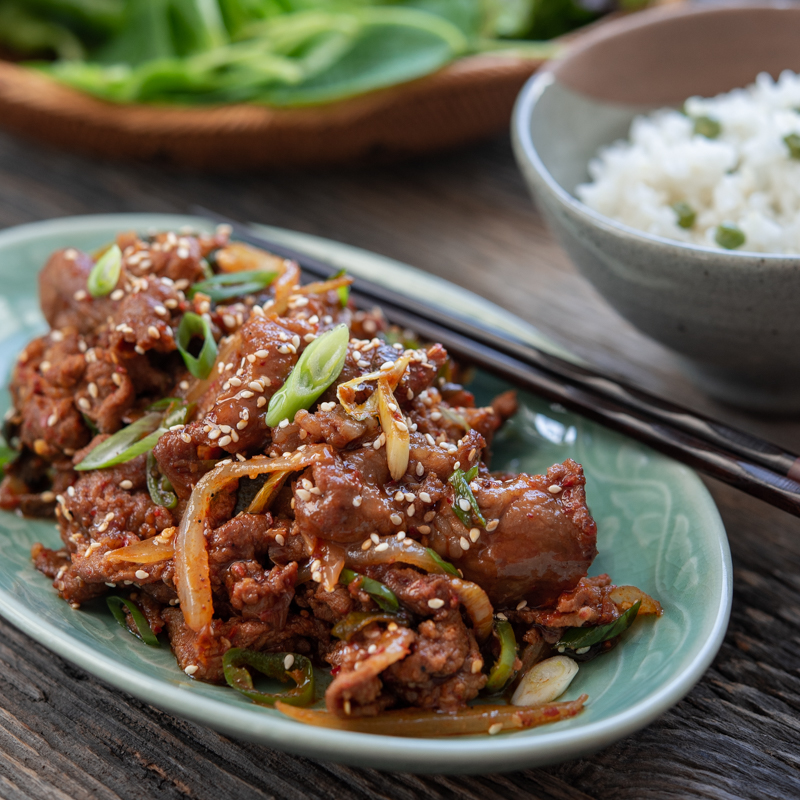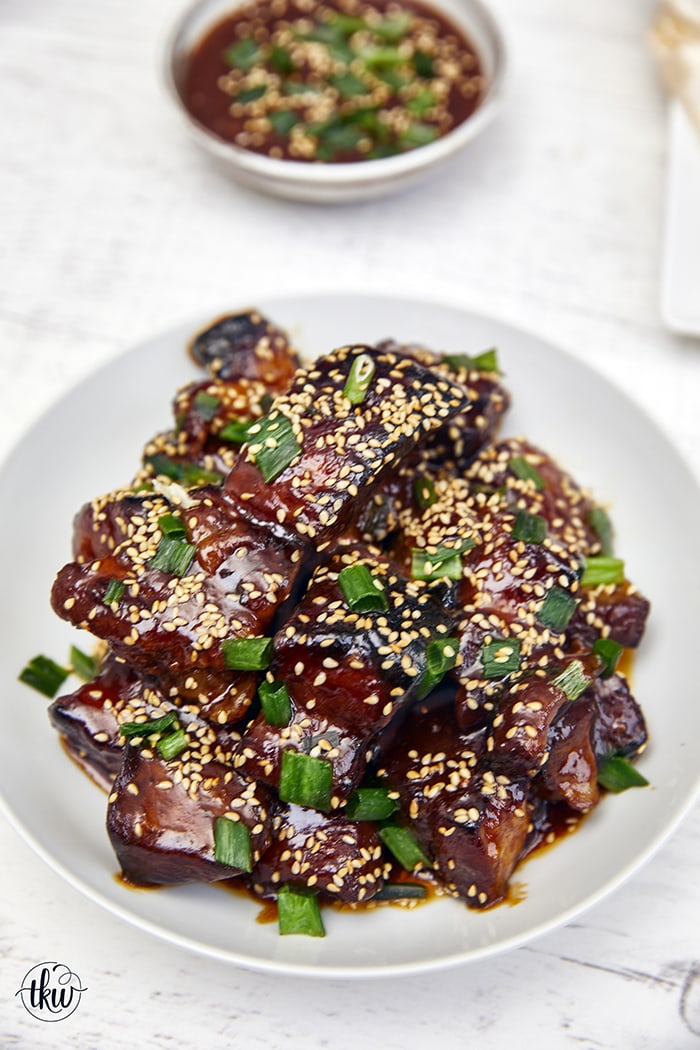
Craving that sweetspicy, meltinyourmouth pork belly without spending hours in the kitchen? Youre in the right spot. In the next few minutes Ill walk you through a lightningfast gochujang pork belly recipe, show you three ways to cook itair fryer, oven, or grilland share sidedish ideas that turn a simple dinner into a fullblown Korean feast.
Well also talk about the nutrition side of things, so you can enjoy the flavor while staying balanced. Grab a cup of tea, roll up your sleeves, and lets dive into the delicious world of gochujang pork belly together.
Gochujang Pork Belly Basics
Core Ingredients
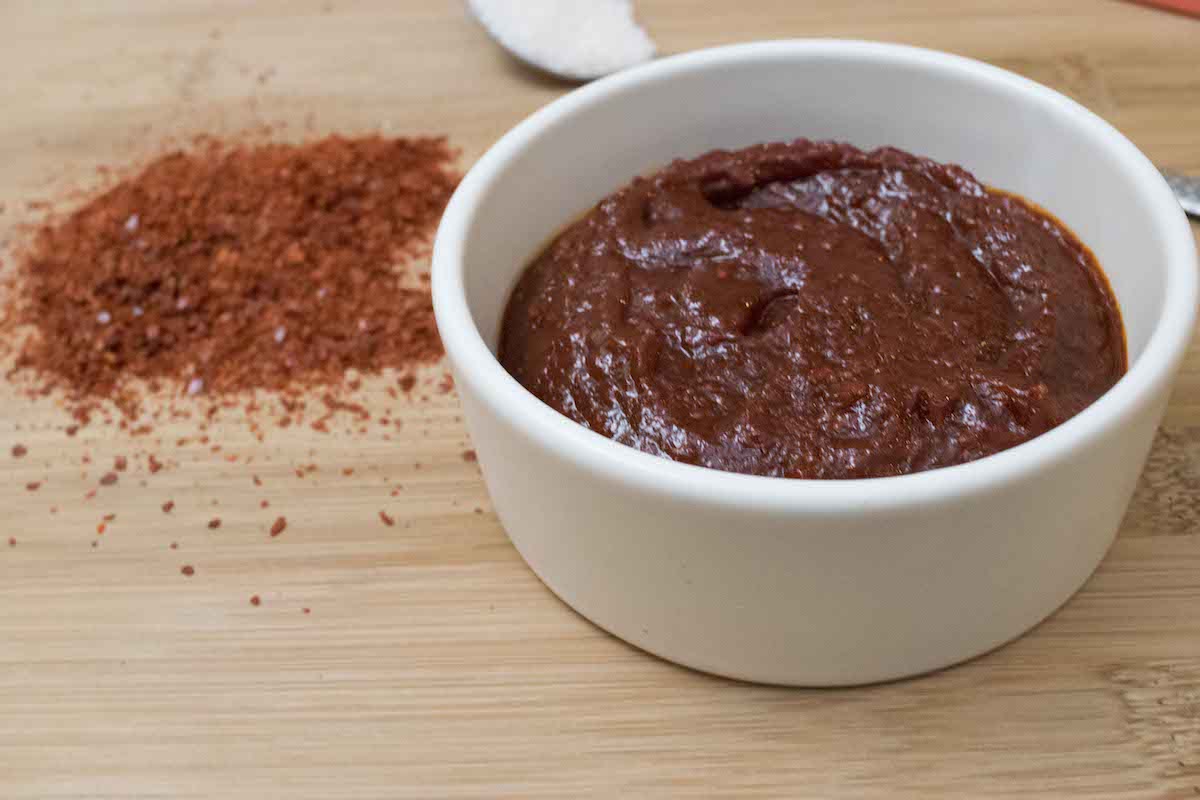
The star of the show is, of course, pork bellyrich, fatty, and perfect for absorbing flavors. Pair it with gochujang, the fermented Korean chili paste that brings heat, sweetness, and that unmistakable umami depth. Add soy sauce, a splash of honey or brown sugar, minced garlic, a drizzle of sesame oil, and a pinch of black pepper, and youve got a sauce that sings. For quick reference on nutritional values while planning portions, check the USDA food database for accurate entries on pork cuts by weight: USDA FoodData Central.
Flavor Profile
Imagine the warmth of a summer night, the zing of fresh chili, and the comforting hug of caramelized sugarall wrapped around juicy pork. Thats the sweetspicysavory dance gochujang creates, balanced by the salty kick of soy sauce and the nutty whisper of sesame oil.
Quick Fact Box
Heat level: Mediumhot (adjust with extra gochujang or a dash of rice vinegar).
Protein: About 20g per 100g of pork belly.
Calories: Roughly 350kcal per serving (depends on cooking method).
Best Marinade Recipe
FullStep Marinade
Combine cup gochujang, 2tbsp soy sauce, 1tbsp honey (or brown sugar), 1tbsp sesame oil, 2 minced garlic cloves, and a pinch of black pepper in a bowl. Whisk until smoothno fancy equipment needed. Slice a 1pound pork belly into inch strips and toss them into the sauce. Make sure every piece is wellcoated.
IngredientSwap Guide
- Honey vs. brown sugar: Honey gives a lighter, floral sweetness; brown sugar adds a deeper molasses note.
- Glutenfree soy sauce: Perfect for those avoiding gluten without sacrificing salty depth.
- Sesame oil alternatives: A drop of peanut oil can add a subtle nuttiness if youre out of sesame.
Why Each Component Matters
Gochujang provides the heat and fermented complexity that sets Korean cuisine apart. Soy sauce balances that heat with salt and adds umami. Honey or sugar caramelizes during cooking, giving the pork belly that glossy, sticky finish. Garlic brings aromatic punch, while sesame oil finishes the dish with a fragrant, lingering note.
Marinating Timeline
For a quick dinner, 30minutes at room temperature is enough to let the flavors mingle. Want deeper penetration? Cover and refrigerate for 24hours, or overnight for maximum taste. Just remember to bring the meat back to room temperature before cooking so it cooks evenly.
Choose Your Cooking Method
| Method | Time | Best For | Key Tip |
|---|---|---|---|
| AirFryer | 1215min | Quick, crisp skin | Preheat, flip once |
| Oven | 2530min @425F | Even caramelization | Use a rack for drainage |
| Grill/BBQ | 810min per side | Smoky flavor | Brush extra sauce in final minutes |
| Stovetop + Oven | 5min + 10min | Small batches | Keep lid on for tenderness |
Gochujang Pork Belly Air Fryer
Preheat your air fryer to 200C (390F). Arrange the marinated strips in a single layerno overlapping. Cook for 6minutes, shake the basket, then another 68minutes until the edges are caramelized and the skin is crisp. A quick spritz of oil helps achieve that glossy finish without excess grease.
Gochujang Pork Belly OvenRoasted
Line a baking sheet with foil, place a rack on top, and lay the pork belly strips on the rack. Roast at 425F (220C) for 2025minutes, then switch to broil for the last 23minutes to blister the glaze. The result? A beautifully browned exterior with a tender, juicy interior.
Gochujang Pork Belly BBQ/Grill
Heat a charcoal or gas grill to mediumhigh. Grill the pork belly strips for about 45minutes per side, basting with extra gochujang sauce during the last minute. The smoky aroma pairs perfectly with the sweetspicy glaze, turning your backyard into a Korean streetfood stall.
Stovetop + Oven Hybrid
Start by searing the strips in a hot skillet for 23minutes per sidejust enough to develop a crust. Transfer the skillet (or move the pork to a preheated oven) and finish at 400F for 810minutes. This method gives you the best of both worlds: a caramelized crust and a uniformly cooked interior.
Troubleshooting Checklist
- Dry meat: Reduce cooking time or add a splash of broth halfway through.
- Undercooked center: Increase oven temperature by 25F and use a meat thermometer (target 145F).
- Burnt glaze: Lower the heat and brush sauce later in the cooking process.
Serving Ideas & Pairings
Gochujang Pork Belly Noodles
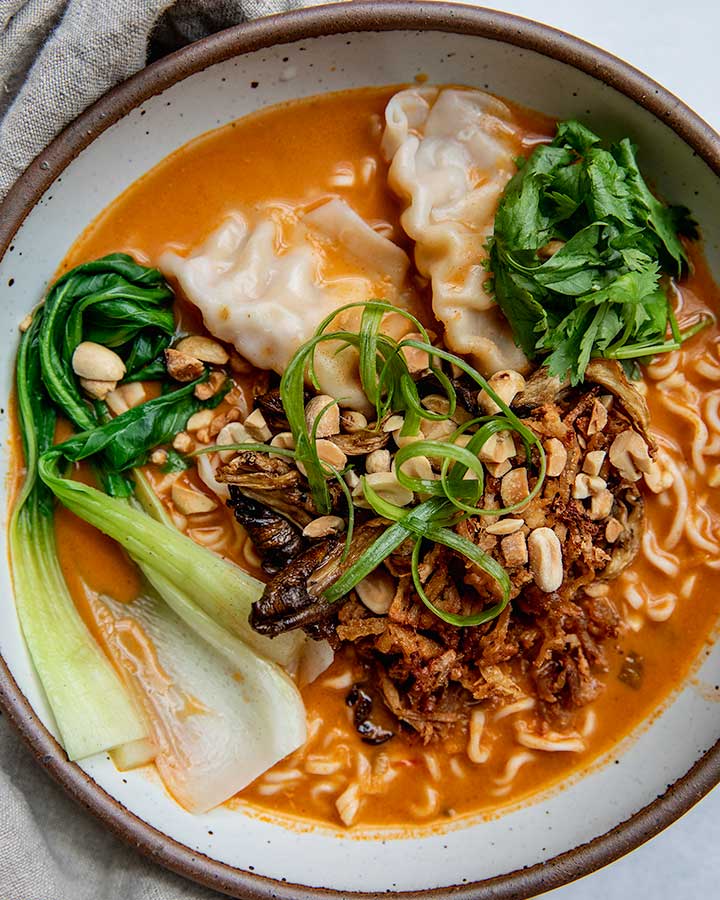
Swap the rice for noodles for a quick stirfry. Toss cooked soba or ramen noodles with a spoonful of gochujang sauce, add the sliced pork belly, and finish with sliced scallions and sesame seeds. Its a hearty bowl that feels like comfort food with a Korean twist.
Classic Korean Wraps (Samgyeopsal Style)
Lay a piece of pork belly on a lettuce leaf, add a dab of ssamjang (Korean soybean paste), a few slices of raw garlic, and a bite of kimchi. Fold, bite, and youve got a flavor explosioncrispy, spicy, tangy, and fresh all at once.
Side Dishes That Balance the Heat
Serve the pork with steamed rice, a cooling cucumber kimchi, and some pickled radish. The mild, acidic side dishes tame the heat while letting the porks sweetness shine.
MiniMeal Plan
Breakfast leftover: Slice cold pork belly into a breakfast burrito with egg and avocado.
Lunch bowl: Toss pork with mixed greens, quinoa, and a drizzle of sesameginger dressing.
Dinner feast: Pair the pork with Korean pancake (pajeon) and a pitcher of barley tea.
Nutrition, Benefits & Risks
Protein & Healthy Fat Content
Pork belly is rich in protein and monounsaturated fats, which can support muscle repair and provide satiety. When cooked properly, the fat renders nicely, leaving you with a tender bite without feeling overly greasy.
Sodium & Sugar Considerations
The soy sauce and gochujang bring sodium, while honey or sugar adds sweetness. If youre watching your sodium intake, opt for lowsodium soy sauce and reduce the honey by a tablespoon. For a lighter version, substitute part of the honey with a splash of apple cider vinegar for tang.
Practical Tips to Lighten the Dish
- Use a 2:1 ratio of pork belly to lean pork shoulder for less fat.
- Trim excess skin before marinating.
- Serve with plenty of vegetable-based sides to balance the plate.
Quick Comparison Chart
| Version | Sodium (mg) | Sugar (g) | Calories |
|---|---|---|---|
| Standard | 850 | 12 | 350 |
| Light | 600 | 6 | 280 |
For detailed nutrient data, you can check the database.
RealWorld Experiences and Tips
My First Gochujang Pork Belly Attempt
When I first tried this recipe, I overmarinated the pork for 24hours, and the gochujang became a bit too intense. The fix? Add a splash of coconut milk to mellow the heatand it turned the glaze into a silky, glossy sauce. Lesson learned: balance is key, but a little experimentation can lead to happy accidents.
Reader Stories
I love hearing how you make this dish your own. Some of you have swapped the pork belly for chicken thighs, others have added toasted pine nuts for crunch. Keep the creativity flowingcooking is as personal as it is communal.
Pro Chef Insight
Chef Lee, a Korean culinary instructor, recommends finishing the pork belly with a quick toss in a hot pan with a dash of toasted sesame oil and a sprinkle of toasted sesame seeds. This extra step adds a nutty aroma that elevates the dish from great to unforgettable.
Conclusion
There you have ityour goto guide for mastering gochujang pork belly in under 30minutes. Remember the three pillars: a balanced, flavorful marinade; the cooking method that fits your kitchen; and thoughtful pairings that round out the meal. Whether youre firing up the air fryer for a quick weekday dinner or grilling outdoors for a weekend BBQ, this dish delivers bold Korean flavor with a friendly, approachable vibe.
Give it a try, tweak the spices to match your palate, and share your results with friends or family. Cooking is a conversation, after all, and Id love to hear what you discover along the way. Happy cooking!
FAQs
How long should I marinate the pork belly for best flavor?
For a quick dinner, 30 minutes at room temperature is enough. For deeper flavor, marinate 4–6 hours in the fridge, or overnight for maximum taste.
Can I use a different cut of pork instead of belly?
Yes, pork shoulder or pork loin work well. Adjust cooking time slightly—leaner cuts may need a bit longer to stay juicy.
What is the ideal temperature for air‑frying the pork belly?
Preheat the air fryer to 200 °C (390 °F) and cook the strips for about 6 minutes, shake, then another 6–8 minutes until caramelized.
How do I reduce the sodium in this recipe?
Swap regular soy sauce for low‑sodium soy sauce and reduce the amount by one tablespoon, or use a kombu‑based broth to add umami without extra salt.
What side dishes pair best with gochujang pork belly?
Steamed rice, cucumber kimchi, pickled radish, or a simple lettuce wrap with ssamjang all balance the sweet‑spicy heat beautifully.