Introduction
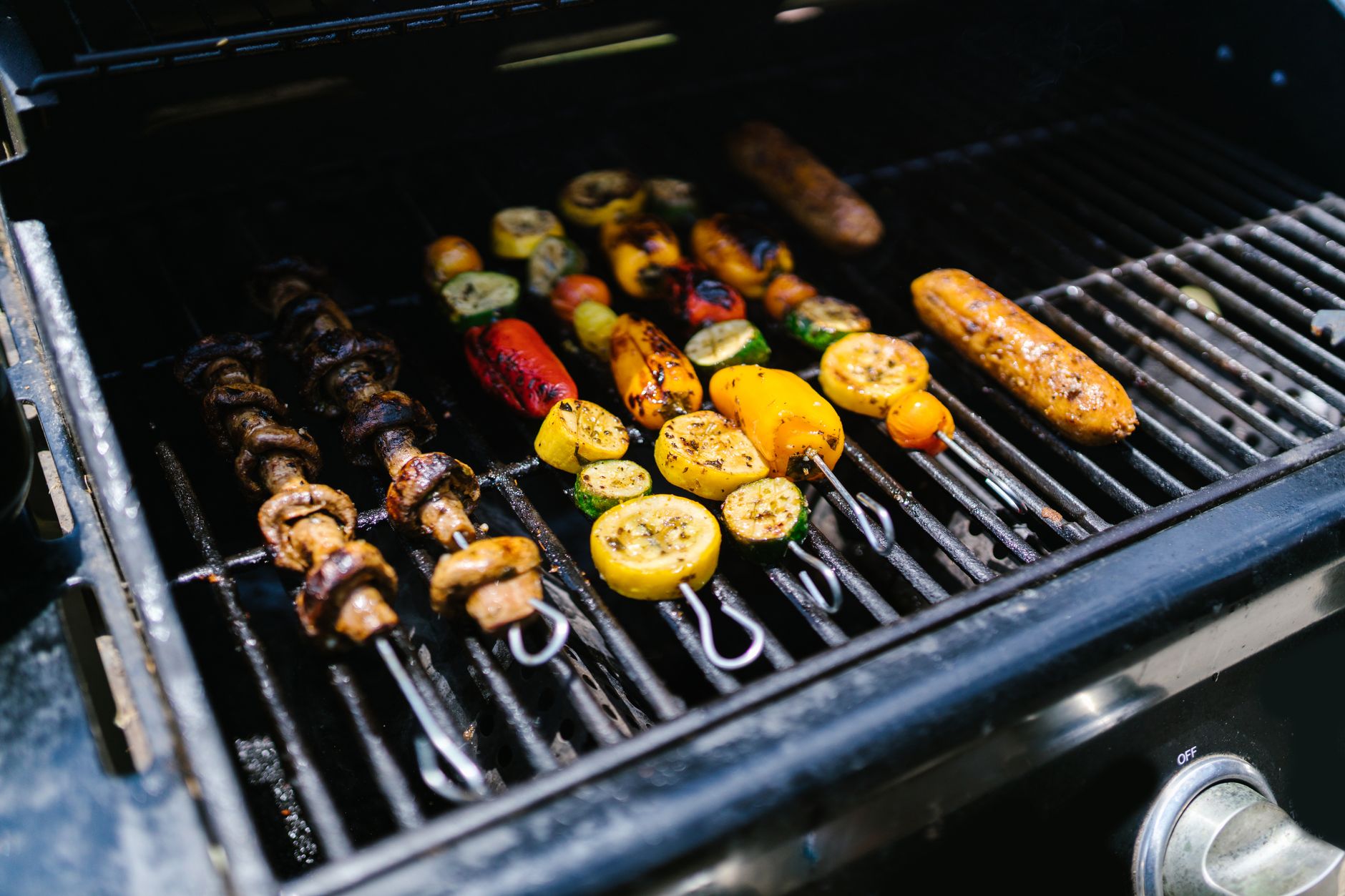
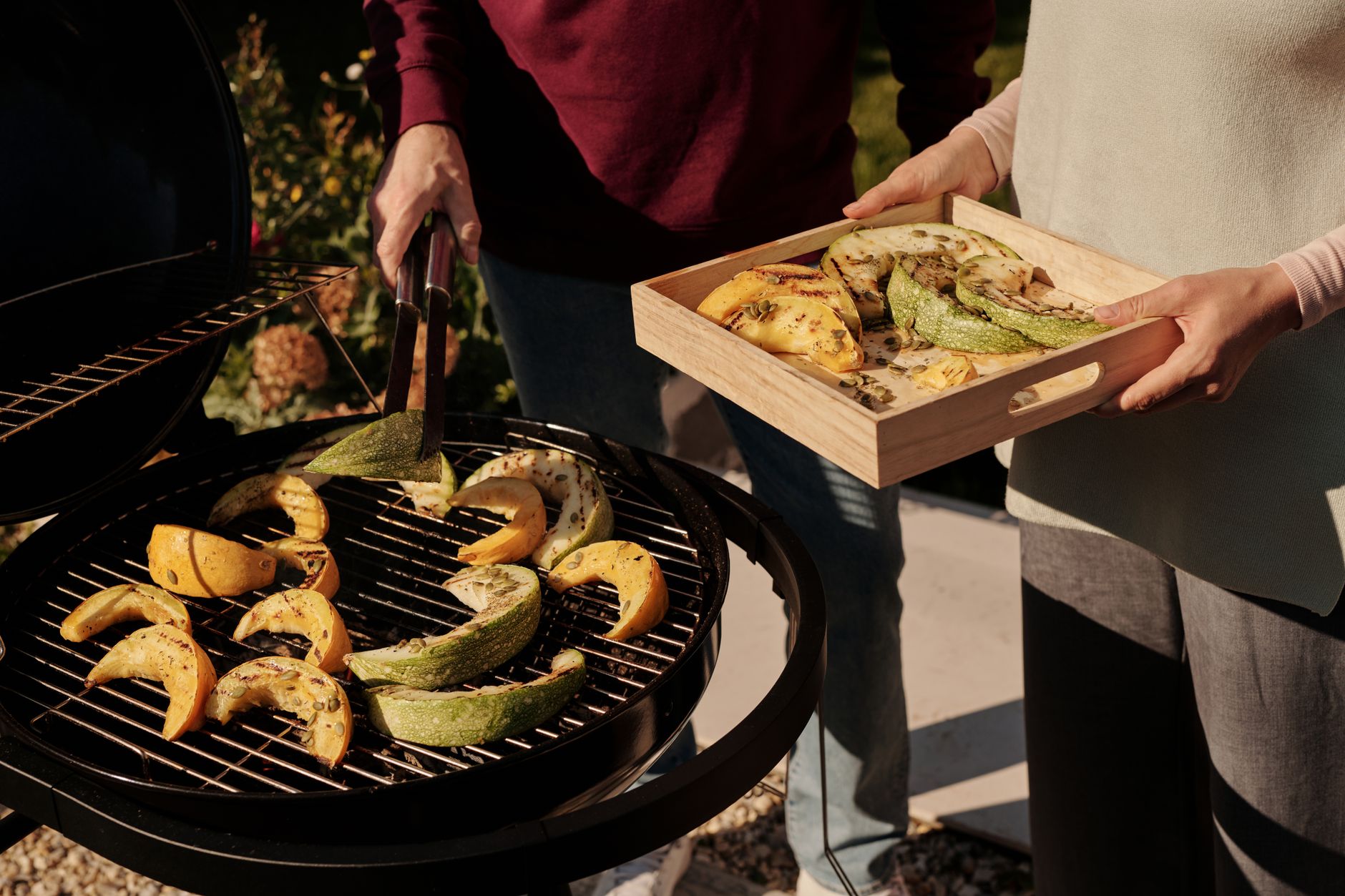
Theres nothing like the smoky grilled vegetable taste that comes from a Weber grill. These Weber grilled vegetables deliver a caramelized, crisp charm that beats store-bought options every time. Whether you are preparing vegetables for grilling for the first time or sharpening your technique, this recipe combines best Weber grilling techniques to bring out natural sweetness with perfect grill marks. Ready to get that grill sizzling with vibrant veggies?
Key Highlights
The Flavor Boost of Weber Grilled Vegetables
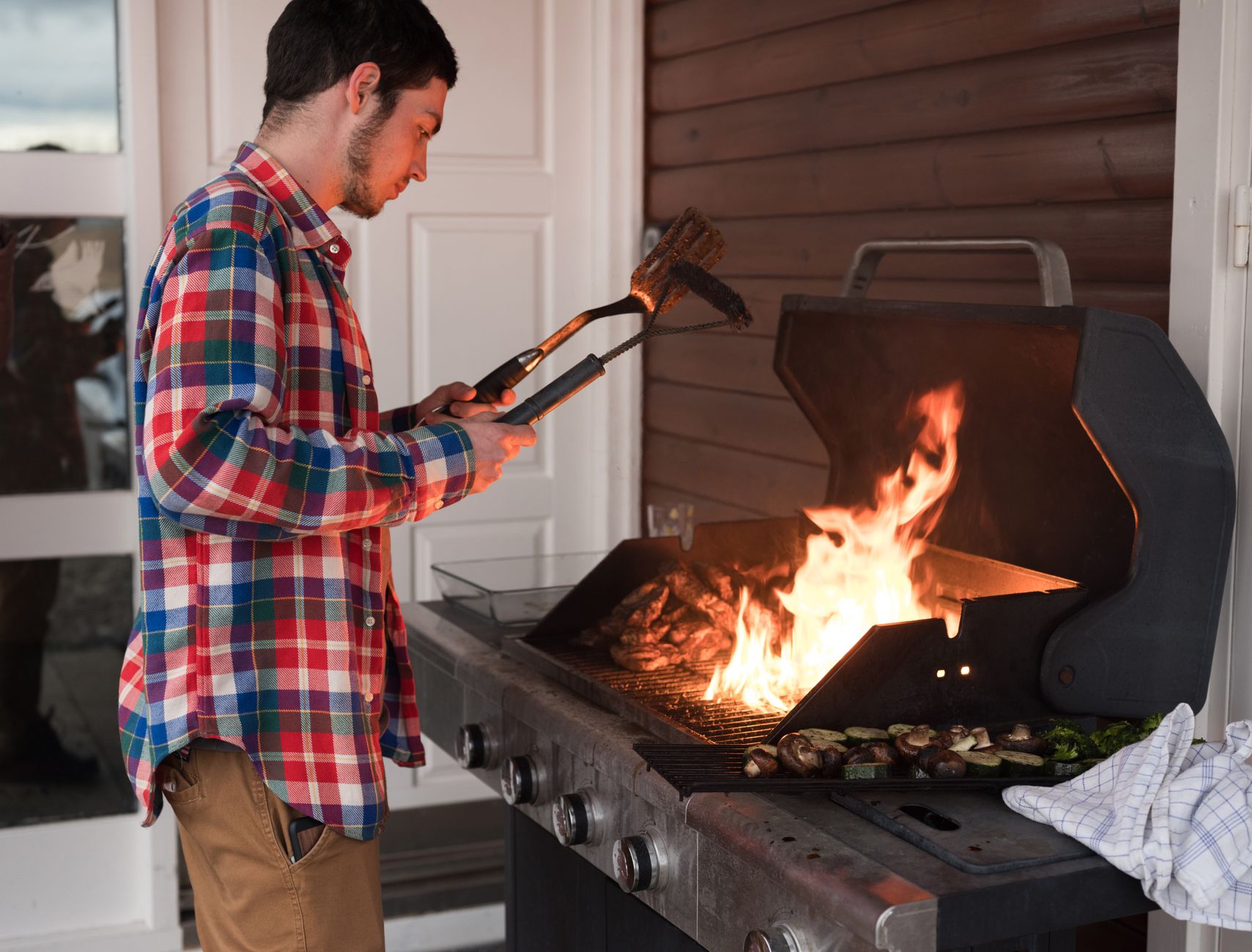
Using a Weber grill creates a flavorful, smoky grilled vegetable experience thanks to the intense but even heat. The lid traps smoke, infusing vegetables with a golden char and enhancing their natural sugars. This roasting and searing combo is what creates that crave-worthy texture with tender insides and crispy edges.
Versatility Across Vegetables
From zucchinis to bell peppers to mushrooms, Weber grilled vegetables shine with balanced textures. The art lies in grilling different veggies just long enough for caramelization but not sogginess. This technique suits a wide palette, including vegan grilled vegetable options that fit any meal or occasion.
What Makes This Method Different
Unlike other grilled vegetable recipes, this uses direct vs indirect grilling method wiselysearing first, then finishing on indirect heat. The result? No burnt edges from common grilling mistakes, just smoky, flavorful vegetables. These tips ensure each bite delivers vibrant taste and visual appeal.
Ingredients & Preparation
| Prep time | Grill time | Total time | Servings | Calories | Diet tags |
|---|---|---|---|---|---|
| 15 mins | 1215 mins | 30 mins | 4 | ~90 per serving | Vegan, Gluten-Free, Dairy-Free |
Ingredient List
- 2 medium zucchinis, sliced lengthwise
- 1 red bell pepper, cut into large strips
- 1 small red onion, sliced into rings
- 8 oz mushrooms, halved (button or cremini)
- 2 tbsp olive oil
- 1 tsp smoked paprika (optional)
- Salt and pepper to taste
- Fresh herbs like thyme or rosemary for garnish (optional)
Equipment Needed
Youll want your Weber grill with a lid ready to work. Keep tongs and a grill basket handy, especially if you want to avoid small pieces slipping through the grate. A sharp chefs knife and cutting board will help you prep the vegetables quickly and cleanly.

Picking the Best Vegetables
Look for firm, fresh vegetables free from blemishes. Choosing zucchinis over watery options ensures grill marks and a nice crisp. Organic produce works well but isn‘t required. Remember: freshness makes all the difference in the final flavor and texture.
Step-by-Step Instructions
Step 1 Prep Vegetables: Wash and Slice
Start by washing all vegetables thoroughly under cold water. Slice zucchinis lengthwise, about inch thick for quick, even cooking. Cut bell peppers into large strips and onions into rings without peeling. Pat everything dry using a kitchen towel to remove extra moisture this helps avoid steaming on the grill.
Step 2 Grill Vegetables at 400F for 1215 Minutes
Preheat your Weber grill to medium-high heat, around 400F. Toss the veggies in olive oil, salt, pepper, and smoked paprika if using. Place them on the direct heat side of the grill for 2-3 minutes per side to get those signature grill marks. Then, move veggies to indirect heat to finish cooking gently, turning every 3 minutes for even caramelization.
Step 3 Add Finishing Touches
Once grilled, remove the vegetables carefully. Sprinkle fresh herbs like thyme or rosemary on top for extra aroma. A quick squeeze of lemon juice adds a tangy brightness that perfectly complements the smoky grilled vegetable taste.
Step 4 Serve Fresh or Store
Serve immediately for the best experience. If you want to save leftovers, let the veggies cool to room temperature before placing them in an airtight container. Proper storage helps retain crispness and flavor for days.
Variations & Substitutions
Popular Variations to Try
Feel like mixing it up? Add eggplant or asparagus for a smoky grilled twist. For a spicy kick, brush the vegetables with chili oil before grilling. Vegans can enhance flavor by sprinkling nutritional yeast as a cheesy alternative.
Ingredient Swaps
Try swapping olive oil for avocado oil for a subtle, neutral flavor. A balsamic vinegar glaze drizzled post-grill adds sweetness and depth. Dried herbs can replace fresh ones but expect a milder aroma and flavor.
Adjusting Flavor Profiles
Want more heat? Add cayenne or extra smoked paprika to the oil before grilling. Prefer milder veggies? Skip smoky spices and finish with fresh lemon juice only. Its all about balancing flavors to your liking.
Storage & Shelf Life
Refrigerate Correctly
Store grilled vegetables in glass or BPA-free containers with airtight lids. Keep in the refrigerator at or below 40F for 45 days. This maintains texture and flavor without drying out.
Freezing Tips
Freeze veggies by placing them flat on parchment paper first. Once frozen solid, transfer to freezer bags and seal tightly. Use within 2 months for best results. Thaw overnight in the fridge and reheat gently on the grill or stovetop before serving.
Batch Cooking Advice
Grill larger batches by doubling ingredients and using multiple baskets if available. Label containers with dates and contents to keep track. This keeps your kitchen organized and your meals ready for later.
Pro Tips & Troubleshooting
Handling Stains and Smells
Bell peppers and smoked paprika can stain hands. Wearing gloves keeps your fingers clean. If you notice too much smoke or charring, lightly mist vegetables with water using a spray bottle to control flare-ups.
Fixing Soggy or Dull Vegetables
Soggy veggies usually mean the grill was too hot or overcrowded. Grill in smaller batches and avoid excess oil to maintain crispness. If your vegetables look dull, theyre likely overcooked or coated in too much oil, which blocks caramelization.
Expert Upgrade
Right after grilling, sprinkle a pinch of freshly ground black pepper to boost the smoky flavor and brighten your veggies natural sweetness. This subtle step enhances overall depth without overpowering.

How to Avoid Common Grilling Mistakes
One common grilling mistake is applying too much oil, which causes flare-ups and sogginess. Another is not preheating the grill properlyalways wait until its fully heated. Finally, avoid overcrowding veggies; space helps even cooking and crispiness.
Frequently Asked Questions
When is the best time to eat Weber grilled vegetables?
The best time is right after grilling, while vegetables are warm and fresh. They also taste great at room temperature later the same day. Storing leftovers properly allows enjoying them cold or reheated within 45 days.
Can I make a big batch ahead of time?
Yes, grilling large batches and storing in airtight containers in the fridge is convenient. Just reheat gently on the grill or stovetop to restore texture without drying them out.
Fresh vegetables or frozen which gives better results?
Fresh vegetables always yield better texture and smoky flavor. Frozen veggies tend to release extra water during cooking, which can make them soggy and less flavorful.
Is this recipe safe for pregnant women or those on medication?
Generally, yes. The plant-based nature is low risk. Avoid heavily charred pieces to minimize intake of harmful compounds like polycyclic aromatic hydrocarbons. When in doubt, consult your healthcare provider.
How often should I eat grilled vegetables?
Including grilled vegetables several times per week boosts your vegetable intake and adds flavorful variety to meals. Regular consumption supports a balanced, nutrient-rich diet.
Why do my grilled vegetables taste bitter?
Bitterness usually comes from over-charring or burnt bits. Reduce direct grill time or lower the heat. Avoid piling on raw paprika as it can taste harsh when burnt.
What pairs well with Weber grilled vegetables?
They are fantastic alongside grilled meats, quinoa salads, or topped with crumbled feta cheese. Fresh herbs and a squeeze of lemon juice also brighten and complement these smoky flavors beautifully.
More Recipes You Will Love
For a hearty vegetarian option, try weber grill vegetable basket recipes that pair beautifully with your grilled veggies.
If you want to elevate flavors, explore Simple grilled vegetables marinade to create exciting profiles before cooking.
Craving a spicy twist? Check out How to marinate vegetables for barbecue indian style for some bold ideas and techniques.
Conclusion
Weber grilled vegetables give you that unbeatable smoky flavor and crispy texture with just a little practice. The method outlined here uses best Weber grilling techniques and helps avoid common grilling mistakes, ensuring your veggies come out perfect every time. Try this recipe soon, and dont hesitate to share your results or rate the dish your next favorite grilled side is just a few sizzles away.
FAQs
When is the best time to eat weber grilled vegetables?
The best time to eat Weber grilled vegetables is right after grilling while they are warm and fresh. They also taste great at room temperature later the same day. Properly stored leftovers can be enjoyed cold or reheated within 45 days.
Can I make a big batch ahead of time?
Yes, you can grill large batches and store them in airtight containers in the refrigerator. Reheat gently on the grill or stovetop to restore texture without drying out the vegetables.
Fresh vegetables or frozen – which gives better results?
Fresh vegetables provide better texture and smoky flavor. Frozen vegetables release extra water when cooking, often resulting in soggy and less flavorful grilled veggies.
How can I avoid soggy grilled vegetables?
To avoid soggy vegetables, grill at the right temperature without overcrowding the grill. Use moderate oil and grill in smaller batches to ensure crispness and proper caramelization.
What pairs well with Weber grilled vegetables?
Weber grilled vegetables pair excellently with grilled meats, quinoa salads, or toppings like crumbled feta cheese. Fresh herbs and a squeeze of lemon juice enhance their smoky flavor beautifully.