Introduction
Key benefit of cooking indian vegetables recipe fresh spices and balanced nutrition
Indian vegetables recipe brings fresh, bold spices and vibrant flavors to your table. This approach combines traditional Indian cooking techniques with wholesome veggies for healthy vegetable dishes. Using turmeric, cumin, and garam masala adds depth and anti-inflammatory benefits, making each bite both delicious and nourishing. Its a simple yet satisfying way to enjoy nutritious vegetarian meals full of aroma and color.
Who this is for beginners to experienced cooks, vegetarians, and health-conscious eaters
Whether youre new to Indian cuisine or a seasoned cook, this recipe welcomes you. It suits vegetarians, vegans, and anyone seeking gluten-free options. The steps are straightforward and flexible, making it perfect for everyday meals or those aiming for nutritious vegetarian meals packed with flavor.
What makes this version unique compared to other indian vegetable recipes
This recipe balances authentic spice blends with easy preparation. Unlike many complex dishes, it uses accessible ingredients and practical cooking methods. Youll get a spiced vegetable masala thats vibrant, earthy, and perfectly textured without spending hours in the kitchen.
Ingredients & Preparation
| Prep time | Total time | Servings | Calories | Diet tags |
|---|---|---|---|---|
| 15 minutes | 40 minutes | 4 | ~150 per serving | Vegan, Gluten-Free, Dairy-Free |
Ingredient list with quantities and substitution notes
- 2 cups cauliflower florets (fresh or frozen)
- 1 cup diced potatoes (Yukon Gold preferred)
- 1 cup green peas (fresh or frozen)
- 1 medium tomato, chopped
- 1 tsp turmeric powder (substitute: fresh grated turmeric root)
- 1 tsp cumin seeds (substitute: ground cumin)
- 1 tsp garam masala
- 2 tbsp cooking oil (vegetable oil or ghee)
- Salt to taste
- Fresh cilantro for garnish (optional)
Equipment needed saut pan or skillet; alternatives: pressure cooker or Instant Pot for faster cooking
A sturdy saut pan or heavy-bottomed skillet works best to evenly cook and brown your vegetables. A pressure cooker or Instant Pot speeds up cooking but may need slight liquid adjustments. Use what suits your kitchen setup for consistent results.
Tips for choosing quality ingredients
Choose fresh vegetables with bright colors and firm textures. Organic spices usually hold better aroma and stronger flavors. Avoid wilted, limp, or frost-damaged frozen vegetables to maintain optimum taste and texture in this indian vegetable curry recipe.
Step-by-Step Instructions
Step 1 Prepare vegetables by washing, peeling potatoes, chopping cauliflower into small florets, and dicing tomatoes
Start by thoroughly rinsing all vegetables. Peel potatoes and dice them into equally sized cubes about 1 inch. Chop cauliflower into small, bite-sized florets. Dice the tomato finely. For peas, simply rinse well; no peeling is necessary. Use a sharp knife for clean, uniform cuts to ensure even cooking.
Step 2 Heat oil on medium, add cumin seeds until fragrant (about 30 seconds), then stir in turmeric and garam masala. Add potatoes and cook 5 mins
Warm the oil over medium heat until it shimmers. Add cumin seeds and let them sizzle gently for 30 seconds to release their aroma. Immediately stir in turmeric and garam masala, mixing well to coat the oil. Add diced potatoes, tossing for 5 minutes to slightly brown and soften the edges. Stir often to prevent spices from burning.
Step 3 Add cauliflower, peas, tomatoes, salt, and cup water. Cover and simmer on low for 15 minutes until vegetables are tender
Stir in cauliflower florets, peas, chopped tomatoes, and salt to taste. Pour in cup water to create steam for cooking. Cover the pan tightly and reduce heat to low. Let it simmer gently for 15 minutes, checking once halfway to stir gently. Avoid overcooking to keep vegetables tender-crisp and retain nutrients.
Step 4 Garnish with fresh cilantro and serve immediately or transfer to airtight container once cooled
Once the veggies are tender and the sauce thickened, remove from heat. Sprinkle chopped cilantro on top for a fresh, herbal note. Serve hot alongside rice or Indian bread. If storing, let it cool completely before sealing in an airtight container to keep flavors fresh.
Variations & Substitutions
Vegan and low-oil variations using water or vegetable broth instead of oil
You can reduce oil by substituting with water or vegetable broth to saut spices gently. Using coconut oil adds a tropical depth and creamy texture. These tweaks keep the dish light while preserving its signature warmth and richness, perfect for a vegan indian vegetable recipe.
Ingredient swaps swapping potatoes for sweet potatoes or adding bell peppers
Sweet potatoes add subtle sweetness and extra fiber, while bell peppers bring crunch and bright colors. These swaps slightly change the flavor but boost nutrient variety. Feel free to mix and match vegetables based on seasonal availability or preference.
Adjusting spice level making it milder or spicier
For a spicier kick, add chopped green chilies or a pinch of red chili powder. To mellow the heat, skip chilies and add more tomatoes for subtle tanginess. This makes the recipe approachable for all palates and occasions.
Storage & Shelf Life
Refrigerator storage keeps for 45 days in sealed glass containers
Store cooled leftover indian vegetable curry recipe in airtight glass containers. Refrigerate promptly and consume within 4 to 5 days. Reheat gently on low flame or in a microwave with a splash of water to prevent drying out.
Freezer storage freeze in airtight containers or freezer bags for up to 2 months; thaw overnight in the fridge
Divide into portions and freeze in BPA-free containers or freezer bags. Label with date. Consume within 2 months for best texture. Thaw overnight in the fridge before reheating slowly to maintain flavor and consistency.
Make-ahead tips double recipe for batch cooking, label containers with date
Double the recipe to save time on busy days. Use tight-sealing containers and label each with preparation date. Batch cooking helps you enjoy consistent, healthy vegetable dishes without daily effort.
Pro Tips & Troubleshooting
Practical tips avoid staining hands with turmeric by wearing gloves or washing with lemon juice
Turmeric powder stains skin easily. To avoid yellow hands, wear disposable gloves or apply a thin layer of oil on your hands before handling. If staining occurs, rubbing lemon juice or baking soda paste helps remove color effectively.
Why dishes may look or taste off too dark color indicates burnt turmeric; bitter taste comes from overcooked or too much raw root
If your curry develops a dark color, the turmeric might have burned. Burnt spices produce a bitter taste, so cook on moderate heat and stir frequently. Excessive or raw turmeric root also introduces bitterness; rinse root well or reduce quantity.
Expert upgrade add freshly ground black pepper to boost curcumin absorption by up to 2,000%
According to a 2023 study in the Journal of Nutritional Biochemistry, combining black pepper with turmeric increases curcumin absorption dramatically. Adding freshly ground black pepper not only intensifies flavor but also maximizes health benefits.
indian roasted vegetables recipe pairs beautifully with this dish for a variety of textures and flavors.
When is the best time to eat indian vegetables recipe?
This dish works well for lunch or dinner. Eating it freshly cooked preserves the aromas and nutrients. It provides a warm and satisfying meal that complements any daily routine, especially in cooler seasons or whenever you crave wholesome flavors.
Can I make a big batch ahead of time?
Yes, this recipe stores well in the fridge for 4 to 5 days and freezes for up to 2 months. Preparing a large batch saves cooking time on busy days. Just adjust seasoning slightly when reheating to refresh flavors.
Fresh vegetables or frozen which is better for this recipe?
Fresh vegetables typically provide better texture and aroma. However, frozen cauliflower and peas are convenient and retain much of their nutritional value. They save prep time without compromising taste significantly.
Is this recipe safe for pregnant women or people on medication?
Generally safe in moderate amounts. People on blood thinners or with gallbladder issues should consult their doctor before consuming turmeric regularly. Pregnant women should also check with a healthcare provider, especially for high spice levels.
How often can I eat this dish?
You can enjoy this spiced vegetable masala daily as part of a balanced diet. Rotating the vegetables included helps provide a broad nutrient spectrum and keeps meals exciting.
Why does my dish taste bitter?
Bitterness arises from burnt turmeric or overuse of raw turmeric root. Cooking spices gently over medium heat and reducing turmeric quantity usually prevents this issue. Balancing flavors with a pinch of sugar or lemon juice can also help.
What pairs well with indian vegetable recipes?
Serve this dish with basmati rice, naan, or lentil dal to complete your meal. Light yogurt-based raitas or fresh salad add refreshing contrast and balance the warm spices nicely.

More Recipes You Will Love
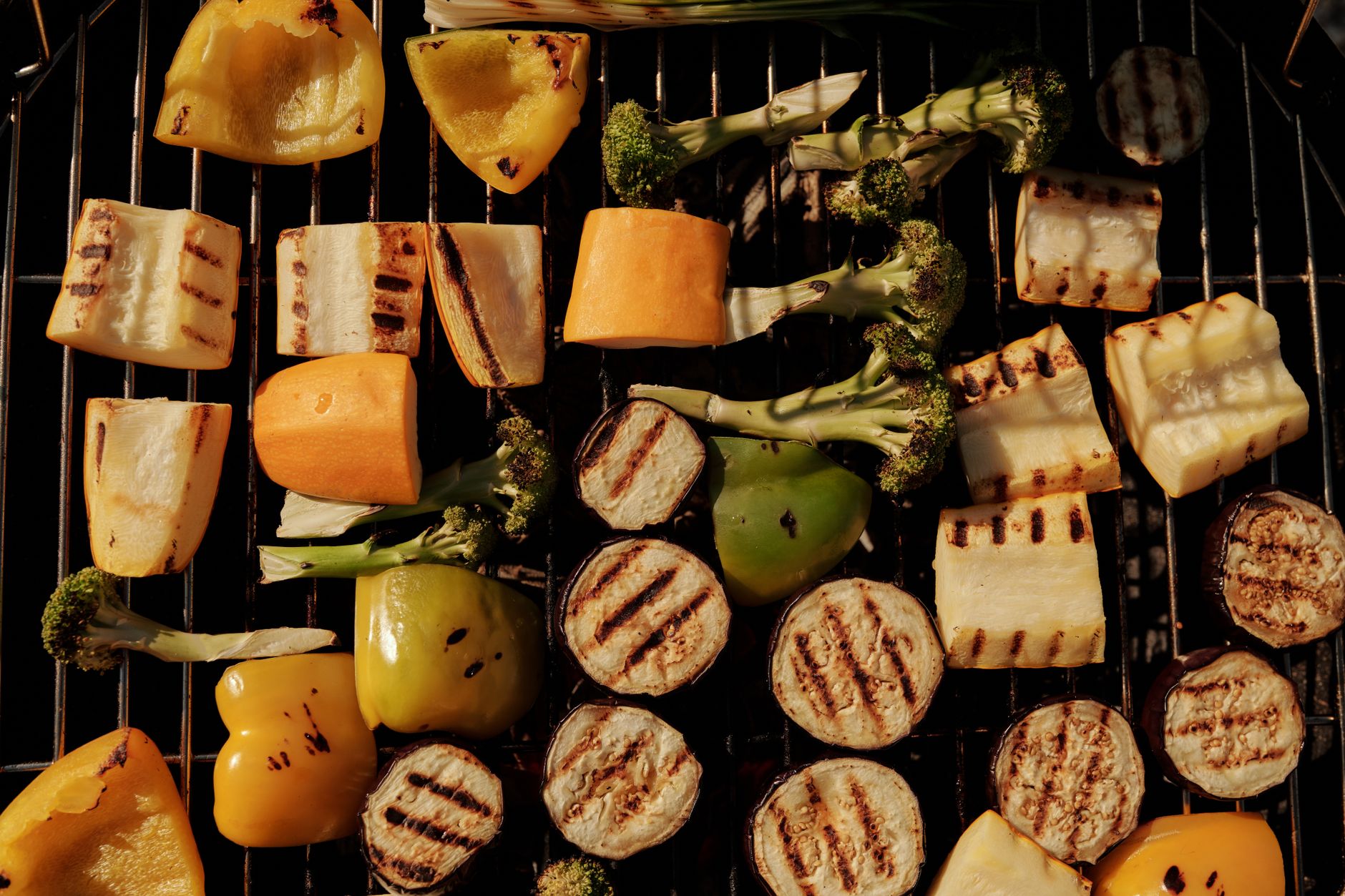
Indian Roasted Vegetables Recipe offers a smoky, caramelized twist on common vegetable sides.
Baked spinach and zucchini 8732050 is a simple, healthy option to add variety to your meals.
Creamy vegetable soup combines rich textures with a comforting warmth perfect for any season.
Conclusion
This indian vegetables recipe combines vibrant spices with fresh, wholesome ingredients. It creates a flavorful and healthy vegetable dish anyone can enjoy, regardless of cooking experience. Try this recipe soon, share your results in the comments, and explore the indian roasted vegetables recipe for more delicious inspiration!
FAQs
When is the best time to eat indian vegetables recipe?
This dish is ideal for lunch or dinner when eaten freshly cooked to preserve aroma and nutrients. It offers a warm, satisfying meal perfect for everyday meals or cooler seasons.
Can I make a big batch ahead of time?
Yes, this recipe stores well in the fridge for 4 to 5 days and freezes for up to 2 months. Preparing a large batch saves cooking time and maintains flavors with slight seasoning adjustments upon reheating.
Should I use fresh or frozen vegetables for this recipe?
Fresh vegetables provide better texture and aroma, but frozen cauliflower and peas are convenient and retain most nutrients. Both options work well depending on availability and prep time.
Is this indian vegetables recipe safe for pregnant women or people on medication?
Generally safe in moderation, but those on blood thinners or with gallbladder issues should consult a doctor before consuming turmeric regularly. Pregnant women should also seek medical advice, especially if using high spice levels.
Why does my dish taste bitter and how can I prevent it?
Bitterness usually comes from burnt turmeric or using too much raw turmeric root. Cook spices gently over medium heat, stir often, and reduce turmeric quantity. Balancing flavors with a pinch of sugar or lemon juice can also help.