Why Thin and Lacy Pancakes Are Worth Making
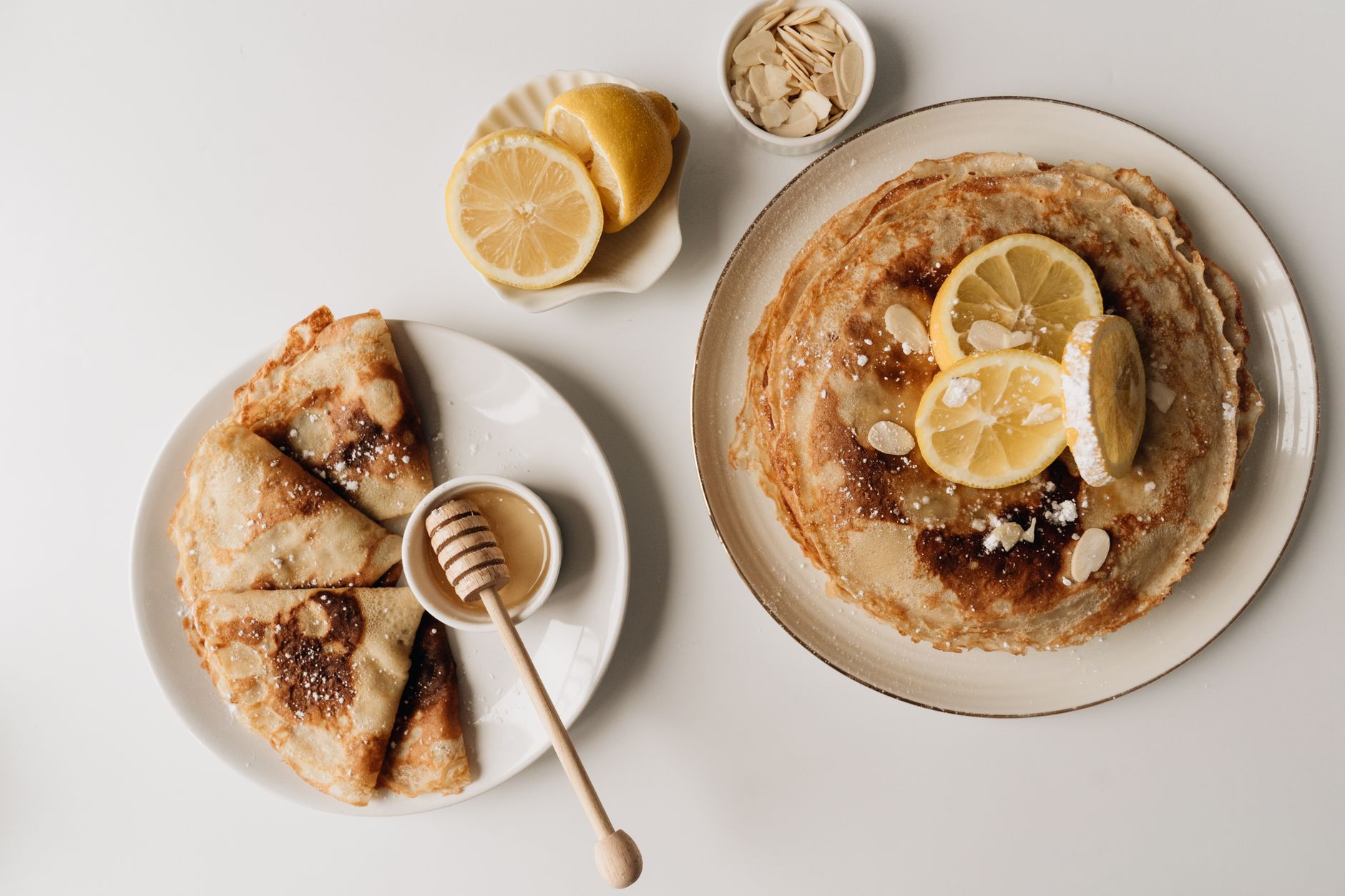
The batter pours like cream, and within a minute the pan holds a sheet of golden lace. Thin and lacy pancakes are a crepe-style breakfast made from a loose batter of milk, eggs, flour, butter, sugar and salt. Thin and lacy pancakes contain no baking powder or baking soda, so they stay flat and delicate. Swirling a little batter in a hot nonstick skillet creates a pancake thin enough to see through at the edges.
I first made these on a lazy Sunday, expecting something closer to a regular stack. What I got was a plate of soft, folded pancakes that tasted like a warm, buttery crepe. The whole batch comes together in one bowl, so cleanup stays easy. You can serve them plain, rolled, or folded with fruit.

Health Benefits and Nutrition
This breakfast is more of a treat than a health food, but a few ingredients bring real nutritional value. Milk provides protein and calcium, which both play roles in maintaining strong bones and muscles. Eggs supply good-quality protein along with nutrients such as choline. Together, the milk and eggs help make the pancakes more filling than a plain sugar-and-flour batter would be.
The flour and sugar add energy in the form of carbohydrates, but all-purpose flour contains very little fiber. Pairing your pancakes with fresh berries or sliced fruit adds fiber and vitamins without much extra effort. Butter adds richness and flavor, but it also adds saturated fat, so a light hand with the brushing goes a long way.
Based on the publisher‘s nutrition estimate, one pancake contains roughly 156 calories, 7 g of fat, 20 g of carbohydrate and 4 g of protein. These figures are approximate. Brand names, milk fat levels and how much butter you use will all change the final numbers.
Safety note: this recipe contains milk, eggs and wheat, which are common allergens and gluten sources. If you have a food allergy, sensitivity or condition that requires dietary limits, such as diabetes or a kidney condition, please speak with your doctor or a registered dietitian before making changes to your diet. This article offers general information, not personal medical advice.
Ingredients and Preparation
Recipe Card
| Prep time | Cook time | Total time | Servings | Calories (approx.) | Diet tags |
|---|---|---|---|---|---|
| 10 minutes | 25 minutes | 35 minutes | About 12 pancakes | About 156 per pancake | Vegetarian |
Ingredient List
- 2 cups milk
- 2 large eggs
- 4 tablespoons unsalted butter, melted and cooled, plus more for brushing
- 1/2 teaspoon pure vanilla extract
- 1 1/4 cups all-purpose flour
- 3 tablespoons sugar
- 1/4 teaspoon salt
- Butter and maple syrup or jam, for serving
Equipment Needed
- A large mixing bowl
- A balloon whisk
- A medium nonstick skillet, about 8 to 10 inches across
- A 1/4-cup measure or ladle
- A flexible rubber spatula, for lifting and flipping
- A pastry brush, for greasing the pan
- A plate lined with a clean towel, to keep the stack warm
Tips for Choosing Quality Ingredients
Whole milk gives the batter more body and a softer, more tender pancake. Lower-fat milk works, but the edges can look a little drier. Use fresh eggs and let them sit at room temperature for about 15 minutes if you can. They blend into the batter more smoothly.
Choose unsalted butter so you control the salt. Pure vanilla extract has a deeper flavor than imitation vanilla, and it is worth the small extra cost in a recipe this simple. Check the date on your baking flour, too. Old flour can taste flat and cook up dull.
Step-by-Step Instructions
Step 1: Whisk the Wet Ingredients
Whisk the milk, eggs, melted butter and vanilla in a large bowl for about 30 seconds, until no streaks of egg remain. Make sure the butter has cooled to lukewarm before you add it, or it can scramble the eggs slightly.
Step 2: Add the Dry Ingredients
Add the flour, sugar and salt to the bowl. Whisk for about 1 minute until the batter is smooth and free of lumps. It should pour like thin cream. If it looks thick, whisk in a splash of milk.
Step 3: Heat and Grease the Skillet
Heat a medium nonstick skillet over medium heat for about 2 minutes. Lightly brush the surface with melted butter. Medium heat gives you time to swirl the batter before it sets, so resist the urge to crank the burner higher.
Step 4: Swirl and Cook the First Side
Pour 1/4 cup of batter into the center of the skillet and swirl right away to coat the bottom in a thin, even layer. Cook for about 1 1/2 minutes, until the top looks set and the edges turn lightly golden.

Step 5: Flip and Finish the Pancake
Gently lift the edge with a rubber spatula, flip the pancake, and cook for about 15 seconds more, until just browned on the other side. Slide it onto a plate. The pancake is ready when the edges pull slightly away from the pan and the sizzle softens to a quiet hiss.
Step 6: Repeat, Fold and Serve
Repeat with the remaining batter without brushing the pan again. Fold each pancake into quarters and serve warm with butter and maple syrup or jam.
Variations and Substitutions
For a sweeter pancake, add 1 tablespoon more sugar to the dry ingredients. For a warmer, spiced version, stir 1/4 teaspoon ground cinnamon into the flour. Both changes keep the texture the same and only shift the flavor.
If you want to swap milk, use the same amount of unsweetened oat or soy milk. Expect a slightly nuttier or more neutral taste. I have found that thicker plant milks, like some barista-style blends, give a heavier pancake that tears more easily when flipped. A thinner unsweetened milk gives a better result.
I tried swapping half the all-purpose flour for whole wheat flour once. The pancakes turned out heavier, a little gritty and prone to tearing at the fold. If you want more fiber, use all-purpose flour and serve the pancakes with fruit instead. For a gluten-free option, see the questions below.

Storage and Shelf Life
Store cooked pancakes in an airtight container in the refrigerator for up to 3 days. Layer them with parchment paper so they do not stick together. Reheat them briefly in a dry nonstick pan over low heat, about 20 seconds per side, to bring back their softness.
To freeze, cool the pancakes completely, stack them with parchment between each one, and place them in a freezer bag. They keep well for up to 2 months. Thaw them at room temperature for about 15 minutes, or warm them straight from frozen in a covered pan over low heat.
The batter can be made a day ahead and kept covered in the refrigerator. Whisk it well before cooking, since the flour can settle. Watch for signs of spoilage. Discard any pancakes or batter that smell sour, look slimy, or show any mold.
Pro Tips for Thin, Lacy Results
Control the amount of batter. A 1/4-cup scoop is a good starting point, but the real trick is the swirl. Tilt and rotate the pan in one smooth motion so the batter spreads before it sets. If you pour too much, the pancake turns thick and loses its lace.
Keep your heat steady. The first pancake in a fresh pan is often a test, so do not worry if it comes out a little thick or pale. The first time I made these, I used a pan that was too hot. The batter set before I could swirl it. Medium heat fixes that problem.
Avoid over-greasing. Brush the pan only before the first pancake. Extra butter pools in the pan, fries the edges and makes the pancakes greasy. A dry, well-seasoned nonstick surface is all you need after that.
Watch the batter as you work. Flour settles to the bottom of the bowl, and the batter thickens slightly as it sits. Give it a quick whisk between batches. This keeps every pancake consistent from the first to the last.
Balance the sweetness. Three tablespoons of sugar for the whole batch gives a gentle flavor that works with both sweet and savory toppings. If you plan to fill the pancakes with something tart, like lemon curd or sour cherries, keep the sugar as written.
Your Questions About Thin and Lacy Pancakes, Answered
When is the best time to eat Thin and Lacy Pancakes?
These pancakes are best eaten warm, within 10 to 15 minutes of coming off the skillet, while the edges are still crisp and the butter is melted. They work well for a weekend breakfast or a relaxed brunch. Because they are light and delicate, they also make a nice second course after a fruit or yogurt start.
Can I make the batter the night before?
Yes, you can. Cover the bowl and refrigerate the batter overnight, and use it within about 24 hours. Whisk it thoroughly before cooking, since the flour settles. If it has thickened, add a small splash of milk until it pours like thin cream again.
Why are my pancakes too thick instead of thin?
Thick pancakes usually mean too much batter or not enough swirling. Start with a 1/4-cup scoop and tilt the pan immediately to spread it. Also check that the batter is loose. If it has sat for a while, a quick whisk or a little extra milk will thin it back down.
Can I make these gluten-free?
This recipe is not gluten-free as written, because all-purpose flour contains gluten. Gluten-free flour blends often absorb liquid differently, so results can vary. If you try one, start with a blend that is labeled as a one-to-one replacement and expect the batter to need a bit of adjusting. Speak with a doctor if you need to avoid gluten for health reasons.
Do I need a crepe pan to make these?
No, you do not need a special crepe pan. A medium nonstick skillet works well because the batter releases easily and the pancakes stay thin. A heavy, well-seasoned pan also works, but you may need a little more butter to prevent sticking.
Why do my pancakes tear when I flip them?
Tearing usually happens when the pancake is flipped before the edges have set. Wait until the edges look lightly golden and pull slightly away from the pan. Then slide the spatula underneath in one gentle motion. Thicker batter or heavier flours, such as whole wheat, also make pancakes more fragile.
Can I add fruit or chocolate directly to the batter?
You can add small amounts of finely chopped fruit or chocolate, but the batter will become harder to spread and the pancakes may tear. For the best lace, spread fillings over the cooked pancake instead. Add fruit, a spoon of jam or a sprinkle of chocolate after folding, while the pancake is still warm.
More Recipes You Will Love
If you enjoy the light, rolled texture of these pancakes, try making a savory companion dish. The Pancake rolls recipe uses a similar thin-batter technique to wrap fillings in a delicate sheet. It is a fun way to turn breakfast leftovers into something new.
For a heartier morning, pair your pancakes with a savory plate. The Western skillet eggs recipe is quick to make in one pan and adds protein, peppers and onions to the table. Serve it alongside a stack of pancakes for a balanced spread.
When you want more sweet breakfast ideas, look for simple recipes that use pantry staples. Fruit compotes, cinnamon butter and yogurt with honey all pair well with thin pancakes. Choose one or two to keep the table relaxed and easy to manage.
Conclusion
Thin and lacy pancakes reward a little patience. Once you learn the swirl and the medium-heat rhythm, the batches come together faster than you expect. Make a first pancake, adjust, and enjoy the rest. I hope this recipe becomes a regular on your breakfast table. If you try it, leave a comment and let me know which filling you chose, or share a photo with friends who love a good crepe-style morning.
FAQs
When is the best time to eat Thin And Lacy Pancakes?
The best time to eat Thin And Lacy Pancakes is breakfast or brunch, while they are still warm from the pan. Their delicate texture softens as they cool, so serving them fresh keeps the edges crisp and the folds tender. They also suit a relaxed weekend morning, when there is time to stack and fold each one slowly.
Can I make the Thin And Lacy Pancakes batter ahead of time?
Yes, you can make the batter ahead, and chilling it in the refrigerator is a practical option. Cover the bowl and keep it cold for up to one day. Whisk the batter well before pouring, since the flour may settle and the batter can thicken slightly as it sits.
Why do my Thin And Lacy Pancakes tear when I flip them?
Torn thin pancakes usually come from a batter that is too thick, a pan that is not greased enough, or a flip attempted too early. Thin And Lacy batter should pour like cream, so add a splash of milk if it feels heavy. Wait until the edges look set and dry before lifting each pancake with a flexible spatula.
Can I make Thin And Lacy Pancakes with gluten-free flour?
Gluten-free flour may be used, but the batter's texture and final results will vary by brand. The original recipe relies on wheat flour, which contains gluten, so it is not safe for people with celiac disease. Anyone with a medical condition or food allergy should check with a doctor or registered dietitian first.
How should I store leftover Thin And Lacy Pancakes?
Leftover Thin And Lacy Pancakes keep for up to three days when stored in an airtight container in the refrigerator. Place parchment paper between them so they do not stick together. Reheat each one briefly in a dry nonstick skillet over medium-low heat until warm and softened.