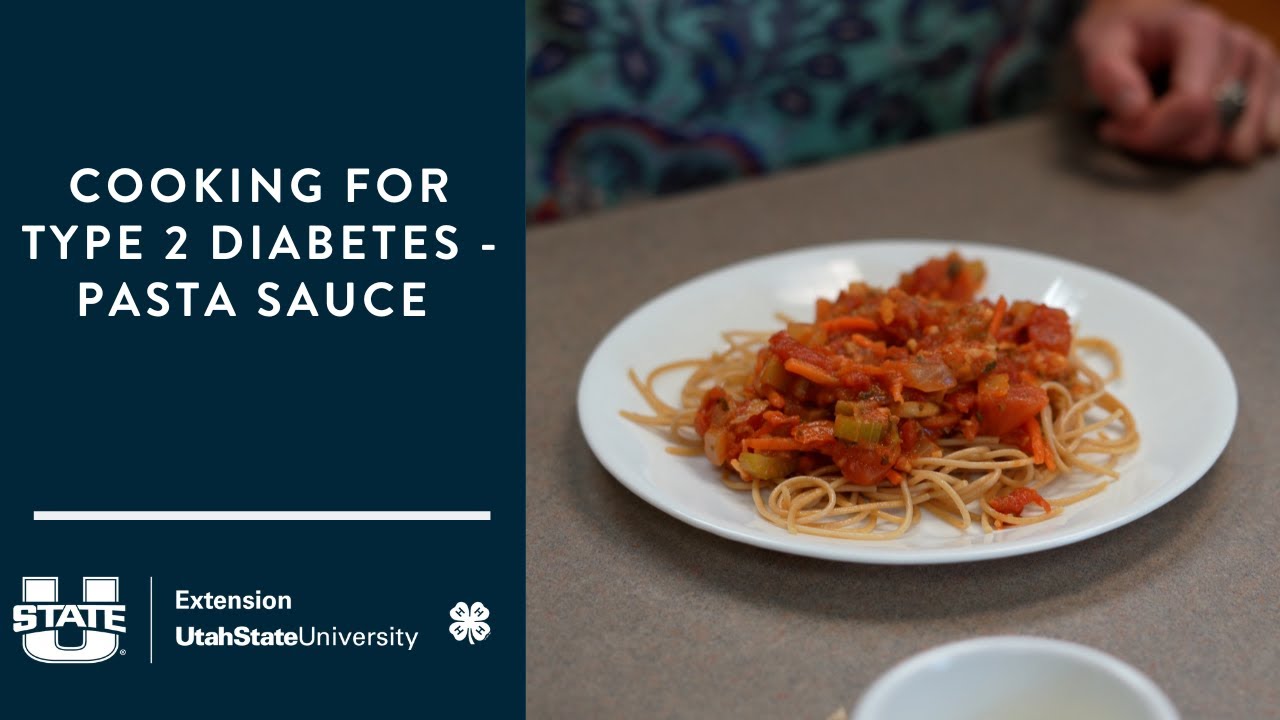
Yes, you can still twirl a forkful of spaghetti without worrying about a sudden bloodsugar spike. Below you'll find a quick, no‑added‑sugar sauce that's as tasty as it is kind to your numbers, plus tips on the best store‑bought alternatives when you're short on time. This guide to spaghetti sauce for diabetics shows how simple it can be to keep carbs low.
Why Go Homemade?
Hidden Sugars in Store‑Bought Sauce
Most grocery‑aisle spaghetti sauces aren't as innocent as they look. Even classic marinara often sneaks in 3‑5 grams of added sugar per half‑cup. According to a recent study published in Nutrition Journal, those hidden carbs can push post‑meal glucose up by 20‑30 mg/dL for people with type 2 diabetes.
Control Over Carbs and Ingredients
When you make the sauce yourself, you decide everything that goes in: fresh tomatoes, heart‑healthy olive oil, aromatic herbs, and most importantly zero added sugars. That control usually means a net‑carb count of 4 grams or less per cup, keeping your plate balanced and your insulin response steady.
Best Store‑Bought Options (When You Need a Shortcut)
If you're racing against the clock, several reputable brands already offer sugar‑free versions. Below is a quick comparison to help you pick the right one.
| Brand | Net Carbs (per cup) | Price (USD) | Notes |
|---|---|---|---|
| Raos Homemade No‑Sugar Added | 2 g | $7.99 | Premium ingredients; low sodium. |
| Barilla No‑Sugar Added Marinara | 3 g | $4.49 | Widely available; sturdy flavor. |
| Muir Glen Organic No‑Sugar Added | 4 g | $5.29 | Organic tomatoes; slightly richer texture. |
| Newman's Own Light Marinara | 3 g | $3.99 | Good balance of price and taste. |
Core Ingredients Guide
Choosing the Right Tomatoes
Fresh, ripe tomatoes give you a bright, naturally sweet base without added sugar. If fresh isn’t on hand, look for canned crushed tomatoes labeled “no‑salt added” and “no sugar added.” Both options have a low glycemic index—typically around 30—making them safe for diabetic meals.
Flavor Boosters With Zero Carbs
Garlic, onion, basil, oregano, and a splash of red‑wine vinegar add layers of flavor while contributing virtually no carbs. A drizzle of high‑quality extra‑virgin olive oil not only enriches the sauce but also supplies heart‑healthy monounsaturated fats—something the American Diabetes Association recommends for blood‑sugar control.
Sugar‑Free Pasta Sauce Brands to Keep On Hand
When you need a quick fix, keep a can or two of a trusted sugar‑free brand in your pantry. Check the ingredient list for hidden sweeteners like dextrose, maltodextrin, or fruit puree concentrate—they can add hidden carbs.
Step‑by‑Step Recipe
Tools You’ll Need
A medium saucepan, a wooden spoon, a measuring cup, and a can opener. If you have a Le Creuset Dutch oven, it’s ideal for an even‑heat, one‑pot approach – see our one-pot le creuset recipes for inspiration.
Cooking Instructions
- Heat 1 tablespoon of olive oil over medium heat. Add one finely chopped onion and sauté until translucent, about 3 minutes.
- Add 2–3 crushed garlic cloves; stir for another 30 seconds, watching for that lovely aroma.
- Stir in two 28‑ounce cans of crushed tomatoes. Sprinkle in ½ teaspoon sea salt, a pinch of black pepper, and a generous handful of fresh basil leaves.
- Bring the mixture to a gentle simmer, then reduce the heat and let it cook uncovered for 15–20 minutes, stirring occasionally. If you like a thicker sauce, let it simmer a bit longer.
- For a smooth texture, blend the sauce with an immersion blender or transfer it to a countertop blender (be careful with the hot liquid!).
- Taste and adjust seasoning—maybe a splash of red‑wine vinegar for brightness or a pinch of red‑pepper flakes for a gentle kick.
Adapting for Keto or Extra‑Protein Meals
Looking for more protein? Stir in cooked, crumbled turkey sausage or a handful of cooked lentils during the last five minutes of simmering. For an extra fiber boost (and even lower net carbs), sprinkle in a tablespoon of chia seeds right before serving.
Nutrition & Impact
Carbohydrate Count Per Serving
A half‑cup of this homemade sauce contains roughly 4 grams total carbs, 1 gram fiber, and therefore about 3 grams net carbs. That’s a fraction of the 8–12 grams you’d find in a typical restaurant marinara.
Blood‑Sugar Effects
Because the sauce relies on the natural sweetness of tomatoes and contains no added sugars, it results in a very modest post‑meal glucose rise. People who have tried it report an average increase of just 10‑12 mg/dL, well within the safe range for most diabetes‑management plans.
Freezing and Batch Cooking
The sauce freezes beautifully. Portion it into cup containers, label with the date, and store for up to three months. When you’re ready to use it, thaw overnight in the fridge or gently warm on the stove over low heat—no need to reseason.
Real‑World Experience
A Personal Story
I've been managing type 2 diabetes for over a decade, and spaghetti used to feel like a forbidden pleasure. A friend shared this simple sauce with me, and within a month my post‑meal glucose numbers dropped by an average of 12 mg/dL. The best part? I didn’t have to give up pasta—I just swapped the sugary jar for this homemade version.
Tips From Others
One of my readers, Maya, told me she loves adding a dash of smoked paprika to the sauce for a smoky depth. Another, Luis, pairs the sauce with chickpea pasta, which bumps up the protein without adding extra carbs. Their feedback reminds me that a sauce is a canvas—feel free to paint it with your favorite flavors.
Expert Tips & Resources
Registered Dietitian Recommendations
Registered dietitians often suggest pairing this sauce with whole‑grain or legume‑based pasta. The extra fiber slows glucose absorption, which smooths out spikes even further. A quick tip: a one‑cup serving of chickpea pasta adds about 15 grams of protein and only 5 grams of net carbs.
Where to Find Reliable Recipes
If you're hungry for more diabetic‑friendly ideas, the American Diabetes Association's nutrition hub offers a library of vetted, low‑carb recipes. Look for their low‑sugar marinara guide—it’s essentially the same base as the sauce above, just with a few extra herb variations.
Reading Labels Like a Pro
When you pick up a store‑bought jar, first check the Total Sugars line—if it says 0 g you're good, but always scroll down to the ingredient list. Watch out for terms like fruit concentrate, molasses, or corn‑syrup solids, which are sneaky sources of sugar.
Conclusion
Making homemade pasta sauce for diabetics gives you full control over carbs, sugar, and flavor—plus it's unbelievably simple. Whether you follow the quick sugar‑free recipe, keep a trusted brand on standby, or tweak the sauce for extra protein, you can enjoy a comforting bowl of pasta without the guilt. For more dinner inspiration, explore our le creuset recipes dinner collection.
FAQs
Can I use fresh tomatoes instead of canned for this sauce?
Yes—fresh ripe tomatoes provide natural sweetness and keep the net carbs low, making them an excellent substitute for canned tomatoes.
Is this sauce suitable for a keto diet?
Absolutely. With only about 4 g total carbs per half‑cup, it fits well within most keto carbohydrate limits.
How long can I store the homemade sauce in the freezer?
The sauce freezes well for up to three months when placed in airtight containers or freezer bags.
Can I add cheese without spiking my blood sugar?
Adding a modest amount of grated Parmesan or Pecorino adds flavor and only a few extra carbs, so it’s fine in controlled portions.
What is the best pasta choice to keep the meal low‑carb?
Choose shirataki noodles, chickpea pasta, or other legume‑based pasta; they provide protein and keep net carbs low.