Busy mornings dont have to mean skipping breakfast or grabbing a high-sugar snack. These diabetic breakfast smoothie recipes are crafted to balance your blood sugar while delivering steady energy. Packed with fiber, protein, and healthy fats, theyll leave you feeling full and satisfied without the sugar crash. Ready to blend your way to better mornings?
Why These Smoothies Work
What Makes These Smoothies Friendly for Type 2 Diabetes?
Diabetic breakfast smoothie recipes focus on low-glycemic ingredients to reduce blood sugar spikes. Using fiber-rich vegetables, protein sources, and healthy fats slows sugar absorption and extends energy release. Ingredients like chia seeds, leafy greens, and unsweetened almond milk help keep your morning balanced. Theyre designed with nutrient density and portion control in mindessential for blood glucose management.
How Do These Recipes Help with Blood Sugar Control and Weight Management?
By combining low-carb fruits such as berries with protein and fiber, these smoothies stabilize insulin response. The protein from Greek yogurt or plant-based powders supports muscle maintenance and satiety, which helps avoid overeating later. Also, healthy fats like avocado or flaxseed contribute to longer-lasting fullness, aiding weight control effortsa key component in managing type 2 diabetes.
Which Ingredients Contribute to Steady Energy Release?
Fiber-rich ingredients, including spinach, flaxseed, and berries, slow down digestion. Protein sources like cottage cheese or pea protein powder maintain muscle fuel. Healthy fats, such as nut butters or avocado, provide slow-burning calories that stabilize blood sugar throughout the morning. These ingredients help avoid that midday slump common with sugary breakfasts.
Ingredients Overview
| Prep time | Total time | Servings | Calories | Diet tags |
|---|---|---|---|---|
| 10 minutes | 10 minutes | 2 | 250300 kcal | Diabetic-friendly, gluten-free, low-carb |
Key Diabetic-Friendly Ingredients and Their Benefits
- Low-glycemic fruits: Blueberries, strawberries, and green apples add natural sweetness and antioxidants with minimal sugar impact.
- Leafy greens: Spinach and kale are packed with fiber and micronutrients, keeping carbs low but nutrients high.
- Protein sources: Greek yogurt, cottage cheese, or plant-based protein powders stabilize blood sugar and provide creaminess.
- Healthy fats: Avocado, flaxseeds, and chia seeds contribute omega-3s and help sustain energy without spikes.
- Liquids: Unsweetened almond milk, coconut water, or green tea offer hydration without added sugars.
Substitutions and Tips for Ingredient Selection
Swap dairy yogurt for coconut or almond yogurt to keep it vegan and dairy-free. If allergies prevent using nuts or seeds, try hemp seeds that are less allergenic but equally nutritious. Pay attention to portion sizesstick to cup of fruit and 1 cup leafy greens per serving to avoid hidden sugars. Specialty items like chia seeds are easy to find in most grocery stores now, but grinding flaxseeds fresh enhances nutrient absorption.
Step-by-Step Smoothie Instructions
How to Prepare Ingredients for Best Texture and Flavor
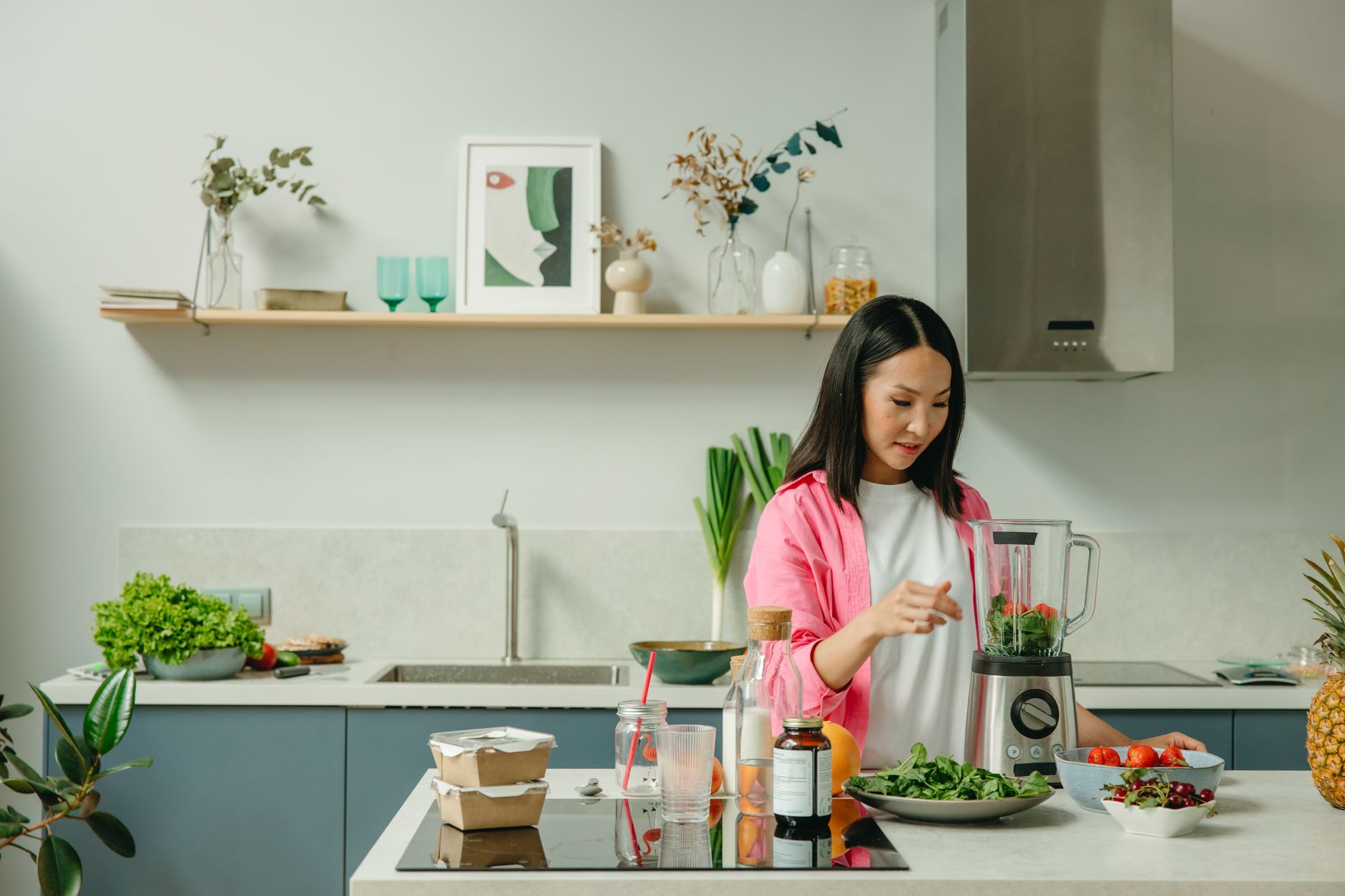
Wash leafy greens thoroughly and chop fruit into small pieces to ensure even blending. Freeze your fruits ahead for a creamy texture without ice. Measure liquid ingredients to control consistency precisely.
Order of Adding Ingredients for Smooth Blending
- Start by pouring the liquid base into the blender.
- Add soft ingredients like yogurt or avocado next.
- Add leafy greens and then heavier or frozen fruits.
- Finish with seeds or nut butters on top to blend last.
Common Blend Fails and How to Avoid Them
- Watery texture? Use less liquid or add frozen fruits to thicken.
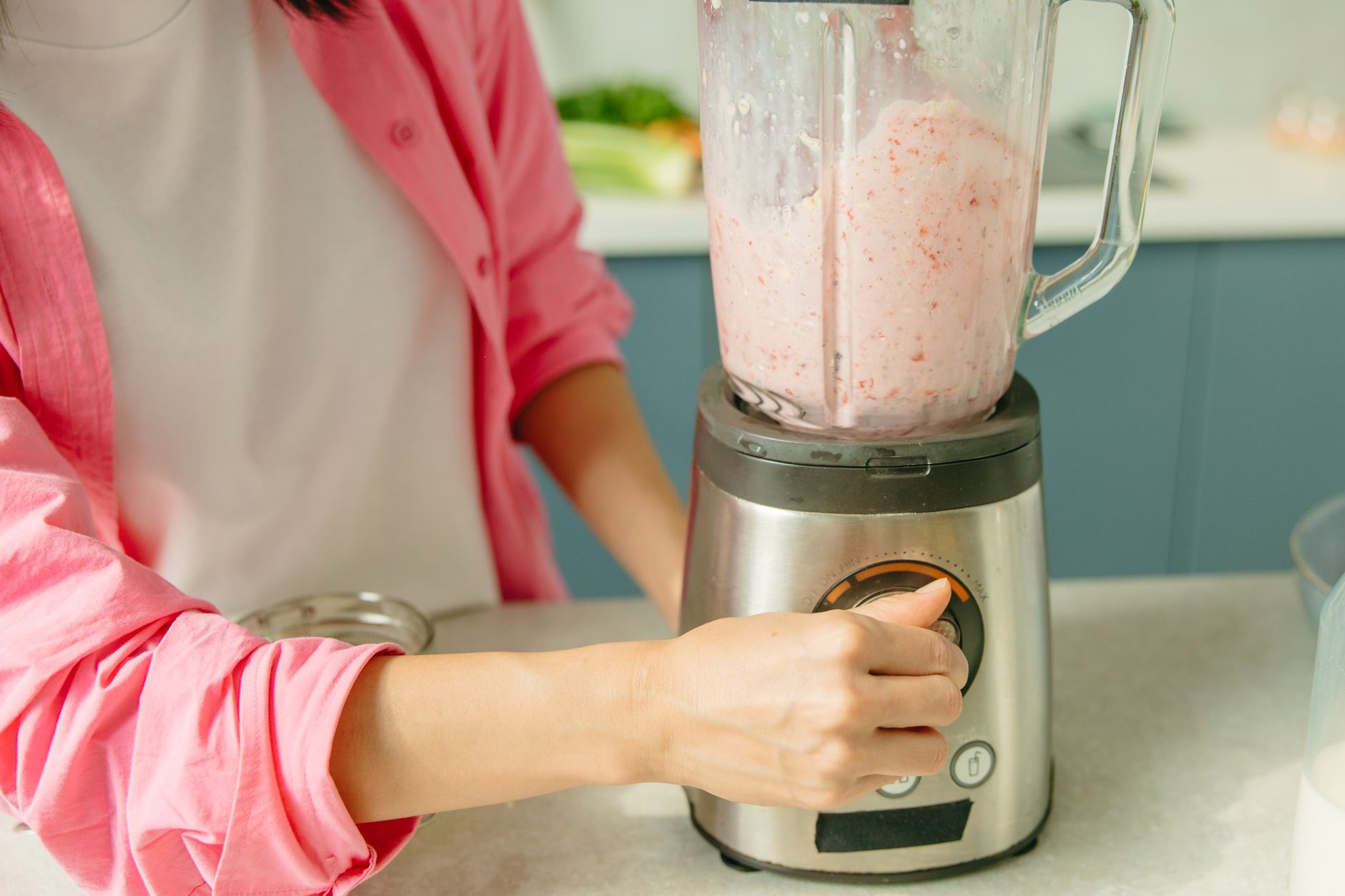
- Clumpy veggies? Chop greens finely and blend on high for 45 seconds.
- Overpowering flavors? Balance strong greens like kale with mild spinach or add a squeeze of lemon to brighten taste.
Variations and Dietary Swaps
Low-Carb Smoothies for Blood Sugar Control
Stick to berries and avoid tropical fruits like mango or banana to keep carbs low. Incorporate coconut milk for creaminess without carbs. Adding cinnamon may improve glucose metabolism according to some studies.
Vegan and Dairy-Free Options
Replace Greek yogurt with silken tofu or plant-based yogurt alternatives. Use pea or brown rice protein powders to boost protein content. Unsweetened almond or oat milk keeps liquids light yet creamy.
Green and Vegetable Smoothies
Incorporate cucumbers, celery, or zucchini for extra fiber and hydration with minimal carbs. Add herbs like parsley or mint for a fresh twist. Blend on high for 50 seconds for smooth textures.
If youre interested in weight loss-friendly options, checking out these diabetic smoothie recipes for weight loss provides additional inspiration and nutritional strategies.
Serving Suggestions and Pairing Ideas
What to Eat Alongside Your Smoothies
Add a small portion of nuts or a hard-boiled egg for extra protein and healthy fats to fill out your meal. Whole-grain toast with avocado spread pairs well if you arent avoiding carbs strictly.
Best Container Options for On-the-Go
Use insulated bottles or spill-proof jars with tight lids. Mason jars with wide mouths make for easy cleaning and layering. Smoothie bowls are great if you have time to enjoy with a spoon.
Boost Flavor and Nutrition with Toppings
- Sprinkle chia seeds or hemp hearts for crunch.
- Add a dash of cinnamon, nutmeg, or turmeric for aroma and health benefits.
- Top with toasted coconut flakes or crushed walnuts for texture and richness.

Storage, Make-Ahead, and Reheating Tips
- Store fresh smoothies in airtight containers in the fridge for up to 48 hours. Shake or stir before drinking.
- Prep smoothie packs by portioning fruits, greens, and seeds into freezer bags. Freeze up to 7 days to maintain freshness.
- Re-blend stored smoothies for 30 seconds if separation occurs. Avoid reheatingdrink cold or at room temperature.
Troubleshooting and Pro Tips
What to Do if Smoothies Spike Blood Sugar
Test carb portions carefully and choose fruits with lower glycemic indexes. Add more protein or fats to blunt sugar absorption. Monitor your glucose response and adjust ingredients accordingly.
Fixing Watery or Overly Thick Smoothies
Add small amounts of ice or frozen fruit to thicken watery blends. For thick smoothies, include a splash of water or almond milk in 1-tablespoon increments until desired consistency is reached.
Adjusting Ingredients for Personal Preferences
Taste test iterations with less or more greens depending on bitterness tolerance. Use natural flavor enhancers like vanilla extract or lime juice. Keep a log of ingredients that suit your glucose management best for consistent results.
When is the best time to drink diabetic breakfast smoothie recipes?
The optimal time is within the first hour after waking, to stabilize blood sugar after overnight fasting. These smoothies provide gradual energy release and can replace or complement a light meal.
Can diabetics safely include fruits in smoothies? Which ones?
Yes, but it‘s best to prioritize low-glycemic fruits such as berries, green apples, and cherries. These have less sugar and provide important antioxidants and fiber that help with glucose regulation.
Are protein powders or supplements recommended in diabetic smoothies?
Including protein powders like pea, whey isolate, or soy can improve satiety and balance blood sugar. Choose unsweetened options free of added sugars and artificial ingredients.
How to make smoothies that support weight loss without sacrificing taste?
Use whole-food ingredients, limit high-sugar fruits, and include protein and healthy fats. Natural flavorings like cinnamon, vanilla, or citrus zest enhance taste without calories.
Is it okay to use sweeteners, and which are best for diabetes?
Natural, non-nutritive sweeteners like stevia or monk fruit are preferred. Avoid sugar and high-fructose corn syrup, which can cause blood sugar spikes. Use sparingly to keep flavors balanced.
Where can I find printable diabetic smoothie recipes?
Many health-focused sites offer downloadable PDFs or recipe cards. Bookmark this page or print directly to keep a handy guide for your kitchen.
Can green vegetables be added without affecting taste?
Yes, blending mild greens like baby spinach or cucumber usually wont overpower flavor. Balance stronger vegetables like kale with citrus or sweet berries to maintain pleasant taste.
More Recipes to Try
If you enjoy these, you might like the Grilled pear sundae recipe 1957196 for a naturally sweet treat that also suits those watching sugar.
For hearty meals later in the day, explore these Knorr four cheese pasta recipes that bring creamy satisfaction without excess carbs.
Conclusion
With these diabetic breakfast smoothie recipes, your mornings can be flavorful, nutritious, and balanced. Experiment with ingredients that suit your taste and glucose response. Dont forget to save or share your favorite blends, and feel free to leave a comment with your own variations or questions. Heres to healthier, happier breakfast routines!
FAQs
When is the best time to drink diabetic breakfast smoothie recipes?
The best time to drink diabetic breakfast smoothies is within the first hour after waking. This helps stabilize blood sugar after overnight fasting and provides gradual energy release, making them an effective breakfast replacement or complement.
Can diabetics safely include fruits in smoothies? Which ones?
Yes, diabetics can include fruits, but should focus on low-glycemic options like berries, green apples, and cherries. These fruits have less sugar and contain fiber and antioxidants that support glucose regulation.
Are protein powders or supplements recommended in diabetic smoothies?
Protein powders like pea, whey isolate, or soy are recommended as they increase satiety and help balance blood sugar. It’s important to choose unsweetened powders without added sugars or artificial ingredients.
How can I make smoothies that support weight loss without sacrificing taste?
Use whole-food ingredients, limit high-sugar fruits, and include protein and healthy fats. Adding natural flavor enhancers like cinnamon, vanilla, or citrus zest improves taste without extra calories, supporting weight loss goals.
Is it okay to use sweeteners, and which are best for diabetes?
Natural, non-nutritive sweeteners such as stevia or monk fruit are preferred. These do not cause blood sugar spikes. Avoid sugar and high-fructose corn syrup, and use any sweeteners sparingly to maintain balanced flavors.