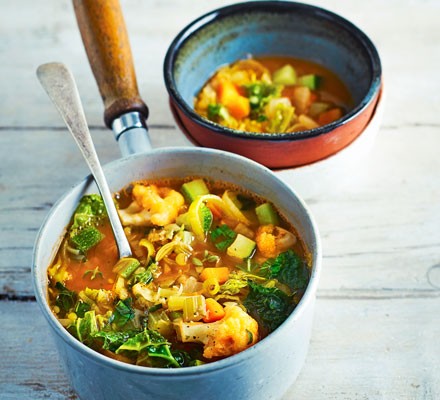
Got a stubborn cough or a stuffy nose? A steaming bowl of Indian veg soup for cold and cough can soothe the irritation faster than a pile of pills and it tastes so good you’ll actually look forward to eating it.
In the next few minutes you’ll discover why this simple veggie broth works, which spices give it that healing punch, and a step‑by‑step recipe you can whip up with pantry staples. Let’s get you feeling better, one spoonful at a time.
Why Warm Soup Helps
When you’re battling a cold, the first thing you need is comfort that does more than just fill your belly. Warm liquids do three things that are especially helpful:
- Steam loosens mucus: The heat creates a gentle steam shower inside your throat, making it easier to expel phlegm.
- Improves blood flow: Warm broth dilates the tiny blood vessels in your nasal passages, reducing congestion.
- Delivers nutrients quickly: A light broth is digested fast, so vitamins and minerals reach your immune system when they’re needed most.
That’s why the best soup for cold and cough isn’t just about flavor—it’s about function.
What the science says
Research published in the Journal of Ethnopharmacology shows that ginger’s active compounds (gingerol and shogaol) have significant anticough and antiviral properties. A dash of ginger in your soup isn’t just for spice—it’s a proven symptom‑reliever.
Myths vs. facts
| Myth | Reality | Source |
|---|---|---|
| Cold soup worsens cough | Warm broth relaxes airway muscles and helps clear mucus | American Lung Association, 2024 |
| All soups are the same | Spice blend determines anti‑inflammatory power | Journal of Ethnopharmacology, 2023 |
Core Healing Ingredients
Here’s the lineup that turns a basic veggie broth into a natural remedy. Each ingredient has a purpose, and together they create a balanced “medicine‑in‑a‑bowl.”
| Ingredient | Why it helps | Typical amount (4 servings) |
|---|---|---|
| Fresh ginger | Antiviral, expectorant | 1‑2 inches, grated |
| Garlic | Antibacterial, immune‑boosting | 4‑5 cloves, minced |
| Black pepper | Improves mucus circulation | ½ tsp |
| Turmeric (optional) | Anti‑inflammatory | ¼ tsp |
| Carrots, peas, sweet corn, green beans, cabbage | Vitamins A & C, gentle fiber | 1 cup each (mixed) |
| Spring onions & cilantro | Fresh flavor, vitamin K | 2 tbsp each |
Choosing the best veggies
Seasonal produce is richer in antioxidants, so aim for fresh, crisp carrots and green beans in the winter months. If your throat feels raw, skip the extra tomato for now—acidity can bite. For a different way to enjoy your vegetables, try wrapping them in foil and baking them in the oven; see the simple vegetables in foil in oven method for a tasty side that complements the soup.
Quick Step‑by‑Step Recipe
This is the easy homemade vegetable soup that will become your go‑to when the sniffles arrive. The steps are deliberately simple; even a kitchen novice can pull it off.
Ingredient list
- 1 tbsp olive or mustard oil
- 1 large onion, finely chopped
- 1 inch ginger, grated
- 4 garlic cloves, minced
- 1 carrot, diced
- ½ cup peas (fresh or frozen)
- ½ cup sweet corn kernels
- ½ cup green beans, sliced
- ½ cup cabbage, shredded
- 2 tomatoes, diced (optional for tomato soup for cold and cough)
- 4 cups low‑sodium vegetable broth
- Salt & pepper to taste
- ½ tsp black pepper, ¼ tsp turmeric, pinch of garam masala (optional)
- Fresh cilantro & spring onion for garnish
Cooking steps
- Sauté aromatics: Heat oil in a pot, add onion, ginger, and garlic. Fry for 2 minutes until fragrant. The kitchen will already smell like home‑cure.
- Add veg: Toss in carrots, beans, peas, corn, and cabbage. Stir for 3 minutes so they get a light coat of the aromatics.
- Pour broth: Add the low‑sodium vegetable broth, bring to a gentle boil, and skim any foam that rises.
- Simmer: Reduce heat and let it bubble softly for 10‑12 minutes, or until the veggies are tender.
- Season: Sprinkle salt, black pepper, turmeric, and garam masala. Taste and adjust—you want a warm, comforting flavor, not a fire‑starter.
- Blend (optional): For a smoother texture, blend half of the soup and stir it back in. This is a common trick in many veg soup recipes Indian to keep the broth soothing for sore throats.
- Serve: Ladle into bowls, garnish with cilantro and spring onion, and enjoy while steaming hot.
Variations to try
| Variation | Key Add‑In | Ideal for |
|---|---|---|
| Tomato‑Ginger Soup | Extra tomatoes + extra ginger | Sore throat relief |
| Spinach‑Lentil Boost | ½ cup moong dal + handful spinach | Fever & low energy |
| Mushroom‑Thyme | 1 cup sliced mushroom + thyme | Persistent cough |
| Turmeric‑Golden | 1 tsp turmeric + pinch black pepper | Immune‑boosting |
Nutrition Snapshot
One serving (about a cup) of this soup clocks in at roughly 120 kcal—perfect if you’re worried about gaining weight while you’re stuck in bed.
Macronutrients (per serving)
- Calories: ~120 kcal
- Protein: 4 g
- Carbohydrates: 20 g (complex)
- Fat: 4 g (healthy oil)
Micronutrient highlights
| Vitamin / Mineral | Percent of Daily Value | Key Source |
|---|---|---|
| Vitamin C | 45 % | Tomatoes, capsicum |
| Vitamin A (carotene) | 60 % | Carrots |
| Zinc | 12 % | Peas |
These numbers are derived from the USDA FoodData Central database, ensuring you get a reliable picture of what you’re putting into your body.
Benefits and Risks
Every remedy has a flip side, and the same goes for our soup.
Benefits
- Quick relief from cough & congestion.
- Hydration source—the liquid helps keep mucous membranes moist.
- Rich in vitamins that support the immune response.
- Low‑calorie, comforting, and easy on the stomach.
Potential Risks
- Overspicing: Too much black pepper can irritate an already raw throat.
- High sodium: Store‑bought broth can be salty. Stick to low‑sodium options or make your own. The Mayo Clinic recommends keeping sodium under 1,500 mg per day during illness.
- Allergies: Garlic, ginger, or specific veggies may trigger reactions in sensitive individuals.
Balancing is key: keep the spice level gentle if you’re unsure, and always listen to your body.
Common Questions Answered
Can veg soup cure a cough?
No, the soup won’t erase the virus, but the warm broth, steam, and anti‑inflammatory spices can dramatically relieve cough symptoms and speed up recovery.
How often should I drink the soup?
Two to three bowls a day while you’re symptomatic is a good rule of thumb. The regular intake keeps you hydrated and continuously feeds your immune system.
Is this soup suitable for children?
Absolutely, just dial down the ginger and black pepper. Make sure the vegetables are soft enough for little mouths to handle.
Can I freeze leftovers?
Yes! Cool the soup completely, store in airtight containers, and reheat gently on the stove. Freezing preserves the nutrients and the soothing flavor.
What’s the difference between veg soup for cold and fever and veg soup for cold and cough?
A fever version often adds cooling herbs like mint or coriander, while a cough version leans on warming spices such as ginger, pepper, and turmeric.
Quick‑Start Checklist
| Step | Action | Done? |
|---|---|---|
| 1 | Gather fresh veggies & spices | |
| 2 | Prepare low‑sodium broth | |
| 3 | Follow cooking steps 1‑7 | |
| 4 | Adjust seasoning & garnish | |
| 5 | Serve hot, sip slowly | |
| 6 | Store leftovers safely |
Conclusion
When a cold or cough knocks at your door, a bowl of Indian veg soup for cold and cough offers more than comfort—it delivers warm steam, immuneboosting nutrients, and soothing spices that work together to ease your symptoms. By choosing fresh vegetables, low‑sodium broth, and the right blend of ginger, garlic, and pepper, you create a natural remedy that’s safe for the whole family.
Give the recipe a try, experiment with the variations, and keep a pot simmering for those inevitable sniffle days. Have you discovered a secret ingredient that makes your soup even more healing? Share your tip with us, and let’s keep each other healthy, one spoonful at a time.
FAQs
Can this soup cure a cold?
No, it won’t cure the virus, but the warm broth, steam, and anti‑inflammatory spices can significantly relieve cough and congestion.
How many times a day can I have the soup?
Two to three bowls a day while you’re symptomatic helps keep you hydrated and continuously supplies immune‑supporting nutrients.
Is the recipe safe for children?
Yes, just reduce the ginger and black pepper amount and ensure the vegetables are cooked soft enough for easy chewing.
What’s the best way to store leftovers?
Cool the soup completely, place it in airtight containers, and refrigerate for up to three days or freeze for up to a month. Reheat gently on the stove.
Can I make this soup vegan?
Absolutely – use a plant‑based low‑sodium broth and skip any optional dairy garnish. The recipe is already 100 % vegetable‑based.