Hey there! If youve ever wished for a sauce that can turn a boring bowl of noodles into a flavor fireworks show, youre in the right place. In just five minutes you can whip up a peanut gochujang sauce recipe thats silky, nutty, and has that perfect Korean kick. No fancy equipment, no mystery ingredientsjust pantry staples and a dash of excitement.
Whats the Sauce?
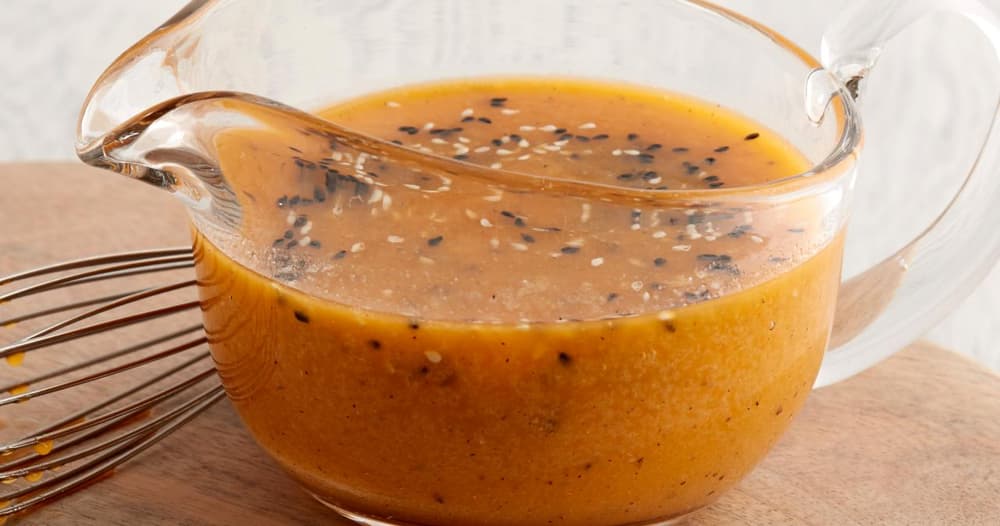
Think of this sauce as a lovechild of creamy peanut butter and fiery gochujang (Korean redpepper paste). The result is a sweetheat blend that clings to noodles, tofu, chicken, or veggies like a dream. Its also incredibly versatilewhether youre staring at a bowl of ramen, craving udon noodles, or need a quick dip for spring rolls, this sauce has your back.
Essential Ingredients List
Before we dive into the magic, lets gather the basics. All of these items are easily found at a typical grocery store.
| Ingredient | Amount | Notes |
|---|---|---|
| Natural smooth peanut butter | cup | Unsweetened; you can swap almond or sunflower butter if peanuts are a concern. |
| Gochujang (Korean chili paste) | 2Tbsp | Adjust up for more heat. |
| Fresh lime juice | Juice of 1 lime | Or 1Tbsp rice vinegar for a milder tang. |
| Sesame oil | 2tsp | Gives a whisper of nutty aroma. |
| Tamari or lowsodium soy sauce | 2Tbsp | Use liquid aminos for a vegan version. |
| Honey or maple syrup (optional) | 12Tbsp | Balances the heat; skip for vegan. |
| Minced garlic & grated ginger (optional) | tsp each | Boosts aromatics. |
| Water (or broth) | 23Tbsp | Thin to your preferred consistency. |
And there you have itthe foundation of your gochujang peanut butter sauce. Feel free to experiment with the optional aromatics; they add a subtle depth that makes the sauce feel restaurantgrade.
Fast FiveMinute Method
Ready? Grab a medium bowl and a whiskno blender needed.
- Whisk together the peanut butter, gochujang, lime juice, sesame oil, tamari, and honey (if using) until it looks glossy and smooth.
- Thin it out by adding water a tablespoon at a time. You want the sauce to coat the back of a spoon without dripping off.
- Taste test. Need more heat? Toss in a pinch of extra gochujang or a dash of Korean chili flakes. Too tangy? A splash more peanut butter or a little honey will bring things back to balance.
If you love a richer texture, blend in a splash of warm coconut milk or a drizzle of extravirgin olive oil. For an umami boost, a halfteaspoon of fish sauce (or mushroom soy for vegans) works wondersjust a whisper, because we dont want to mask the star flavors.
Customizing the Flavor
Heres where the fun really begins. Below are a few quick tweaks you can try, depending on the dish youre planning.
- Spicier? Add tsp Korean chili flakes or a squirt of sriracha.
- More sweet? Drizzle an extra tablespoon of maple syrup.
- Thicker dip? Fold in a spoonful of silken tofu; it creates a dreamy, velvety spread perfect for spring rolls.
- Herby twist? Finish with chopped cilantro or Thai basil right before serving.
These little adjustments keep the core peanut gochujang ramen vibe alive while letting you tailor each meal to your mood.
Storage & Shelf Life
Once youve made a batch, the sauce can stick around for a while. Transfer it to an airtight jar and pop it in the fridge. It stays fresh for up to seven days. If you spot a firm layer on top, just give it a quick stir or add a splash of warm water.
Want to keep it longer? Freeze the sauce in silicone icecube trays. When youre ready, toss a few cubes into a saucepan, warm gently, and whisk until smooth. That way youll have a readytogo flavor bomb whenever cravings hit.
Versatile Meal Ideas
Now that the sauce is ready, lets talk about what to do with it. Below are three of my favorite ways to feature the gochujang peanut sauce tofu and its noodle cousins.
Peanut Gochujang Ramen
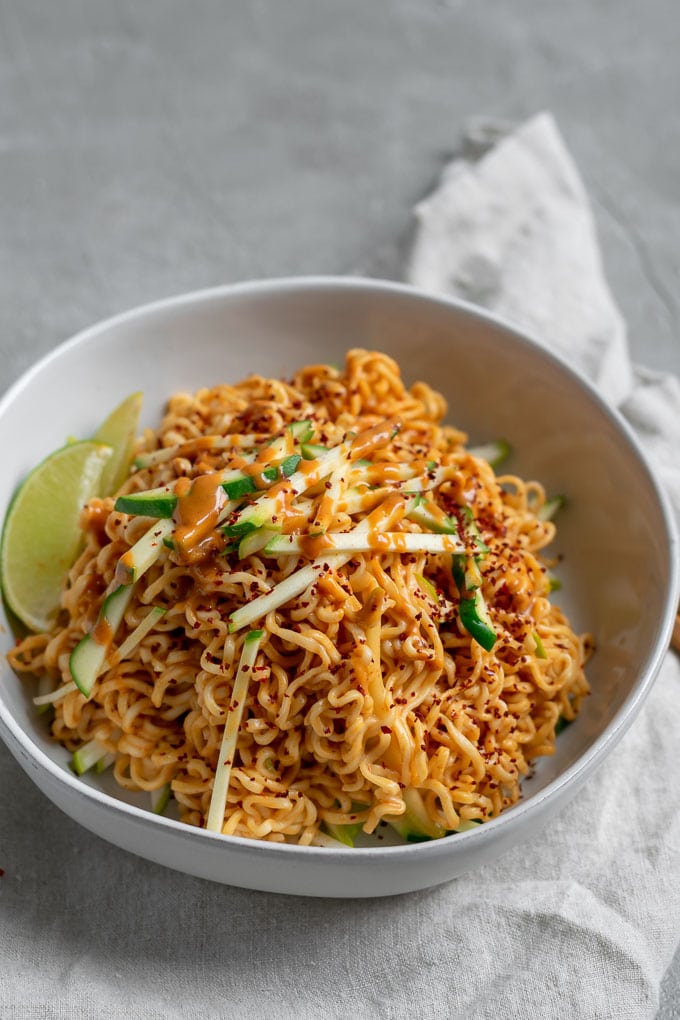
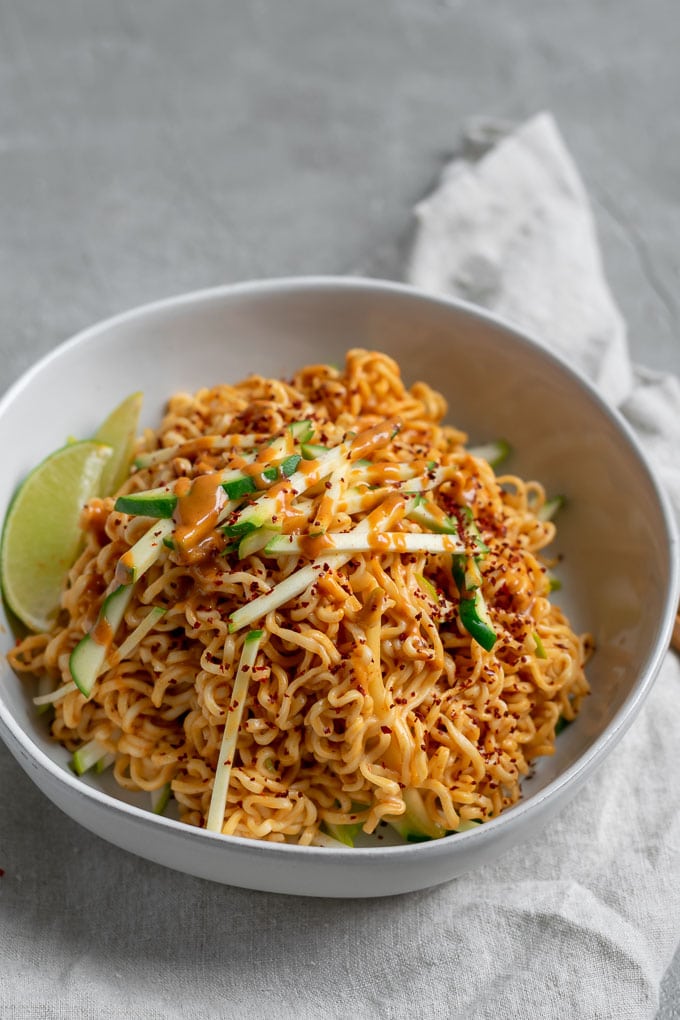
Cook your favorite instant ramen according to package instructions, but reserve a halfcup of the broth. Toss the noodles with the sauce, then splash in the saved broth for extra soupy goodness. Top with a softboiled egg, sliced bok choy, and a sprinkle of toasted sesame seeds.
Spicy Peanut Udon Noodles
Swirl thick udon noodles in a hot skillet with a splash of oil. Add a generous ladle of sauce, a handful of sliced mushrooms, and a dash of green onions. The noodles become glossy, the sauce clings, and every bite sings.
Gochujang Peanut Tofu Bowl
Press a block of firm tofu, cut into cubes, and marinate in the sauce for 15 minutes. Pansear until golden brown, then serve over brown rice or quinoa. Add steamed broccoli, shredded carrots, and a drizzle of extra sauce for a proteinpacked, balanced bowl.
| Dish | Main Starch | Key AddOns | Prep Time |
|---|---|---|---|
| Peanut Gochujang Ramen | Ramen noodles | Softboiled egg, bok choy, sesame seeds | 10min |
| Spicy Peanut Udon | Udon noodles | Mushrooms, green onions | 12min |
| Gochujang Peanut Tofu Bowl | Rice or quinoa | Broccoli, carrots, extra sauce | 20min |
Feel free to mix and matchthis sauce loves to hug everything from grilled chicken (gochujang peanut butter chicken) to roasted sweet potatoes. The skys the limit!
Nutritional Snapshot
Curious about the numbers? Below is a quick rundown based on a 2tablespoon serving of the base sauce (without added broth or extra toppings). Data sourced from the USDA FoodData Central (USDA).
| Component | Amount per 2Tbsp | % Daily Value |
|---|---|---|
| Calories | 120 kcal | |
| Protein | 4g | 8% |
| Total Fat | 9g | 14% |
| Carbohydrates | 6g | 2% |
| Sodium | 300mg | 13% |
| VitaminE & Magnesium | Notable |
Percent Daily Values are based on a 2,000calorie diet. Adjust according to your personal needs.
Benefits & Risks
Lets keep it real. Every tasty thing comes with pros and cons, and this sauce is no different.
- Benefits: The peanut butter brings plantbased protein and hearthealthy monounsaturated fats. Gochujang, being a fermented product, adds beneficial bacteria and a dose of antioxidants from red peppers. Together they create a balanced macronutrient profile thats great for postworkout recovery or a quick lunch.
- Risks: Peanut allergies are the obvious caution. If youre sensitive, swap the peanut butter for sunflower seed butter. Also, the sauce can be sodiumheavy depending on the soy sauce you choose, so lowsodium tamari or a reducedsalt soy sauce is a smarter pick.
When you know both sides, you can decide how it fits into your dietmaybe an occasional treat or a regular staple. And if you have any medical conditions, it never hurts to doublecheck with a nutritionist or your doctor.
Quick Comparison Table
Below is a sidebyside glance of the classic gochujang sauce versus our peanut gochujang sauce. The goal is to help you decide which vibe fits your next meal.
| Feature | Traditional Gochujang | Peanut Gochujang Sauce |
|---|---|---|
| Primary Flavor | Spicy, fermented | Spicy + nutty, creamy |
| Protein Content | Low | Moderate (from peanuts) |
| Texture | Paste, thick | Sauce, pourable |
| Best Uses | Kimbap, bibimbap, meat marinades | Noodles, tofu, chicken, veg bowls |
Wrapping It Up
There you have ita simple, fast, and delicious peanut gochujang sauce recipe that can brighten up everything from ramen to roasted veggies. You now know the core ingredients, the fiveminute method, how to store leftovers, and a handful of creative ways to plate it. Most importantly, youve seen the nutritional landscape and the balance of benefits versus potential risks.
Give it a try tonight. Toss it with whatever you have in the fridge, and watch how a few spoonfuls turn a humble dinner into a celebration of flavor. If you end up inventing a new twistmaybe a gochujang peanut butter chicken stirfry or a cold noodle saladshare your story with friends, family, or even on social media using #PeanutGochujangMagic. Happy cooking, and enjoy the delicious heat!
FAQs
What is the ideal consistency for the peanut gochujang sauce?
It should coat the back of a spoon without dripping—smooth and pourable. Adjust with water or broth a tablespoon at a time until you reach the desired thickness.
Can I make this sauce vegan?
Yes! Use maple syrup instead of honey and choose tamari or liquid aminos for the soy component. Optional fish sauce can be replaced with mushroom soy sauce.
How long can the sauce be stored in the refrigerator?
Transfer the sauce to an airtight jar and keep it refrigerated for up to seven days. Stir before use, adding a splash of warm water if it thickens.
Is it possible to freeze the peanut gochujang sauce?
Absolutely. Portion the sauce into silicone ice‑cube trays, freeze, then melt the cubes in a saucepan and whisk until smooth for future meals.
What dishes pair best with this sauce?
It shines on ramen, udon, or rice noodles, and works great as a glaze for tofu, chicken, or grilled vegetables. Try it in bowls, stir‑fries, or as a dipping sauce for spring rolls.