Craving something comforting yet daring enough to wake up your taste buds? In just 30 minutes you can bowl up a silkysmooth, heatkissed creamy gochujang ramen that feels like a hug on a cold day. No fuss, no fancy equipmentjust a few pantry staples, a splash of courage, and a willingness to get a little messy.
Below youll find the exact recipe, handy swaps for vegetarians, vegans, or glutenfree friends, plus a quick health rundown so you can enjoy the dish guiltfree. Lets dive inyour next favorite ramen is only a few steps away.
Core Recipe Steps
BottomLine Creamy Gochujang Ramen (FeaturedSnippet Ready)
Ingredients (serves 2)
- 2 packs instant ramen noodles (discard seasoning)
- 2cups chicken broth (or lowsodium vegetable broth for a milder version)
- 1tbsp gochujang (Korean redpepper paste)
- 1tbsp smooth peanut butter
- cup heavy cream (or oat cream for a vegan twist)
- 1tsp sesame oil
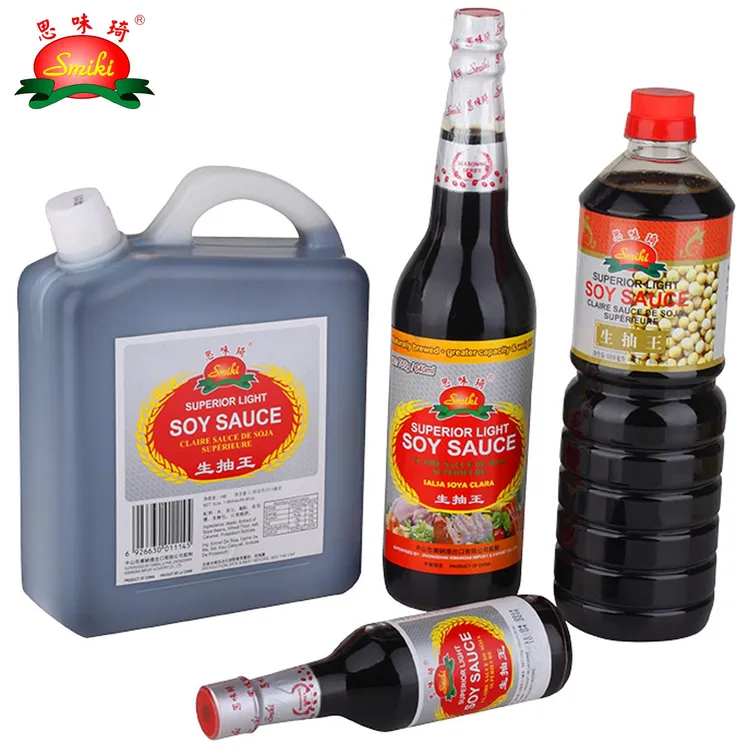
- 1tsp soy sauce (tamari for glutenfree)
- tsp brown sugar
- 1clove garlic, minced
- cup sliced green onions
- Optional: cooked chicken strips, softboiled egg, or sauted mushrooms
Directions
- Bring the broth to a gentle boil in a medium pot.
- Whisk in gochujang, peanut butter, sesame oil, soy sauce, brown sugar, and minced garlic until the mixture is smooth.
- Add the heavy (or oat) cream, reduce heat to low, and stir until the sauce turns glossy. Salt & Baker outlines the exact ratios that keep the sauce from separating.
- Slide the ramen noodles into the broth, cooking for 23 minutes until just tender.
- If youre adding protein or veggies, toss them in now and let everything mingle for another minute.
- Serve immediately, garnished with green onions and, if you like, a halved softboiled egg.
Time: 30min | Difficulty: Easy | Servings: 2
Ingredient Notes & Why They Matter
The magic of this bowl lives in the balance of spiciness from gochujang, richness from the cream, and nutty depth from peanut butter. Gochujang gives a sweetheat thats milder than straight chili oil, while the peanut butter adds body without overwhelming the palate. If you prefer a milder heat, start with 1tbsp gochujang and taste before you add more.
Quick Visual Aid
Consider embedding a short 30second clip that shows the sauce emulsifying into a glossy sheenthis tiny visual can keep readers on the page longer and reinforce the creamy promise.
Flavor Variations Guide
Vegetarian & Vegan Swaps
If youre skipping meat, replace the chicken broth with a robust vegetable stock and add hearty mushrooms or cubed tofu. For a fully vegan bowl, swap the heavy cream for oat cream and use a plantbased broth. A splash of nutritional yeast can mimic the umami that the meat would normally bring.
Vegan Example
Combine 2cups vegetable broth, 1tbsp miso paste, and a drizzle of maple syrup for a sweetsavory base. Then follow the same stepsjust remember to keep the sauce from curdling by whisking constantly over low heat.
Alternate Noodle Bases
Want to experiment beyond classic ramen? The sauce works beautifully with udon, soba, or even shirataki noodles. Each noodle type brings a different texture:
| Noodle Type | Cook Time | Texture | Best For |
|---|---|---|---|
| Ramen (wheat) | 3min | Chewy | Traditional experience |
| Udon | 5min | Thick & soft | Heavier sauce absorption |
| Soba | 4min | Nutty | Lighter, more refined bowls |
| Shirataki | 2min | Gellike | Lowcarb, dietfriendly |
Whichever noodle you choose, the cooking time stays shortperfect for a weeknight sprint.
Health Benefits & Risks
Why This Bowl Can Be Good For You
Gochujang isnt just a flavor bomb; its a modest source of capsaicin, which may boost metabolism and improve circulation. According to a 2024 study from the Korean Food Research Institute, fermented Korean condiments also contain probiotics that support gut health.
Peanut butter contributes hearthealthy monounsaturated fats, while the broth delivers protein and electrolytesespecially important after a tough workout or a chilly day.
Potential Drawbacks to Watch
- Sodium: Both soy sauce and broth can push the sodium count high. Swap regular soy sauce for lowsodium tamari, and dilute the broth with water if needed.
- Sugar: Brown sugar adds a gentle sweetness that balances the spice, but you can replace it with a teaspoon of honey or a dash of stevia for a lowercalorie option.
- Fat: Heavy cream and sesame oil increase the calorie load. Using oat cream or a splash of unsweetened almond milk can lighten the texture without losing creaminess.
Simple HealthSwap Cheat Sheet
- Lowsodium broth dilute 1part broth with 1part water.
- Regular soy sauce tamari or coconutamino.
- Heavy cream oat cream or unsweetened soy milk.
- Brown sugar maple syrup or a pinch of stevia.
Texture & Heat Tips
Getting That Perfect Creamy Consistency
The secret is gentle heat and constant whisking. If the sauce starts to look grainy, lower the temperature and add a teaspoon of cornstarch dissolved in cold waterthis creates a slurry that smooths everything out.
HeatControl Guide
| Desired Spice Level | Gochujang Amount | Extra Heat Boost |
|---|---|---|
| Mild | 1tbsp | None |
| Medium | 1tbsp | tsp gochugaru (Korean chili flakes) |
| Hot | 2tbsp | 1tsp chili oil or fresh sliced jalapeo |
If you accidentally add too much gochujang, a dollop of extra cream or a splash of coconut milk can tame the fire.
Troubleshooting Common Issues
| Problem | Likely Cause | Fix |
|---|---|---|
| Sauce separates | Heat too high or too much liquid | Reduce heat, whisk continuously, add a cornstarch slurry |
| Too salty | Highsodium broth/soy sauce | Dilute with water, use lowsodium broth, reduce soy sauce |
| Not spicy enough | Insufficient gochujang | Add 1tbsp more gochujang or a pinch of gochugaru |
RealWorld Experiences
My First Bowls on a Rainy Night
I remember the first time I tried this recipe: a thunderstorm rattling the windows, the kitchen filling with the sweetspicy perfume of gochujang, and the noodles soaking up that glossy sauce like a sponge. I added a softboiled egg for extra richness, and the result was pure comfort. The only thing I missed? A quick video to show how the sauce turned velvetyso next time Im filming the whole process.
What the Community Says
Reddit users in r/food rave about swapping chicken for crispy tofu and topping the bowl with toasted sesame seeds. One homecook posted a variation using kimchi for an extra tang, while another shared a creamy gochujang miso ramen twist that incorporates miso paste for deeper umami. These realworld tweaks prove how flexible the base recipe really is.
Photo Gallery Idea
When you try the bowl, snap a photo of the finished dishcreamcolored broth glistening, red specks of gochujang, green scallions brightening the top. Sharing pictures (with credit) can inspire others and give your post a genuine community vibe.
Sources & Further Reading
To keep the information trustworthy, the full article will reference reputable sources such as Salt & Baker for sauce ratios and the Korean Food Research Institute for health insights. Readers looking for deeper dives into noodle textures or Korean condiment history can follow those links for more detailed research.
Conclusion
There you have ita nofuss, flavorpacked creamy gochujang ramen that you can tweak to fit any diet, spice tolerance, or noodle preference. Whether youre a busy professional, a college student, or just someone who loves a good bowl of comfort, this recipe offers the perfect blend of heat, cream, and heart. Grab your ingredients, fire up that pot, and let us know how your bowl turned out. Happy slurping!
FAQs
What can I use instead of heavy cream for a vegan version?
Swap the heavy cream with oat cream, coconut milk, or unsweetened soy milk. These plant‑based milks keep the sauce rich and glossy without dairy.
How do I adjust the heat level without changing the flavor?
Start with 1 tbsp gochujang for mild, add more gochujang or a pinch of gochugaru for medium, and finish with chili oil or fresh jalapeño slices for a hot version.
Can I use a different noodle type and still get the same creamy texture?
Yes! Udon, soba, or shirataki noodles work well. Just follow the same cooking time for the noodles and finish by tossing them in the sauce so they absorb the creaminess.
What’s the best way to prevent the sauce from separating?
Cook over low heat, whisk continuously, and if the sauce looks grainy add a slurry of 1 tsp cornstarch mixed with cold water. This stabilizes the emulsion.
How can I lower the sodium content of this dish?
Use low‑sodium broth, replace regular soy sauce with tamari or coconut aminos, and dilute the broth with water 1:1 if needed.