Why Old-Fashioned Pickle Barrel Pickles?
Imagine biting into a crisp, tangy pickle with a crunch that echoes back to your grandmother’s kitchen. Old-Fashioned Pickle Barrel Pickles deliver that nostalgic, earthy flavor, crafted through time-honored methods that transform fresh cucumbers into golden-green gems bursting with zest. This classic American recipe captures the essence of homemade pickling—simple, natural, and deeply satisfying. Whether you crave that perfect balance of salty, tangy, and herbaceous notes or want to bring authentic homemade pickles to your table, this recipe is your perfect guide to well-aged, flavorful pickles.
Health Benefits & Nutrition
Pickles aren’t just delicious—they offer several health perks too. Fermented pickles, like those from a traditional pickle barrel, provide probiotics that support gut health by fostering beneficial bacteria (Harvard Health Publishing). Their low calorie and carb content make them a keto-friendly snack. Plus, the dill and garlic add antioxidants and antimicrobial benefits, promoting immune wellness. However, because of their high sodium content, those with hypertension or on salt-restricted diets should enjoy pickles in moderation. Also, if you‘re pregnant or on certain medications, consult your doctor before increasing fermented foods in your diet.
Ingredients & Preparation
Recipe Card
| Prep Time | Total Time | Servings | Calories (per serving) | Diet Tags |
|---|---|---|---|---|
| 15 minutes | 41 days 15 hours | 20 | 15 | Gluten-Free, Vegan, Low-Carb |
Full Ingredient List
- 5 pounds pickling cucumbers (ideally 4 inches long, uniform size)
- 4 tablespoons pickling spices
- 6 bunches fresh dill, washed and chopped
- 4 cloves garlic, peeled
- 1 cup white vinegar
- 2/3 cup pickling salt
- 2 quarts cool water
Equipment Needed
- Large stoneware crock or deep enamel pot
- Vegetable brush for scrubbing
- Plate and weights (such as cleaned cans) for submerging pickles
- Cheesecloth or breathable cover
- Large mixing bowl or pitcher for brine
Tips for Choosing Quality Ingredients
- Pick firm, bright green cucumbers with no soft spots or yellowing.
- Opt for fresh, aromatic dill for maximum flavor.
- Use pickling salt rather than table salt to avoid cloudiness and impurities in your brine.
- Always use filtered or spring water to ensure the purest taste in your brine.
Step-by-Step Instructions
Step 1: Prepare Your Cucumbers (15 minutes)
Gently scrub each cucumber with a vegetable brush under cool running water. Make sure all dirt is removed. Then pat dry thoroughly to prevent unwanted mold during fermentation.
Step 2: Layer Ingredients in Crock (10 minutes)
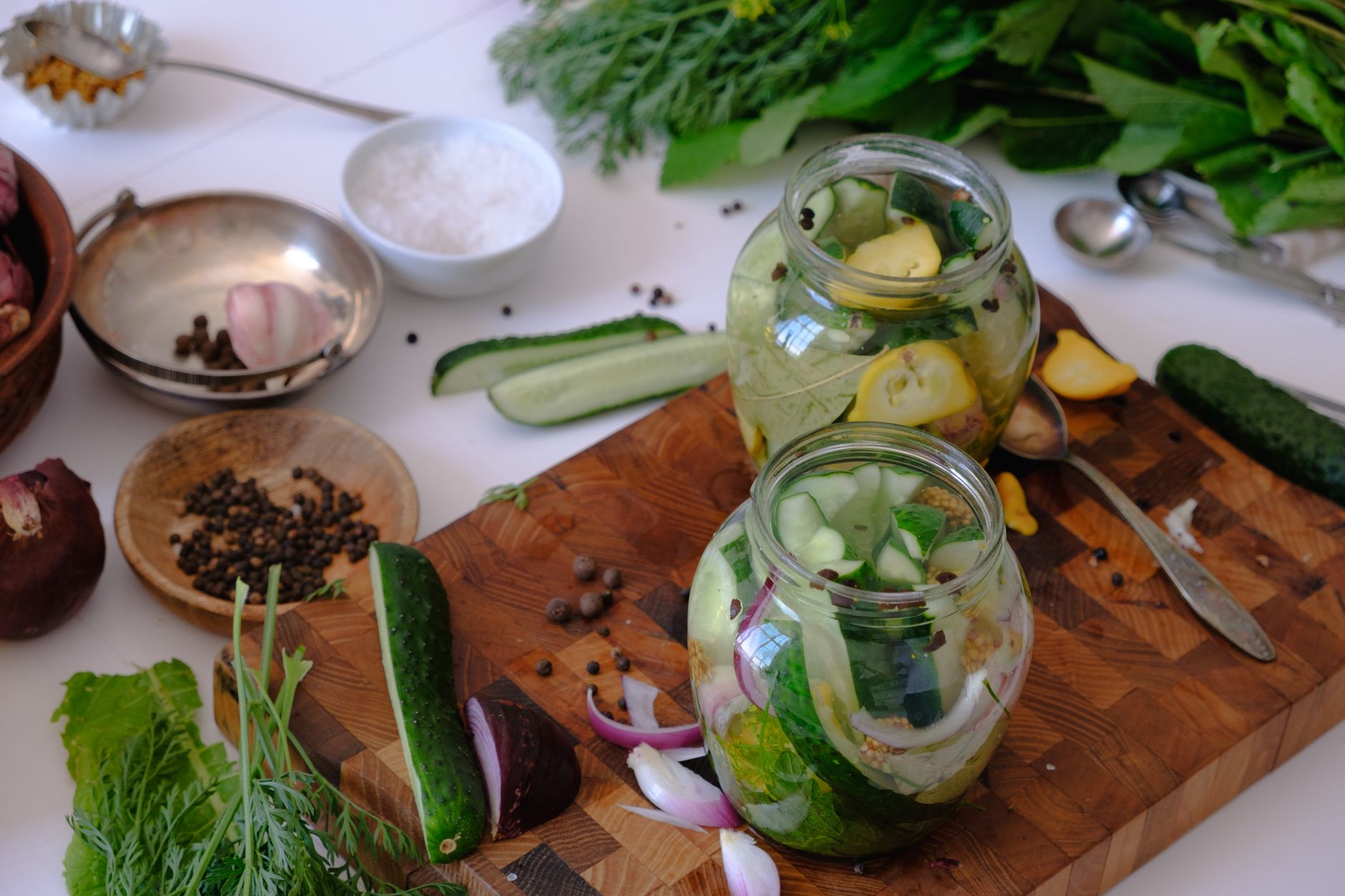
Sprinkle half the pickling spices, chopped dill, and garlic cloves over the bottom of your crock. Arrange cucumbers in a single layer, filling the crock until it’s within 3 inches of the top. Sprinkle remaining dill, spices, and garlic evenly over the top.
Step 3: Mix and Pour Brine (10 minutes)
In a large bowl, dissolve 2/3 cup pickling salt in 2 quarts cold water. Stir in 1 cup white vinegar until well combined. Pour this brine over the cucumbers, making sure they are entirely submerged.
Step 4: Weight and Cover (5 minutes)
Place a sturdy plate on top of the cucumbers. Add clean weights or cans on the plate to keep cucumbers submerged beneath the brine. Cover the crock loosely with cheesecloth to allow airflow while deterring insects and dust.
Step 5: Fermentation and Daily Care (3-4 weeks)
Leave the crock undisturbed at room temperature. Check daily, skimming off any white scum that forms on the surface. Do not stir. If needed, add more brine (water + salt) to keep cucumbers submerged.
Step 6: Aging and Flavor Development (Up to 1 month)
After 3-4 weeks, your pickles will turn olive-drab and have a soft-crisp texture. For deeper flavor, allow them to mature another month in the brine, replacing it as necessary to keep pickles covered.
Variations & Substitutions
- Spicy Pickles: Add 1-2 sliced jalapeños or crushed red pepper flakes to the brine for a fiery kick without losing the classic flavor.
- Herbal Twist: Replace half the dill with fresh tarragon or bay leaves for a subtly different aromatic profile.
- Low Vinegar Version: Reduce vinegar to ½ cup and increase fermentation time by a week for a milder tang with more probiotic power.
- Garlic-Free: Omit garlic entirely for those who prefer their pickles plain or are sensitive to alliums.
Storage & Shelf Life
Once pickled, store your Old-Fashioned Pickle Barrel Pickles in a sealed container in the refrigerator. They will stay fresh and flavorful for up to six months. While pickles can be frozen, it’s generally not recommended because freezing alters their crunch and texture unfavorably.
Watch out for signs of spoilage like an off smell, pink or white fuzzy mold, or slimy texture. These indicate your pickles have gone bad and should be discarded immediately.
Pro Tips
- Maintain full submersion of cucumbers in brine to avoid mold and promote even fermentation.
- Use non-metallic weights to prevent any metallic taste from leaching into your pickles.
- Avoid stirring during fermentation, which can disrupt the delicate microbial balance.
- If the brine becomes cloudy, it’s a natural part of fermentation—just skim off surface scum without worry.
- For crispier pickles, try adding a few grape leaves to the crock—they contain tannins that help maintain crunch.
- Keep your pickling crock in a cool, dark spot ideally between 65–72°F for optimal fermentation speed and flavor.
When is the best time to eat Old Fashioned Pickle Barrel Pickles Recipe?
The best time to enjoy these pickles is after the initial 3-4 week fermentation when they develop a firm, soft-crisp texture and rich tangy flavor. For even deeper complexity, many prefer them after an additional month of aging. The longer they sit, the more pronounced the flavor—but be sure they remain submerged and mold-free.
Can I use regular cucumbers instead of pickling cucumbers?
Regular cucumbers tend to have higher water content and a softer texture, which may result in soggy pickles. Pickling cucumbers are smaller and firmer, ideal for creating that classic crisp snap in your pickle barrel pickles. For best results, stick to pickling cucumbers.
Why is my pickle brine cloudy?
Cloudy brine is normal during natural fermentation as beneficial bacteria multiply. It doesn‘t affect taste or safety. Remove any white scum on the surface and ensure pickles stay submerged. If you see pink or fuzzy mold, that signals spoilage.
How can I ensure my pickles stay crunchy?
To keep your pickles crisp, maintain full submersion, use fresh dill, and consider adding grape leaves rich in tannins. Avoid over-ripening cucumbers and ferment at stable, cool temperatures between 65–72°F.
What kind of salt should I use?
Use pickling or kosher salt free from iodine and anti-caking agents. These additives can cause discoloration or cloudiness and inhibit fermentation. Table salt is not recommended for pickling.
Do I need to refrigerate the pickles during fermentation?
No refrigeration during fermentation is needed. Keep your crock at room temperature (65–72°F) for natural bacteria to thrive. Once fermentation is complete and pickles are transferred to jars, refrigerate them to slow further changes.
Can I speed up the fermentation process?
Fermentation speed is governed mainly by temperature and salt concentration. Warmer temperatures (up to 75°F) can speed it but risk softening pickles and off-flavors. Stick to the recommended timeline for optimal crispness and balanced tang.
More Recipes You Will Love
For fans of bold, comforting flavors, you might enjoy the Cajun jambalaya pasta cheesecake factory review. It’s a rich, spiced dish that’s easy to make on busy nights. If you‘re craving more Southern Americana, try the Creamed corn cornbread recipe 1909965 — golden, creamy, with that perfect crumb.
These recipes share that approachable, soulful cooking spirit found in old-fashioned pickle barrel pickles, bringing variety and warmth to your kitchen table.

Conclusion
Old-Fashioned Pickle Barrel Pickles connect you to a cherished tradition of slow-cooked, naturally fermented pickles full of flavor and crunch. With just a handful of fresh ingredients and some patience, you can create distinctly tangy, golden pickles that bring warmth and nostalgia to your meals. Give this recipe a try and share your pickle-making adventure—your thoughts, tweaks, and stories are always welcome!
FAQs
When is the best time to eat Old Fashioned Pickle Barrel Pickles Recipe?
The best time to enjoy Old Fashioned Pickle Barrel Pickles is after they have fermented for at least 3-4 weeks to develop full flavor and crunch. They can be eaten as a snack, added to sandwiches, or served alongside meals at any time.
How should I store Old Fashioned Pickle Barrel Pickles after fermentation?
After fermentation, store the pickles in airtight jars in the refrigerator to preserve their crispness and flavor. Proper refrigeration slows fermentation and keeps the pickles fresh for several months.
Can I use a different type of cucumber for this recipe?
It’s best to use small, firm pickling cucumbers about 4 inches long for optimal texture. Larger or soft cucumbers may result in less crunchy pickles and could affect the fermentation process.
Are Old Fashioned Pickle Barrel Pickles suitable for a low-carb or keto diet?
Yes, these pickles are low in calories and carbohydrates, making them an excellent keto-friendly snack. Just be mindful of the sodium content if you are monitoring salt intake.
What if I don’t have a stoneware crock for fermenting the pickles?
If you don't have a stoneware crock, you can use a large glass jar or ceramic container suitable for fermentation. Ensure it can be covered with breathable fabric to allow airflow while protecting the pickles from dust and insects.