Why Lo Mein Noodles Make an Easy Dinner
The pan should hiss as the noodles hit the hot oil, followed by the sharp aroma of garlic and ginger. That quick sizzle is the best sign that dinner is moving fast.
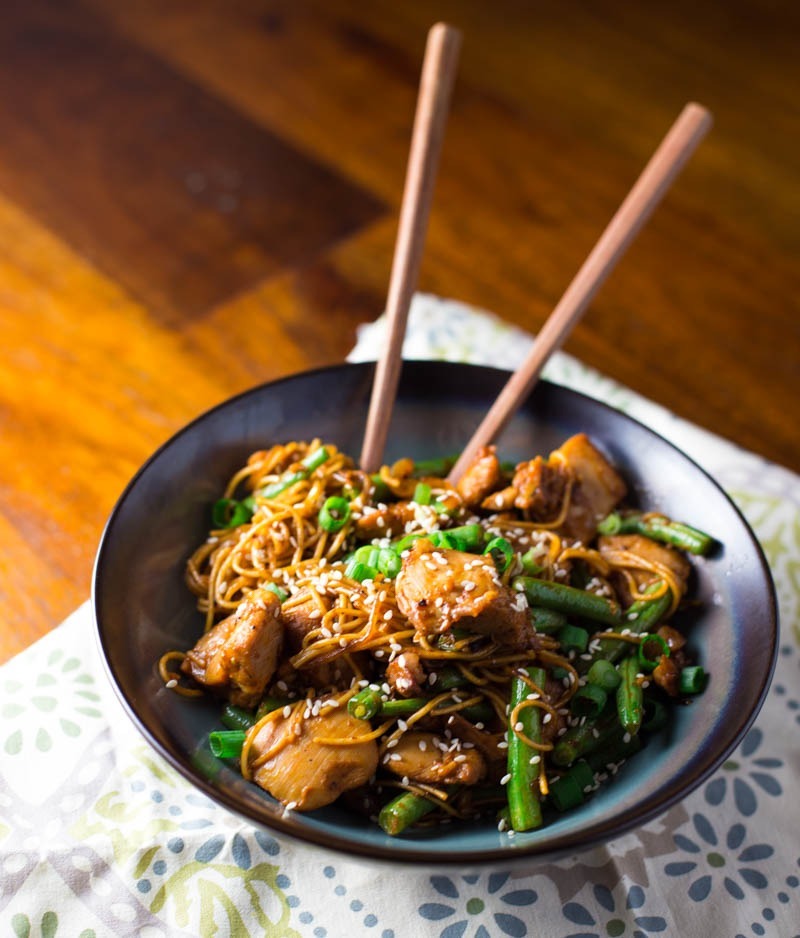
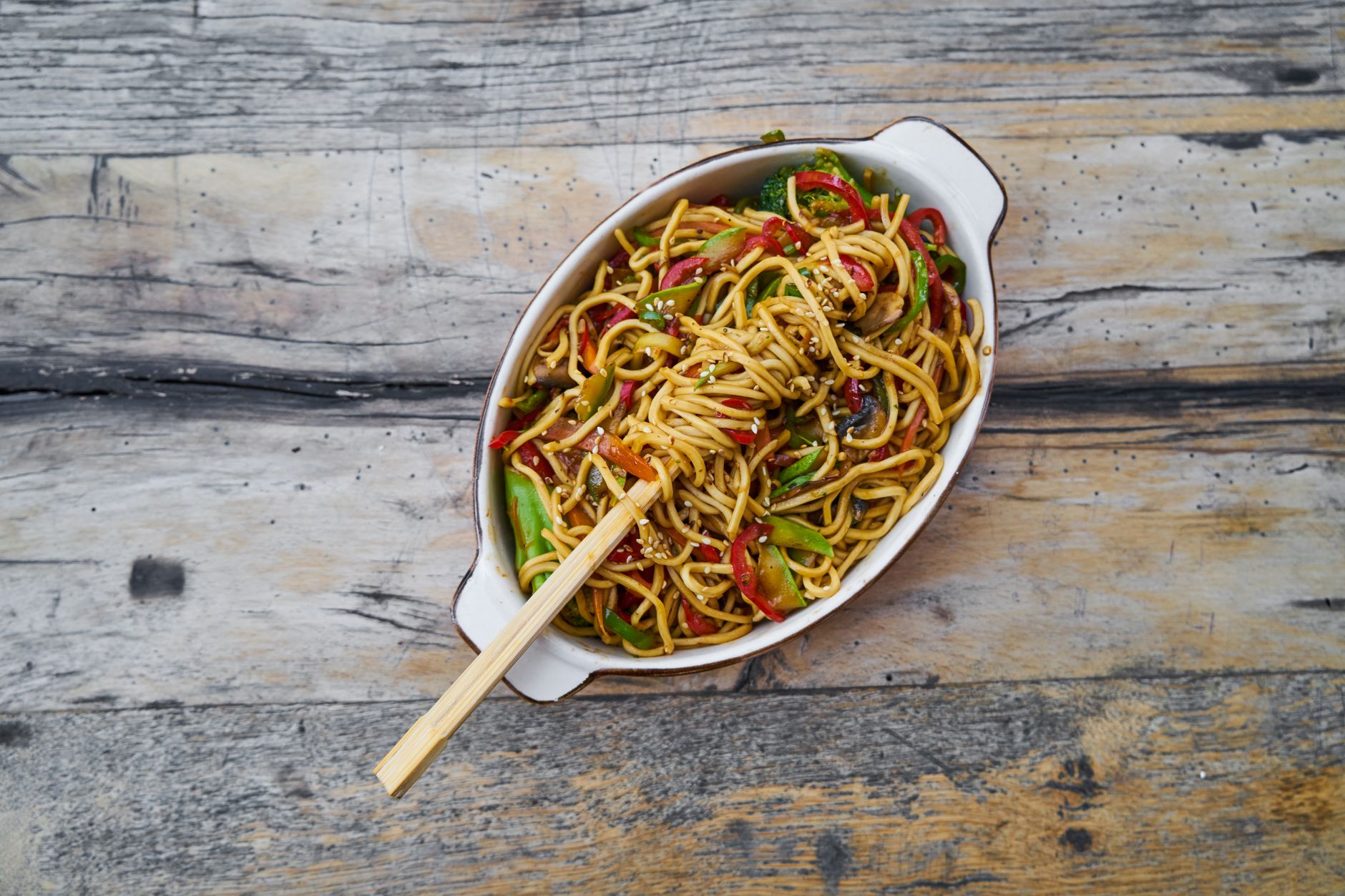
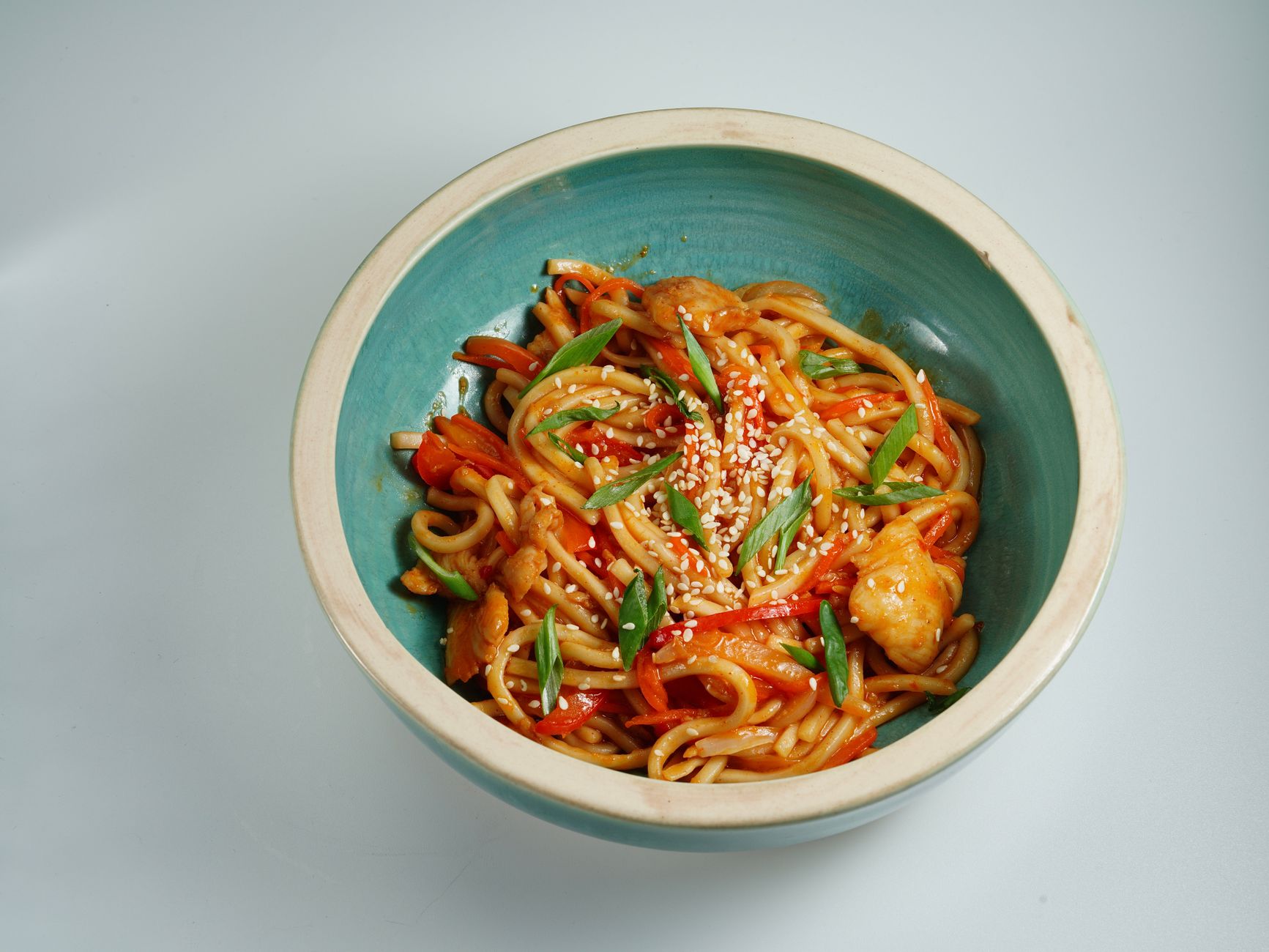
Lo Mein Noodles are soft, chewy noodles tossed with tender chicken, crisp vegetables, and a savory sesame-oyster sauce. This homemade version takes about 25 minutes, uses one skillet or wok, and works with fresh egg noodles, yaki soba, pancit noodles, or cooked spaghetti. The sauce is mixed before cooking, so every ingredient can go into the pan quickly.
I have made this recipe with both fresh noodles and refrigerated yaki soba. Fresh egg noodles give the most satisfying bite, while yaki soba is especially convenient on busy nights. The vegetables stay lightly crisp instead of turning limp, and the sauce clings without making the dish heavy.
For a complete dinner, serve the noodles straight from the pan. They are also useful for using up a small amount of leftover chicken or vegetables from the refrigerator.
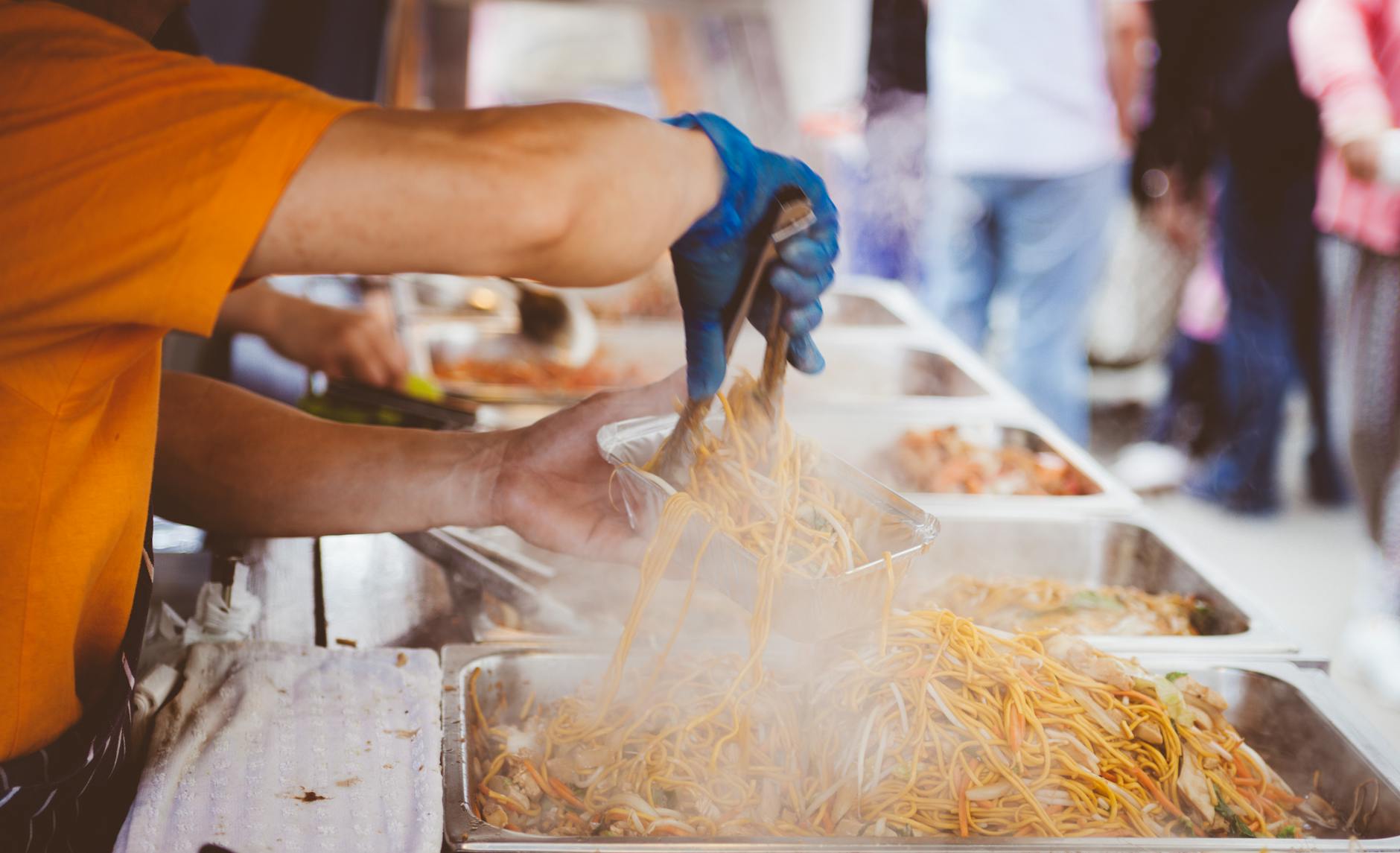
Health Benefits & Nutrition
This is a balanced comfort-food meal, although the sauce contains salty ingredients. The exact nutrition depends on the noodles, chicken cut, and brands of oyster sauce and soy sauce used.
- Protein from chicken: Chicken breast or boneless thigh adds protein that helps make the meal filling. Thigh meat is more tender, while breast meat is leaner.
- Vegetables add color and fiber: Carrot, bok choy, garlic, ginger, and scallions contribute fiber and a range of vitamins and minerals. Keeping the cooking time short helps preserve a pleasant vegetable texture.
- Flexible carbohydrate source: The noodles provide energy and can be adjusted to suit your appetite. Using a little less noodle and more bok choy creates a lighter bowl.
- Moderate added oil: A small amount of neutral oil carries the aromatics and prevents sticking. Sesame oil is used in the sauce for fragrance rather than as the main frying oil.
One serving contains approximately 520 calories, 27 grams of protein, 58 grams of carbohydrates, and 20 grams of fat. These figures are estimates, not laboratory measurements. Oyster sauce and soy sauce also contain sodium, so use reduced-sodium soy sauce if that suits your needs.
This recipe contains wheat, egg, soy, and oyster sauce. Check labels carefully if you have food allergies. Oyster sauce is not vegetarian, and people avoiding shellfish should choose a suitable mushroom-based alternative. For personal dietary or medical advice, consult a qualified dietitian or doctor.
Ingredients & Preparation
Recipe Card
| Prep time | 15 minutes |
|---|---|
| Cook time | 10 minutes |
| Total time | 25 minutes |
| Servings | 4 servings |
| Calories | Approximately 520 per serving |
| Diet tags | Omnivore; contains wheat, egg, soy, and shellfish |
Full Ingredient List
- 1/4 cup chicken stock
- 3 tablespoons oyster sauce
- 1 tablespoon soy sauce
- 1 teaspoon cornstarch
- 1 teaspoon toasted sesame oil
- 3 tablespoons neutral vegetable oil, such as canola oil
- 4 teaspoons fresh ginger, cut into thin matchsticks
- 2 teaspoons garlic, finely minced
- 1/2 pound boneless chicken breast or thigh, cut into thin bite-sized slices
- 9 ounces fresh egg noodles, approximately 250 grams
- 1/2 medium carrot, cut into thin matchsticks
- 1/4 pound baby bok choy, approximately 125 grams, bottoms removed and cut on the diagonal
- 3 scallions, cut into 1/2-inch diagonal pieces
Equipment Needed
You need a large wok or wide skillet, a small bowl for the sauce, a cutting board, a sharp knife, tongs, and a wooden spoon or spatula. A wide pan is helpful because the noodles need room to toss rather than steam in a crowded pile.
Tips for Choosing Quality Ingredients
Look for fresh egg noodles in the refrigerated section. They should feel springy, not wet or mushy, and should separate easily with your fingers. Yaki soba or pancit noodles are good alternatives. If you use dried spaghetti, cook it just until al dente, rinse it briefly under cold water, and drain it very well.
Choose bok choy with firm white stems and bright green leaves. Small carrots are not required, but a fresh, crisp carrot is easier to cut into neat matchsticks. Fresh ginger gives a cleaner aroma than powdered ginger, and toasted sesame oil should smell nutty and fragrant when you open the bottle.
Have every ingredient measured before heating the pan. The cooking goes quickly, and stopping to slice vegetables after the garlic is in the wok can leave the aromatics too dark.
Step-by-Step Instructions
1. Mix the sauce for 2 minutes
In a small bowl, whisk together the chicken stock, oyster sauce, soy sauce, cornstarch, and toasted sesame oil for 2 minutes, or until the cornstarch is fully dispersed. Set the bowl beside the stove. Stir it again immediately before adding it because the cornstarch settles quickly.
2. Heat the wok on high for 2 minutes
Place a wok or wide skillet over high heat for 2 minutes. Add the vegetable oil and heat for 20 to 30 seconds, until the oil shimmers and a thin wisp of smoke appears. Add the ginger and garlic, then stir-fry for 20 seconds. The aromatics should smell sharp and fragrant and turn only lightly golden.
3. Cook the chicken for 2 minutes
Add the sliced chicken in a single layer and stir-fry over high heat for 2 minutes. Turn the pieces frequently. They should lose their raw pink color on the outside and reach 165°F in the thickest piece. If your slices are thicker than 1/4 inch, cook them for another 1 to 2 minutes.
4. Add the noodles and vegetables for 2 minutes
Add the fresh egg noodles, carrot, bok choy, and scallions. Toss continuously over high heat for 2 minutes. Use tongs to lift and separate the noodles. The bok choy stems should remain slightly crisp, while the leaves wilt and turn glossy.
5. Toss with the sauce for 2 minutes
Stir the sauce once more, pour it around the hot noodles, and toss for 2 minutes. The sauce should bubble lightly, coat the noodles, and leave the bottom of the pan mostly dry. Remove the pan from the heat as soon as the noodles look glossy and the aroma becomes rich and savory.
The first time I made this with wet, poorly drained noodles, the sauce became thin and pooled at the bottom. Draining is not a small detail here. Letting the noodles sit in a colander for several minutes gives the sauce something to cling to.
Variations & Substitutions
- Vegetable lo mein: Replace the chicken with 2 additional cups of vegetables, such as sliced mushrooms, snow peas, bell pepper, or shredded cabbage. Keep the same sauce quantities and add firm vegetables before leafy ones.
- Shrimp lo mein: Use 12 ounces of peeled, deveined shrimp instead of chicken. Cook the shrimp for about 2 minutes, turning once, then continue with the noodles and vegetables.
- Tofu lo mein: Replace the chicken with 12 ounces of extra-firm tofu, pressed and cut into small cubes. Pan-fry the tofu in 1 tablespoon of the oil for 4 to 5 minutes before adding the aromatics.
- Lower-sodium version: Use reduced-sodium soy sauce and reduce the oyster sauce to 2 tablespoons. Add 1 extra tablespoon of chicken stock if the sauce seems too concentrated.
- Vegetarian version: Use vegetable stock and mushroom stir-fry sauce in place of the chicken stock and oyster sauce. Use the same quantities and check the sauce label for added allergens.
- Gluten-free version: Use certified gluten-free rice noodles or gluten-free egg-style noodles. Replace both soy sauce and oyster sauce with gluten-free alternatives, following the product’s concentration because brands vary.
I tried using thick, soft udon noodles in this dish, but they made the sauce feel heavy and did not pick up the ginger as evenly. Thin, springy noodles work better because they move through the pan quickly and leave room for the vegetables.
Storage & Shelf Life
Cool leftovers promptly and place them in a shallow airtight container. Refrigerate within 2 hours of cooking and use them within 3 days. Store the noodles separately from any extra garnishes if you want the scallions to stay fresh.
Reheat one portion in a skillet over medium heat with 1 tablespoon of water. Toss for 3 to 5 minutes, until steaming hot throughout. A microwave also works: cover loosely and heat in 60-second intervals, stirring between intervals.
Freezing is possible for up to 1 month, although the noodles and bok choy will be softer after thawing. Cool completely, portion into freezer-safe containers, and thaw overnight in the refrigerator. Reheat in a skillet with a splash of water.
Discard the leftovers if they smell sour, feel unusually slimy, show mold, or have been left at room temperature for more than 2 hours. Do not taste food to test whether it is safe.
Pro Tips for Better Noodles
- Slice the chicken across the grain: Thin slices across the muscle fibers stay tender during the short cooking time. Slightly chilled chicken is easier to cut neatly.
- Control moisture: Fresh noodles should not be dripping wet. Excess water cools the wok and dilutes the sauce, which is the most common reason homemade stir-fried noodles taste bland.
- Keep the sauce balanced: Chicken stock loosens the mixture, oyster sauce supplies savory sweetness, soy sauce adds salt, and sesame oil provides aroma. Do not add extra soy sauce before tasting at the table.
- Use sesame oil at the end: Sesame oil has a low smoke point and a strong aroma. Mixing it into the sauce protects its flavor better than using it as the frying oil.
- Cut vegetables evenly: Matchstick carrots should be thin enough to soften in 2 minutes. Thick pieces stay too crunchy while the noodles become overcooked.
- Avoid overcrowding: If your pan is smaller than 12 inches, cook the chicken in two batches. Crowding creates steam and prevents the light browning that gives the dish depth.
- Keep the heat high: High heat helps the noodles sear lightly instead of simmering. Listen for a steady sizzle, not a watery bubbling sound.

Questions & Answers
When is the best time to eat Lo Mein Noodles?
The best time to eat Lo Mein Noodles is immediately after cooking, while the sauce is glossy and the vegetables still have some crunch. They make a practical lunch or dinner because the entire dish cooks quickly. Leftovers are still enjoyable for up to 3 days, but the noodles soften slightly in the refrigerator.
What noodles are best for this recipe?
Fresh egg noodles are the best choice because they are springy and hold the sauce well. Refrigerated yaki soba, pancit noodles, and thin chow mein noodles also work. Thin spaghetti is a dependable pantry substitute; cook it al dente, rinse briefly, and drain thoroughly before stir-frying.
What is the difference between lo mein and chow mein?
Lo mein generally uses soft noodles tossed with sauce, while chow mein may use noodles that are stir-fried until firmer or crisp. Restaurant terminology varies by region, so the names are not always used consistently. This recipe focuses on tender noodles with a savory sauce and quick-cooked vegetables.
Can I make this dish without a wok?
Yes, a large skillet works well. Choose the widest pan available and keep it over high heat. A crowded small skillet traps steam, so cook the chicken separately if needed. Add the cooked chicken back with the noodles, vegetables, and sauce during the final toss.
Why did my sauce turn watery?
Watery sauce usually comes from wet noodles, a crowded pan, or cornstarch that was not mixed back into the bowl. Drain noodles thoroughly, keep the heat high, and stir the sauce immediately before pouring it into the pan. The sauce should bubble and thicken within about 2 minutes.
Can I prepare the ingredients ahead of time?
Yes, you can mix the sauce and cut the chicken and vegetables up to 1 day ahead. Refrigerate the prepared ingredients in separate covered containers. Keep the noodles dry until cooking, and arrange everything beside the stove before heating the pan.
How can I make the noodles less salty?
Use reduced-sodium soy sauce, choose a lower-sodium oyster sauce, and avoid adding salt to the cooking water or finished dish. You can also replace 1 tablespoon of soy sauce with 1 tablespoon of extra chicken stock. Add more unsalted vegetables or noodles if the sauce has already been mixed.
More Recipes You Will Love
If quick, practical meals appeal to you, browse our Mini cocotte recipe book for small-serving dishes and cozy one-pot ideas. Its recipes are useful when you want a carefully portioned meal without preparing a large casserole.
For a different kind of make-ahead option, our guide to Sugar free protein shakes for weight gain offers ideas for adding more nourishment between meals. It pairs well with a quick noodle dinner when your schedule leaves little time for cooking.
You can also change this stir-fry each time by using shrimp, tofu, mushrooms, or extra greens. That flexibility makes it a useful base recipe rather than a one-time meal.
Conclusion
These Lo Mein Noodles bring together springy noodles, tender chicken, crisp vegetables, and a glossy sauce in one hot pan. Preparing the sauce first and keeping the ingredients close to the stove makes the cooking smooth and fast. Use fresh egg noodles when possible, but do not worry if your pantry only has spaghetti. Make the recipe your own with extra vegetables or a different protein, then leave a rating or comment to share how it turned out.
FAQs
When is the best time to eat Lo Mein Noodles?
Lo Mein Noodles are best eaten right after cooking, while the noodles are still chewy and the vegetables stay crisp. The full recipe takes about 25 minutes, which makes it a practical choice for a quick weeknight dinner. Serve it straight from the skillet as a complete meal. Leftovers are better reheated than kept for long periods.
Can I use spaghetti instead of fresh egg noodles in Lo Mein Noodles?
Yes, cooked spaghetti works as a substitute for fresh egg noodles in Lo Mein Noodles. Cook it until just tender, drain it well, and toss it in the hot oil so it does not stay wet. Spaghetti has a firmer, less springy bite than egg noodles, so the texture will differ slightly, but the sauce will still coat it well.
How do you store leftover Lo Mein Noodles?
Store leftover Lo Mein Noodles in an airtight container in the refrigerator within two hours of cooking, and eat them within three to four days. Keep the noodles and sauce together so the flavor stays balanced. Reheat them in a hot skillet with a splash of water or stock to loosen the noodles and refresh their texture.
Why do Lo Mein Noodles get soggy or sticky?
Lo Mein Noodles usually turn soggy when they are overcooked, left sitting in liquid, or crowded into a pan that is not hot enough. Drain the noodles well, cook them until just tender, and stir-fry in batches over high heat. Toss them with the sauce just before serving so they stay springy.
Is Lo Mein Noodles safe for people avoiding shellfish?
Standard oyster sauce is made from oysters, so it is not suitable for people avoiding shellfish. Use a mushroom-based or other vegetarian oyster sauce alternative instead, and check the label for hidden shellfish ingredients. If you have a shellfish allergy, consult a doctor or allergist for personal advice.