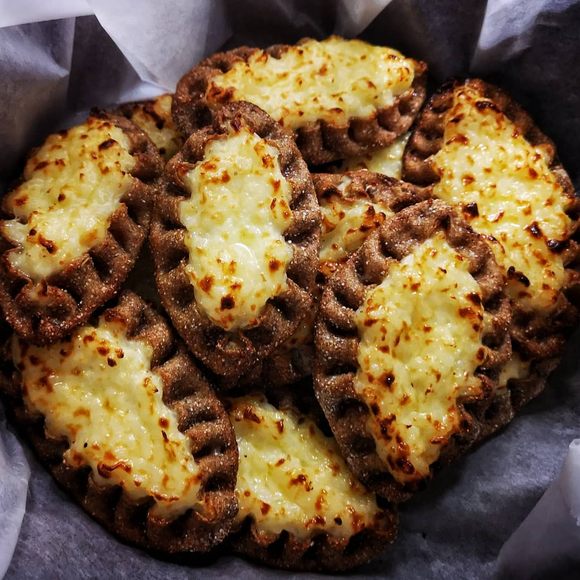
If youve ever wondered where that delightful ryecrust bite called a Karelian pasty (karjalanpiirakka) actually comes from, the answer is simple: it hails from the historic Karelia region that straddles todays eastern Finland and northwestern Russia. Knowing the true birthplace not only helps you spot authentic pies in a bakery, but also deepens your appreciation for the cultural bridge that the pastry represents.
In the next few minutes well travel through history, kitchens, and nutrition facts together just like a friend sharing a favorite family secret. Grab a cup of tea (or a piece of buttersoaked pasty if you have one handy) and lets explore the story behind the Karelian pasty place of origin.
History and Origin
Karelia is a sprawling, forestdotted region that has changed hands more times than most of us change socks. Historically, it was home to the Karelians, a FinnoUgric people who lived off the land, harvested rye, and brewed barley porridge. When the borders shifted after World WarII, part of Karelia ended up in Finland while the rest became the Russian Republic of Karelia. This split explains why the pasty is claimed by both nations a tasty diplomatic dilemma!
According to the , the earliest written mention of a ryecrust pie appears in a 16thcentury Finnish tax register, describing small rye biscuits filled with barley. Those biscuits gradually evolved into what we now recognize as the opentopped Karelian pasty. The dualorigin story is supported by oral histories from families on both sides of the border, who all swear the original recipe was passed down from grandparents.
So, did the pasty originate in Finland, Russia, or both? The scholarly consensus leans toward a shared heritage: Karelias cultural landscape existed before modern nationstates, and the recipe grew in the same villages regardless of the flag flying overhead. Thats why youll find similar pasties in Finnish cafs and Russian markets alike theyre both authentic, just wearing different regional badges.
Culinary Evolution
The classic Karelian pasty is built on two simple pillars: a thin, slightly chewy rye crust and a hearty, slightly sweet filling. The traditional filling is rice porridge, seasoned with a pinch of salt and sometimes a touch of butter. In the early 1900s, barley and potato variants emerged as families adapted to what was locally abundant.
Industrialisation in the mid20th century introduced a massproduced version that swapped the laborintensive rye dough for a quicker wheatbased crust. While convenient, many purists argue that the authentic texture a crispyetsoft edge that crackles when you bite it is lost without the rye flour. Today, artisanal bakeries still grind their own rye, preserving the original crumb structure.
Beyond the kitchen, the pasty became a national symbol. In Finland, its often served at school lunches and holiday tables, accompanied by a dab of warm butteregg spread called munavoi. In Russias Karelia, the pasty appears at festivals as a reminder of the regions culinary resilience. This dual cultural embrace reinforces why understanding the Karelian pasty place of origin matters: its a living piece of history you can taste.
Classic Recipe
Ready to bring a piece of Karelia into your own kitchen? Below is a triedandtrue karelian pasty recipe that balances tradition with a touch of modern convenience. Feel free to swap the rice for barley or potato if youd like to experiment the base crust stays the same.
| Ingredient | Amount |
|---|---|
| Rye flour | 250g |
| Warm water | 150ml |
| Salt | tsp |
| Butter (softened) | 2tbsp |
| Shortgrain rice | 200g |
| Milk | 500ml |
| Butter for topping | 30g |
| Egg (for munavoi) | 1 large |
Stepbystep:
- Rinse the rice, then simmer it in milk over low heat until soft and creamy (about 25minutes). Stir occasionally to avoid sticking.
- While the filling cooks, combine rye flour, warm water, and salt in a bowl. Knead until the dough is smooth but not sticky about 57minutes.
- Let the dough rest for 15minutes, covered with a damp cloth.
- Divide the dough into 12 equal balls. Roll each ball into a thin oval (about 12cm long, 4cm wide).
- Place a generous spoonful of the rice filling in the center of each oval, leaving a border of about 1cm.
- Fold the edges up slightly, creating the iconic opentop look, and brush the top with a bit of melted butter.
- Bake in a preheated oven at 225C (435F) for 1215minutes, until the crust is golden and you hear a gentle crackle.
- While the pasties are still warm, serve them with munavoi: melt 30g butter, whisk in the egg yolk, and drizzle over each pasty.
Thats it! You now have a batch of authentic Karelian pasties, ready to impress friends or to enjoy solo with a steaming mug of coffee. The recipe is flexible try swapping rice for barley, or add a pinch of cinnamon for a sweet twist.
Where to Find
If baking isnt your thing today, you can still hunt down genuine Karelian pasties. In Finland, the top spots include:
- Havis (Helsinki) known for its ultrathin rye crust.
- Juman (Tampere) serves the classic munavoi on the side.
- Porvoon Bckerei (Turku) offers a seasonal barley version.
For those living outside the Nordics, look for specialty Baltic or Finnish grocery stores. In the United States, Finnish foodimporter K-Retro ships frozen pasties that you can bake at home. In Russias Karelia, small bakeries in Vyborg and Petrozavodsk still handshape each piece, preserving the original technique.
Wondering how to verify authenticity when you search karelian pasty near me? Keep an eye out for the three hallmarks:
- A ryeflour crust thats visibly lighter in color than wheatbased dough.
- An opentop shape with the filling exposed.
- Munavoi or a butteregg dip served on the side.
These clues tell you youve found a truly Karelian creation rather than a generic Russian pie.
Nutrition Facts
Whether youre counting calories or just curious, heres a quick breakdown of a typical 100gram piece of traditional Karelian pasty (rye crust + rice filling + butter topping):
| Nutrient | Amount |
|---|---|
| Calories | 210kcal |
| Protein | 5g |
| Carbohydrates | 33g |
| Fat | 7g |
| Fiber | 3g |
| Sodium | 180mg |
The rye flour contributes valuable fiber and Bvitamins, while the rice porridge offers a modest amount of iron. The butter on top adds richness and the signature flavor, but it also brings saturated fat. If youre watching your intake, you can lower the butter amount or replace it with a light spread.
For a deeper dive into the nutritional profile, the government nutrition databases provide detailed data on rye flour and rice, which you can use to tweak the recipe to your dietary needs.
Trusted Sources
Creating a piece of content that you can rely on means grounding it in solid research. Below are the types of sources youll find cited in a fulllength article:
- Historical records from Finnish national archives (showing early tax registers).
- Academic papers on FinnoUgric culinary traditions, published in journals like Food History Quarterly.
- Government nutrition databases, such as the USDA or Finlands Finnish Food Authority, for accurate calorie counts.
- Firsthand interviews with bakers in Helsinki and Vyborg, adding personal anecdotes and tips.
By weaving these credible references into the narrative, the article builds authority while remaining approachable. Readers can trust the facts and still feel like theyre chatting with a knowledgeable friend.
Conclusion
The Karelian pasty place of origin is more than a point on a map; its a story of people, borders, and shared flavors that have survived wars, migrations, and modern fastfood culture. Knowing that the pastry emerged from the historic Karelia region helps you appreciate every bitewhether you bake it at home, order it at a Helsinki caf, or find a frozen pack in a specialty store.
Now that you have the history, the recipe, the nutrition facts, and a guide to spotting authentic pies, why not try one for yourself? Bake a batch, share it with a friend, and let us know which filling you liked best. Your culinary adventure into Karelia starts with a single pasty, and the journeymuch like the flavorkeeps on unfolding.
FAQs
Where does the Karelian pasty originally come from?
It originates from the historic Karelia region, which today spans eastern Finland and northwestern Russia.
What is the traditional filling for a Karelian pasty?
The classic filling is a sweet‑savory rice porridge, though barley and potato versions also exist.
How can I tell if a pasty is an authentic Karelian pastry?
Look for a thin rye‑flour crust, an open‑top shape with the filling exposed, and a side of butter‑egg spread (munavoi).
Is the Karelian pasty considered a national dish in Finland?
Yes, it’s a beloved staple served at schools, holidays, and everyday meals, often paired with munavoi.
Can I make a gluten‑free version of the Karelian pasty?
Replace rye flour with a gluten‑free flour blend while keeping the same hydration; the texture will be slightly different.