Quick Answer Intro
If youre wondering whether you can whip up a flaky, buttery European meat pie at home without a culinary degree the answer is a resounding yes. In under an hour you can have a goldencrusted masterpiece, the kind that smells like a cozy kitchen in the countryside. Below youll find everything from dough secrets to baking temperatures, plus a few personal tricks that turned my first attempt into a crowdpleaser.
What Sets It Apart
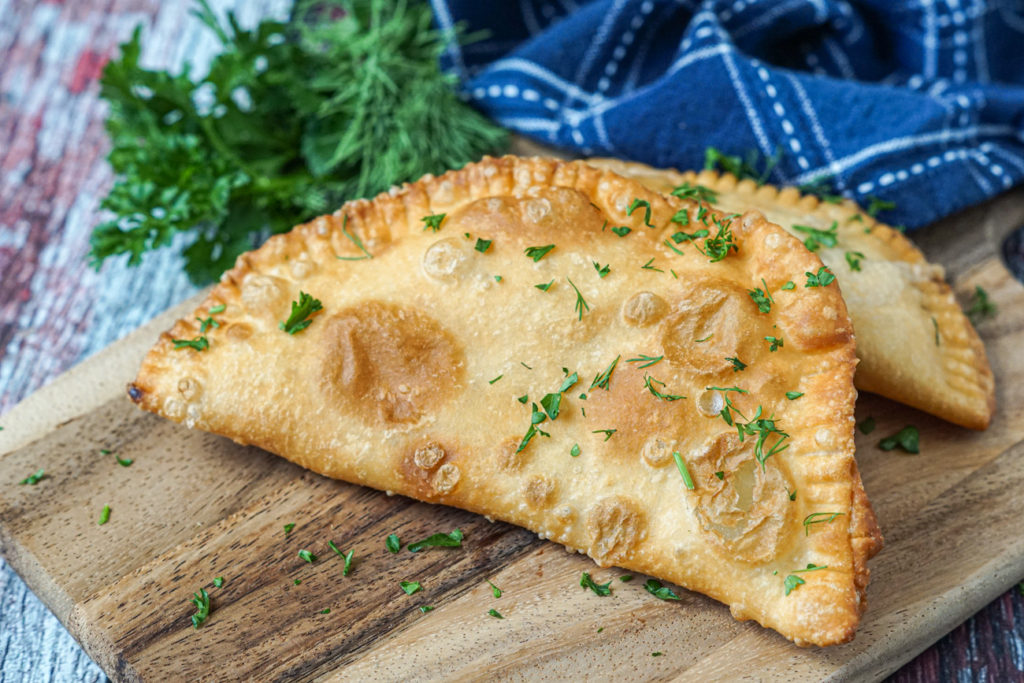
European isnt just a geography tag; its a family of traditions. From the hearty English meat pie, to the garlicky Cheboureki of Eastern Europe, and even the iconic Aussie meat pie, each style carries its own crust, spice blend, and story. Understanding these differences helps you choose the version that matches your taste buds and the occasion.
Regional Flavors in a Nutshell
Think of a European meat pie as a passport. England favors a shortcrust pastry filled with beef, pork, and a whisper of nutmeg. The Balkan corner loves a yeasted, handfolded dough packed with garlicinfused beef and bright paprika. Down under, the Aussie version swaps the shortcrust for puff pastry and tops the filling with a rich, glossy gravy. Recognizing these nuances lets you tailor the recipe to the flavor journey you crave.
MiniComparison Table
| Country/Region | Typical Crust | Common Protein | Signature Spice |
|---|---|---|---|
| England | Shortcrust | Beef + pork | Thyme & nutmeg |
| Balkans | Yeasted, handfolded | Beef & garlic | Paprika & dill |
| Australia | Puff pastry | Ground beef | Vegemiteglaze |
| Hybrid | Shortcrust + yeasted | Beef + lamb | Red pepper flakes |
Classic European Recipes
Below are three beloved meat pie recipes that cover the spectrum of European comfort food. Feel free to mixandmatch the fillings and crusts the only rule is to have fun with it.
OldFashioned English Meat Pie
Ingredients: 500g beef chuck, 250g pork belly, 1large carrot, 1onion, 2tbsp tomato paste, 1tsp dried thyme, a pinch of nutmeg, 300g shortcrust pastry (storebought or homemade).
Method:
- Dice the beef and pork, then brown them in a heavy pot with a splash of oil.
- Add chopped onion and carrot, cooking until softened.
- Stir in tomato paste, thyme, nutmeg, and a cup of beef stock; simmer 20minutes.
- Roll out the shortcrust, line a pie dish, fill with the stew, then top with another rolled sheet.
- Brush the top with beaten egg and bake at 200C (390F) for 3540minutes until golden.
Pro tip: Chill the dough for 30minutes before rolling it makes the crust unbelievably flaky.
Cheboureki Eastern European HandPie
Ingredients: 300g allpurpose flour, 180ml warm water, 1tbsp oil, 400g ground beef, 4cloves garlic (minced), 1onion, 1tsp sweet paprika, salt & pepper.
Method:
- Mix flour, water, and oil into a smooth dough; let rest 20minutes.
- In a skillet, saut onion, garlic, then add beef and paprika, cooking until browned.
- Divide the dough into balls, roll each thin, place a spoonful of filling, fold over, and seal the edges.
- Deepfry each pie at 180C (350F) for 45minutes until crisp.
When I first tried this, the garlic hit was so bold it made me feel like Id just stepped into a bustling market in Kyiv. .
Aussie Meat Pie The Comfort Classic
Ingredients: 500g ground beef, 1large onion, 2tbsp Worcestershire sauce, 250ml beef stock, 2tbsp flour, 1tsp tomato paste, 1sheet puff pastry, 1 egg (for glaze).
Method:
- Brown the beef with onion, then sprinkle flour and stir for 2minutes.
- Add Worcestershire sauce, tomato paste, and stock; simmer until thickened.
- Fill muffin tins with a thin layer of pastry, spoon in the gravy, then top with another pastry circle.
- Brush with egg and bake at 190C (375F) for 2530minutes.
The result? A buttery, golden piecream thats perfect for a rainy afternoon.
Flaky Dough Guide
Whether you choose a shortcrust, yeasted, or puff pastry base, the dough is the soul of a great meat pie. Below youll find two reliable approaches, plus a few kitchen hacks that elevate the texture.
Shortcrust vs. Yeasted Dough
Shortcrust is quick, buttery, and perfect for a traditional English pie. Mix cold butter into flour until it resembles coarse crumbs, then add icecold water just until the dough comes together. Resting it in the fridge for at least 30minutes prevents shrinkage during baking.
Yeasted dough gives you a softer, slightly chewy bite, ideal for Cheboureki. Dissolve a teaspoon of instant yeast in warm milk, combine with flour, a pinch of sugar, and a splash of olive oil. Allow it to rise for an hour the aroma alone will convince anyone to keep waiting.
Secret Ingredient for Richness
For a depth of flavor thats almost umamibomb, replace a quarter of the water with a dark stout like Guinness or a splash of red wine while making the dough. The liquids maltiness seeps into the crumb, creating a subtle richness that most storebought crusts lack.
Troubleshooting Table
| Problem | Cause | Fix |
|---|---|---|
| Dough shrinks | Insufficient resting | Chill at least 30minutes before rolling. |
| Crust soggy | Wet filling | Thicken filling with flour or cornstarch. |
| Crust too hard | Overbaking | Cover with foil after 20minutes. |
Baking Essentials Guide
Even the best dough can fall flat if the oven isnt treated right. Below are temperature and time guidelines for each crust type, plus visual cues to know when youve hit the sweet spot.
Ideal Oven Settings
Shortcrust: 200C (390F) for 3540minutes. Start with the pie covered by foil for the first 15minutes to protect the edges, then remove the foil to let the top brown.
Yeasted dough: 190C (375F) for 4550minutes. Keep the pie covered for the first 20minutes, then unveil to develop that rustic crust color.
Safety First
According to the USDA guidance on safe handling of beef, pork, and lamb, ground beef should reach an internal temperature of 71C (160F). Use a quickread thermometer inserted into the center of the filling to be sure.
Visual Cues
- Goldenbrown top with a subtle sheen (from the egg wash).
- Filling bubbling around the edges a sign the gravy is hot.
- Steam escaping through vent holes indicates the crust isnt sealed too tightly.
Benefits and Risks
Like any comfort food, a European meat pie offers both nutritional perks and considerations. Understanding the balance helps you enjoy it guiltfree.
Nutritional Highlights
A typical serving provides 2025g of highquality protein, iron for energy, and a comforting dose of carbohydrates from the crust. If you use lean beef and incorporate veggies like carrots and peas, youll also snag a handful of fiber and betacarotene.
Health Considerations
Traditional recipes can be high in saturated fat and sodium, especially when using pork fat or a generous amount of butter. To lighten the pie without sacrificing flavor, try these swaps:
- Replace half the butter with olive oil.
- Use lean ground beef or a mix of turkey and beef.
- Swap white flour for wholewheat flour for extra fiber.
- Reduce added salt; let herbs and spices carry the flavor.
For a deeper dive into how modest changes affect heart health, the .
Wrapping It Up
There you have it a fullstack guide to mastering the European meat pie, from crust chemistry to safe baking temperatures and a balanced view of its nutrition. Whether you end up with a nostalgic English pie, a bold Cheboureki, or a buttery Aussie classic, the real secret ingredient is the love you pour into every fold.
If you try any of these recipes, Id love to hear how they turned out. Share your tweaks, ask questions, or just let me know which version stole the show at your table. Happy baking, and may your kitchen always smell like a warm European bakery!
FAQs
Can I make a European meat pie with gluten‑free flour?
Yes! Substitute the all‑purpose flour with a gluten‑free blend (rice, potato, and tapioca work well) and add a tablespoon of xanthan gum to keep the dough elastic.
What’s the best way to keep the crust from getting soggy?
Pre‑bake (blind bake) the crust for about 10 minutes, brush it with beaten egg, and make sure the filling is thickened with a flour or cornstarch slurry before adding it to the pie.
Do I need to use beef, or can I swap in other meats?
You can use lamb, pork, turkey, or a mix of meats. Just adjust seasoning to complement the protein (e.g., rosemary for lamb, sage for pork).
How long can I store leftovers and how should I reheat them?
Store the cooled pie in an airtight container in the fridge for up to 3 days. Reheat in a 180 °C (350 °F) oven for 15‑20 minutes to regain a crispy crust.
Is it safe to freeze a fully assembled meat pie before baking?
Absolutely. Wrap the assembled, unbaked pie tightly in plastic wrap and foil, freeze for up to 2 months, then bake directly from frozen, adding a few extra minutes to the baking time.