Introduction
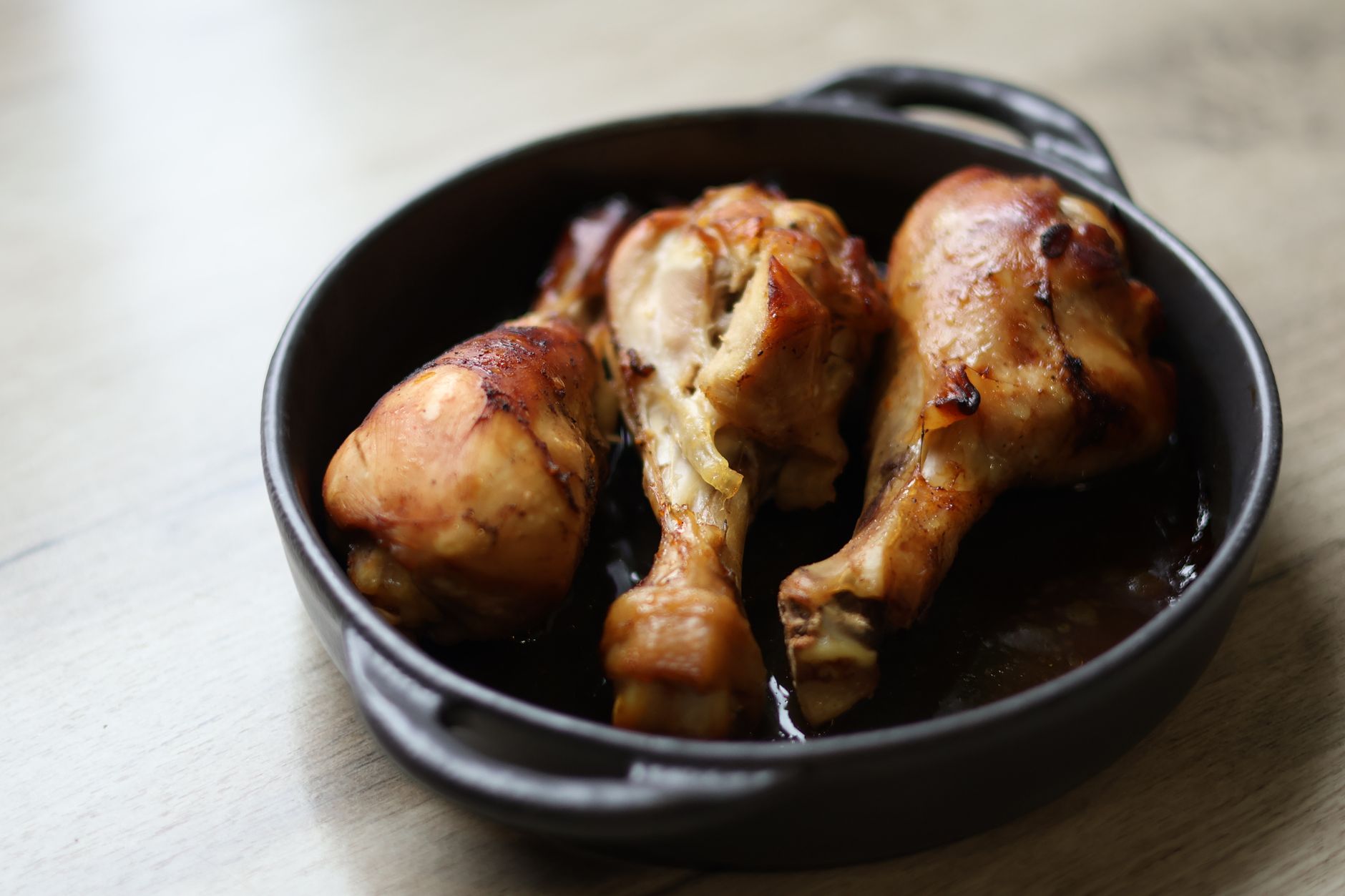
Cast iron dutch oven chicken is a simple way to get juicy meat with irresistibly crispy skin. This oven-baked chicken method uses the unique heat retention of a cast iron pot to lock in moisture while crisping the exterior to golden perfection. Whether you‘re after a weeknight dinner or a special meal, mastering this cast iron dutch oven chicken recipe guarantees a savory, easy baked chicken in cast iron experience youll want to repeat.
Key Highlights
Why cast iron dutch oven chicken shines
Cast iron dutch oven chicken combines even heat distribution with moisture retention to deliver a juicy interior and crisp skin chicken benefits that few other methods match. The heavy lid traps steam, creating a gentle roasting environment while the cast irons heat retention browns the skin beautifully. This dutch oven roast chicken recipe minimizes moisture loss, locking in savory flavors from the seasoning and herbs.
Versatility and diet fit
The method adapts beautifully to different tastesadd herbs, spices, or a hint of citrus and the cast iron dutch oven easily supports gluten-free dutch oven chicken preferences by avoiding breading or added flour. Its flexibility makes it ideal for keto, paleo, or low-carb eaters wanting a hearty, wholesome meal with minimal fuss.
Food safety reminders
Always ensure the chicken‘s thickest part reaches an internal temperature of 165F. Using a reliable meat thermometer prevents common mistakes cooking chicken, such as undercooking or overcooking. This step safeguards against foodborne illness and preserves maximum juiciness.
Ingredients & Preparation
| Prep time | Total time | Servings | Calories | Diet |
|---|---|---|---|---|
| 15 minutes | 65 minutes | 4 | ~400 kcal | Gluten-Free, Keto |
Ingredients and swaps
- 1 whole chicken (about 4 lbs), preferably organic or free-range (can substitute chicken parts if needed)
- 2 tablespoons olive oil (avocado oil also works well)
- 1 teaspoon salt, adjusted to taste
- teaspoon black pepper
- 1 teaspoon garlic powder or 2 cloves minced fresh garlic
- 1 tablespoon fresh rosemary leaves or 1 teaspoon dried rosemary
- Optional: lemon wedges for serving
Essential equipment
A cast iron dutch oven is key for even heat and moisture control. Its thick walls hold heat steadily, avoiding hot spots and burning. A lid helps slow roast and trap moisture, keeping chicken tender. While baking trays work, they often dont preserve moisture as well, resulting in drier meat.
Choosing ingredients
Using fresh chicken ensures the best texture and flavor. Organic or free-range chickens often yield richer taste due to their diets. Fresh herbs provide a brighter flavor punch but dried rosemary is a handy substitute. Pick high-quality, cold-pressed oils to enhance the aroma and aid crisp skin development through cast iron cooking techniques.
Step-by-Step Instructions
Step 1 Prepare and season the chicken
Rinse the chicken under cold water, then thoroughly pat dry with paper towels. Dry skin is essential for crispy skin chicken benefits. Rub olive oil all over the chicken, including under the skin where possible for deeper flavor. Sprinkle salt, pepper, garlic powder, and rosemary evenly on top and inside the cavity. Avoid brining if seasoning properly.
Step 2 Initial high-heat bake
Preheat your oven to 425F (220C). Place the chicken breast-side up in the uncovered cast iron dutch oven. Bake for 40 minutes. This step crisps the skin and starts browning. The intense dry heat encourages the golden crust that defines crispy skin chicken.

Step 3 Lower heat and cover
After 40 minutes, cover the dutch oven with its lid and reduce oven temperature to 350F (175C). Roast for an additional 10 minutes to ensure the meat is cooked through without drying out. Check the internal temperature with a meat thermometerInsert at the thickest part of the thigh; it must read 165F (75C).
Step 4 Rest and serve
Remove the chicken from oven and let it rest for 10 minutes inside the dutch oven with the lid off. This resting allows juices to redistribute and keeps the meat moist. Serve immediately, optionally with squeezed lemon wedges for a tangy finish. Store leftovers in an airtight container after cooling.

Pro Tips
- Season under the skin: Gently separate the skin from the breast with your fingers and apply herbs and seasoning beneath. This layers flavors into the meat, not just on the surface.
- Use room temperature chicken: Let the chicken sit out for 20 minutes before cooking to promote even cooking and prevent temperature shock inside the oven.
- Cast iron seasoning: A well-seasoned dutch oven enhances flavor and reduces sticking. Refer to our cast iron care and seasoning guide for maintenance tips.
- Dont skip the rest: Cutting chicken right away causes juices to spill out, resulting in drier meat. Resting yields moist, tender results.
- Customize flavor: Try adding other herbs such as thyme or sage, or toss root vegetables like carrots and potatoes around the chicken for an easy one-pan meal.
Storage
Once cooled to room temperature, transfer leftover chicken to airtight containers. Refrigerate for 45 days. Reheat gently covered at 325F (160C) until warmed to avoid drying out. You can also freeze portions wrapped tightly for up to 3 months. Thaw in the fridge overnight before reheating.
When is the best time to eat cast iron dutch oven chicken?
Cast iron dutch oven chicken is perfect for lunch or dinner, ideally enjoyed shortly after resting the meat post-cooking. Eating it warm maximizes the juicy texture and crispy skin, creating the best flavor and mouthfeel. Leftovers remain tasty when reheated within 45 days.
Can I use chicken parts instead of a whole chicken?
Yes, chicken parts like thighs, breasts, or drumsticks work well and may reduce cooking time. Adjust cooking temperature and duration accordingly. Use a meat thermometer to ensure 165F internal temperature for safety.
How do I prevent the chicken skin from getting soggy?
Pat the chicken completely dry before seasoning and avoid covering it during the initial high-heat phase. The dry oven heat crisps the skin. Cover only during the last few minutes to keep meat moist without losing crispness.
Is it okay to use dried herbs instead of fresh?
Dried herbs are a fine substitute and can be used at about one-third the quantity of fresh herbs. They infuse flavor during baking but wont have the same bright aroma as fresh, which is why fresh herbs are advised when available.
Can I add vegetables to the dutch oven roast chicken recipe?
Yes, adding vegetables like potatoes, carrots, or onions around the chicken helps absorb drippings and makes a complete meal. Place them in the dutch oven before baking to roast alongside the chicken evenly.
What are common mistakes cooking chicken in a dutch oven?
Common errors include skipping the drying step, not preheating the oven properly, undercooking the meat, or covering the chicken too early which prevents crisp skin. Using a meat thermometer helps avoid these mistakes.
How can I adapt this cast iron recipe for different flavors?
Try adding spices like smoked paprika, chili powder, or cumin for a smoky twist. Including lemon zest or orange peel adds brightness. Fresh garlic or shallots under the skin also complement the earthy rosemary base beautifully.
More Recipes
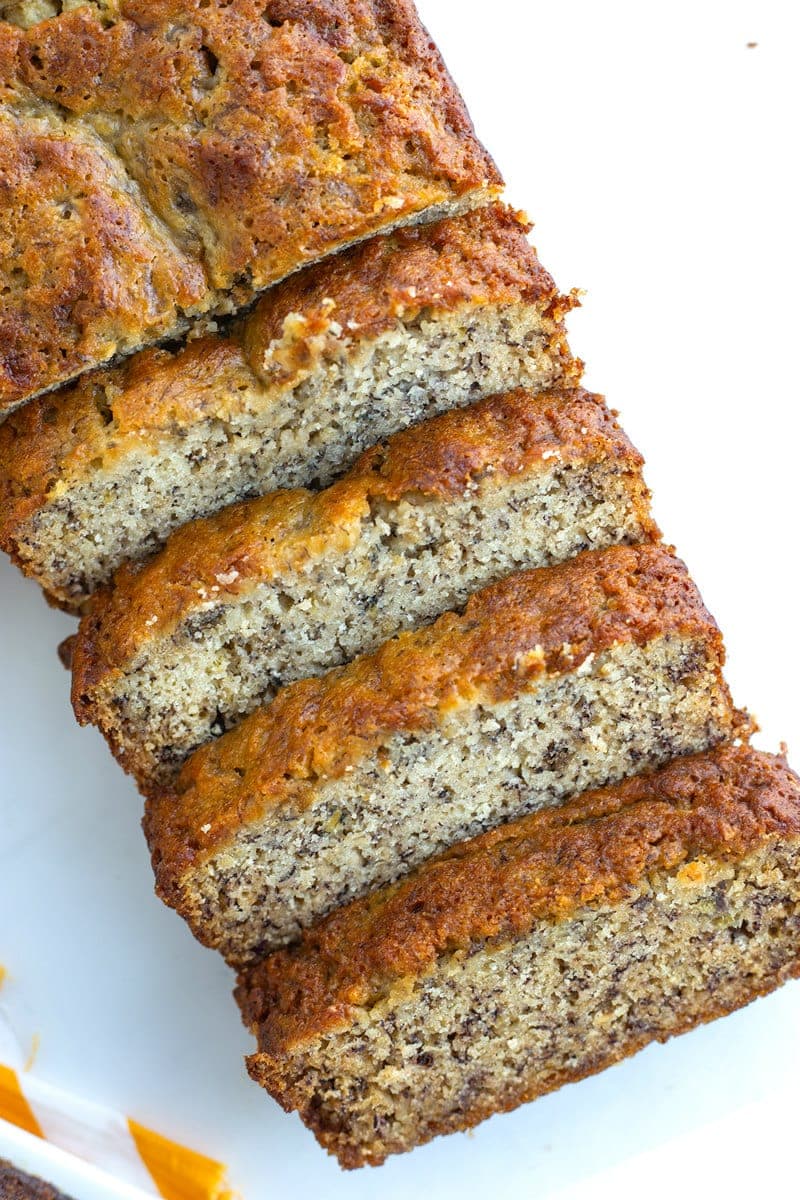
For more ideas, try our healthy dutch oven recipes chicken collection featuring nutritious twists. Looking for a soft, savory bread accompaniment? Check out this Bierock dough recipe perfect for pairing. For dessert after dinner, you‘ll love our moist banana bread recipe with oil and milk.
Conclusion
Mastering cast iron dutch oven chicken brings a reliable way to enjoy golden, juicy chicken with a crispy crust. This recipe balances hands-off baking with expert techniques that boost flavor and texture. Try it tonight and share your results or questions below or explore our related recipes to keep your oven adventures going strong.
FAQs
When is the best time to eat cast iron dutch oven chicken?
Cast iron dutch oven chicken is best enjoyed for lunch or dinner shortly after resting the meat post-cooking. Eating it warm maximizes its juicy texture and crispy skin, offering the best flavor and mouthfeel.
Can I use chicken parts instead of a whole chicken?
Yes, you can use chicken parts like thighs, breasts, or drumsticks. They may reduce cooking time, but be sure to adjust the temperature and duration accordingly. Always check for an internal temperature of 165F for safety.
How do I prevent the chicken skin from getting soggy?
Pat the chicken completely dry before seasoning, and avoid covering it during the initial high-heat baking phase. This dry heat crisps the skin. Only cover the chicken during the last roasting minutes to keep the meat moist without losing crispness.
Is it okay to use dried herbs instead of fresh?
Dried herbs can be used as a substitute at about one-third the quantity of fresh herbs. They still add flavor during baking, though fresh herbs provide a brighter aroma and taste when available.
Can I add vegetables to the dutch oven roast chicken recipe?
Yes, adding vegetables like potatoes, carrots, or onions around the chicken creates a complete meal. They roast evenly in the dutch oven and absorb delicious drippings from the chicken.