Introduction
Wondering how long to bake zucchini and squash at 350F for the best results? Getting the perfect tender texture without mushiness or dryness depends on baking time. This temperature offers a gentle heat that preserves flavor and nutrients. Whether you want a simple side or a base for a zucchini squash recipe, knowing the correct baking time makes your cooking effortless and tasty.
Baking zucchini and squash at 350F is a reliable oven baking vegetables method that works well for many dishes. It suits gluten-free baked zucchini fans and anyone seeking healthy, veggie-driven meals. Lets uncover the timing secrets to help your squash shine.
Key Highlights
Gentle Heat for Tender Texture
The baking time for zucchini and squash at 350 degrees allows slow, even cooking so the vegetables become tender without turning to mush. This gentle baking preserves delicate vitamins and antioxidants, giving you all the tender baked squash benefits. You enjoy creamy, moist vegetables with a hint of caramelization that elevates your plate.
Versatile and Flavorful
At 350F, roasting vegetables at 350 degrees develops a mild sweetness and subtle earthy aroma. These light flavors pair well with herbs, spices, and proteins from many cuisines. You can experiment with garlic, thyme, or even lemon for a bright finish.
Consider Fiber and Digestion
Baked zucchini and squash boost fiber chewability, which promotes digestion for most people. However, those with sensitive stomachs should watch quantities to avoid discomfort. Baking breaks down fiber gently but consult your doctor if you have gastrointestinal concerns.
Ingredients & Preparation
| Prep time | Cook time | Total time | Servings | Calories | Diet tags |
|---|---|---|---|---|---|
| 10 minutes | 2530 minutes | 3540 minutes | 4 | 80 per serving | Vegan, Gluten-Free, Dairy-Free |
Ingredients with Substitutions
- 2 medium zucchinis, sliced into -inch rounds (yellow squash or pattypan squash work well too)
- 2 medium summer squash, sliced into -inch rounds
- 2 tablespoons olive oil (avocado oil or light coconut oil are good alternatives)
- 1 teaspoon salt (sea salt preferred)
- teaspoon freshly ground black pepper
- Optional: 1 teaspoon minced garlic or teaspoon dried herbs such as thyme or oregano
Equipment Needed
A baking sheet or shallow roasting pan lined with parchment paper or a silicone mat makes cleanup easy. Use a sharp knife and a sturdy cutting board for uniform slicing. No special tools beyond a conventional oven are required.
Tips for Best Produce
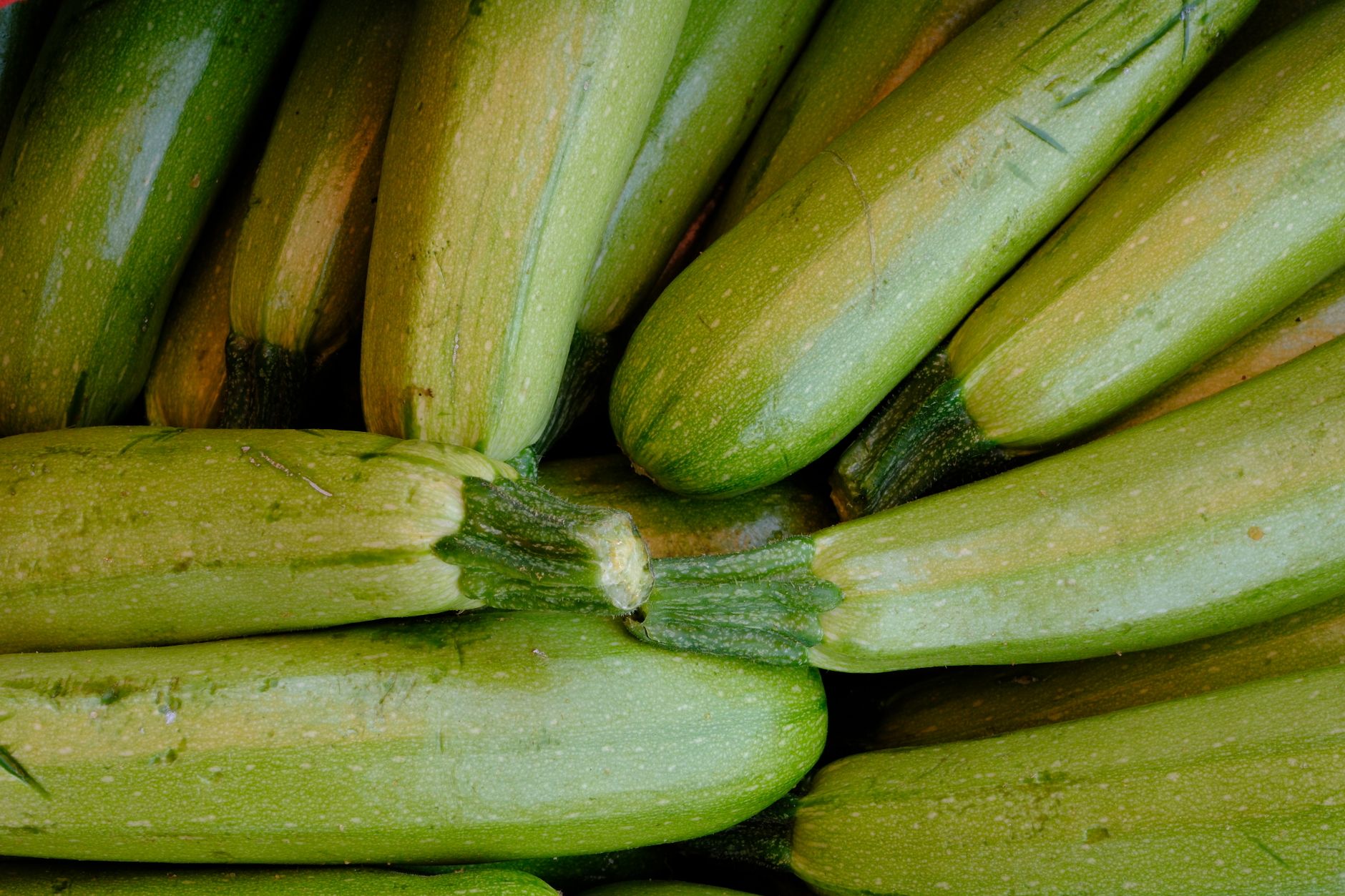
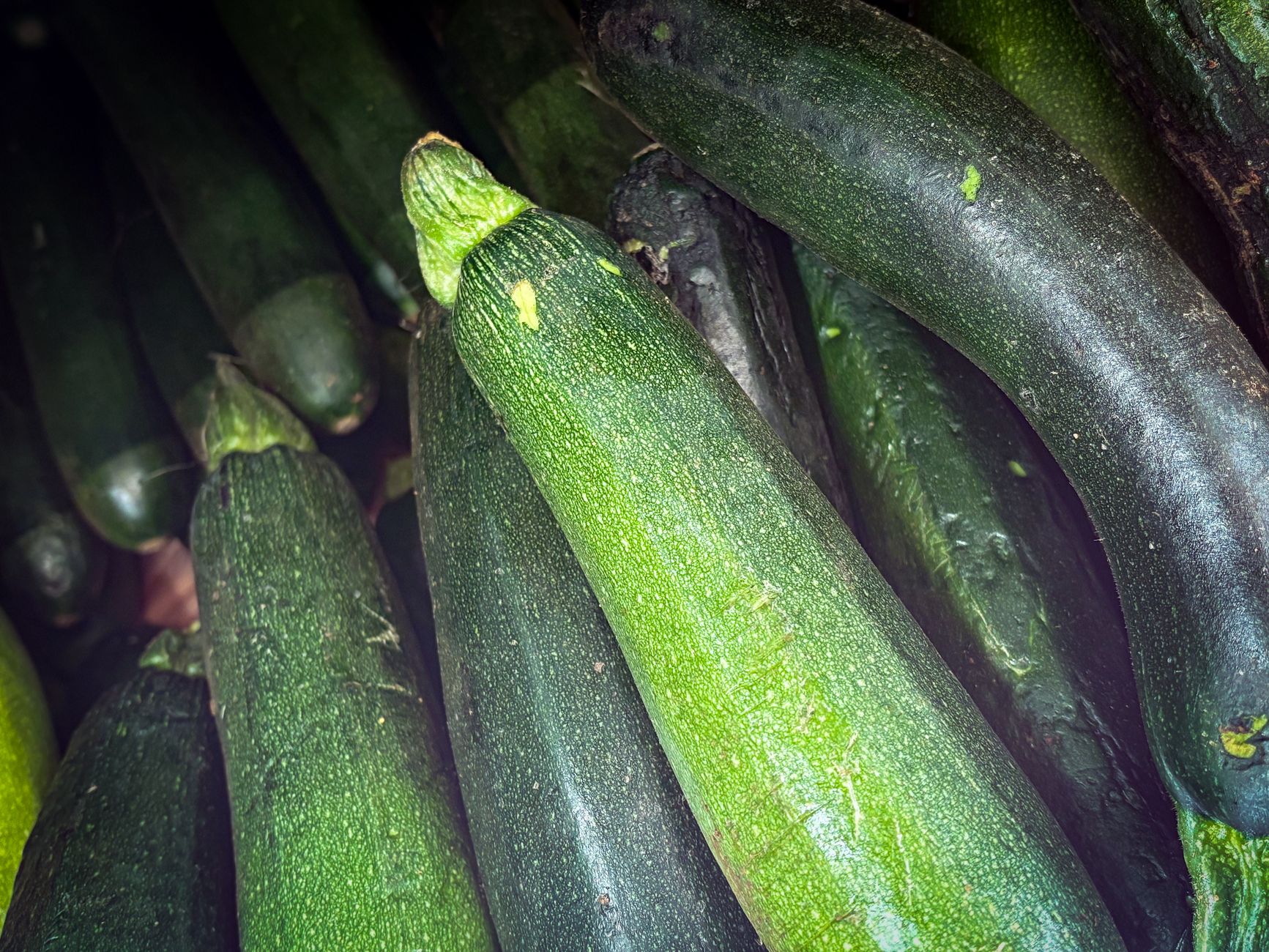
Choose firm, vibrant zucchinis and summer squash with smooth skins and no bruises. Fresher vegetables yield brighter colors and crisper textures after baking. Organic options add peace of mind but are optional.
Step-by-Step Instructions
Step 1 Prepare Vegetables Evenly
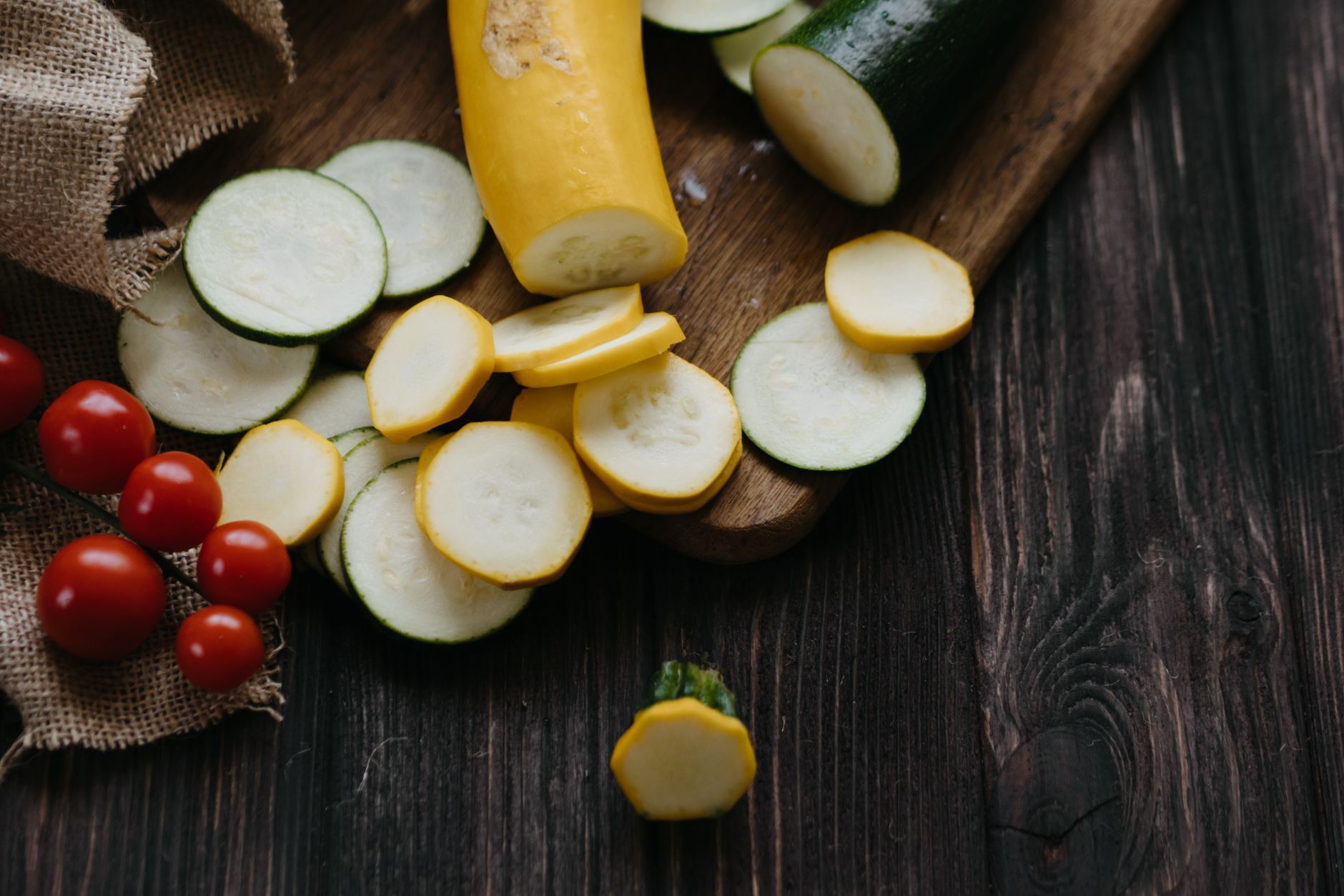
Rinse zucchini and squash under cold water. Trim the ends and slice into -inch rounds for uniform baking. Keeping thickness consistent prevents undercooked or overcooked squash issues. Peeling is optional, but thinner skins create better texture.
Step 2 Season and Bake at 350F for 2530 Minutes
Preheat your oven to 350F (177C). Arrange vegetable slices in a single layer on the baking sheet. Drizzle with olive oil, sprinkle salt, pepper, and optional garlic or herbs. Toss gently to coat. Bake uncovered for 25 to 30 minutes. Look for golden edges and softness. Avoid overcrowding it traps steam and softens veggies too much.

Step 3 Add Fresh Flavors if Desired
Once out of the oven, optionally sprinkle fresh herbs like parsley or basil. A squeeze of lemon juice brightens flavors and complements the natural sweetness. Hold back added salt if topping with salty cheeses or dressings.
Step 4 Serve or Store
Serve the zucchini and squash warm for the best texture. If saving leftovers, allow them to cool completely. Store in airtight containers in the refrigerator for up to 4 days or freeze for longer preservation.
Variations & Substitutions
Parmesan or Spice
For a crispy twist, sprinkle grated Parmesan cheese over the vegetables during the last 5 minutes of baking. If heat excites you, add red pepper flakes or cayenne before baking. These add dimension without overpowering natural veggie flavors.
Substitute Oils and Squash Types
Substitute olive oil with light coconut or avocado oil for a different aroma. Using all yellow squash creates a sweeter profile, while solely zucchini offers a mild, fresh taste. Avoid heavy oils that mask delicate nuances.
Sweet and Spicy Adjustments
For subtle sweetness, drizzle honey or maple syrup lightly over vegetables before baking. Adjust heat by increasing black pepper or chili powder in small increments until your preferred spice level develops.
Storage & Shelf Life
Refrigerator Storage
Store baked zucchini and squash in airtight containers or glass jars. Refrigerate for 3 to 4 days to maintain freshness and prevent spoilage. Retaining moisture inside the container keeps vegetables tender.
Freezer Storage
Freeze leftovers by first spreading slices on a tray to freeze individually, preventing clumping. After about 2 hours, transfer frozen pieces into a freezer-safe plastic bag. Use within 2 months for peak quality. Thaw overnight in the fridge before reheating.
Batch Prep Tips
Double the recipe easily by baking on two sheets simultaneously (rotating midway for even cooking). Use deep storage containers stacked safely in your fridge or freezer. Label with the date to track freshness.
Pro Tips & Troubleshooting
Prevent Sogginess
Space slices well on the sheet. Overcrowding traps moisture, causing steaming instead of roasting. This leads to soggy squash rather than crispy, flavorful edges. Baking at 350F requires airflow around each piece for the best texture.
Avoid Bitterness and Off Color
Squash can turn bitter if overbaked or if skins are thick. Trim tough skin before slicing to improve taste and appearance. If baked too long, the color dulls and flavor weakens; shorten baking by 5 minutes for better results.
Umami Boost with Nutritional Yeast
Sprinkle nutritional yeast just before serving for a cheesy, nutty flavor. This trick enhances the richness without adding dairy. It balances the natural sweetness and adds a gourmet touch, especially in zucchini squash recipes.
When is the best time to eat baked zucchini and squash at 350F?
Baked zucchini and squash taste best served warm, making them perfect for lunch or dinner side dishes. You can also enjoy cooled leftovers as a healthy snack anytime. Their tender, mild flavor complements a variety of meals throughout the day.
Can I make a big batch ahead of time?
Yes, you can bake larger quantities at once. Bake in separate trays to ensure even cooking and store in airtight containers. Refrigerate leftovers for up to 4 days or freeze for up to 2 months. Reheat in the oven to preserve texture.
Fresh zucchini or dried powder which is better for baking?
Fresh zucchini and summer squash provide moisture and texture essential for baking. Dried powder lacks the necessary water content and will not produce tender results. Fresh is best for oven baking vegetables method.
Is baking zucchini and squash at 350F safe for pregnant women and children?
Yes, this gentle cooking method is safe and healthy for most people including pregnant women and children. Baking preserves nutrients while reducing harmful bacteria. Check with your healthcare provider for specific dietary concerns.
How often can I eat baked zucchini and squash?
These vegetables can be eaten daily as part of a balanced diet. They provide fiber, vitamins, and minerals with low calories. Moderation in seasoning and oil usage helps keep meals healthy and flavorful.
Why does mine taste too bitter or too weak?
Bitterness often comes from overcooked thick skins, while weak flavor can result from under-seasoning or older squash. Using fresh produce and trimming thicker skins improves taste. Adjust seasoning to enhance flavor intensity.
What pairs well with baked zucchini and squash?
These veggies complement grilled chicken, fish, or pasta dishes well. They also blend nicely in grain bowls or with fresh herbs and citrus dressings, adding a light and refreshing component to meals.
More Recipes You Will Love
Check out how to grill squash in the oven for a smoky, caramelized twist on summer squash. For simple dinners, try Creamy vegetable pasta sauce, which pairs beautifully with zucchini. When camping, these Campfire veggies in foil offer cozy, flavorful nutrition away from home.
Conclusion
Knowing how long to bake zucchini and squash at 350F ensures tender, flavorful veggies that never turn soggy or dry. This straightforward timing standard lets you create simple, delicious sides anytime with confidence. Give this method a try and share your feedback or favorite seasoning combinations below. For more veggie inspiration, explore our roasted summer vegetables recipes.
FAQs
When is the best time to eat how long to bake zucchini and squash at 350?
Baked zucchini and squash at 350°F are best served warm, making them ideal as side dishes for lunch or dinner. They can also be enjoyed cooled as a healthy snack throughout the day.
Can I make a large batch of baked zucchini and squash ahead of time?
Yes, you can bake larger quantities using multiple trays for even cooking. Store leftovers in airtight containers refrigerated for up to 4 days or freeze for up to 2 months for later use.
Is it better to use fresh zucchini or dried powder for baking?
Fresh zucchini and summer squash are best for baking as they provide the necessary moisture and texture. Dried powder lacks water content and will not produce tender baked vegetables.
Is baking zucchini and squash at 350°F safe for pregnant women and children?
Yes, baking at 350°F is a safe, gentle method that preserves nutrients and reduces bacteria, making it suitable for most people, including pregnant women and children.
Why does my baked zucchini or squash taste bitter or weak?
Bitterness usually comes from overcooked thick skins, while weak flavor results from under-seasoning or older squash. Using fresh, trimmed produce and adjusting seasoning enhances taste and texture.