Looking for a fast, healthy dinner that feels indulgent? This vegetable pasta recipe gives you a colorful, nutrient‑packed bowl in under 30 minutes – no fancy techniques required.
Whether you crave an Italian‑style primavera, a creamy herb‑rich sauce, or a spicy Indian twist, the base method below lets you swap veggies and sauces in seconds, so you’ll never be stuck wondering “what should I make tonight?”
Core Ingredients
Pasta & Pantry Basics
Pick a shape you love – penne, farfalle, or classic spaghetti all work beautifully. Use a good quality durum wheat pasta for that perfect al dente bite. You’ll also need olive oil, sea salt, and freshly cracked black pepper. A splash of pasta water at the end helps the sauce cling.
Fresh Vegetables
Here’s my go‑to veggie mix that keeps the dish vibrant and crunchy:
- Red onion, thinly sliced
- Carrot, julienned
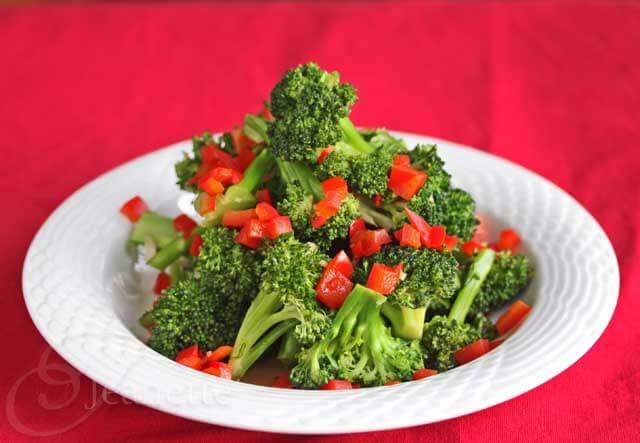
- Broccoli florets
- Red or yellow bell pepper, sliced into strips
- Zucchini, half‑moon cut
- Cherry tomatoes, halved
Feel free to toss in asparagus in spring or roasted butternut squash when the weather turns cooler.
Optional Add‑Ons
If you like a richer mouthfeel, add a handful of grated Parmesan, Pecorino, or nutritional yeast for a vegan twist. Toasted pine nuts or toasted pumpkin seeds give a pleasant crunch. For protein, chickpeas, tofu, or paneer (for an Indian spin) are fantastic.
Essential Tools (Experience Note)
You’ll need a large pot with a lid, a colander, a sturdy sauté pan, a wooden spoon, and a microplane if you plan to zest lemon for brightness.
Step‑by‑Step
1. Cook the Pasta
Bring a large pot of water to a rolling boil, add a generous pinch of sea salt, then the pasta. Cook 8‑10 minutes, stirring occasionally, until just a bite away from perfect. Reserve a cup of the cooking water, then drain.
2. Sauté the Veg
Heat two tablespoons of olive oil over medium‑high heat. Add the red onion first – it softens in about two minutes. Toss in carrots and bell pepper, stir for three minutes, then the broccoli and zucchini. Finish with cherry tomatoes; they only need a minute to release their juices.
3. Choose Your Sauce
Simple Tomato‑Herb (Italian Vegetarian Pasta)
Add minced garlic to the pan, sauté 30 seconds, then stir in a can of crushed tomatoes, a pinch of sugar, fresh basil, and oregano. Simmer for five minutes, then season with salt and pepper.
Creamy Vegetable (Creamy Vegetable Pasta)
Reduce the heat, pour in ½ cup of heavy cream (or coconut cream for dairy‑free), and a generous handful of grated Parmesan. Stir until the cheese melts and the sauce thickens, adding a splash of reserved pasta water if needed.
Indian‑Spiced Coconut (Vegetarian Pasta Recipes Indian)
Swap the tomato base for ½ cup coconut milk, then stir in cumin seeds, a pinch of garam masala, and ground turmeric. Let it bubble gently for three minutes, and finish with chopped cilantro.
4. Combine & Finish
Return the cooked pasta to the pan, toss everything together, and let the sauce coat each strand. If the mixture looks dry, drizzle a little more pasta water. Finish with a drizzle of extra‑virgin olive oil, a squeeze of lemon, and a sprinkle of fresh herbs.
Variations
Italian Classics
For a true pasta primavera recipe, use fresh peas, asparagus, and a handful of mint. The barefoot contessa version adds a splash of white wine before the tomatoes, giving it a subtle depth.
Budget‑Friendly
Need a simple vegetable pasta recipe with five ingredients? Use penne, frozen mixed veg, canned diced tomatoes, olive oil, and Parmesan. It’s a lifesaver on busy weeknights.
Global Twists
Give the dish an Indian flair by adding mustard seeds, curry leaves, and paneer cubes. For a Mediterranean spin, toss in olives, sundried tomatoes, and crumbled feta.
Seasonal Ideas (Experience)
Spring: add snap peas, fresh lemon zest, and a sprinkle of toasted almonds.
Summer: think corn, zucchini, and sweet basil.
Autumn: roasted squash, sage, and toasted walnuts bring cozy comfort.
Nutrition & Health
Macro Breakdown (per serving)
Calories: 420 kcal
Protein: 14 g
Carbohydrates: 68 g
Fat: 12 g (mostly from olive oil)
Fiber: 9 g
Micronutrients
Bell pepper supplies vitamin C, broccoli adds vitamin K and folate, while tomatoes bring lycopene, a powerful antioxidant. For exact numbers, you can check the data on USDA FoodData Central.
Balancing Benefits & Risks
Benefits: high fiber, plant‑based vitamins, low saturated fat (especially if you choose the dairy‑free sauce).
Risks: canned sauces can hide extra sodium; watch portion sizes of cheese if you’re monitoring calories.
Common Mistakes & FAQ
Why is my pasta mushy?
Overcooking is the culprit. Keep an eye on the timer and remember that pasta will continue to soften slightly when mixed with the hot sauce.
Can I use any pasta shape?
Absolutely! Though ridged shapes like rotini cling sauce better, smooth strands work fine too.
How do I make it vegan?
Swap Parmesan for nutritional yeast, use coconut cream for the creamy version, and keep the protein source plant‑based.
What’s the best way to store leftovers?
Cool the dish completely, then pack it in an airtight container. It lasts up to three days in the fridge. Reheat gently on the stove with a splash of water or broth to revive the sauce.
| Issue | Cause | Fix |
|---|---|---|
| Sauce too thin | Not enough pasta water | Add ¼ cup reserved water, stir |
| Veggies soggy | Oversteaming | Sauté on high heat, short time |
| bland flavor | Missing salt/acid | Finish with a squeeze of lemon |
Storage & Meal Prep
Freezing
Portion the cooled pasta into zip‑lock bags, flatten, and freeze. It holds up for about two months. Thaw overnight in the fridge and reheat with a splash of broth.
Reheating Without Drying
Use a skillet over medium heat, add a tablespoon of water or broth, and toss until steam revives the sauce. In the microwave, cover with a damp paper towel.
Turn Leftovers Into New Meals
Blend the leftover pasta with beaten eggs and bake for a hearty frittata. Or mix with a dollop of ricotta and bake as a casserole. A cold pasta salad with vinaigrette is perfect for picnics.
Expert Tips & Pro Tricks
Pasta Water Emulsification
The starchy water acts like a natural thickener, helping oil‑based or creamy sauces bind to the pasta. This little chemistry hack is why Italian chefs always reserve a cup.
Roast for Depth
Roasting the veggies (broccoli, carrots, bell pepper) at 425°F for 15 minutes before sautéing adds caramelized sweetness. For an even easier technique, try making vegetables in foil in oven for quick, mess‑free roasting. You’ll find the idea echoed in a Bon Appetit one‑pot summer vegetable pasta article.
Finish With Finishing Fat
A drizzle of high‑quality extra‑virgin olive oil or a knob of butter right before serving adds silkiness and a glossy finish.
Ingredient Sourcing
When possible, shop at a farmers market for the freshest, seasonal produce. If you rely on the grocery store, look for firm, brightly colored vegetables without limp stems.
Conclusion
This vegetable pasta recipe proves that a quick weeknight dinner can be both nourishing and exciting. Start with the basic method, then let your cravings guide you toward an Italian primavera, a creamy herb sauce, or a bold India‑spiced version. Experiment with seasonal veggies, add a pinch of your favorite cheese, and don’t forget the magic of pasta water. I hope you enjoy cooking it as much as I do and I’d love to hear which variation becomes your new family favorite. Share your twists, ask questions, and let’s keep the conversation going!
FAQs
How long does it take to prepare this vegetable pasta recipe?
The whole dish comes together in about 30 minutes, including cooking the pasta and sautéing the vegetables.
Can I use gluten‑free pasta for this recipe?
Absolutely—swap any regular durum wheat pasta for a gluten‑free variety and follow the same cooking times.
What can I use instead of heavy cream for a dairy‑free version?
Coconut cream, cashew cream, or a mixture of plant‑based milk with a thickener (like flour or arrowroot) work well for a creamy sauce.
Why are my vegetables turning mushy and how can I avoid it?
Sauté the veggies on medium‑high heat for a short time and keep them moving in the pan; they should stay crisp‑tender, not stewed.
What’s the best way to store leftovers and reheat them without drying out?
Cool the pasta, store in an airtight container in the fridge for up to 3 days. Reheat in a skillet with a splash of water or broth, or in the microwave covered with a damp paper towel.