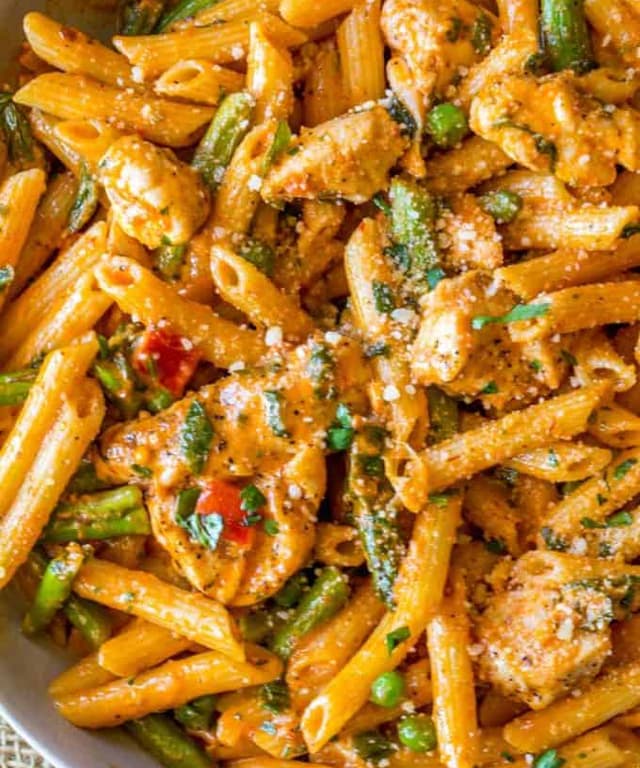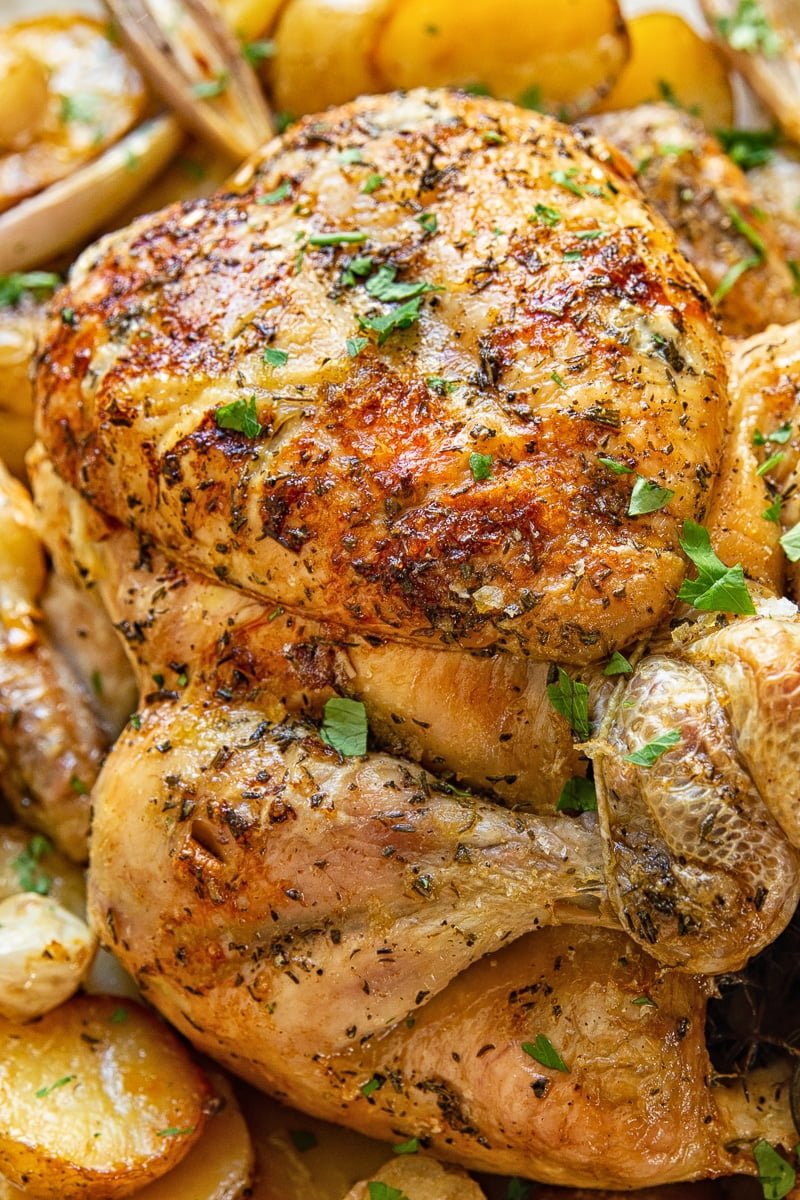
Both thyme and rosemary can turn a plain chicken dinner into something special, but they dont do the same thing. Thyme brings a gentle, earthy whisper that stays mellow even after a long simmer, while rosemary drops bold, piney notes that shine when you sear or roast at higher heat. Below youll find a friendly guide that matches each herb to the right cooking method, shares quick marinades, and even touches on the health side of thingsso you can pick the perfect herb without guessing.
Flavor Chemistry
Whats the flavor difference?
Think of thyme as the quiet friend who lets the conversation flow; its subtle, slightly floral taste lets other ingredients breathe. Rosemary, on the other hand, is the outspoken buddy who bursts onto the scene with a strong, resinous punch that can dominate if youre not careful.
Flavor Profile Chart
| Herb | Taste Intensity | Best Pairings | Heat Tolerance |
|---|---|---|---|
| Thyme | LowMedium | Lemon, garlic, white wine | All cooking methods, especially lowslow |
| Rosemary | MediumHigh | Lemon, olive oil, potatoes | High heat (roasting, pansear) |
How do they behave under heat?
Thymes essential oils are delicate; they survive long, lowheat cooking without turning bitter. Rosemary contains stronger volatile compounds that can become harsh if exposed to too much heat for too long. Thats why youll often see rosemary paired with quick sears or short roasts, while thyme thrives in soups, stews, and slowbaked dishes.
Science Snippet
According to a study from the USDA FoodData Central, the antioxidant capacity of rosemarys rosmarinic acid peaks when its lightly toasted, but declines sharply after prolonged exposure to high temperature.
When to Choose
When thyme shines
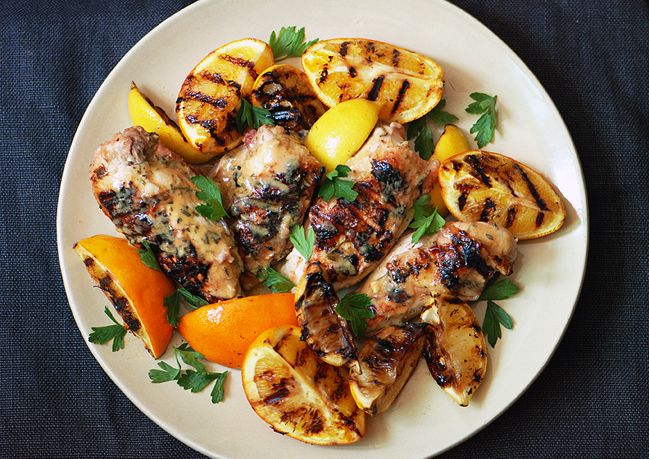
If youre planning a pan fried chicken with rosemary and thyme but want the herbs to work together, use thyme as the base. Its subtlety lets the chicken stay juicy while still adding that earthy depth. A quick squeeze of lemon at the end lifts everything.
Quick Recipe Example
PanFried Chicken with Thyme & Lemon 2 chicken breasts, 1 tsp dried thyme, 1 tbsp olive oil, juice of half a lemon, salt and pepper. Cook 45 minutes per side, deglaze with a splash of white wine, finish with fresh thyme leaves.
When rosemary takes the lead
For heartier disheslike roasted chicken with rosemary and thyme or rosemary thyme chicken thighsrosemary is the star. Its bold flavor cuts through the richness of dark meat and buttery potatoes, making it perfect for Sunday roasts.
Quick Recipe Example
OvenBaked Rosemary Chicken Thighs & Potatoes 4 bonein thighs, 2 tsp chopped fresh rosemary, 1 tsp thyme, 45 small potatoes, 2 tbsp olive oil, garlic, salt. Roast at 200C (400F) for 3540 minutes.
Best Cooking Methods
PanFried Chicken with Rosemary and Thyme
Start with a hot skillet, add a drizzle of oil, then toss in a sprig of rosemary and a pinch of thyme. As the chicken sizzles, the herbs release aroma without burning. Turn the chicken once, then baste with the herbinfused oil for extra flavor.
Tip Box
Dont dump whole sprigs into the pan; strip the leaves from the stems for even distribution and to avoid choking on woody bits.
OvenBaked Chicken Breast with Rosemary and Thyme
For lean breasts, coat them lightly with olive oil, sprinkle tsp each of dried rosemary and thyme, and bake at 190C (375F) for 2025 minutes. The dry heat locks in moisture while the herbs create a fragrant crust.
MiniTable: Cooking Time vs Herb Intensity
| Method | Time (minutes) | Herb Intensity |
|---|---|---|
| Pansear | 810 | Medium (rosemary) + low (thyme) |
| Roast (200C) | 3545 | High (rosemary) + medium (thyme) |
| Bake (190C) | 2025 | Medium (both) |
Roasted Whole Chicken, Potatoes & Herbs
Stuff a whole bird with a bundle of rosemary and thyme, drizzle with butter or oil, and roast at 180C (350F) for about 1 hours. The herbs infuse the skin, and the aromatics seep into the meat, creating that classic rosemary thyme chicken and potatoes aroma that fills the kitchen.
RealWorld Anecdote
I once followed a Reddit users Scarborough Fair blendparsley, sage, rosemary, and thymeinside a roasted chicken. The result was a fragrant, herbcrowned bird that made my family think Id hired a professional chef.
Marinades & Rubs
Simple Herb Marinade
Mix cup olive oil, 2 minced garlic cloves, the zest of one lemon, 1 tsp dried thyme (or rosemary), and a pinch of salt. Marinate chicken for at least 30 minutes, up to 24 hours. The acid tenderizes while the herb flavor penetrates.
Bullet List: Quick Prep
- Combine ingredients in a ziptop bag.
- Add chicken, seal, and shake.
- Refrigerate30min to 24hrs.
- Pat dry before cooking for a crisp crust.
Creamy Rosemary and Thyme Chicken
After searing chicken thighs, deglaze the pan with a splash of chicken broth, then stir in cup heavy cream, 1 tsp each of chopped rosemary and thyme, and a pinch of black pepper. Simmer until thickenedperfect over rice or mash.
Nutrient Note
If you prefer a lighter sauce, swap the heavy cream for Greek yogurt or a plantbased alternative; the herb flavor remains strong while cutting calories.
Dry Rub vs. Wet Rub Which works better?
Dry rubs give a concentrated crust, while wet rubs (marinades) allow deeper penetration. For rosemary thyme chicken thighs, a dry rub of equal parts rosemary, thyme, salt, and smoked paprika creates a savory bark. For creamy rosemary and thyme chicken, a wet rub makes the meat juicier before cooking.
Comparison Table
| Rub Type | Texture | Flavor Depth | Best For |
|---|---|---|---|
| Dry | Crunchy crust | High (surface) | Thighs, legs |
| Wet | Moist interior | MediumHigh (penetrates) | Breasts, tenderloins |
Health Benefits
Nutritional Highlights
Both thyme and rosemary are rich in antioxidants like carvacrol (thyme) and rosmarinic acid (rosemary). These compounds help combat oxidative stress and support the immune system. The NIH lists thyme as providing 3.5mg of vitamin C per teaspoon, while rosemary offers a modest amount of iron.
Potential Downsides
Rosemarys strong essential oils can irritate sensitive stomachs if you overdo it. Thyme may interact with bloodthinners such as warfarin because of its vitamin K content. A safe rule of thumb is to stay under 1tsp of dried herb per serving for most adults, unless youve been advised otherwise by a health professional.
Fresh vs Dried Herbs
Flavor Potency
Fresh herbs burst with volatile oils that evaporate quickly, while dried herbs concentrate those oils but lose some brightness. As a rule, 1tbsp fresh = 1tsp dried. If youre swapping, adjust the quantity to avoid overpowering the dish.
Storage Hacks
Keep fresh rosemary and thyme in a glass jar with a little water, covered loosely with a plastic bag in the fridge. For dried herbs, store in airtight containers away from light and heat. A quick sniff testif the aroma feels muted, the herb has lost potency.
Checklist
- Smell it: bright aroma = good.
- Color: vibrant green (fresh) or deep brown (dry).
- Touch: crumbly, not powdery (dry).
Common Mistakes
Can I use both herbs together?
Absolutely! A classic blend uses 2 parts thyme to 1 part rosemary. This ratio balances thymes subtlety with rosemarys boldness without one overwhelming the other.
Why does my rosemary taste bitter?
Overcooking or using the woody stems can cause bitterness. Stick to the soft needlelike leaves, and remove rosemary from the pan a minute before the end of cooking if you sense it getting too intense.
How long can a herbmarinated chicken sit?
Up to 24hours in the refrigerator is safe. Beyond that, the texture can become mushy, and any risk of bacterial growth rises.
Do the herbs work better on dark vs. white meat?
Rosemary loves dark meat (thighs, drumsticks) because its robust flavor matches the higher fat content. Thyme pairs beautifully with white meat (breasts, tenderloins) where its subtle notes can shine without being masked.
Quick Cheat Sheet
Decision Matrix
| Dish Type | Best Herb | Method | Recommended Blend |
|---|---|---|---|
| Chicken Breast | Thyme | Pansear / bake | Thyme 1tsp + lemon zest |
| Chicken Thighs | Rosemary | Roast / grill | Rosemary 1tsp + garlic |
| Whole Roast | Both | Slow roast | Rosemary 1tsp + thyme 2tsp, inside cavity |
| Potatoes & Veg | Rosemary | Roast | Rosemary 1tsp + olive oil |
Downloadable Cheat Sheet
Consider offering a printable PDF of this matrix for your kitchen drawernothing beats a quick glance when youre deciding what to cook tonight.
Conclusion
Thyme gives you a gentle, earthy hug thats perfect for quick panfries, creamy sauces, and lean chicken breasts, while rosemary delivers a bold, piney punch that makes roasted thighs, whole birds, and potatopacked meals unforgettable. By matching the herb to the cooking method, respecting the right amount, and keeping an eye on your own health needs, youll enjoy restaurantlevel flavor without the guesswork. Give one of the simple recipes above a try, experiment with the herb blend, and see which side of the herb ladder you prefer. Happy cooking, and may your kitchen always smell amazing!
FAQs
Can I use both thyme and rosemary together on chicken?
Yes. A classic blend of about 2 parts thyme to 1 part rosemary balances the subtle earthiness of thyme with the bold, piney notes of rosemary without one overpowering the other.
Which herb works best for chicken breasts versus thighs?
Thyme pairs nicely with lean chicken breasts, offering a gentle flavor that doesn’t mask the meat. Rosemary shines on dark meat like thighs and drumsticks, where its stronger profile complements the higher fat content.
How long can I marinate chicken with thyme or rosemary?
Marinating for 30 minutes up to 24 hours in the refrigerator is safe. Longer than 24 hours may make the texture mushy and increase the risk of bacterial growth.
Does dried thyme work as well as fresh thyme?
Dried thyme is more concentrated; use 1 teaspoon dried for every 1 tablespoon fresh. It holds up well in slow‑cooked dishes, while fresh thyme adds bright aroma to quick‑sautéed meals.
What health benefits do thyme and rosemary provide?
Both herbs are rich in antioxidants—thyme contains carvacrol and rosemary supplies rosmarinic acid. These compounds help fight oxidative stress and support immune health, but use them in moderation to avoid stomach irritation or interactions with blood thinners.