Need gochujang but the pantry only holds a jar of sambal oelek? Youre not alone. The good news is that with a splash of maple syrup and a spoonful of miso, you can whip up a surprisingly spoton gochujang standin in under five minutes. Below youll find why this combo works, how to tweak it for favorite Korean dishes, and a handful of alternative swaps for those moments when youre missing one of the ingredients.
Why Sambal Works
What makes gochujang unique?
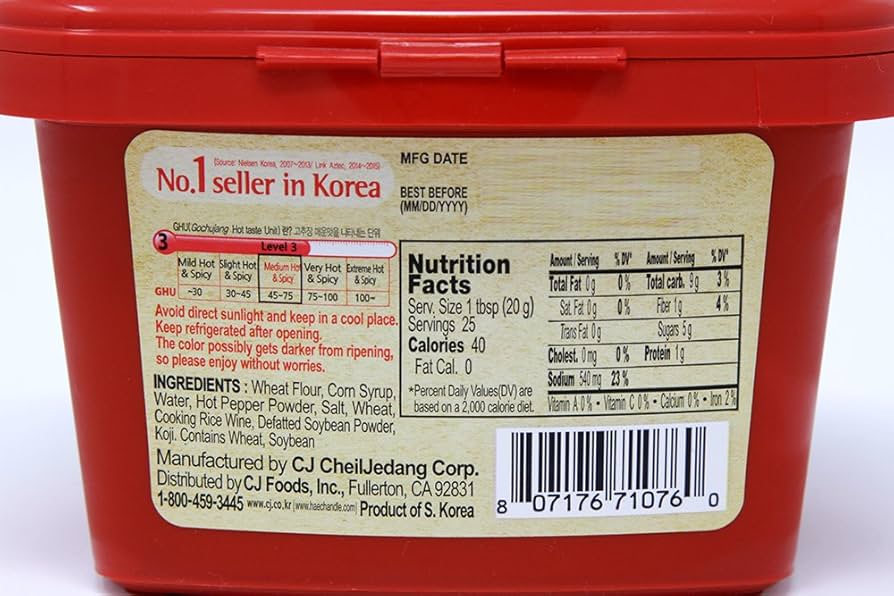
Traditional gochujang is a fermented powerhouse. It blends soybeans, rice starch, fermented wheat, and a measured dose of sweeteners, then ages for months. This process builds a deep umami backbone, a gentle sweetness, and a mediumheat kick that feels warm rather than scorching. Those flavors are the secret sauce behind bibimbaps glossy coat and tteokbokkis sticky red glaze.
How does sambal oelek differ?
Sambal oelek is basically crushed red chilies, a splash of vinegar, and salt. Its fresh, bright, and definitely heatfocused, but it lacks the sweet, fermented depth of gochujang. Think of it as the raw cousin that needs a little seasoning school to graduate to gochujanggrade.
The science behind the quickmix fix
Adding maple syrup introduces the missing sweetness and a caramellike richness that mimics the rice starch component. Miso paste (white or red) brings a salty, fermented umami that fills the gap left by gochujangs centuriesold fermentation. Together, they turn a bright, sharp sambal into a balanced, slightly sweetsavory paste that behaves much like the real thing.
According to a Korean culinary professor at , the combination recreates the essential flavor triadsweet, salty, and umamiwhile preserving the signature heat of gochujang. For an ataglance guide to using this mix across recipes, see our printable cheat sheet that summarizes ratios and dish tweaks.
Core Mix Recipe
Ingredients (metric & US)
- cup (60ml) sambal oelek
- 1Tbsp (15ml) pure maple syrup
- 1Tbsp (15ml) miso paste (white or red)
Stepbystep instructions
- In a small bowl, whisk the miso and maple syrup together until smooth.
- Gradually stir in the sambal oelek, tasting as you go.
- If the mixture feels too thick, add a teaspoon of water; if its too salty, balance with a little more maple syrup.
- Transfer to a clean, airtight jar and refrigerate. It keeps for up to two weeks.
Troubleshooting (quick fixes)
Too salty? Add an extra drizzle of maple syrup or a pinch of sugar.
Need less heat? Dilute with a teaspoon of neutral oil or a splash of rice vinegar; the acidity will mellow the spiciness.
Vegan version? Use a vegan miso (most white misos are already vegan) and pure maple syrupno animal products needed.
DishSpecific Tweaks
| Dish | Traditional Gochujang Amount | SambalMix Ratio | Flavor Tweaks | Why It Works |
|---|---|---|---|---|
| Bibimbap | 2Tbsp | 2Tbsp mix + tsp toasted sesame oil | Add a pinch of sugar & 1tsp gochugaru | Balancing sweetnutty notes with a hint of Korean chili flakes. |
| Tteokbokki | 3Tbsp | 3Tbsp mix + 1tsp soy sauce | Stir in tsp extra Korean chili flakes for extra heat | Creates the glossy, sticky sauce that clings to rice cakes. |
| Korean BBQ Marinade | 4Tbsp | 4Tbsp mix + 2Tbsp soy + 1Tbsp honey | Add garlicpowder & grated ginger | Provides the classic sweetsavory glaze on grilled meats. |
| NonSpicy Substitute | 0 (omit) | cup sambal oelek + 2Tbsp maple + 2Tbsp miso + 1tsp sweet paprika | Replace sambal with roasted redpepper puree | Keeps umami without the heat. |
Nonspicy gochujang alternative
If the heat is a dealbreaker, simply swap the sambal oelek for roasted redpepper puree (or even ketchup) and keep the maplemiso base. The result is a mellow, umamirich paste that works great in sauces for picky eaters or in veggie stirfries.
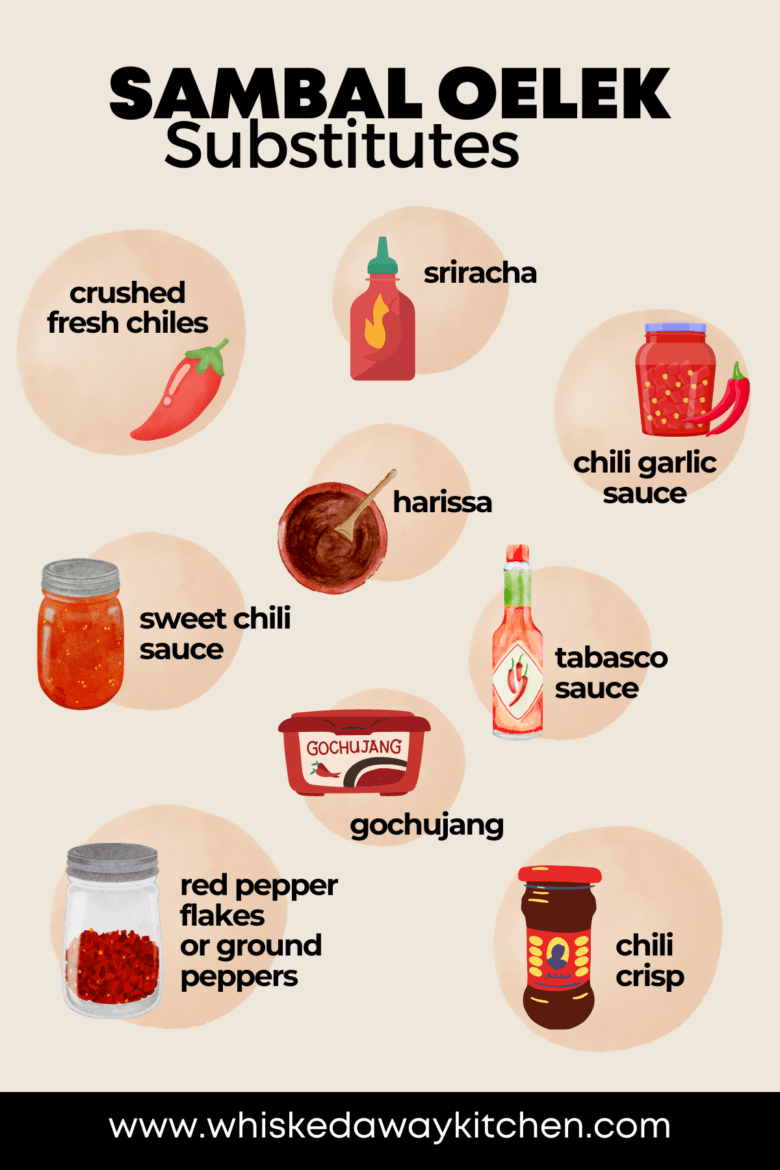
Other Substitutes
Five easy alternatives
- Miso + Cayenne Powder high umami, heat easy to control.
- Thai Chili Paste + Sugar bright, aromatic, slightly sweeter.
- Hot Sauce + Soy + Brown Sugar pantryfriendly, less depth.
- Fermented Bean Paste + Sriracha close to authentic flavor.
- Homemade Fermented Soy + Chili Flakes requires time but most authentic.
How they stack up vs. Sambal mix
| Substitute | Taste | Heat | Prep Time | Closest to Gochujang |
|---|---|---|---|---|
| Sambal + Maple + Miso | Sweetsaltyumami | Medium | 5minutes | High |
| Miso + Cayenne | Umamispicy | Variable | 2minutes | Medium |
| Thai Chili + Sugar | Bright & sweet | Mediumhigh | 3minutes | Low |
| Hot Sauce + Soy + Brown Sugar | Vinegarysweet | Medium | 1minute | Low |
| Fermented Bean + Sriracha | Deep umami | Medium | 5minutes | High |
Gochujang vs Sambal
Flavor radar (visual suggestion)
If you picture a radar chart with five axessweet, salty, umami, smoky, heatyoull see gochujang scoring high on sweet and umami, moderate on smoky, and medium on heat. Sambal oelek spikes on heat and smoky, but sits low on sweet and umami. The quickmix adds the missing sweetumami points, bringing the two charts much closer together.
Nutritional snapshot
According to the USDA FoodData Central, a tablespoon of traditional gochujang contains roughly 20 calories, 2g sugar, and 320mg sodium. Our sambalmix version is comparable: about 22 calories, 2g sugar (from maple), and 300mg sodium (thanks to the miso). The differences are minimal, making the substitute a safe swap for most diets.
When to choose one over the other
- Dish type: For bibimbaps bright coating, the swap works beautifully. For a simmering stew where the flavor needs to meld for hours, authentic gochujang still reigns.
- Dietary restrictions: If youre avoiding fermented soy, a nonspicy, mapleonly version sidesteps that concern.
- Ingredient availability: When youre on the road or in a Western grocery store, sambal oelek is often easier to find than gochujang.
Quick Cheat Sheet
Download a onepage PDF that sums up everything you need:
- Core recipe ratios (sambal, maple, miso)
- Dishspecific tweaks for bibimbap, tteokbokki, and BBQ
- Comparison table of five easy substitutes
Just click the link below to grab the cheat sheet and keep it handy in your kitchen drawer.
Conclusion
Whether youre staring at an empty gochujang jar or just love the idea of improvising with pantry staples, the sambal oelek+maple syrup+miso combo gives you a reliable, flavorful standin in minutes. By understanding the three pillars of gochujangsweet, umami, and heatyou can tweak the mix for everything from bibimbap to tteokbokki, or even create a nonspicy version for the kids. Give it a try, experiment with the tweaks, and let us know how your dishes turn out. Your next Korean feast might just start with a simple spoonful of this quick mix.
FAQs
Can I use any type of miso for the gochujang substitute?
Yes. White miso gives a milder, sweeter flavor, while red miso adds deeper umami and a slightly salty bite. Choose based on your taste preference.
How long does the sambal‑oelek gochujang mix keep in the fridge?
Stored in an airtight jar, it stays fresh for up to two weeks. Stir before each use; the flavors may meld and become a bit richer over time.
Is this substitute vegan?
Absolutely. Use a vegan miso (most white misos are vegan) and pure maple syrup, and you’ll have a completely plant‑based alternative.
What can I do if the mixture is too spicy for my dish?
Thin it with a teaspoon of neutral oil or a splash of rice vinegar. Both will mellow the heat while adding a subtle roundness.
Can I replace the maple syrup with another sweetener?
Sure. Honey, agave nectar, or brown sugar work well, but keep in mind that each will bring its own flavor nuance to the final paste.