Quick Answer Snapshot
What is a bolete mushroom? Its a fleshy, porebearing fungus that grows on the forest floor, best known in the culinary world as the prized porcini (Boletus edulis).
Is it safe to eat? Most boletes are edible, but a few toxic cousins hide among them. Proper identification is the key to enjoying them without a stomachache.
How do I cook it? Slice, saut with a little butter, or toss into a hearty soupits nutty flavor shines when you keep the preparation simple.
What Is Bolete Mushroom
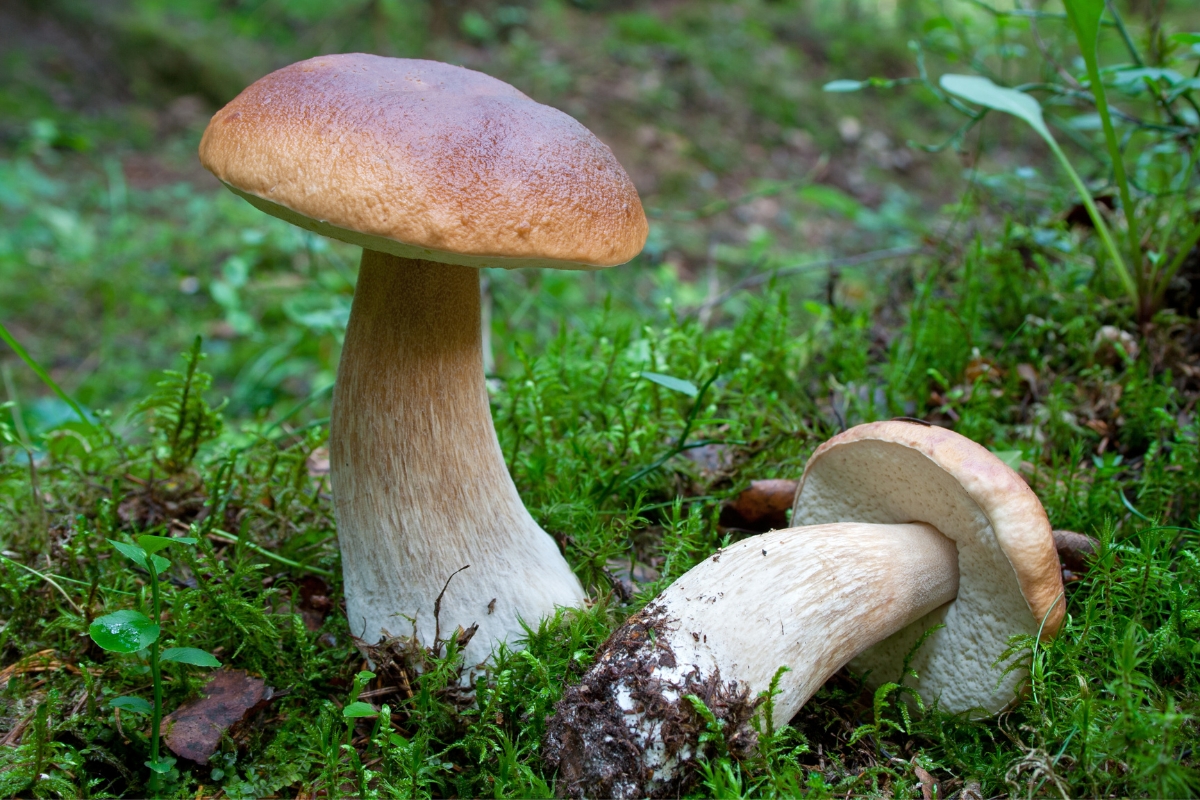
Boletes belong to the order Boletales, a big family that includes genera like Boletus, Leccinum, and Suillus. The group gets its name from the spongelike pores under the cap instead of the usual gills you see on many mushrooms.
Definition & Taxonomy
In scientific terms, a bolete mushroom is any species with a fleshy, centrally placed stem and a spongy pore surface. The most celebrated member is the porcini mushroom, a.k.a. king bolete, prized for its deep, nutty flavor.
Key Physical Traits
- Cap: Usually smooth to slightly scaly, ranging from brownorange to deep mahogany.
- Pores: Tiny tubes on the underside that start yellowgreen and darken to brown with age.
- Stem: Thick, often with a reticulate (netlike) pattern or a subtle ring.
- Smell: A pleasant, earthy aromathink fresh forest floor.
Ecology & Habitat
Boletes are mycorrhizal, forming a partnership with tree roots (pine, oak, birch). Youll typically find them in summertoautumn woodlands, especially in leaflitter rich spots.
Why They Matter
Beyond being a gourmet delight, bolete mushrooms pack protein, Bvitamins, selenium, and antioxidants. Theyre a nutritious addition to any dietif you know which ones to pick.
How To Identify Boletes
StepbyStep ID Checklist
Heres a quick, friendtofriend cheat sheet the next time you wander under the canopy:
- Look at the cap texture and colour.
- Flip the mushroomexamine the pores. Do they bruise blue? Do they change colour as they age?
- Inspect the stem. Is it smooth, reticulate, or does it have a ring?
- Give it a whiff. A nutty scent is a good sign; a fishy or sour odor means nope.
Edible Boletes to Know
| Common Name | Scientific Name | Key Feature |
|---|---|---|
| King/Porcini | Boletus edulis | Brown cap, yellow pores, strong nutty aroma |
| Birch Bolete | Leccinum scabrum | Scabrous stem, orangebrown cap |
| Slippery Jack | Suillus luteus | Sticky, brownish cap, yellow pores |
Toxic LookAlikes
| Name | Why Its Dangerous | Warning Sign |
|---|---|---|
| Devils Bolete | Causes severe GI distress | Redorange pores, reddish stem, bitter taste |
| Rubroboletus spp. | Potentially toxic, can cause vomiting | Blue bruising, pinkish pores |
| Gyrodon spp. | Often causes stomach upset | Decurrent pores (run down the stem) and a mildewy smell |
ID Pictures & Visual Aids
When youre out in the woods, a quick glance at MushroomExpert.com can help you compare your find with clear photos. Keep a folded field guide or a phone app handy for those Is this one safe? moments.
Field Test: Taste & Spore Print
A tiny taste (dont swallow) can reveal bitternessusually a sign to set the mushroom aside. For a spore print, place the cap gillside down on white paper; a yellowolive print often points to edible boletes.
When in Doubt
If the pores are red, the flesh tastes bitter, or the mushroom has a metallic odor, walk away. Better safe than sorry, right?
Harvesting, Storing, Preparing
Best Harvest Time
Morning after the dew has evaporated is prime time. The caps are still firm, and the pores havent started to soften.
Cleaning & Trimming
Give the caps a gentle brush to get rid of soilno need to soak them; mushrooms are like sponges and will soak up water, making them soggy.
ShortTerm Storage
Slip them into a paper bag, then tuck the bag in the fridge (24C). Theyll stay fresh for about five days. Avoid plastic bags; they trap moisture and turn the caps mushy.
LongTerm Preservation
- Freezing: Slice, blanch for 2minutes, then spread on a tray. Once frozen, transfer to a ziplock bag.
- Drying: Use a dehydrator or a lowheat oven (45C). Dried boletes rehydrate beautifully in soups.
Safety Reminder
Before you cook, give the stored mushrooms a quick lookover. Dark spots or a sour smell mean theyve gone baddiscard them.
Tasty Bolete Recipes
Simple Saut
Heat a splash of butter, add minced garlic and a pinch of thyme, then toss sliced boletes for 5minutes. Finish with a splash of white wine and a sprinkle of fresh parsley. Serve over crusty bread for a quick snack.
Porcini Risotto
Rehydrate dried porcini in warm water; the soaking liquid becomes a flavorpacked broth. Stir Arborio rice, the broth, a knob of butter, and grated Parmesan until creamy. The result? A silksmooth risotto that tastes like the forest itself.
Bolete Soup
Start with a basic vegetable stock, add diced carrots, celery, and onion. Drop in sliced boletes, simmer until tender, then swirl in a touch of cream. Garnish with chives for a comforting bowl on a chilly evening.
Vegan Bolete Stroganoff
Swap the traditional beef for smoked tofu, use coconut cream instead of dairy, and season with paprika and a dash of soy sauce. The earthy mushrooms give the sauce depth that even meatlovers appreciate.
Nutritional Snapshot
According to WebMD, a cup of sliced fresh boletes delivers roughly 5g of protein, 2g of fiber, and a good dose of Bvitaminsmaking them a hearthealthy addition to any plate.
Common Questions Answered
How do you pronounce bolete?
Its spoken BOlihtee (blti). Say it out loudyoull sound like a true forager.
Are any bolete mushrooms psychedelic?
Nope. Psychedelic mushrooms belong to the Psilocybe genus. Boletes contain no psilocybin, so theyre not hallucinogenic.
Can a bluebruising bolete be eaten?
Some edible boletes, like the king bolete, bruise blue when handledtotally fine. But if the blue is intense and the flesh turns a vivid cobalt, its safer to assume toxicity and put it back.
Is a porcini the same as a bolete?
Porcini is the common name for Boletus edulis, the most soughtafter bolete. So, yesevery porcini is a bolete, but not every bolete is a porcini.
Whats the difference between bolete and suillus?
Suillus is a genus within the bolete family. Suillus mushrooms often have sticky caps and a distinct, slightly oily feel. Theyre edible but have a different texture compared to a classic porcini.
Benefits Versus Risks
Nutritional Benefits
Boletes are low in fat, high in protein, and packed with antioxidants that help combat oxidative stress. They also provide selenium, a mineral important for immune function.
Potential Risks
The biggest danger is misidentification. Consuming a toxic lookalike can cause anything from mild nausea to severe gastrointestinal distress. Thats why the identification checklist is nonnegotiable.
Safe Foraging Practices
- Never go alone the first few timespartner with an experienced forager.
- Carry a reliable field guide or a trusted app.
- Always doublecheck multiple characteristics before harvesting.
- If youre ever unsure, leave the mushroom where it is.
Disclaimer
This guide is for informational purposes only. When in doubt, consult a local mycological society or a professional mycologist before eating any wild mushroom.
About The Author
Im Alex, a lifelong mushroom enthusiast and certified mycologist who has spent a decade roaming forests from the Pacific Northwest to the Italian Alps. My passion turned into a blog where I share field tips, tasty recipes, and sciencebacked insights. When Im not hunting boletes, youll find me experimenting in the kitchen or writing for culinary magazines.
Conclusion
Bolete mushrooms are a treasure trove of flavor, nutrition, and forestside adventure. By mastering a few core ID cuescap texture, pore colour, stem pattern, and smellyou can safely enjoy the nutty delight of king boletes and their tasty relatives. Remember to store them properly, keep preparations simple, and always respect the line between edible and toxic. With the right knowledge, every walk in the woods can turn into a culinary quest. Got a favorite bolete recipe or a foraging story? Id love to hear itlets keep the conversation alive!
FAQs
How can I tell if a bolete mushroom is edible?
Check the cap color, pore surface, stem texture, and smell. Edible species usually have brown‑orange caps, yellow‑green pores that darken with age, a reticulate or smooth stem, and a pleasant earthy aroma. Avoid any bolete with red or blue bruising, a bitter taste, or a fishy odor.
Do all blue‑bruising boletes indicate toxicity?
No. Some edible boletes, like the king bolete (Boletus edulis), bruise blue harmlessly. However, intense or rapid blue staining combined with other warning signs (red pores, bitter taste) can signal a toxic species, so always verify with multiple characteristics.
What’s the best way to store fresh bolete mushrooms?
Place them in a paper bag and keep them in the refrigerator (around 4 °C). The paper absorbs excess moisture and prevents the caps from becoming soggy. They stay fresh for about five days.
Can I freeze or dry boletes for later use?
Yes. For freezing, slice and blanch the mushrooms for 2 minutes, then freeze on a tray before transferring to a zip‑lock bag. For drying, use a dehydrator or a low‑heat oven (45 °C) until completely dry; rehydrate in warm water before adding to soups or sauces.
Are bolete mushrooms suitable for vegans?
Absolutely. Their rich, nutty flavor works well in vegan dishes like stroganoff, risotto, or creamy soups. Use plant‑based fats such as butter or coconut oil, and add nutritional yeast or vegan cheese for extra umami.