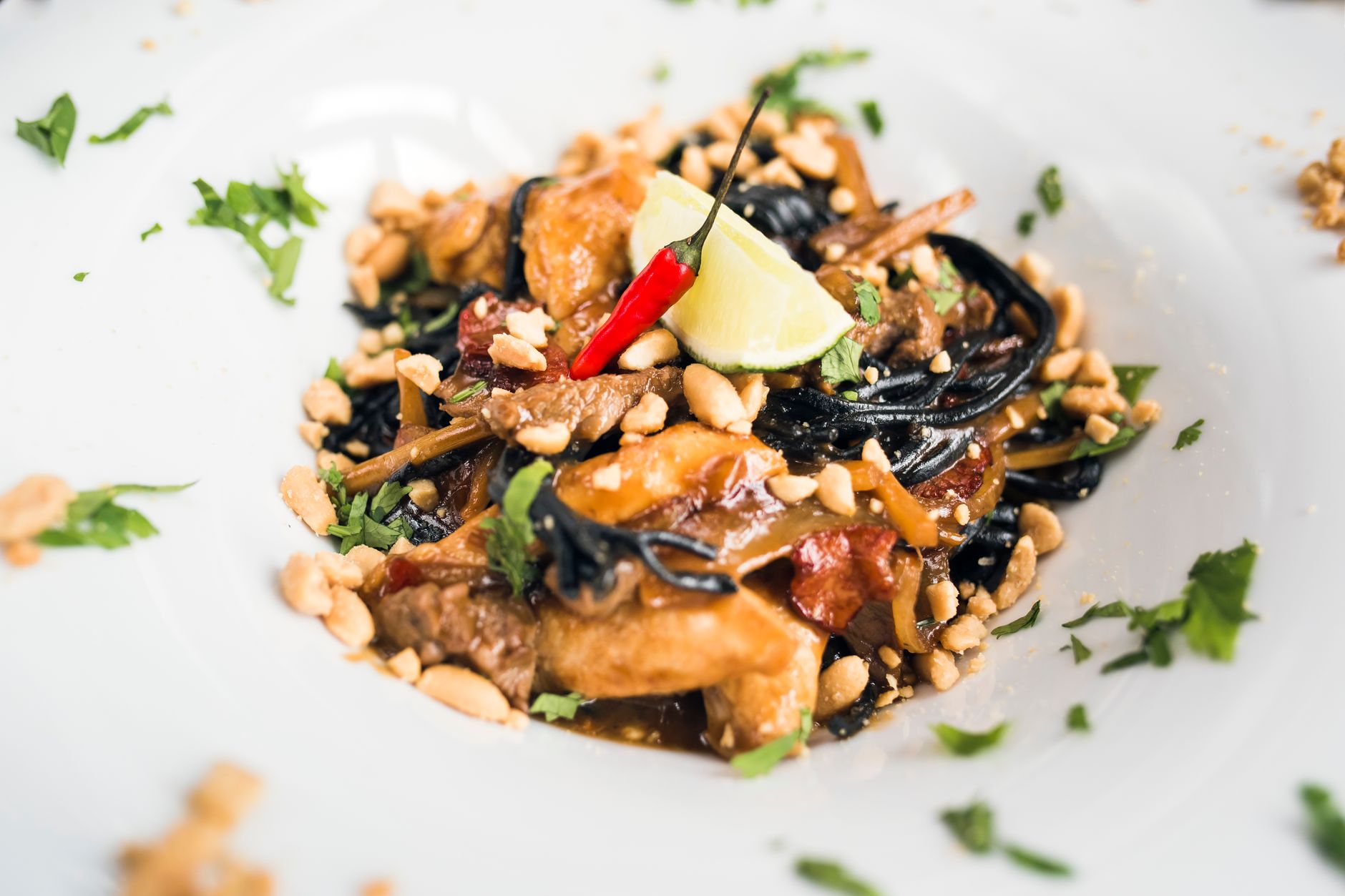
Yes you can whip up a silky, spicy pasta by whisking gochujang into milk, and its ready in under 20minutes. Whether youre dairyloving, vegan, or just looking for a quick flavor kick, this recipe delivers the heat of Korean chili paste and the comfort of a creamy sauce without any heavy cream.
Why Milk Matters
What does milk do for a gochujang sauce?
Milk acts like a natural emulsifier. When you stir it into the thick, fermented gochujang, it smooths out the paste, turning a potentially gritty glaze into a velvety coating that clings to every noodle. The lactose (or plantbased sugars) also softens the sharp, salty bite of the chili paste, giving you that gentle heat you can actually enjoy after the first bite.
Is it safe to pair dairy with fermented gochujang?
Absolutely. Both dairy and gochujang are stable at the gentle simmer temperatures we use (around 9095C). The only thing to watch out for is lactose intolerance if youre sensitive, swap dairy for oat, almond, or soy milk and youll get the same creamy result.
Can I use coconut milk instead of dairy or plant milk?
Sure thing. Coconut milk adds a richer mouthfeel and a whisper of tropical sweetness that pairs surprisingly well with the umami of gochujang. Just keep an eye on the sauces thickness; coconut milk can thicken quickly, so you may need a splash of water if it gets too dense.
Expert tip: A registered dietitian notes that the protein in dairy helps stabilize the emulsion, preventing the sauce from separating (source: U.S. Department of Agriculture nutrition guide).
Ingredients & Tools
Core ingredients
- 8oz pasta (spaghetti, linguine, or glutenfree alternative)
- 2Tbsp gochujang (Korean fermented chili paste) see gochujang pasta ingredients
- cup milk (whole dairy, almond, oat, or soy)
- 1Tbsp butter or olive oil
- 2cloves garlic, minced
- 1Tbsp soy sauce
- tsp toasted sesame oil (optional)
- Salt & pepper, to taste
Optional addins & variations
- Gochujang pasta with chicken add 1 cup cooked shredded chicken in step 4.
- Gochujang pasta recipe vegetarian toss in roasted vegetables, tofu, or tempeh.
- Gochujang pasta coconut milk replace the milk with 1cup fullfat coconut milk.
- Gochujang pasta without cream the very recipe youre reading, using milk only.
Equipment checklist
- Large pot for boiling pasta
- Saut pan or wide skillet
- Whisk (essential for a lumpfree sauce)
- Measuring cups & spoons
- Kitchen timer
StepbyStep Recipe
Prep the pasta
Bring a big pot of water to a rolling boil, add a generous pinch of salt, and cook the pasta just shy of aldente (about 2 minutes less than the package suggests). This way the noodles will finish cooking in the sauce, absorbing all that flavor.
Build the sauce
- Heat butter (or oil) in a skillet over medium heat. Add the minced garlic and saut for 30seconds youll hear a gentle sizzle that tells you its ready.
- Stir in the gochujang, soy sauce, and sesame oil. Let the mixture perfume the pan for about a minute; the aroma will make your kitchen feel like a Seoul street stall.
- Now the magic moment: slowly whisk in the milk. Pour a thin stream while constantly whisking to avoid lumps. The sauce should turn a comforting pinkorange hue.
- Reduce the heat to low and let the sauce simmer for 23minutes. It will thicken just enough to coat the back of a spoon.
Combine & finish
Drain the pasta, reserving cup of the hot pasta water. Toss the noodles into the skillet, adding the saved water a splash at a time until the sauce clings perfectly. Cook everything together for another minute; this allows the starches to bind the sauce to the pasta.
Optional addins
- Chicken version: Stir in the shredded chicken during step 4 and heat through.
- Veggie boost: Add sauted bell peppers, zucchini, or a handful of spinach right before the final toss.
- Coconut milk twist: Use coconut milk from the start, then finish with a drizzle of toasted sesame seeds for extra crunch.
Tip from a KoreanAmerican chef: If the sauce feels too thick, add a tiny splash of extra milk and keep whisking. The goal is a silky ribbon, not a gravy.
FAQ Quick Answers
Can I make gochujang pasta without any milk?
Yes, you can swap milk for vegetable broth plus a tablespoon of oil, but youll lose the creamy mouthfeel that makes this dish special.
Is gochujang pasta spicy for kids?
Scale it down by using only Tbsp of gochujang or a milder Korean chili paste, and add a pinch of sugar to balance the heat.
How long does the sauce keep?
Store the leftovers in an airtight container in the fridge for up to three days. Reheat gently on low, whisking in a splash of milk to revive the silkiness.
Whats the nutritional impact of milk vs. coconut milk?
A quick macro comparison:
| Milk Type | Calories (per cup) | Saturated Fat | Calcium | Best For |
|---|---|---|---|---|
| Almond (unsweetened) | 30 | 0g | 200mg | Lowcal, vegan |
| Oat | 120 | 0.5g | 350mg | Medium creaminess, glutenfree friendly |
| Whole dairy | 150 | 4.5g | 300mg | Classic comfort |
| Coconut (fullfat) | 445 | 41g | 0mg | Rich, vegan, tropical flair |
Milk vs Cream vs Coconut
Choosing the right liquid decides the final personality of your pasta:
- Dairy milk gives a gentle creaminess that moderates heat while adding a hint of natural sweetness.
- Cream (if you ever decide to indulge) creates a luxuriously thick sauce but also doubles the saturated fat.
- Coconut milk contributes a bold, buttery texture and a subtle coconut aroma perfect when you want the dish to feel exotic.
According to the U.S. Food & Drug Administration, all three options are considered safe for cooking at the temperatures we use, so feel free to experiment based on dietary needs and flavor preference.
RealWorld Tips
My first gochujangmilk mashup
I was juggling a deadline and a picky teenager when I tossed a jar of gochujang into a splash of oat milk. The result? A pansimmered sauce that turned a frown into a grin within minutes. My teen even asked for seconds a rare victory!
Reader success story
One Reddit user (r/EatCheapAndVegan) swapped heavy cream for oat milk and saved $3 per serving while still achieving that restaurantlevel silk. Its like comfort food that doesnt guilt you, they wrote.
Common pitfalls
- Curdling: If you crank the heat after adding milk, the proteins can seize. Keep the simmer gentle.
- Losing heat: If the sauce becomes too thin, simply whisk in a teaspoon of cornstarch mixed with cold water.
- Overspicing: Gochujang varies by brand. Start with a smaller amount, taste, then adjust.
Further Reading
For deeper insight into gochujang fermentation and its health benefits, see the Korean Food Foundations guide (a reputable source). If youre curious about dairy alternatives and their environmental footprints, the Environmental Protection Agency offers a concise fact sheet on plantbased milks.
Conclusion
There you have it a quick, comforting, and adaptable gochujang pasta with milk that can be vegan, vegetarian, or proteinpacked with chicken. The key is the milks ability to turn fiery gochujang into a silky, soulsatisfying sauce. Play with coconut milk for extra richness, or keep it light with almond milk if youre watching calories. Whichever path you choose, youll end up with a dish that feels both familiar and exciting.
Give it a try tonight, and let us know which milk you preferred or what creative addins you discovered. Your kitchen experiments help us all get better at fusing flavors, so keep sharing your twists the next great gochujang pasta story could be yours!
FAQs
Can I use any type of milk for the gochujang pasta?
Yes! Whole dairy milk gives classic richness, while almond, oat, soy, or coconut milk work just as well for a vegan or dairy‑free version.
How do I prevent the sauce from curdling?
Keep the heat low after adding milk, whisk continuously, and add the milk in a thin stream. If the sauce gets too hot, it may seize.
What pasta shape works best with this creamy sauce?
Long strands like spaghetti, linguine, or fettuccine coat nicely, but any shape—including gluten‑free pasta—will work.
Can I make this recipe fully vegan?
Swap the butter for olive oil, use a plant‑based milk (almond, oat, soy, or coconut), and the dish stays completely vegan.
How long do leftovers keep and how should I reheat?
Store in an airtight container in the fridge for up to 3 days. Reheat gently on low, whisking in a splash of milk to restore silkiness.